
Prince Edward & Kwun Tong clinics · Home-visit enquiries elsewhere

TCM Lab

TCM Lab · Beauty & lifestyle / Choosing and visiting

Wig shop Kwun Tong: make an in-person comparison more useful

Content updated

An in-person visit is most useful when you know what you want to check, what you can actually try and what you would prefer to keep private. Prepare a small set of questions so a Kwun Tong appointment helps you compare real options rather than just admire a hairstyle.

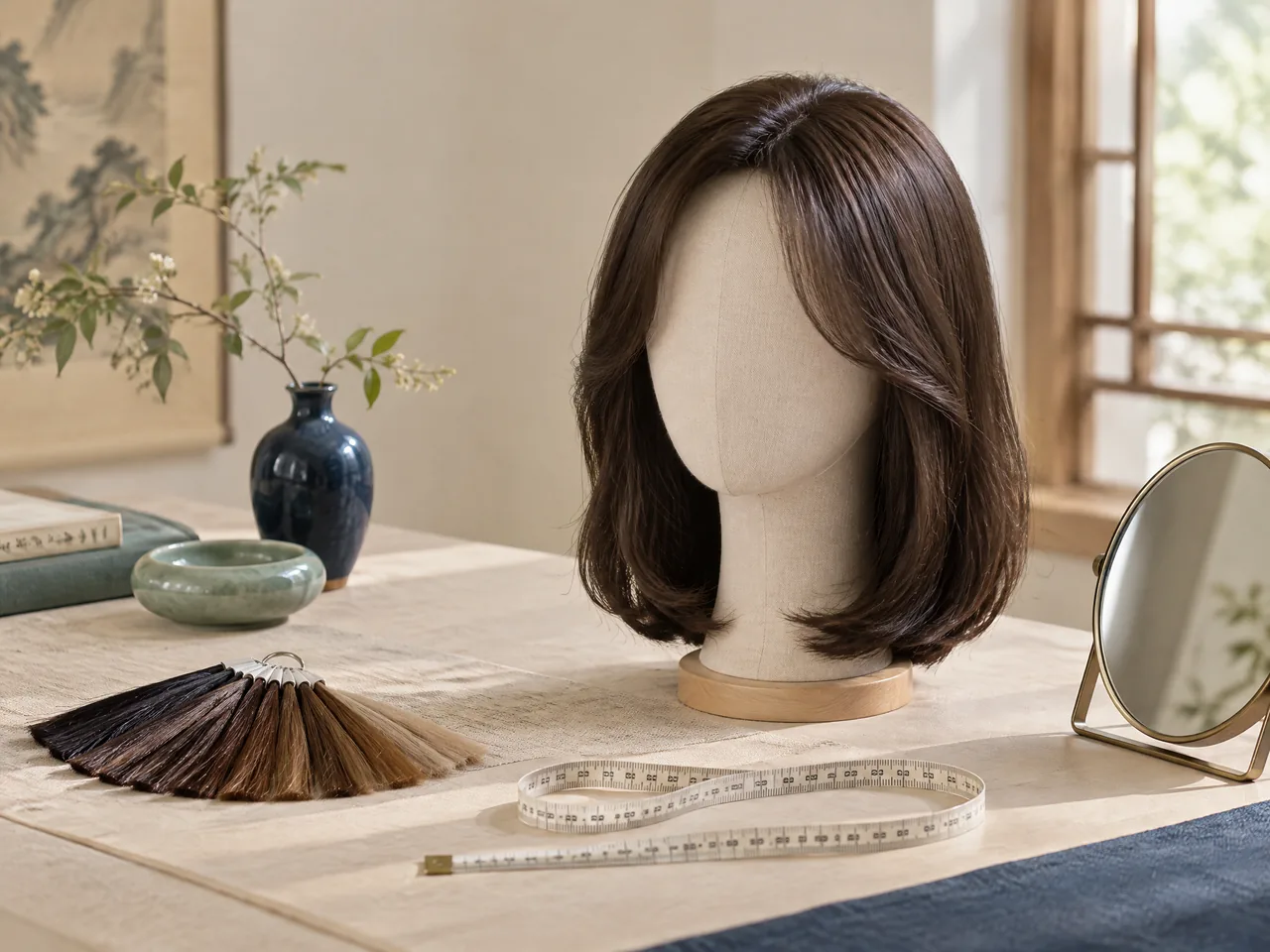
Illustrative wig selection, colour swatches and fitting tools
Illustrative wig-lifestyle concept; not an OWNSTRAND product photograph or a client record.

The short answer

Contact the shop before travelling and confirm the appointment purpose, available samples, privacy arrangements and any consultation or fitting charge. Bring hairstyle references and your usual glasses, compare the actual piece rather than a photograph, and leave with written details of the option and terms you are considering. A first visit need not become a purchase.

OWNSTRAND is an external wig and hairpiece website under the same ownership as TCM Lab. These appearance and everyday wearing guides are separate from Chinese medicine care, not diagnosis, treatment or a promise of hair growth.

Confirm what the visit will let you compare

Start with one question you cannot settle on a screen. Perhaps you need to feel the base against your head, compare two colour directions or understand how much coverage you want. Tell the shop that purpose before arranging a visit. Full wigs, localised toppers and men's hair systems should not be treated as the same fitting request; describe the area you want covered rather than relying on a broad product name.

For the wig shop Kwun Tong visit described by OWNSTRAND, the sole shop is Unit 2103, 50 Hoi Yuen Road, Kwun Tong, Hong Kong (利寶時中心). Its page describes sample viewing and measurements for custom human-hair work, but asks visitors to contact it first; opening hours and walk-in availability are not stated. [1] TCM Lab and OWNSTRAND share ownership, and these links are provided for shop information and enquiries.

Ask whether your proposed appointment is a conversation, sample viewing or an actual try-on, and which requested items can be available. Confirm any charge and expected appointment length. Save the address and building name, then check a current route from your own starting point. If stairs, lift access or somewhere to sit would affect your visit, ask directly rather than assuming the building will meet your needs.

Describe the privacy you would find comfortable

Privacy can mean several different things. You might be happy discussing colours at a counter but want to remove your head covering away from other customers. Ask whether a separate room or screened fitting area can be arranged and whether other appointments might overlap. These are requests to confirm, not features to infer from the word salon. You can also say that you would prefer to start with samples before any fitting.

Cancer Research UK suggests asking about a private room if that feels more comfortable and notes that a relative or friend can offer support during a wig fitting. [2] Choose a companion who will listen to your preferences, not one who feels obliged to choose for you. If you would rather attend alone, write down your questions so you do not have to remember them while looking in the mirror.

Set your own boundary around photographs. You can ask staff not to photograph you, or ask how an image would be used before agreeing. If you take comparison pictures yourself, first check that photography is allowed and keep other visitors out of the frame. Share only the reference images and personal information you feel comfortable providing; a style discussion does not require a detailed account of why you want a wig.

Bring references that explain your everyday look

Pick a few clear images rather than a large album of unrelated styles. Include your front view and side profile if you want a familiar outline, then add one image of a possible change. Mark what matters in each: the fringe length, the volume above the ears or how much grey you want visible. Cancer Research UK recommends bringing photographs of your earlier hairstyle when you want help matching it. [2]

Bring your usual glasses and consider wearing a familiar neckline. These give you a way to judge whether the hair sits awkwardly around the frames or catches against your collar. Ask the fitter how to remove and replace your glasses during fitting, then check the finished arrangement with them back on. Describe the routine the piece must fit into: getting ready for work, caring for it at home or wearing it only occasionally.

Colour references are useful, but a phone image should not settle the shade. The American Cancer Society recommends comparing hair and wig swatches in natural light. [3] Ask whether you can see the proposed colour near a window, if suitable and permitted. Note its colour code as well as your impression. A reference photo communicates a preference; it does not guarantee an exact match or establish that a pictured item is available.

Find out what each sample actually represents

Before comparing two samples, ask what each one is demonstrating. A small hair swatch can help you discuss colour and texture, but it cannot tell you how a complete base will feel on your head. A display wig may show a silhouette without being the size or construction you would order. Ask whether the sample is the proposed product, a construction example or a general style reference, and record that distinction.

Have the person showing it identify the fibre and point out the front edge, parting area and underside. Ask which features belong to your quoted option and which are only present on the display piece. Keep human hair, synthetic fibre and any blend clearly labelled in your notes. If a local material name is used, ask for its actual structure and purpose instead of assuming it corresponds to a familiar overseas cap label.

Then connect the sample to maintenance. Ask for the exact item's washing, drying and storage instructions, and whether your usual styling tools are permitted. Cancer Research UK advises checking manufacturer information before exposing synthetic wigs to direct heat and following the supplier's wearing and care instructions. [2] Do not apply heat or stretch a shop sample to test it yourself. A pleasant touch is one observation, not proof of heat resistance, long wear comfort or an effortless daily routine.

Use an agreed try-on to check more than the mirror

If a try-on is arranged, ask how your existing hair should be prepared and what adjustments are appropriate for that piece. Follow the fitter's instructions rather than pulling the front down to copy a photograph. The American Cancer Society advises checking the specific brand's size chart because sizing can vary. [3] A size name on a display piece is therefore a starting point, not a conclusion about your fit.

Once positioned, describe what you feel at the front, temples, around the ears and at the back. Distinguish a visible concern from a physical one: extra volume can look unfamiliar while an edge may actually press or rub. Ask for any permitted adjustment, then check again. Do not agree to ignore pain for the sake of a flattering outline; tell the fitter and pause the try-on if it is uncomfortable.

With permission, turn your head normally, look down and replace your glasses. Notice whether the piece shifts, whether the fringe blocks your view and whether the sides interfere with your frames. These modest movements can reveal questions worth discussing, but a brief fitting cannot establish all-day comfort. Write down anything you still need to check. A wig is an appearance choice, not a treatment for hair loss or a way to stimulate growth.

Leave with a record you can compare at home

Keep separate notes on what you liked and what the shop confirmed. You might prefer the outline of one sample yet still need its fibre, size, colour code and base details clarified. Request a written quote identifying the proposed piece and any fitting, cutting or care service included. Ask about further visits and applicable cancellation, alteration or return terms before approving custom work; do not assume the terms for a standard item apply.

When weighing a wider wig shop Hong Kong search, OWNSTRAND's overview is useful for checking its enquiry process: browsing or sending a message does not complete an order or confirm stock, and a free try-on is not promised. [4] For its custom human-hair service, the salon page describes a return fitting with washing, cutting and blow-drying. Ask which steps apply to your particular quotation and when they can be arranged. [1]

Finish by deciding the next question, not forcing a decision about the whole purchase. It is reasonable to leave with a preferred colour and an unresolved fit issue, or to decide that you need a different type of coverage. Once home, compare your notes against your daily routine and budget. If an important detail is still missing, ask for it in writing before committing rather than filling the gap with an assumption.

Take it into everyday life

A practical checklist

  • State whether you want a discussion, sample viewing, measurement or a try-on, and confirm what can be arranged.
  • Confirm the appointment time, expected length, any charge and the exact address before travelling.
  • Ask about a private fitting area, companion attendance and any access needs that matter to you.
  • Bring a small set of hairstyle references, your usual glasses and notes about your wearing routine.
  • Label each comparison sample with its purpose, fibre, colour code and proposed construction.
  • If a try-on is agreed, report pressure or rubbing and check normal head movement and glasses placement.
  • Request item-specific care instructions and a written quote identifying included and additional services.
  • Clarify further visits and applicable order, alteration and return terms before approving work.

Questions & answers

Can I turn up at OWNSTRAND's Kwun Tong shop without booking?

Contact the shop first. Its salon page does not state opening hours or walk-in availability, so the address alone does not confirm that someone can see you when you arrive. Describe whether you want samples, measurements or a fitting and confirm the arrangements and any charge before travelling. [1]

Can I ask for a private appointment and bring a friend?

You can request both, but ask what the shop can actually arrange. Specify whether you need privacy for removing a head covering, a quieter discussion or photographs. Cancer Research UK suggests asking about a private room and bringing a supportive friend or relative; that advice does not establish the facilities or companion policy of a particular salon. [2]

What if the colour swatch looks right but the display wig feels wrong?

Treat them as two separate findings. Ask whether the swatch and display wig represent the same colour and proposed product, then identify what feels wrong: fit, weight, edge contact or the amount of hair. Compare the colour in natural light where possible, and record its code. Do not approve a piece solely because the shade works. [3]

Will one short fitting tell me whether I can wear the wig all day?

No. It gives you a chance to check placement, immediate discomfort and ordinary movement, but it cannot reproduce your full day. Tell the fitter how you expect to wear it and ask about the specific adjustment and care options. If it presses or rubs during the appointment, raise that before proceeding rather than assuming the problem will disappear.

Do I have to order a custom wig at the first visit?

You can choose to use the visit to gather information. Ask for a written specification and quote, including what fitting or styling is covered and the terms that apply before work begins. OWNSTRAND's enquiry page distinguishes browsing and messages from a completed order. Confirm the actual ordering step if you later decide to proceed. [4]

Sources & further context

Numbered references follow the source order below. Product and service websites provide appearance-related context, not medical evidence.

  1. [1] OWNSTRAND — Wig Shop in Kwun Tong
  2. [2] Cancer Research UK — Wigs, hats and scarves
  3. [3] American Cancer Society — Wigs for Hair Loss
  4. [4] OWNSTRAND — Wig Shop Hong Kong: How to Buy Wigs in Hong Kong

Label coverage separately from the hairstyle

Give each option a coverage note before writing down whether you like its hairstyle. The American Cancer Society distinguishes a full wig covering the whole head from a topper adding coverage and volume on top. [3] For your appointment, describe the area you want covered and ask the fitter to show how the proposed piece relates to it. A topper and a full cap should not become an A-versus-B comparison based only on fringe or colour.

In your notes, separate the sample you saw from the item being proposed. For example, record that a small hairpiece illustrated the coverage idea but that its colour or fastening still needs confirmation. The two objects in the illustration are generic examples, not evidence that either can be tried at the Kwun Tong shop.
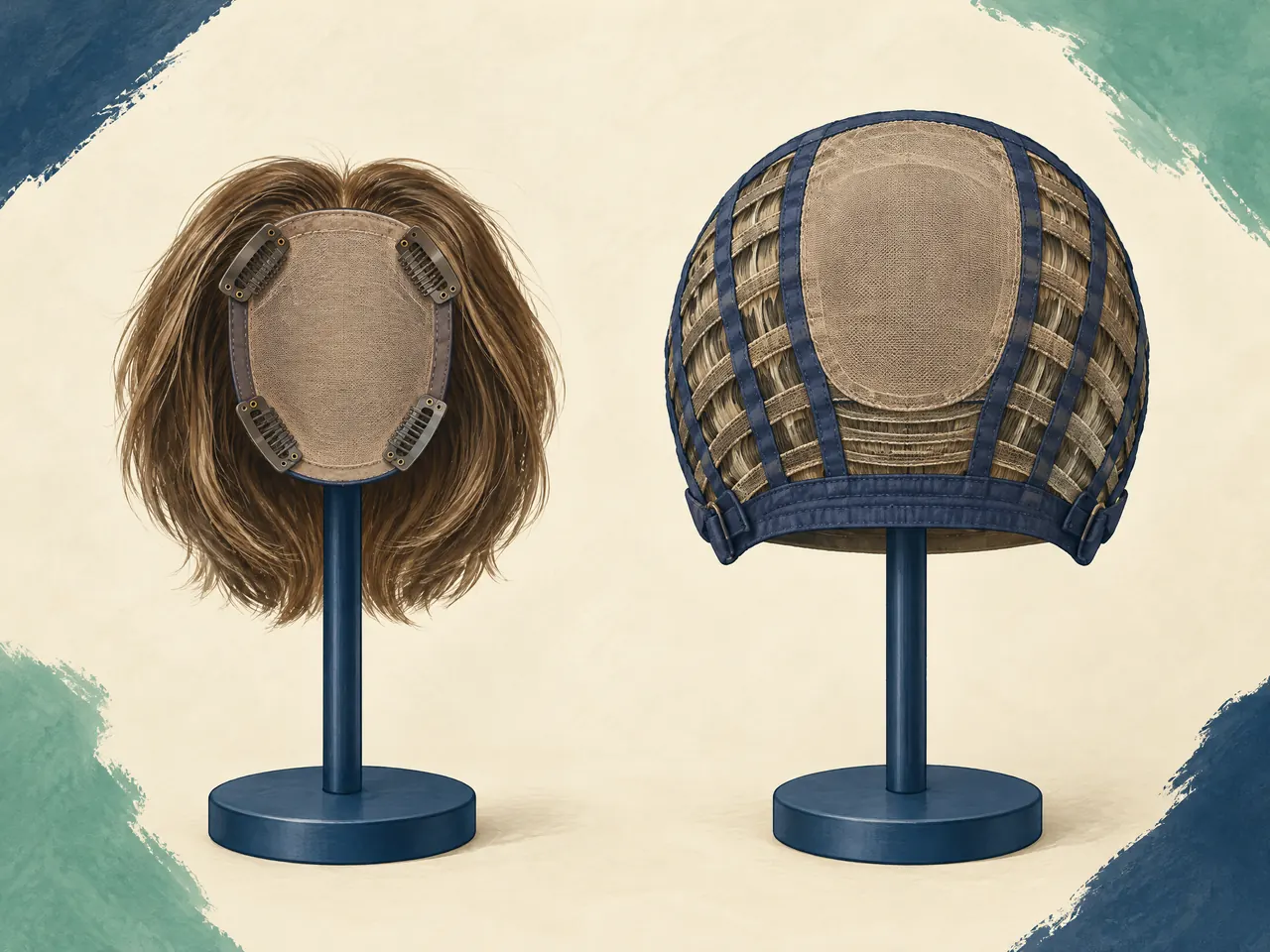
A generic topper and an empty full wig cap on separate stands, with their undersides visible
Compare the coverage purpose before the hairstyle. Concept illustration, not OWNSTRAND stock or a fitting result.Generated illustrative image

Record the conditions of a useful fit comparison

If two pieces are available for an agreed try-on, record how your own hair was prepared for each and whether an additional liner or band was used. Note the size or measurement reference and any adjustment the fitter made. This gives a later discussion a clear starting point: a comparison made with different preparation may need checking again. Follow the selected brand's size information rather than transferring a size name between pieces. [3]

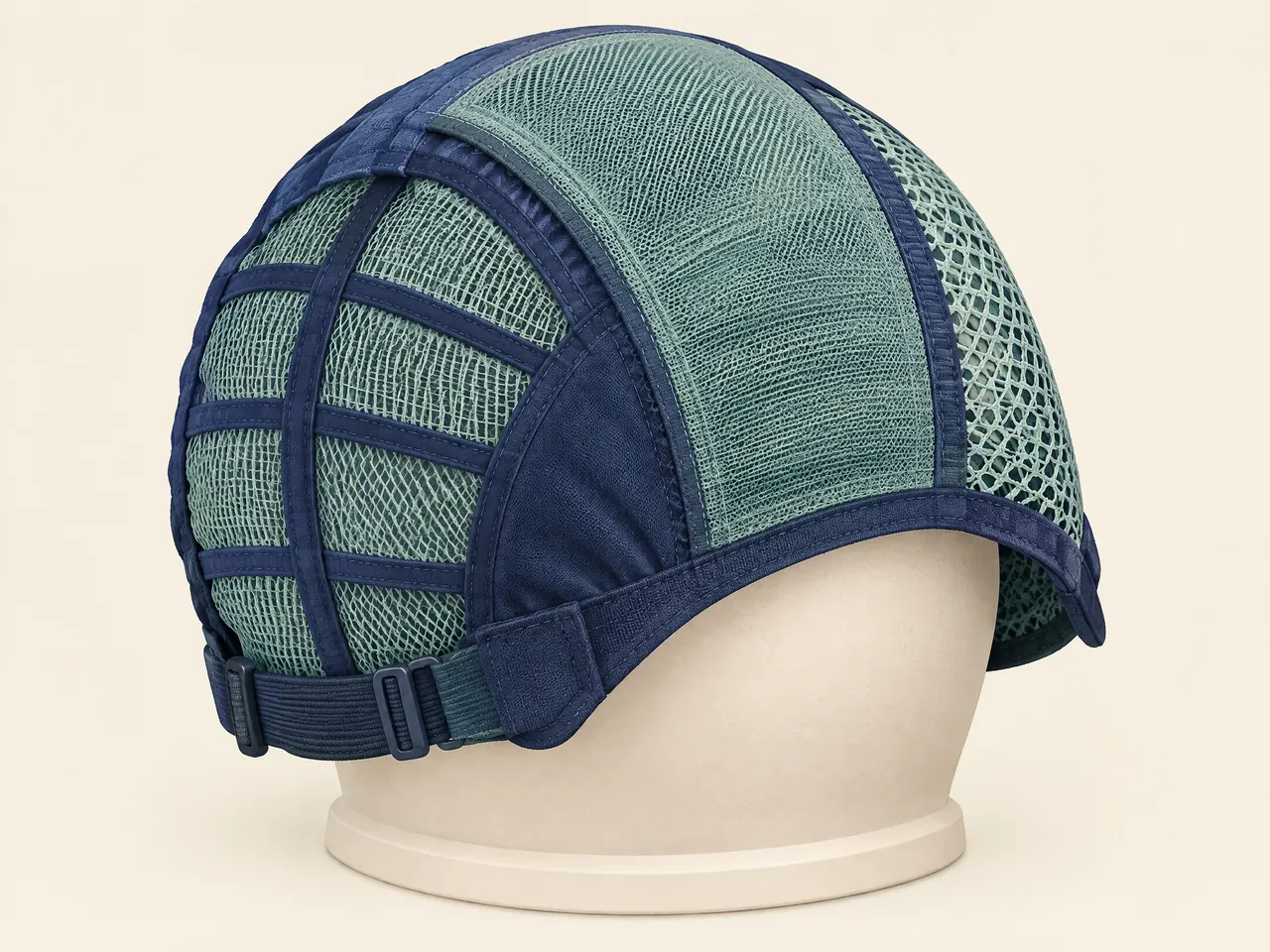
Ask the fitter to point out the inside area corresponding to any pressure you noticed, without stretching or modifying the sample yourself. Keep that observation beside the fit notes, not beside a general claim that a certain cap type is comfortable. The illustrated cap interior and measuring tape show questions to raise; neither supplies a sizing method or represents OWNSTRAND's custom-base construction.

A fabric measuring tape loosely around a blank mannequin dome beside an empty fit-note card and mirror
Record the preparation and size reference used in the fitting. Concept illustration, not a measurement instruction or client record.Generated illustrative image
An inside-out generic empty wig cap on a dome stand, with illustrative mesh panels and an adjustable band
Ask which inside area corresponds to what you feel. Generic cap illustration, not an OWNSTRAND construction specification.Generated illustrative image

Keep the colour comparison tied to the same sample

When comparing two shades, ask to view them side by side under the same light, then note each code and where you viewed it. The American Cancer Society recommends natural light for comparing hair with wig swatches. [3] If a window comparison is not possible at the appointment, record that as an unanswered check rather than treating a phone photograph as confirmation.

If visible grey matters, describe where you want to notice it as well as the broad shade. Ask which sample will be used to agree that preference for your proposed piece. OWNSTRAND's salon page allows discussion of grey-hair percentage for custom work, but the particular appearance still needs agreeing. [1]
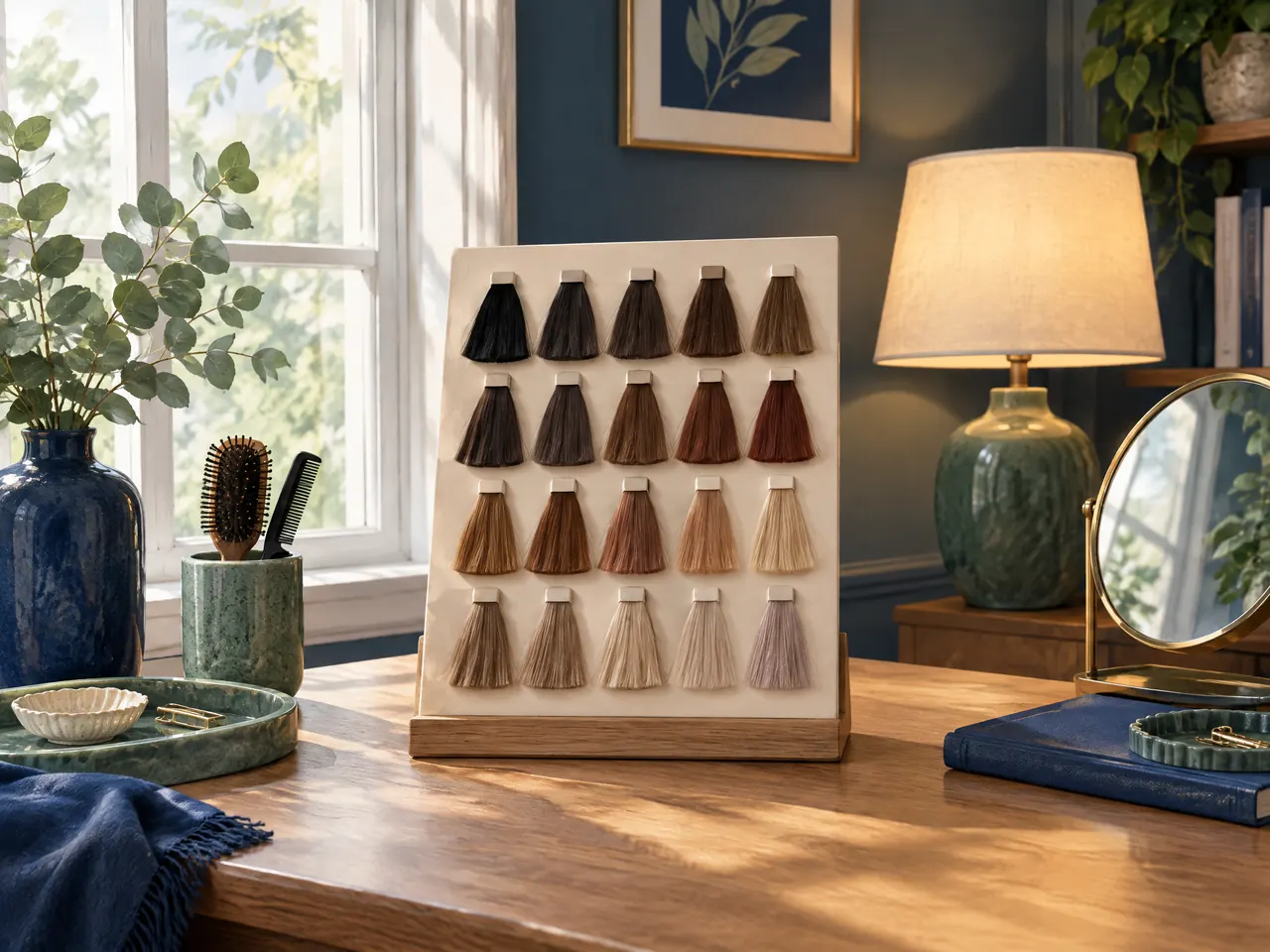
A neutral hair sample board between soft window daylight and a shaded interior lamp, beside a mirror
Keep the sample and viewing conditions in your colour notes. Concept illustration, not a calibrated colour reference or guaranteed match.Generated illustrative image

Ask what you will do after the salon finishing

OWNSTRAND describes washing, cutting and blow-drying during the return fitting for custom work. [1] Ask which parts you would repeat at home and which require a further service. A salon's finishing step is not permission to use your own dryer on every piece. Cancer Research UK advises following the supplier's wearing and care instructions and checking manufacturer information before direct heat on synthetic wigs. [2]

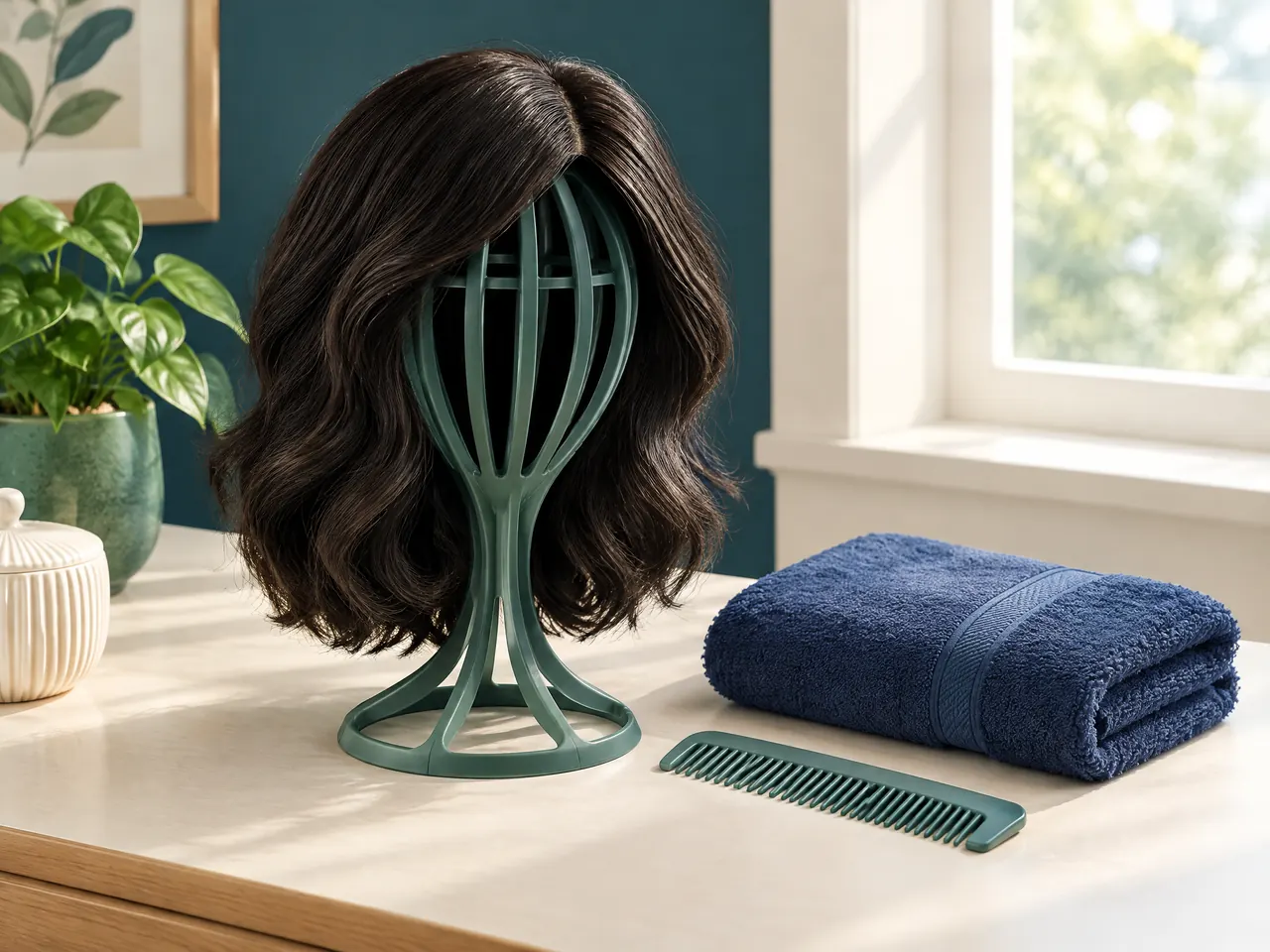
Use the sample discussion to request a demonstration of any handling step you do not understand. Ask how to support the proposed piece while drying, when it can be handled again and what storage support is suitable. Repeat the instruction back so a missing step can be clarified. The separate fibre bundles and drying stand are prompts for these questions, not a way to identify material by sight or a universal care routine.
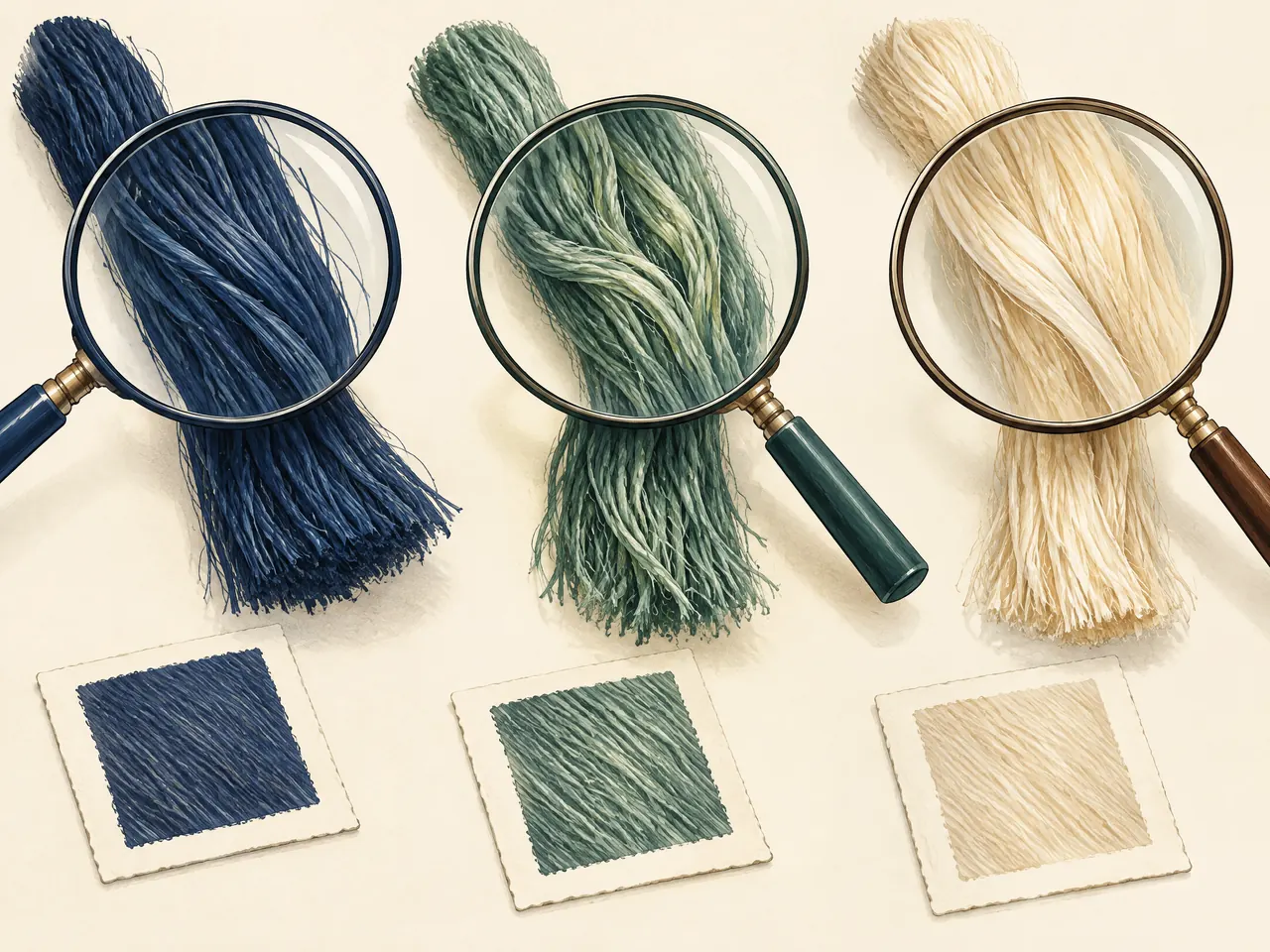
Separate anonymous hair-like fibre bundles beneath a magnifying lens beside unlabelled material sample cards
Confirm the stated fibre and its instructions; appearance alone does not identify it. Concept illustration, not product testing.Generated illustrative image
An anonymous wig on an open ventilated stand beside a folded towel and unbranded comb in indirect daylight
Ask which drying and storage support suits the exact piece. Concept illustration, not an instruction for every wig.Generated illustrative image

Clinic enquiries

Contact and appointment arrangements

Clinics
Prince Edward and Kwun Tong
Opening hours
11:00–21:00
WhatsApp and telephone
+852 6940 5663

Appointments, practitioner availability and service arrangements are confirmed via WhatsApp.

Please mention any consultation language needs in your WhatsApp enquiry so that arrangements can be confirmed.

Enquire via WhatsApp
Food, gifts and floral lifeWhatsApp enquiry