
Prince Edward & Kwun Tong clinics · Home-visit enquiries elsewhere

TCM Lab

TCM Lab · Beauty & lifestyle / Choosing and visiting

Chemotherapy wigs: make the first fitting a choice, not a deadline

Content updated

Your first wig appointment can be a conversation rather than a purchase. Decide how much privacy you want, save the hairstyle details that matter to you, and leave room for a scarf, a hat or no covering at all.

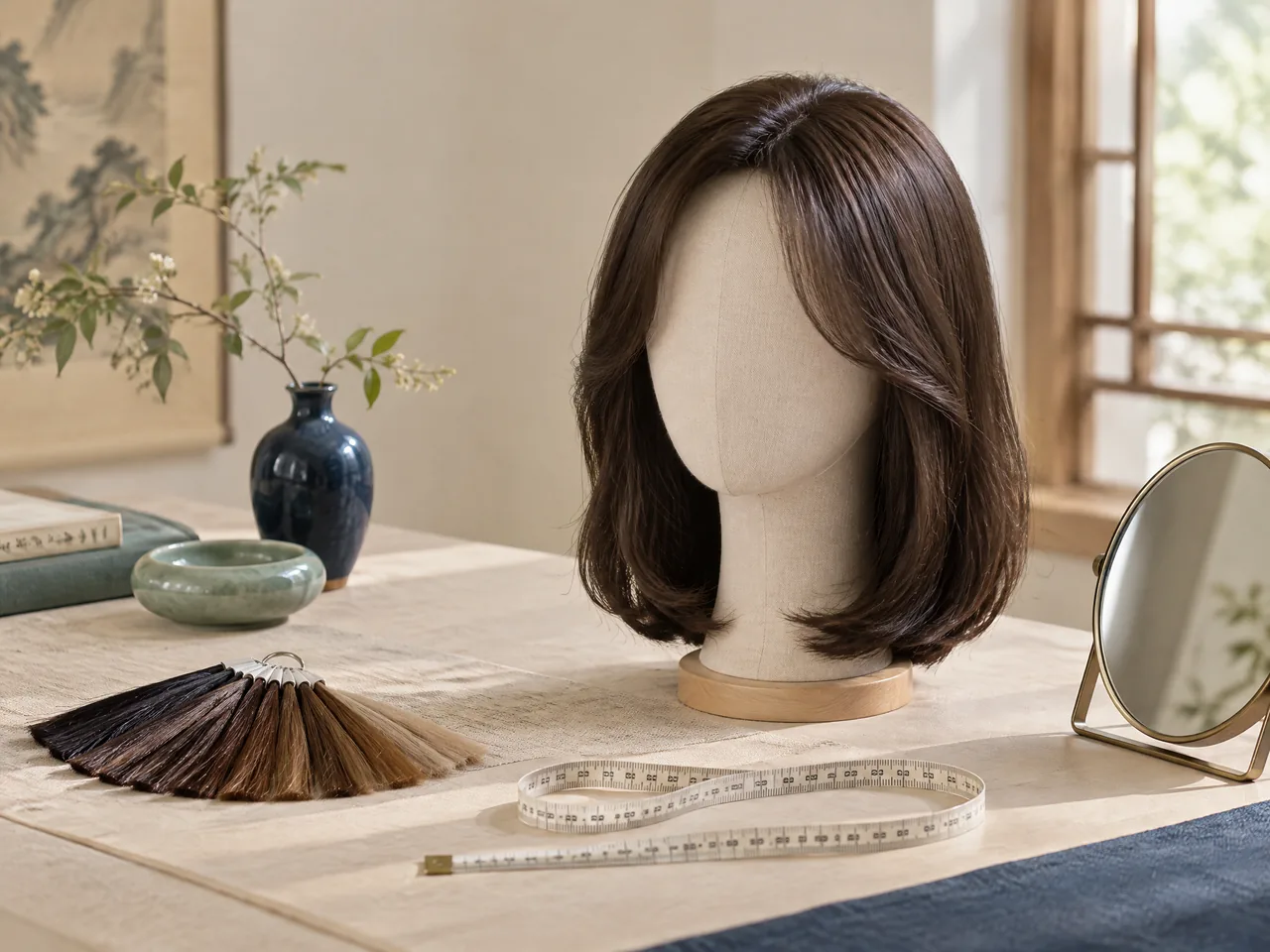
Illustrative wig selection, colour swatches and fitting tools
Illustrative wig-lifestyle concept; not an OWNSTRAND product photograph or a client record.

The short answer

You do not have to choose a wig before treatment starts. Looking early can help if you want to compare with your existing hairstyle, but choosing later is also possible. Ask about a private appointment, bring photographs only if useful, and confirm fit and supply before committing. Keep questions about expected hair loss, scalp symptoms and adhesives with your healthcare team. [1] [3]

OWNSTRAND is an external wig and hairpiece website under the same ownership as TCM Lab. These appearance and everyday wearing guides are separate from Chinese medicine care, not diagnosis, treatment or a promise of hair growth.

Choose what the first visit is for

A first fitting does not have to end with an order. You might want to see what a wig feels like, understand how it goes on, or simply look at samples without trying anything. Choose one purpose for the visit and tell the fitter beforehand. Macmillan explicitly advises that there is no pressure to choose immediately; waiting until you feel ready is an option. [3]

Looking before hair loss can make it easier to compare a wig with your present colour and shape. That is a practical advantage, not a deadline. Cancer Research UK also describes choosing after hair loss, using photographs of your earlier hairstyle if you wish. If making an appointment now feels like another task you cannot manage, saving a few references can be enough preparation for today. [1]

When you feel ready to explore chemotherapy wigs, use OWNSTRAND's page to prepare an appearance-focused enquiry rather than seek advice about treatment. Ask whether your next step would be sample viewing, a fitting or a custom discussion, and what each involves. TCM Lab and OWNSTRAND share ownership; this link provides related product and service information, not an independent recommendation. [4]

Arrange privacy before you travel

Privacy is worth discussing before you arrive, when you can ask without being halfway through a fitting. Cancer Research UK suggests asking for a private room and bringing a friend or relative if that would help. You might also ask who will be present, whether a companion can stay, and whether you can pause the session. Confirm the actual arrangements instead of assuming that every appointment works the same way. [1]

A simple opening message could be: 'I would like to compare styles privately, and I may decide not to try one on that day.' If you bring someone, give them a useful role, such as taking notes or helping you remember your questions. You can ask them to wait for your opinion before offering theirs. Any fitting photographs should be your choice; ask before anyone takes or stores them.

For initial browsing, OWNSTRAND's wigs Hong Kong page lets you save styles before arranging a visit. Its single shop is at Unit 2103, 利寶時中心, 50 Hoi Yuen Road, Kwun Tong. Ask which samples can actually be viewed and how to change an appointment if needed. A catalogue picture is a conversation starter, not confirmation that a particular colour or style will be there. [5]

Record the hairstyle you want to recognise

If keeping a familiar look matters to you, make a small hairstyle record rather than a folder of perfect images. The American Cancer Society recommends photographs of your current hair and, if you want one, a hair swatch for colour comparison in natural light. You do not need to cut off hair just to attend an appointment. Existing photographs and a written description can still help explain your preferences. [1] [2]

Pick images that show your usual front view and the shape at the side. Add details a photograph may miss: which side you part on, whether you normally tuck hair behind your ears, and where the ends sit against your collar. Mark what you want to preserve and what you are happy to change. An old photograph can represent a favourite hairstyle without becoming a demand for an exact replica.

When browsing women's wigs, compare the outline with your record, then check coverage separately. A full wig covers the whole head; a topper adds coverage to a limited area and is not simply a smaller full wig. The American Cancer Society distinguishes these options. Save the style name alongside your notes so the enquiry identifies the actual piece, not just a broad category. [2]

Check fit without predicting hair loss

Tell the fitter whether you are comparing over your current hair. Fit may change after hair loss, so ask how the particular cap can be adjusted and whether another fit check would be possible. Cancer Research UK highlights this issue, while the American Cancer Society advises checking the maker's size guidance. Neither a familiar size label nor today's fit establishes how every wig will sit later. [1] [2]

During a trial, ask the fitter to show you how to position and remove the piece according to its instructions. Once it is positioned, try your usual glasses and notice how the sides sit. Turn your head gently and describe any pulling, rubbing or movement instead of judging only the mirror image. If you are uncomfortable, pause or remove it; looking convincing is not a reason to endure discomfort.

Ask to see any liner or fastening being proposed, rather than treating accessories as an automatic part of the purchase. Macmillan notes that a liner can affect how a wig sits and that tape questions should be discussed with a doctor or nurse when treatment makes skin sensitive. Ask the fitter about product use, and the clinical team about your skin. Do not add adhesive simply to compensate for an unresolved fit problem. [3]

Keep headwear as a real alternative

A scarf or hat is not a failed attempt at choosing a wig. Cancer Research UK describes several alternatives and acknowledges that some people do not want a wig, or do not want one all the time. You can choose different coverings for different situations, or decide not to cover your head. Buying a wig does not create an obligation to wear it whenever someone else expects you to. [1]

Think about one ordinary situation rather than planning every future day. Would you prefer a familiar hairstyle for a video call, a simple hat for a short outing, or neither at home? If comparing headwear, feel the inside seams and practise putting it on and taking it off. Check whether you can manage any knots or fastenings yourself. These observations are more useful than assuming a fabric label guarantees comfort.

If you choose a wig, you can begin by trying it at home or around people you know well, as Macmillan suggests. There is no need to turn that into a fixed practice schedule. Keep a different covering available if you want an easy change. The point of trying an option is to learn whether it suits your day, not to prove you can tolerate it. [3]

Take two question lists, not one

Keep one short list for the fitter: which styles can be supplied, how the fit is checked, what adjustments are included, and which care instructions apply. Ask about the total quotation and return or cancellation conditions before paying, especially before authorising custom work or alterations. The American Cancer Society recommends checking a retailer's return policy; do not assume that a sample trial or online listing means an item can later be returned. [2]

Keep a separate list for your healthcare team: whether your treatment is expected to affect your hair, what scalp changes to report, and whether a proposed adhesive or skin-contact product is appropriate for you. A wig changes appearance; it does not treat cancer or cause hair regrowth. If your scalp is sore, irritated or broken, ask your team before continuing a fitting or introducing new products. The retailer cannot settle those clinical questions. [3] [4]

Before leaving, write down the style you tried and the next step you actually agreed to. That might be another appointment, an unanswered question or no further action. Request the relevant wearing and care directions if you decide to proceed. A useful first visit leaves you with clearer choices and permission to reconsider, rather than a purchase made because the treatment calendar seemed to demand it. [1] [3]

Take it into everyday life

A practical checklist

  • Choose today's purpose: look at samples, ask questions, try a wig or discuss custom work.
  • Confirm privacy, who will attend, companion arrangements and how to pause or reschedule.
  • Save a few hairstyle photographs and note your parting, usual volume and preferred length.
  • Identify the exact catalogue styles you want to ask about; confirm sample and colour availability.
  • Bring your usual glasses and, if helpful, wear a front-opening top that is easier to remove. [3]
  • Ask how fit would be reassessed if your hair changes, and which adjustments are available.
  • Put treatment timing, scalp symptoms and adhesive safety on a separate list for your healthcare team.
  • Before paying, obtain the quotation, relevant care guidance and return or cancellation conditions.
  • Keep a scarf, hat or no-covering option in your plan if that is what you prefer.

Questions & answers

Have I left it too late if my hair has already fallen out?

No. Cancer Research UK explains that you can choose a wig after hair loss. Bring earlier photographs if matching your previous hairstyle matters, or describe a new look you would like to try. Ask the fitter to assess the current fit and confirm the specific style's supply; no general guide can guarantee how quickly it will be available. [1]

Can I attend without explaining my diagnosis to the fitter?

You can begin with appearance preferences and practical needs, such as privacy or a shorter session. OWNSTRAND describes its enquiry as appearance-focused. If skin sensitivity or another restriction affects wearing, obtain advice from your healthcare team and share only the practical information needed to arrange the fitting. A shop consultation is not a substitute for that advice. [4]

What if my companion likes a wig that I do not like?

Ask them to describe what they notice rather than choose for you: perhaps the length resembles your usual cut, or the fringe looks different. Then explain what feels wrong to you. You can record both observations and leave without ordering. A companion can support the decision, but the appearance and wearing preferences remain yours.

Should I buy adhesive or a liner before the fitting?

Not automatically. Ask how the particular wig is intended to stay in place and whether an accessory changes its fit. Macmillan notes that liners can affect movement and advises checking tape use and removal with a doctor or nurse when skin is sensitive during treatment. Do not assume that an accessory description establishes safety for your scalp. [3]

Can I wear a scarf most days and save the wig for occasional use?

Yes, choosing a wig does not mean choosing it for every day. Cancer Research UK recognises that people may prefer other coverings or not wear a wig all the time. Ask for care and storage instructions for the actual piece, and choose your covering according to your preference rather than other people's expectations. [1]

Sources & further context

Numbered references follow the source order below. Product and service websites provide appearance-related context, not medical evidence.

  1. [1] Cancer Research UK — Wigs, hats and scarves
  2. [2] American Cancer Society — Wigs for Hair Loss
  3. [3] Macmillan Cancer Support — Wigs for cancer treatment
  4. [4] OWNSTRAND — Chemotherapy Wigs and Cancer Wigs: Appearance-Focused Choices
  5. [5] OWNSTRAND — Wigs in Hong Kong: Explore OWNSTRAND Wigs

Ask what the comparison sample can tell you

When shown a sample, ask what it represents before judging whether you like it. A topper can illustrate partial coverage, while a full cap illustrates whole-head coverage; neither establishes suitability for your changing hair. Ask whether you are viewing the proposed piece or only a construction example. If trying it is not part of today's visit, record the coverage question that still needs answering rather than treating sample viewing as a completed fit check. [2] [4]

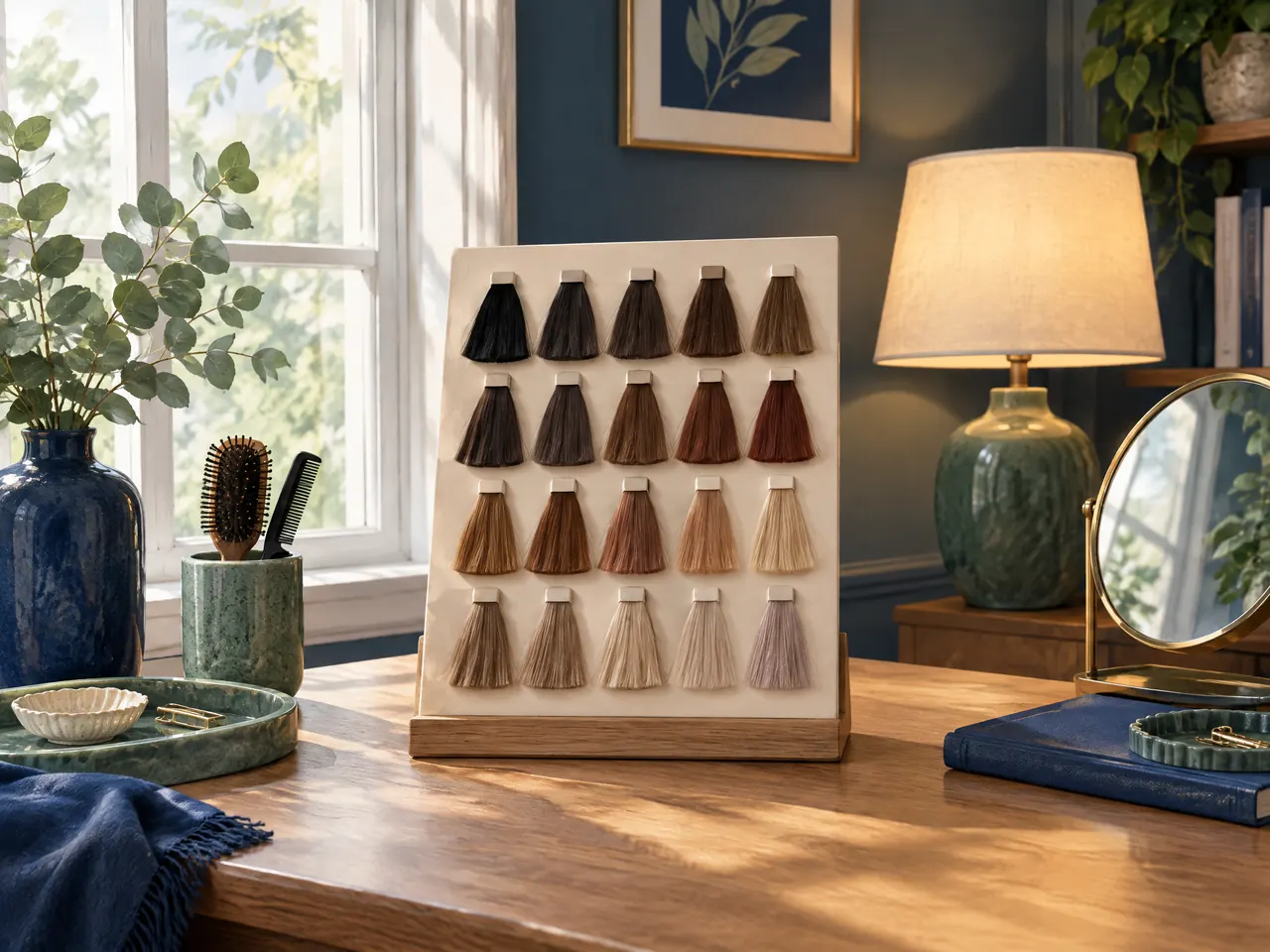
For colour, keep the sample's shade reference separate from the hairstyle photograph. If possible, compare the same sample near daylight, as the American Cancer Society recommends for colour matching. Write down which sample you saw and whether it represents the colour being offered. A useful note is 'I prefer this tone; the exact shade still needs confirming,' not an assumed match based on a screen image. [2]
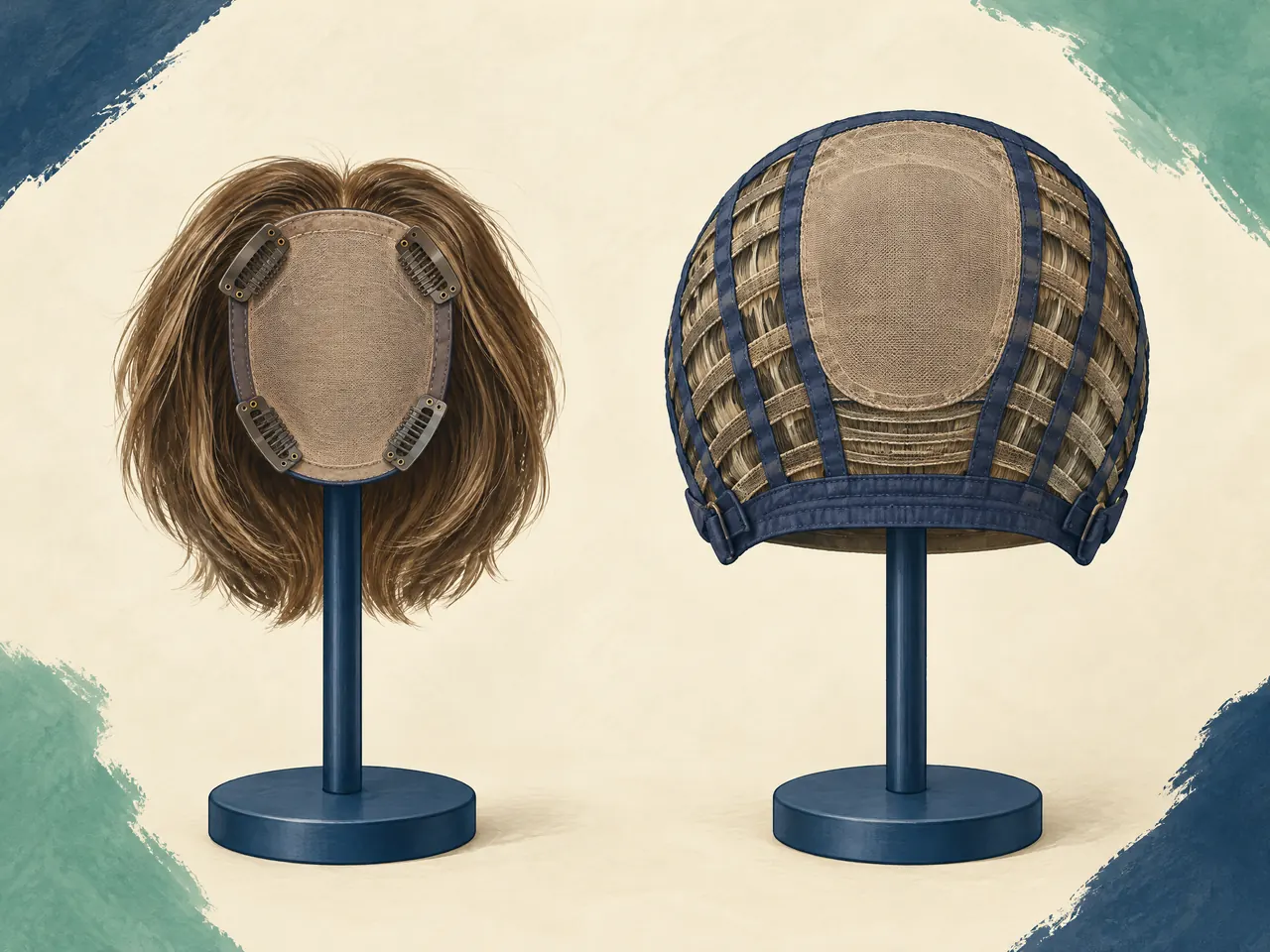
A generic removable topper and an empty full wig cap on separate plain stands, with their undersides visible
Illustrative partial and full coverage objects for sample questions; not an OWNSTRAND product photograph or a suitability assessment.Generated illustrative image
A neutral hair sample board between window daylight and a shaded interior lamp, beside a mirror
Illustrative colour-comparison setting; confirm the actual sample and shade rather than treating this image as a colour reference.Generated illustrative image

Make the fit record useful for another visit

If measurements are taken, ask the fitter to identify the piece and the maker's sizing guide used. Note whether your own hair and any proposed liner were present. This gives a later fit discussion a clear starting point without turning today's measurements into a prediction about future hair loss. The American Cancer Society advises checking the selected brand's size chart rather than relying on a general size label. [2]

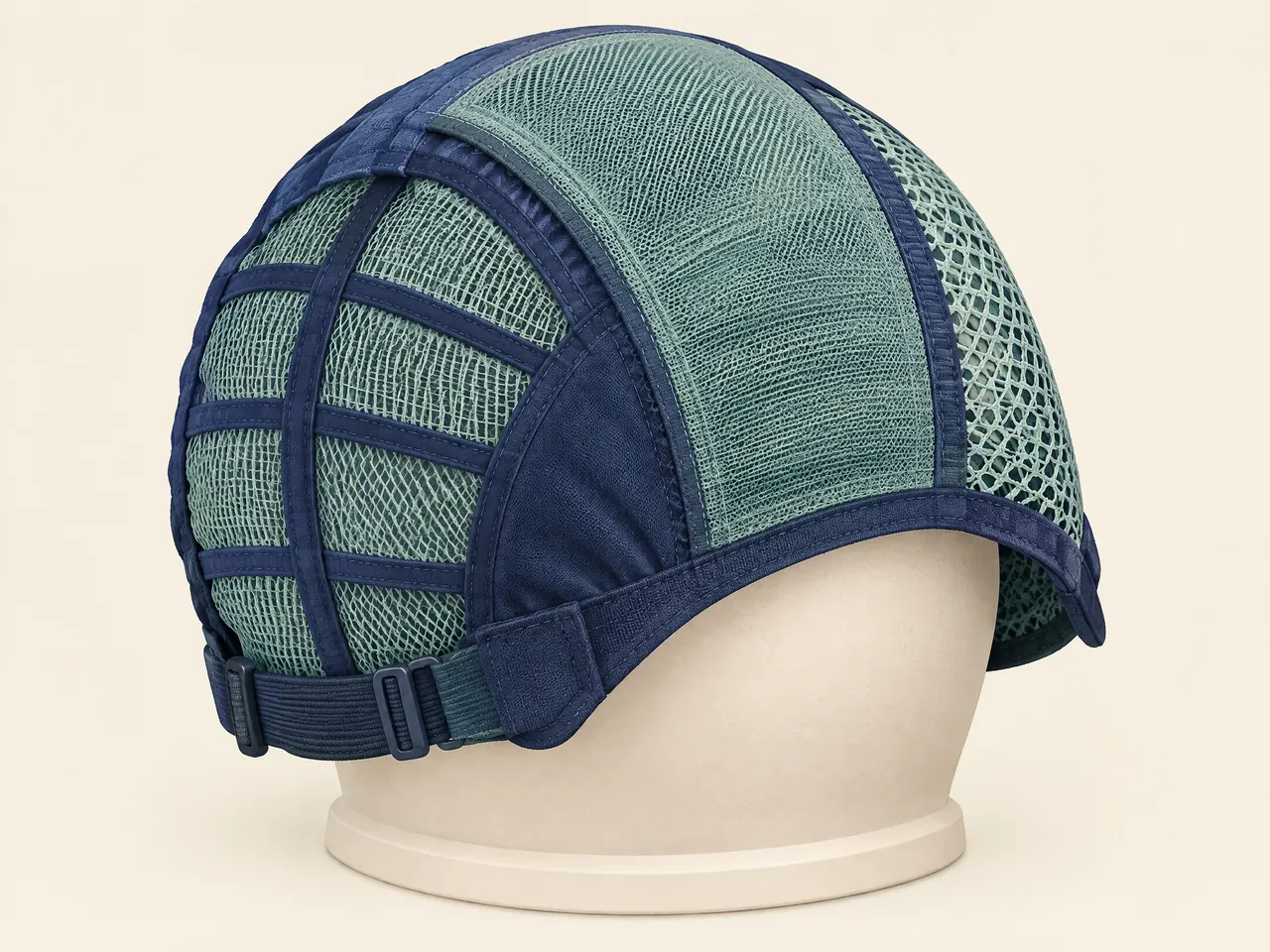
Ask to look inside the sample cap so you can point to the part you mean. Record an observation such as 'the edge behind my right ear rubbed when I put on my glasses' rather than only 'too tight'. Separate what you noticed from what the fitter adjusted, then note whether the same movement felt different afterwards. A generic cap illustration cannot show the construction or adjustment range of the piece you will receive.

A fabric measuring tape loosely around a blank mannequin dome, with an empty fit-note card and a mirror
Illustrative measurement and note-taking objects; no personal measurements, size prescription or fitting result is shown.Generated illustrative image
An inside-out generic empty wig cap on a plain dome stand, showing illustrative mesh panels and an adjustable band
Illustrative cap interior for locating fit questions; not the specification of a particular wig.Generated illustrative image

Learn removal before choosing a fastening

Before accepting a fastening, ask which part you will handle when putting the piece on and which part you will release to remove it. If a trial is agreed, ask for a demonstration and explain any step you cannot manage comfortably. Confirm whether the proposed method depends on having some of your own hair: Macmillan describes clips as a possible option when hair remains. For tape, take questions about use and removal on sensitive skin to your doctor or nurse. A display of fastening options is not a recommendation to combine them. [3]
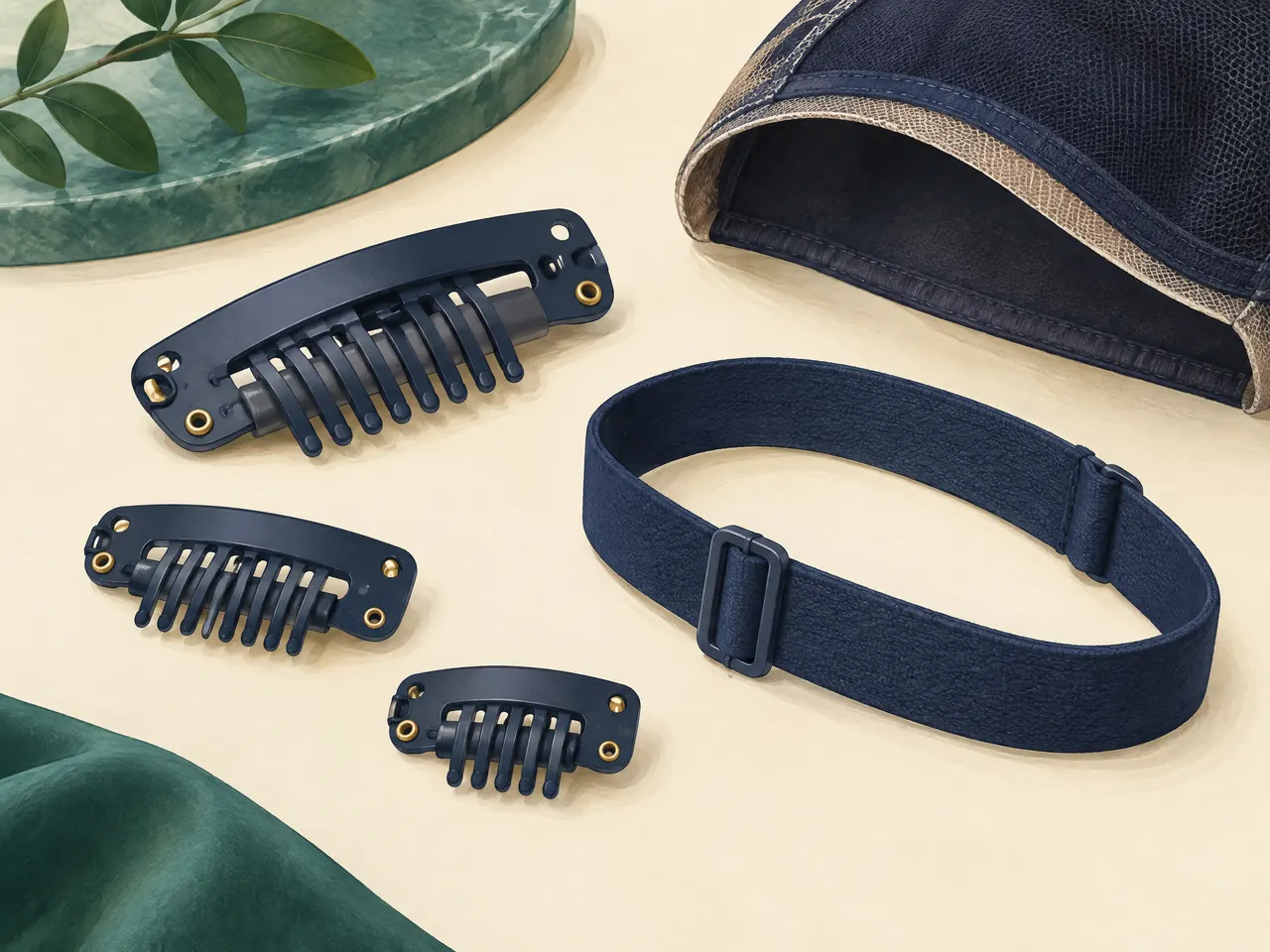
Generic hairpiece clips, a soft adjustable band and an empty sample cap edge arranged on a tabletop
Illustrative fastening objects for supplier questions; not instructions or confirmation that a method suits your hair or skin.Generated illustrative image

Plan care for the days you do not wear it

If you expect to wear the wig occasionally, ask how to store it between outings and what to do after wearing it before putting it away. Have the supplier explain the actual washing and drying directions, including any equipment you need and which steps you can do yourself. Macmillan advises following the wig's care instructions, while OWNSTRAND says care depends on the specific product. Do not assume that a stand, comb or drying method shown in an illustration is suitable for every fibre and cap. [3] [4]
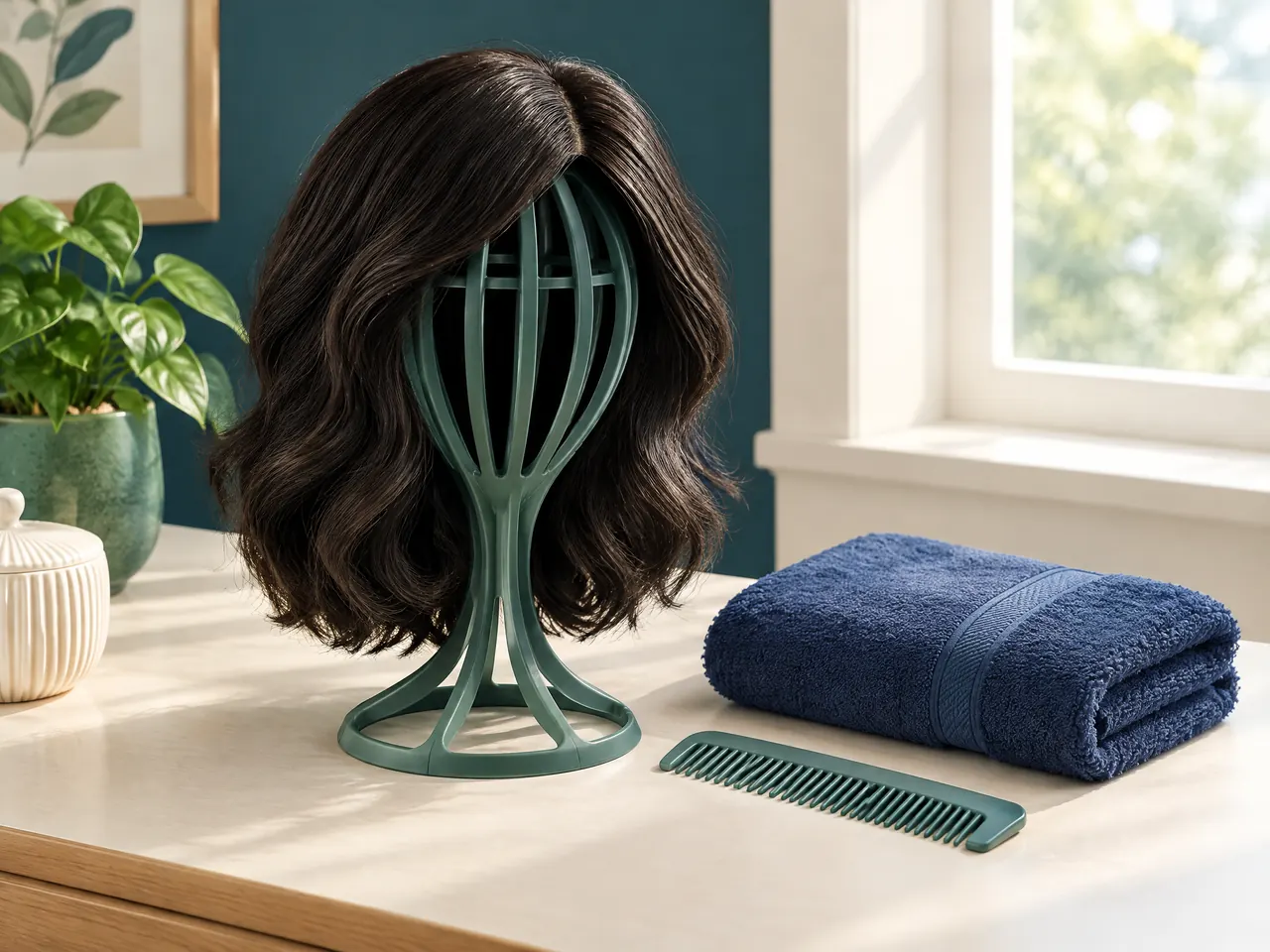
An anonymous wig on an open ventilated stand beside a folded towel and an unbranded comb near indirect daylight
Illustrative care and storage equipment; follow the directions for the actual wig rather than this scene.Generated illustrative image

Clinic enquiries

Contact and appointment arrangements

Clinics
Prince Edward and Kwun Tong
Opening hours
11:00–21:00
WhatsApp and telephone
+852 6940 5663

Appointments, practitioner availability and service arrangements are confirmed via WhatsApp.

Please mention any consultation language needs in your WhatsApp enquiry so that arrangements can be confirmed.

Enquire via WhatsApp
Food, gifts and floral lifeWhatsApp enquiry