Check coverage before applying a size chart
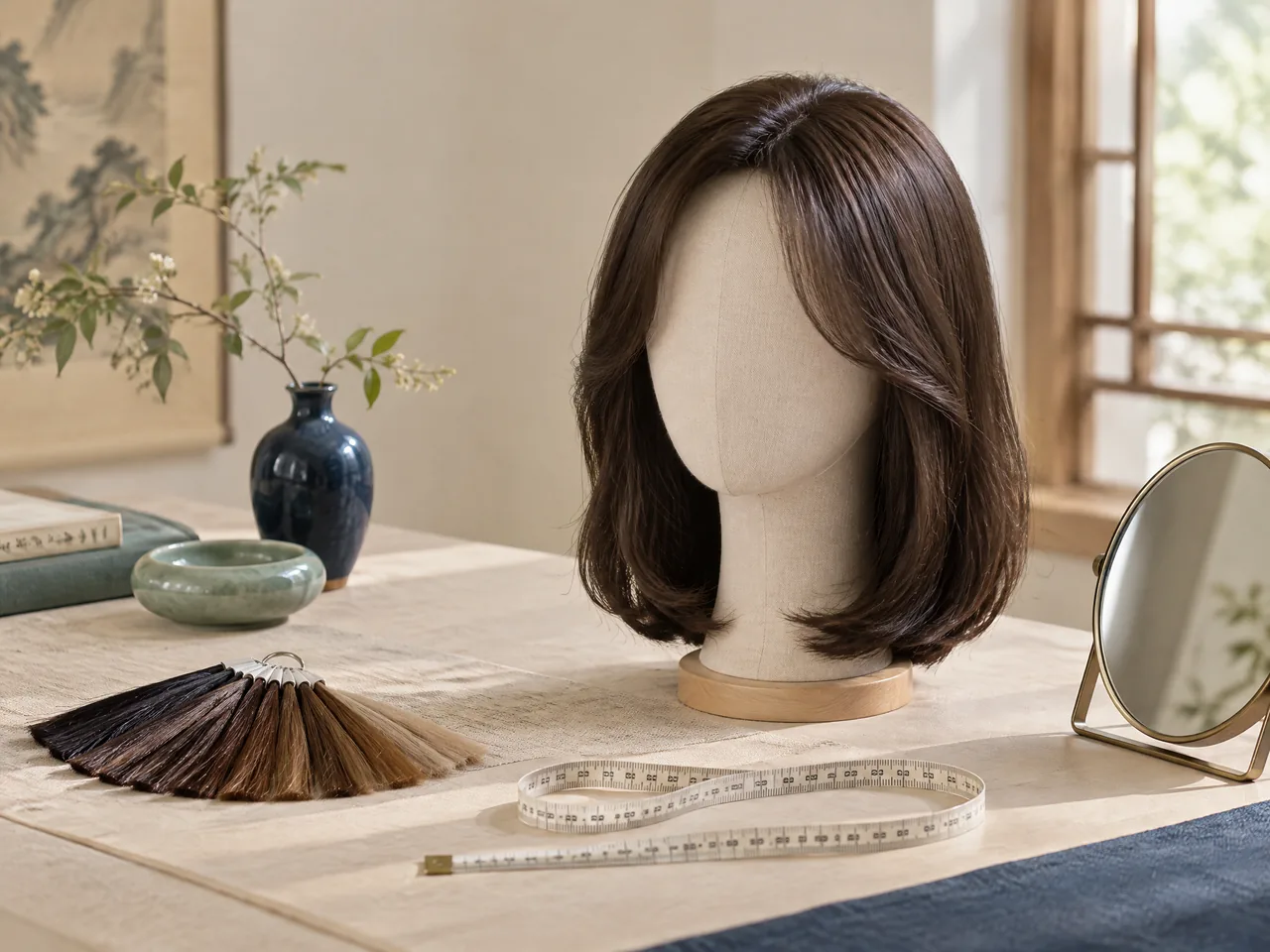
If your shortlist contains both a topper and a full wig, send separate fit questions for each. These provide different coverage, as the American Cancer Society explains. [1] For the topper, ask which base dimensions and attachment details the seller needs to assess your intended coverage. For the full wig, request the cap's own measurement diagram. A familiar size label should not stand in for either conversation.
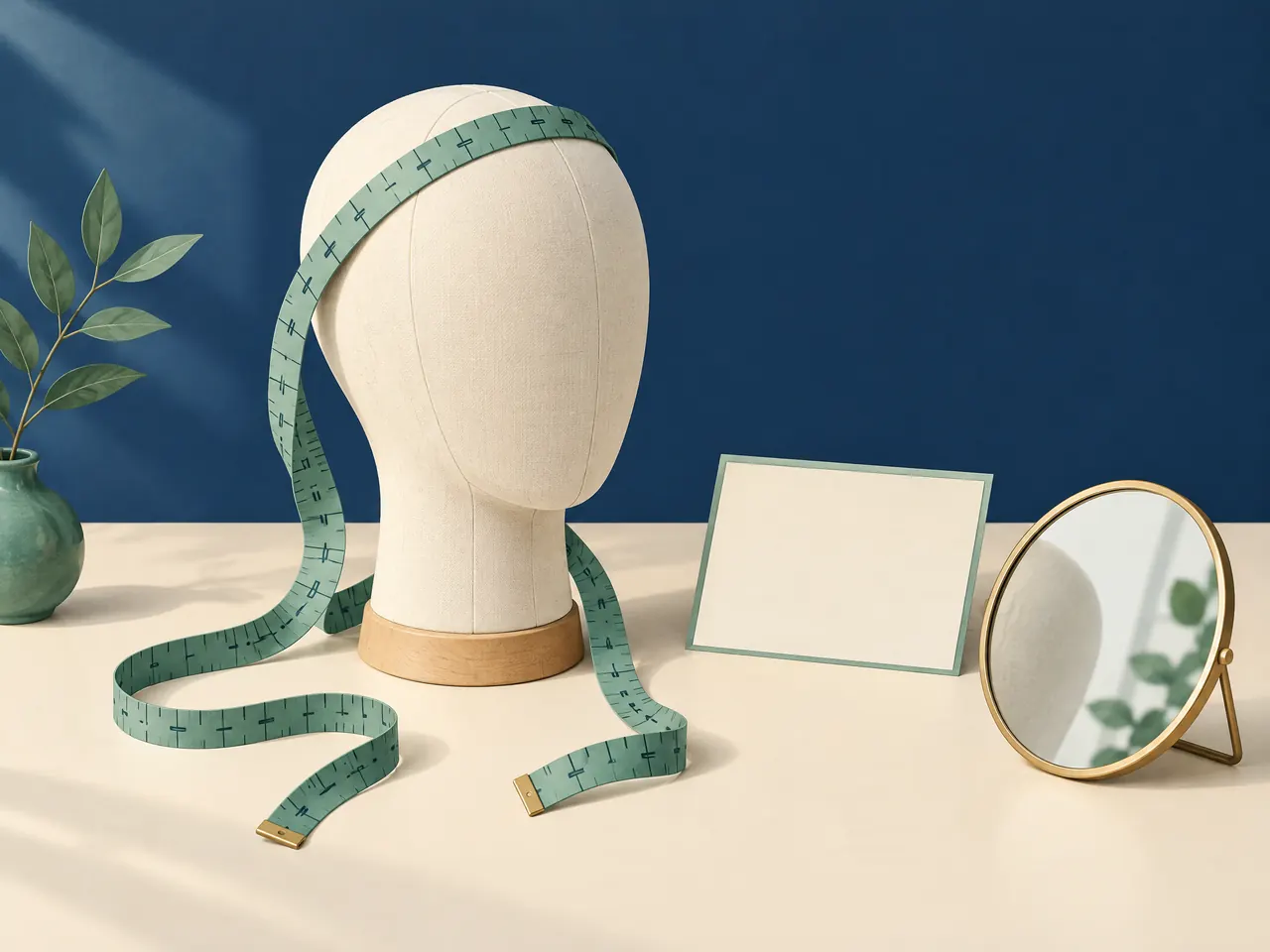
Mark the area you want covered on a reference photograph and ask which measurements remain outstanding. Keep your recorded values beside the diagram used to obtain them. If the seller requests another measurement, clarify its start and end points before sending a number. This makes a remote enquiry easier to resolve without pretending that a mannequin illustration is a personalised fitting guide.
Request an underside view that answers your fit questions
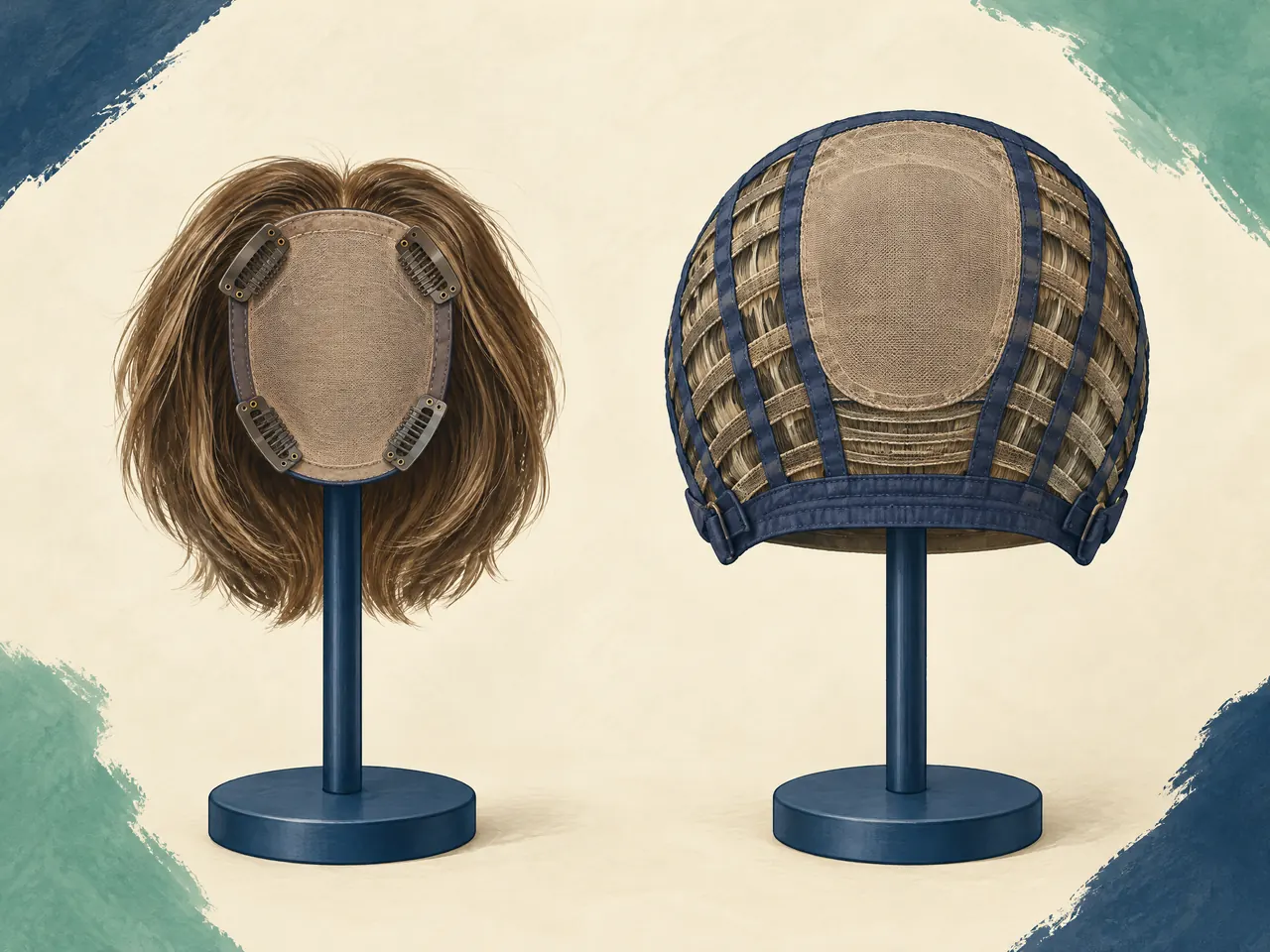
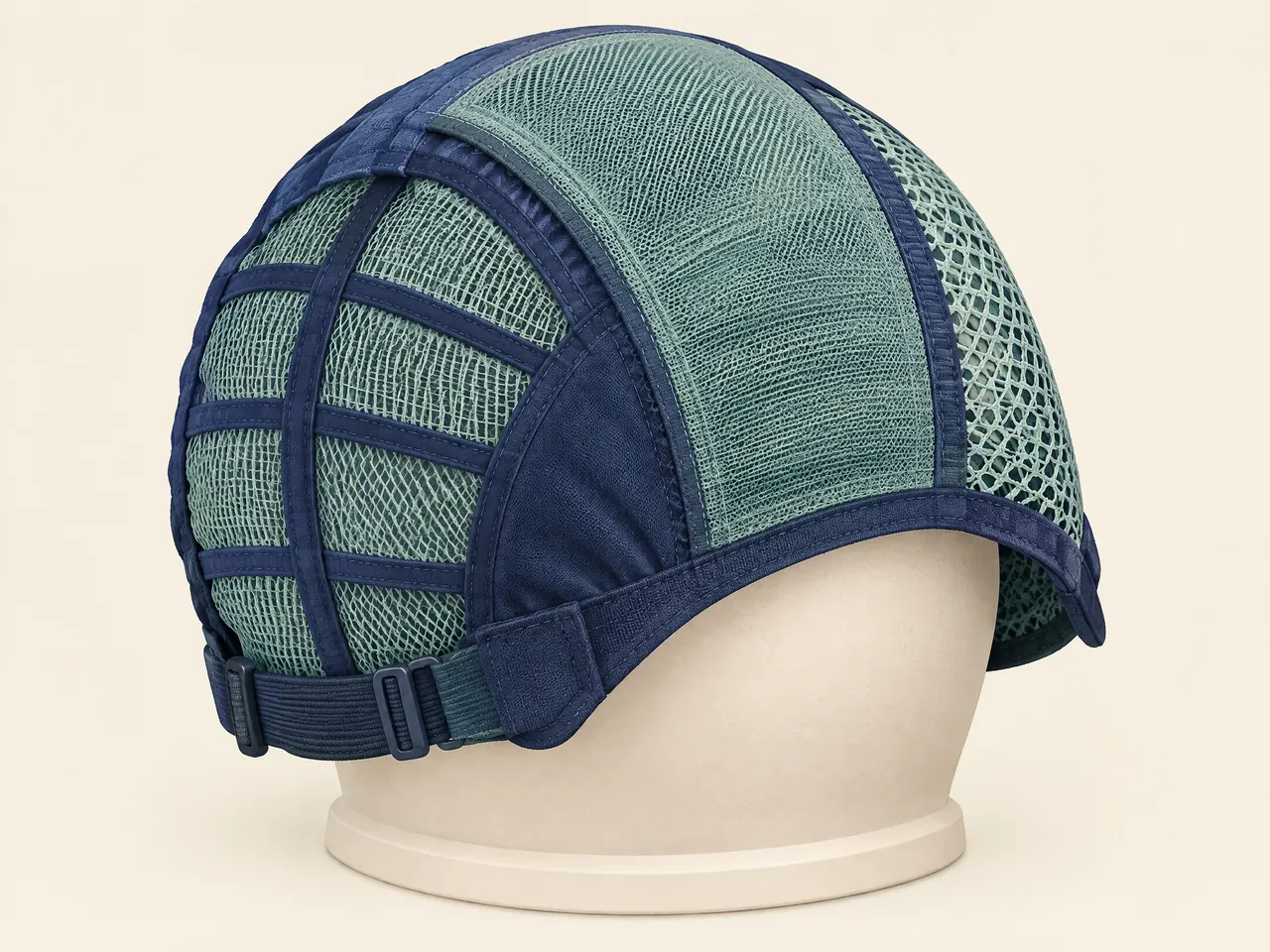
Ask for an interior view of the exact option, with the front and back identified. If your question concerns glasses, ask the seller to point out the relevant ear-area construction rather than sending another hairstyle photograph. If it concerns parting, request a view showing the panel's location. Cap terminology describes construction, not just the fibre used for the hair. [1]
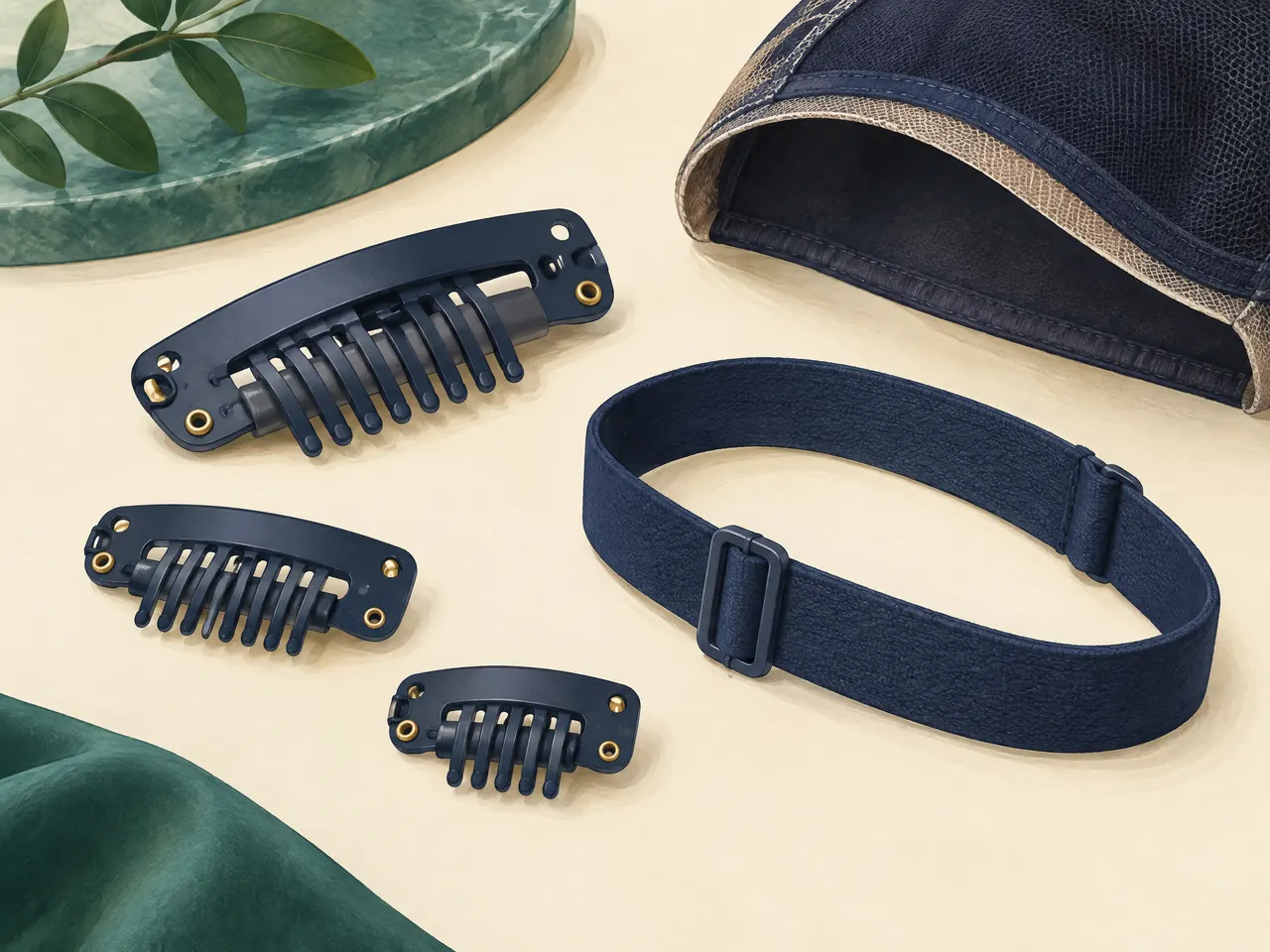
For visible clips or a band, ask which parts are supplied with this item, which are optional and what adjustment or removal instructions apply. Do not assume a generic illustration shows the quoted arrangement. Before committing, request clarification if the interior image, listing and written quotation appear to describe different options. Keep the seller's explanation with the item code so it is not accidentally applied to another candidate.
Keep sample identity attached to every comparison
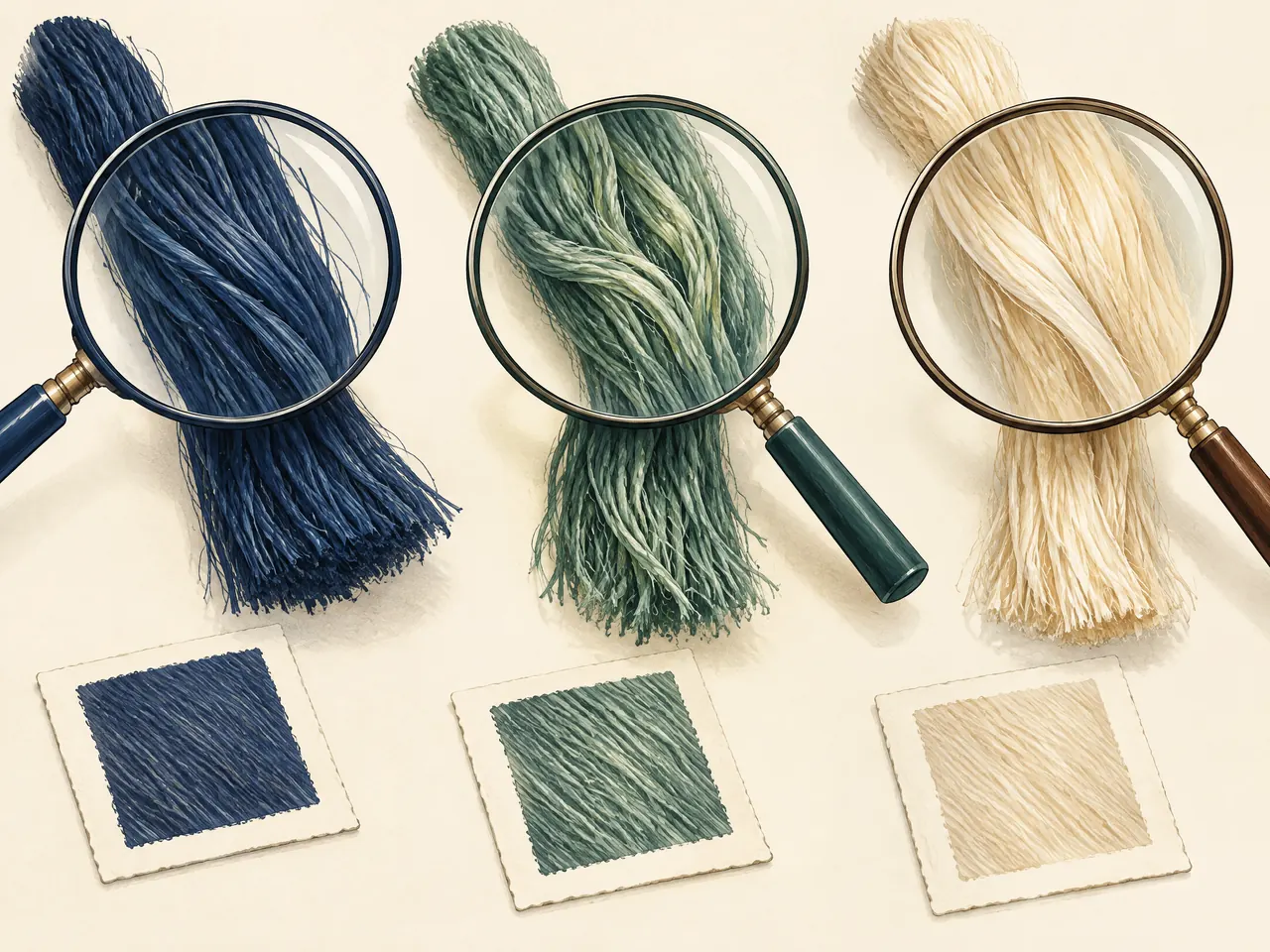
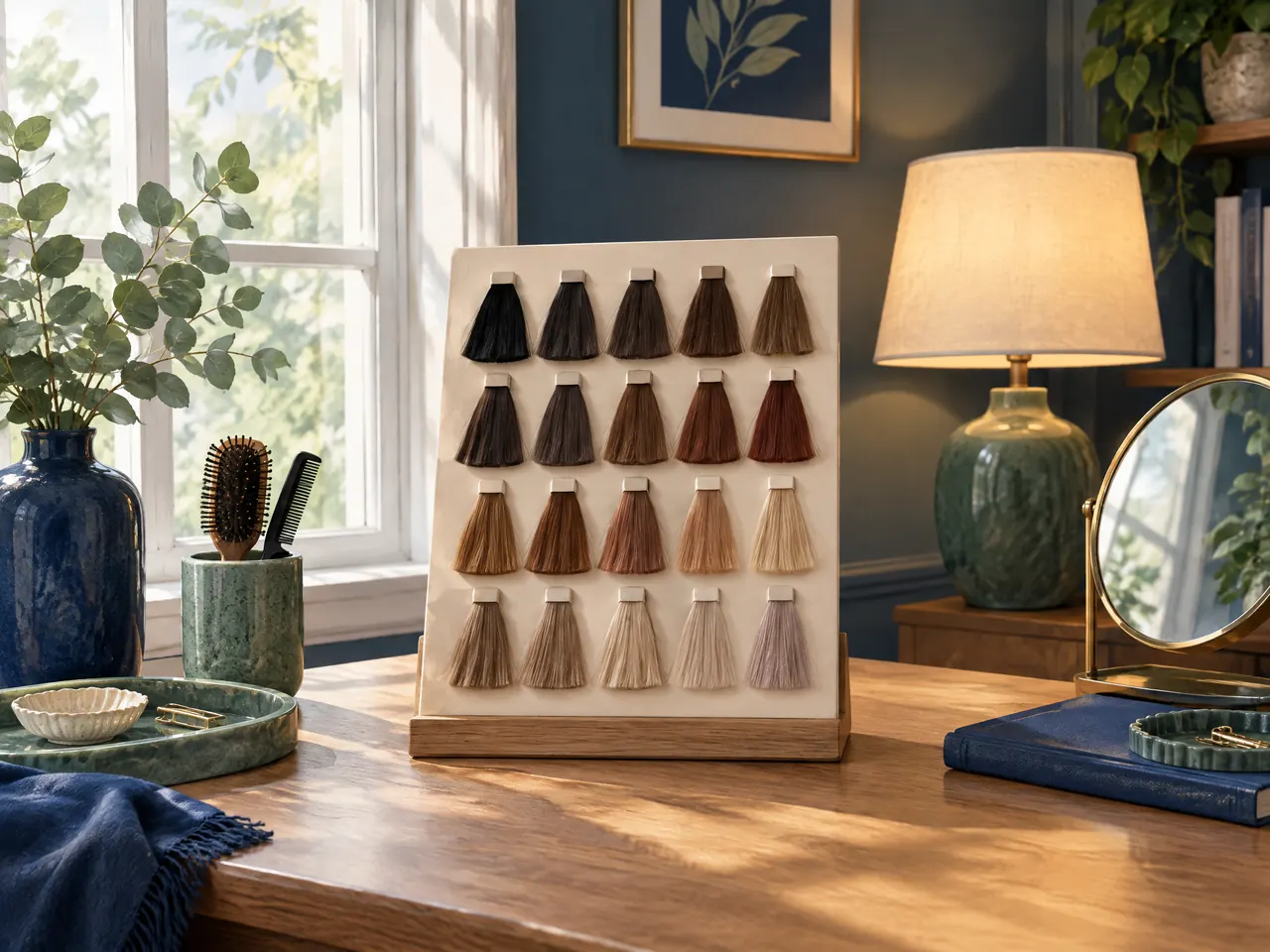
When a seller sends several swatch photographs, ask them to identify each sample in the accompanying message. Record the brand, shade code and fibre beside the image, and note whether it represents your selected item or only a general colour direction. A sample with an unknown identity can help describe a preference, but should not become the reference you approve for an order.
For example, if you like the root colour in one image and the lighter ends in another, describe both preferences and ask whether the selected shade actually combines them. Compare a relevant physical swatch in natural light where possible. [1] Save the confirmed reference with the quotation, keeping unresolved colour questions separate from confirmed fibre and care details. That record gives you something specific to compare with the delivered label during the prompt inspection recommended by the Consumer Council. [2]