
Prince Edward & Kwun Tong clinics · Home-visit enquiries elsewhere

TCM Lab

TCM Lab · Beauty & lifestyle / Materials and construction

Heat-friendly synthetic wigs: make the manufacturer’s instructions the starting point

Content updated

Before planning a curled fringe or a straighter finish, find the care sheet that belongs to the wig. The useful information is not just whether heat is mentioned, but which tools, working conditions and cooling steps the manufacturer actually permits.

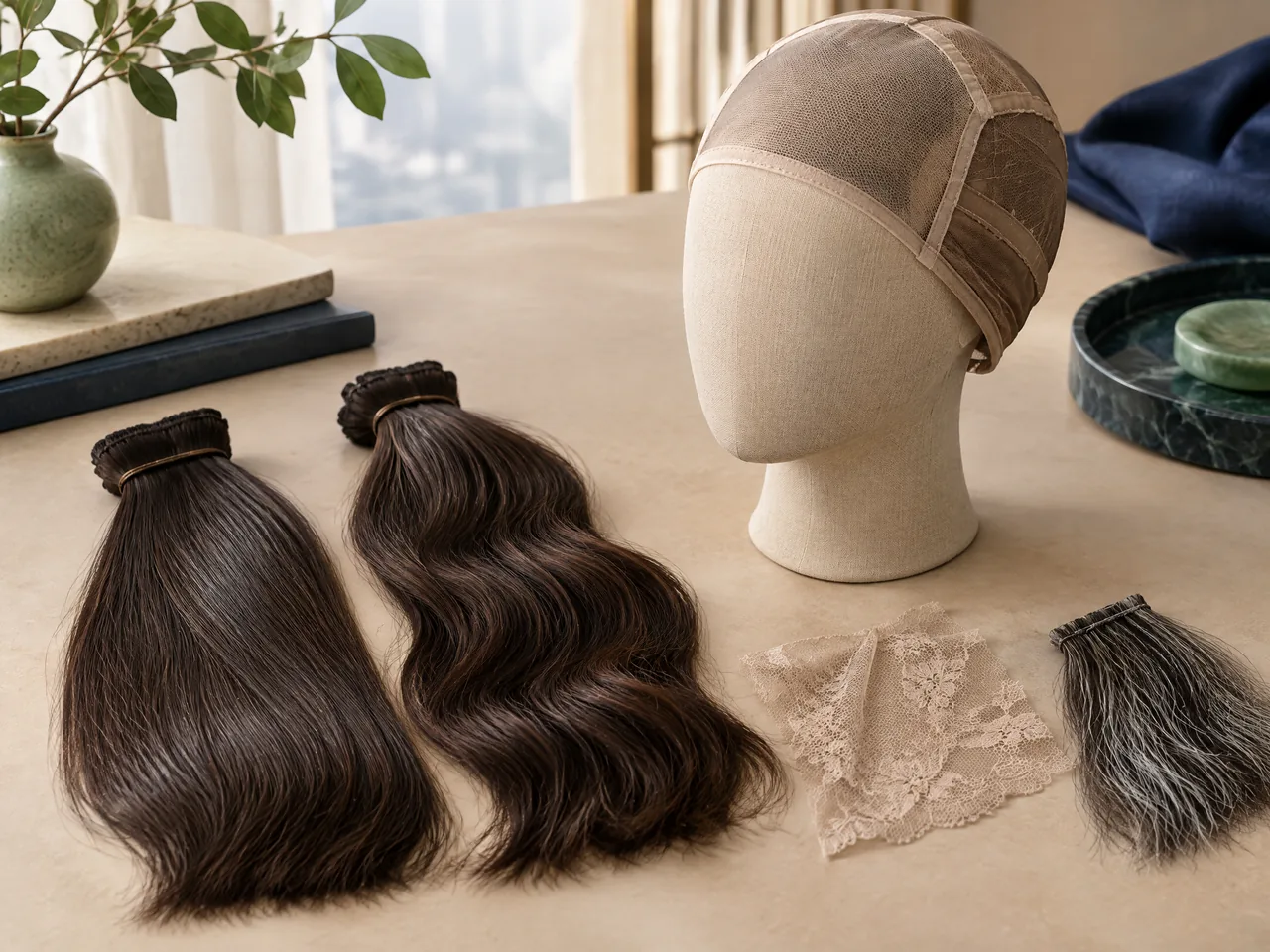
Illustrative hair materials, cap construction and grey colour swatches
Illustrative wig-lifestyle concept; not an OWNSTRAND product photograph or a client record.

The short answer

Heat-friendly means a particular synthetic fibre may allow specified heat styling; it does not supply a temperature for the whole category. Identify the exact brand, style and fibre, then follow its manufacturer's tool, temperature and method instructions. Distinguish a maximum limit from a recommended working setting. If the relevant directions are missing or contradictory, leave heated tools aside until the maker or seller clarifies them.

OWNSTRAND is an external wig and hairpiece website under the same ownership as TCM Lab. These appearance and everyday wearing guides are separate from Chinese medicine care, not diagnosis, treatment or a promise of hair growth.

Start with the fibre name, not the hairstyle photograph

A smooth bob and a loosely waved wig can look equally suitable for restyling in a photograph. That image does not identify what the strands can tolerate. Before buying, record the brand, style name and exact fibre description together. Keep the packaging label or request a photograph of it. This gives you something specific to match against the manufacturer's care guidance rather than relying on a shop's broad synthetic category.

Named fibres matter. HairUWear's instructions permit particular heated methods for Tru2Life, while its Kanekalon Vibralite instructions forbid thermal styling. Both are synthetic, and they appear within the same manufacturer's care information. This is a concrete reason not to borrow a routine from another wig simply because it has a similar cut or comes from the same brand. Read the heading above the instructions as carefully as the instructions themselves. [2]

When browsing OWNSTRAND's heat-friendly synthetic wigs, shortlist a shape you would enjoy wearing as supplied and ask for the matching care sheet before planning changes. Confirm availability separately; the page is browsing and enquiry context, not proof that a particular item is ready to collect. TCM Lab and OWNSTRAND share an owner, so this link is related-brand information rather than an independent recommendation. [4]

Separate the maximum limit from the working setting

A temperature printed beside a fibre description needs its surrounding sentence. Is it described as a maximum, a recommended working setting, or guidance for one particular tool? Jon Renau's HD care page states an upper limit separately from its recommended styling range. Those are different instructions, not interchangeable choices. The figures belong to that named fibre and should not become a general setting for another heat-friendly wig. [1]

Write down the permitted tool alongside the temperature guidance and its unit. Check whether your device displays Celsius or Fahrenheit before selecting anything. If a dryer is discussed, do not assume the same guidance also covers a heated brush or straightener. Jon Renau recommends digitally controlled styling tools for its HD fibre; a dial marked only low or high does not let you confidently match a specific written setting. [1]

When the product page and enclosed leaflet appear to disagree, send both to the seller and ask which current manufacturer instruction applies to your exact piece. Ask for a written answer rather than interpreting a casual assurance that it takes heat. Until the discrepancy is resolved, choose a non-heated styling option permitted by the care sheet. Guessing at a lower temperature is not a substitute for knowing whether the tool is allowed.

Read the whole styling sequence before switching on

Temperature is only one part of an instruction. Before starting, look for preparation requirements, approved products, section size, contact time and directions for cooling. Jon Renau's HD guidance includes detangling and a thermal spray within its styling sequence. HairUWear also specifies preparation and cooling for Tru2Life. Treat these as complete methods for their respective fibres, not as a menu from which to combine whichever steps seem easiest. [1] [2]

Cooling deserves room in your schedule. Both manufacturers describe letting a newly formed curl cool before releasing its support. If you want a different finish for an evening out, do not make the first attempt just before leaving home. Allow time to follow the specified sequence and examine the cooled result. Ask for a demonstration on the same fibre if managing the tool and curl support feels awkward. [1] [2]

HairUWear expressly warns against heat-styling Tru2Life while wearing it because the fibre gets very hot. [2] Plan the work away from your head and ask how to support the particular cap safely. Do not use an inconspicuous strand as a test to establish an unknown heat limit. A test cannot replace identification or written permission, and a first styling attempt should still follow the manufacturer's method.

Compare materials by the routine you want to keep

Heat-friendly synthetic fibre remains a synthetic material; heat permission does not make its care identical to human hair. HairUWear states that a heat-styled Tru2Life texture stays after washing. That matters if you expect a wash to restore the original curls automatically. Before changing the shape, ask how that specific fibre can be returned to your preferred finish and whether you would need help to do it. [2]

If frequent changes are central to your routine, compare the maintenance required by OWNSTRAND's human hair wigs as a separate option. The American Cancer Society notes that human-hair pieces generally require more maintenance than synthetic ones. Human hair is not unrestricted styling permission either: HairUWear warns that excessive heat can scorch its human-hair pieces and advises professional handling of chemical processes. Ask for each candidate's own care requirements rather than choosing by material prestige. [2] [3] [5]

During a fitting, compare the supplied silhouette before discussing restyling. Look at how the fringe sits when you put on your glasses and whether the length suits your everyday clothes. Then decide which change you actually want: perhaps a different fringe direction, rather than an entirely new curl pattern. A wig that already suits your usual look may be a more practical purchase than one requiring an ambitious first adjustment.

Keep fibre care separate from cap handling

The strands and the base need separate attention. HairUWear warns that lace fronts are delicate and should not be tugged or pulled. Jon Renau's HD flat-iron method also specifies keeping the tool away from the base. Neither instruction supports treating a heat-friendly label as permission to work freely around every part of the cap. Ask how to handle the fringe near its attachment without stretching the front or pressing a tool against it. [1] [2]

For everyday upkeep, use the combing and washing directions for your fibre. Jon Renau specifies a wide-tooth comb for HD, while HairUWear's Tru2Life guidance addresses gentle detangling and regular attention to the nape on longer styles. [1] [2] Check that area after removing the wig, especially if it has been resting against a collar. If it feels tangled, use the approved routine rather than assuming another heated pass is the next step.

Controlled styling permission also does not make household heat harmless. HairUWear warns that sudden heat from opening an oven can damage even heat-friendly synthetic fibre, and that hot wash water can damage Tru2Life. [2] Keep cooking heat separate from your styling plan. If an accidental exposure leaves a visible change, stop experimenting and ask the seller or a wig-care professional to assess the piece.

Make the care sheet part of your buying decision

Send a focused enquiry before paying: name the exact style and fibre, identify the tool you own, and explain the adjustment you hope to make. Request the manufacturer's instructions for that combination. Also ask which care products are required and whether a styling demonstration can be arranged. A general yes to heat styling is less useful than a clear explanation of the permitted method and the work involved.

Compare the whole routine with the time you actually have. Consider where you would dry the wig, how you would store it and whether you want to manage cooling and detangling yourself. Check the seller's return or alteration terms before requesting a cut or heat adjustment; the American Cancer Society advises checking return policies before purchase. [3] Keep the care sheet with your order details so that the next wash or styling session begins with the same reliable information.

Take it into everyday life

A practical checklist

  • Save the exact brand, style name and fibre wording from the product label.
  • Obtain the matching manufacturer's care sheet before paying or applying heat.
  • Identify the permitted tool and distinguish the maximum limit from the recommended working setting.
  • Check the temperature unit on both the care sheet and your device; ask for clarification if you cannot match them.
  • Read preparation, product, contact-time and cooling instructions as one complete method.
  • Confirm how to support and handle the cap safely; do not heat-style a piece on your head.
  • Ask how the new texture behaves after washing and how a preferred finish can be restored.
  • Confirm current availability, demonstration arrangements and return or alteration terms for the individual item.

Questions & answers

What temperature should I use if the listing only says heat-friendly?

Do not choose a temperature from that label alone. Request the manufacturer's care sheet for the exact brand, style and fibre, and identify the tool it covers. A stated ceiling may differ from the recommended working setting, as Jon Renau's HD guidance illustrates. If those details are unavailable, leave heated tools aside rather than testing a setting borrowed from another product. [1]

Can I use the same instructions for two synthetic wigs from one brand?

Only if the manufacturer confirms that the instructions apply to both exact pieces. HairUWear's Tru2Life guidance allows specified heat styling, while its Vibralite guidance forbids thermal tools. The brand name and a similar hairstyle therefore are not enough to establish compatibility. Match the fibre heading on the instructions to the label on each wig. [2]

Will washing bring back the original curls after I straighten a heat-friendly wig?

Do not assume that it will. HairUWear states that heat-styled Tru2Life retains its new texture after washing. Other fibres need their own instructions checked. Before changing a style, ask how the particular piece can be returned to your preferred texture and whether that process is something you can manage or would prefer a professional to handle. [2]

Can heat-protectant spray make an ordinary synthetic wig suitable for a straightener?

An approved spray is a step within a permitted method, not permission to heat a different fibre. HairUWear specifies a protectant for Tru2Life but separately prohibits thermal styling on Vibralite. If your piece's instructions do not authorise the tool, adding spray does not override them. Check both the fibre and the product compatibility before considering any styling method. [2]

Does a heat-friendly fibre label tell me whether the cap will fit comfortably?

No. Fibre styling guidance and cap fit answer different questions. Check the individual brand's sizing information and assess the piece in the way you intend to wear it, including with glasses if relevant. The American Cancer Society advises checking brand-specific size guidance. During a fitting, ask about the cap's handling requirements as well as its comfort; heat permission does not establish either. [3]

Sources & further context

Numbered references follow the source order below. Product and service websites provide appearance-related context, not medical evidence.

  1. [1] Jon Renau — Care and Tips for HD Fiber
  2. [2] HairUWear — Raquel Welch Colors & Care
  3. [3] American Cancer Society — Wigs for Hair Loss
  4. [4] OWNSTRAND — Browse Heat-Friendly Synthetic Wigs
  5. [5] OWNSTRAND — Human Hair Wigs: Choosing an Option That Suits You

Check the comb as carefully as the heated tool

If you already own a dryer with a diffuser and a round brush, describe that whole combination when requesting care advice. Jon Renau's HD guidance allows gentle blow-drying using only a wide-tooth comb and favours air drying. Permission to use a dryer therefore does not establish permission to use your usual brush alongside it. Ask which handling tool belongs to the approved method before buying extra attachments. [1]

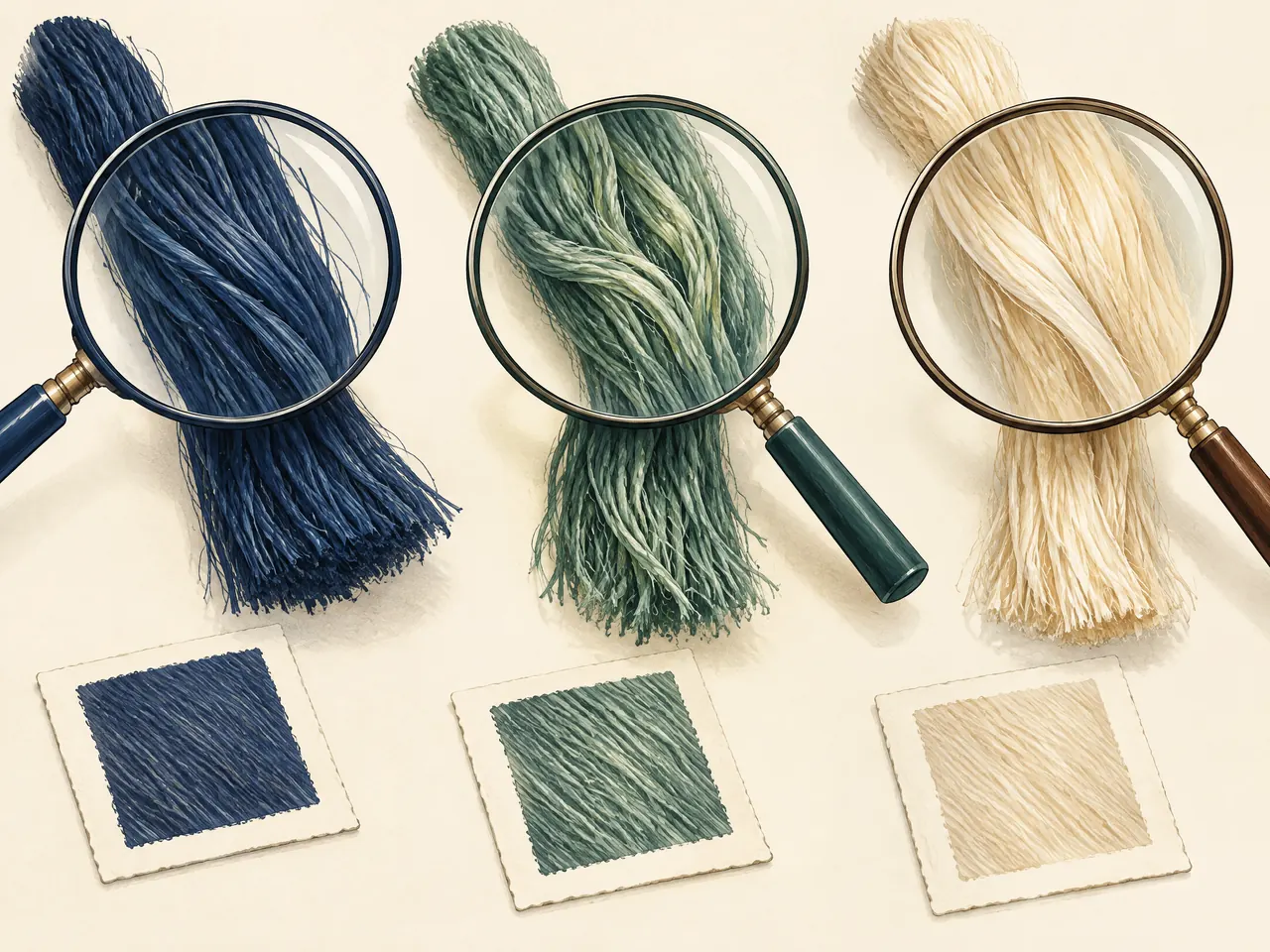
A loose fibre sample can help you show the finish you want, but its appearance cannot authenticate a wig's material. Keep the sample or reference photograph separate from the exact product label. One communicates your preference; the other identifies which instructions must apply.
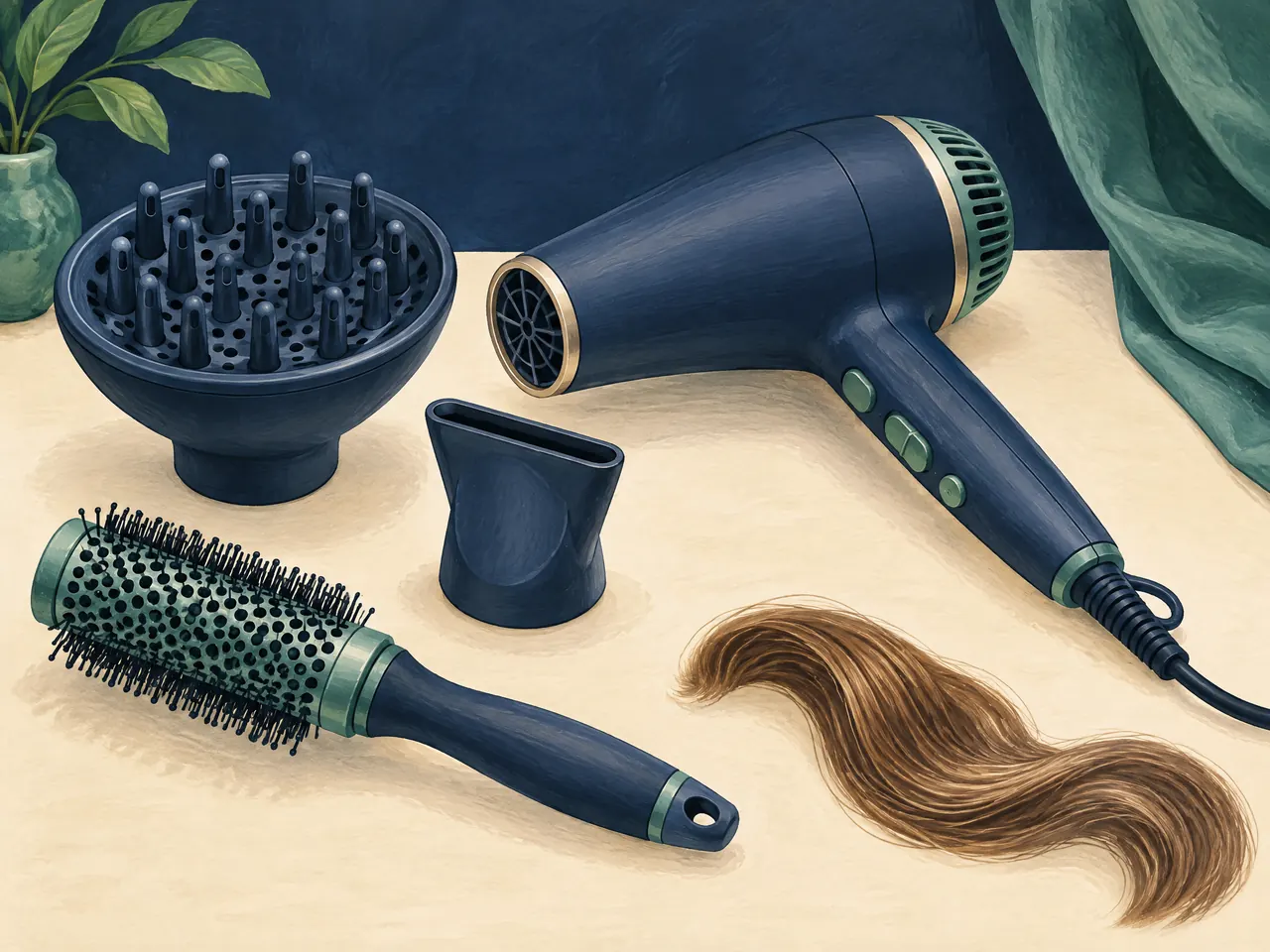
An unplugged dryer with a diffuser and nozzle beside a round brush and a loose practice hair tress
Illustrative tool comparison: the dryer, attachment and brush each need checking against the exact fibre's instructions; this is not an approved equipment set.Generated illustrative image
Three separate anonymous fibre bundles under a magnifying lens beside unlabelled sample cards
Illustrative material samples show what to ask about, not a way to identify a product's fibre or heat tolerance by sight.Generated illustrative image

Ask to see sectioning before heat is applied

During a demonstration, ask the stylist to show the planned sections before switching on the tool. Identify where each section begins and how its support will avoid pulling the cap. Jon Renau's HD method specifies section size and cooling support; those details should come from the matching method, not from a generic mannequin diagram. If you cannot manage the support comfortably, ask about having that adjustment done for you rather than improvising at home. [1]
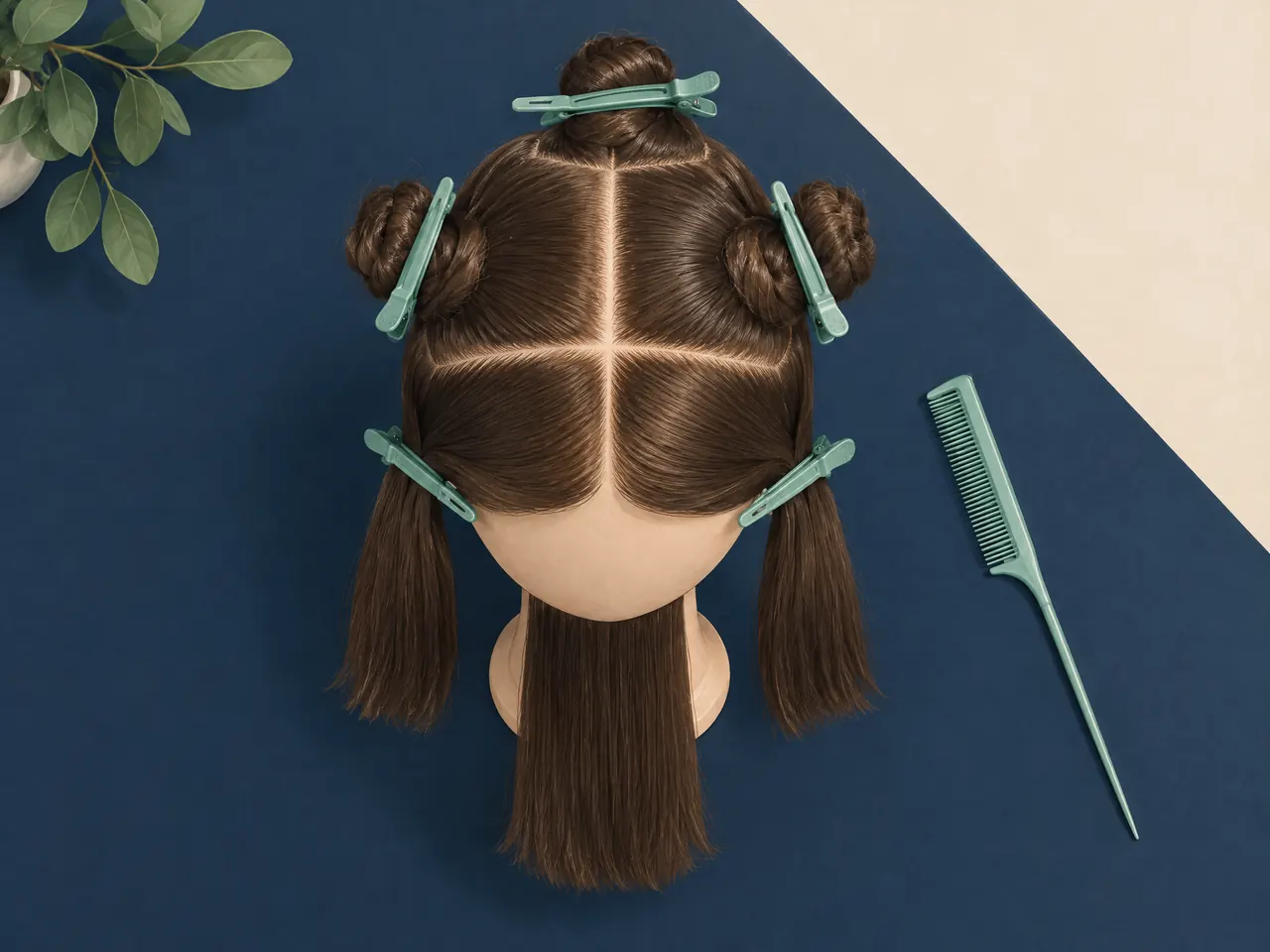
A faceless practice mannequin viewed from above with hair divided into clipped sections and a tail comb beside it
Illustrative sectioning vocabulary, not a prescribed wig-styling method; confirm the section size, handling tools and support suitable for your own piece.Generated illustrative image

Separate detangling from arranging a dry curl

Ask whether the same handling instruction applies before washing and after a curl has dried. HairUWear's Tru2Life pre-wash directions describe working gently from the ends towards the base with fingers or a wide-tooth comb, without a brush. Its guidance for maintaining dry wavy or curly textures instead calls for finger styling and warns that combing or brushing dry hair can loosen the texture. These instructions address different stages, so a broad instruction to comb regularly needs context. [2]

Have the person demonstrating care identify both stages on your chosen texture. Clarify what to do if the nape tangles without disturbing the rest of the curl pattern. A straight, wavy or curly sample illustrates the question but cannot establish which routine your particular fibre permits.
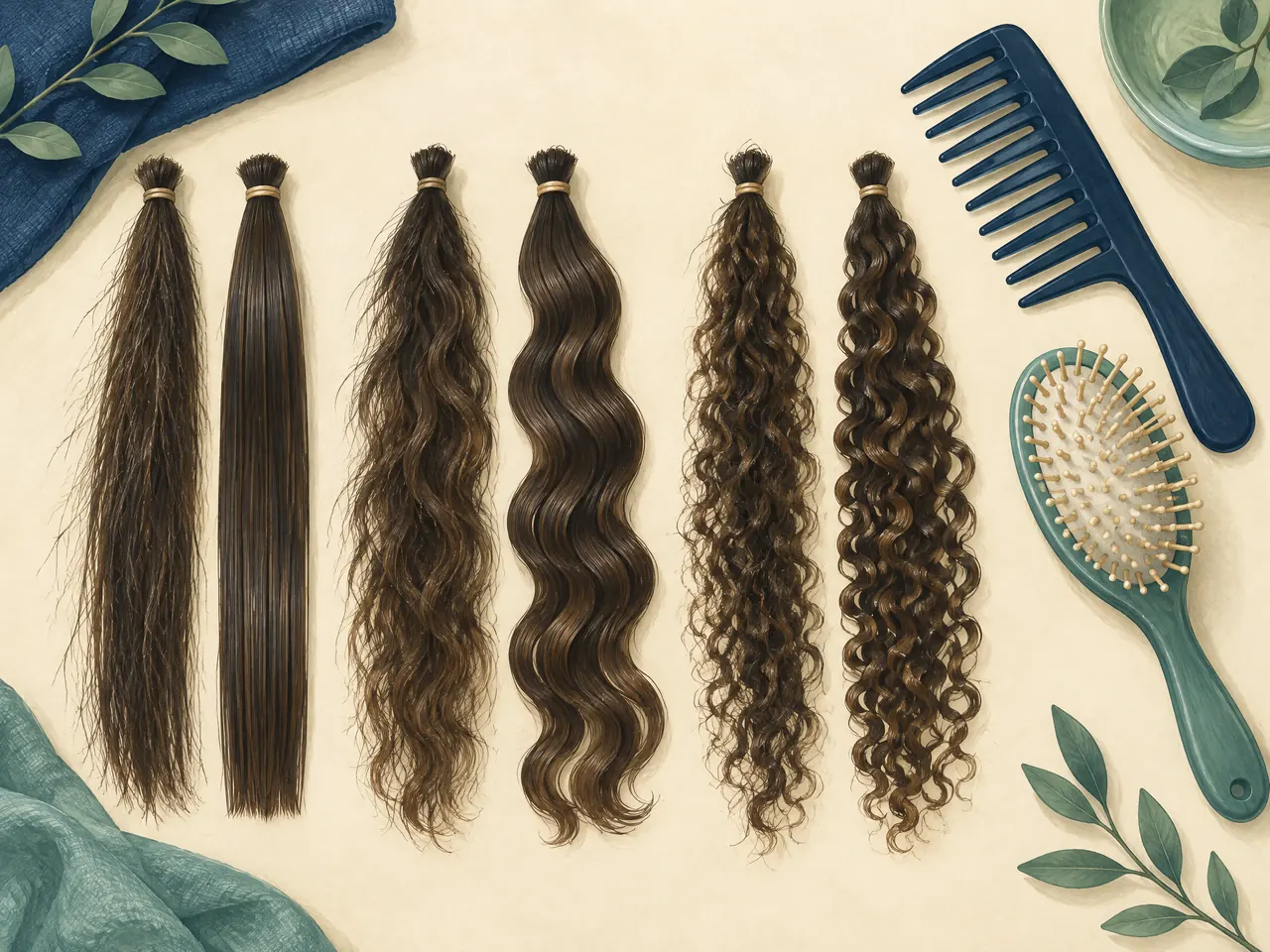
Separate straight, wavy and curly practice tresses beside a wide-tooth comb and a soft brush
Illustrative textures and handling tools; the brush is shown for comparison, not as a recommended tool for Tru2Life pre-wash care or dry curls.Generated illustrative image

Confirm the wash-to-dry setup before the first wash

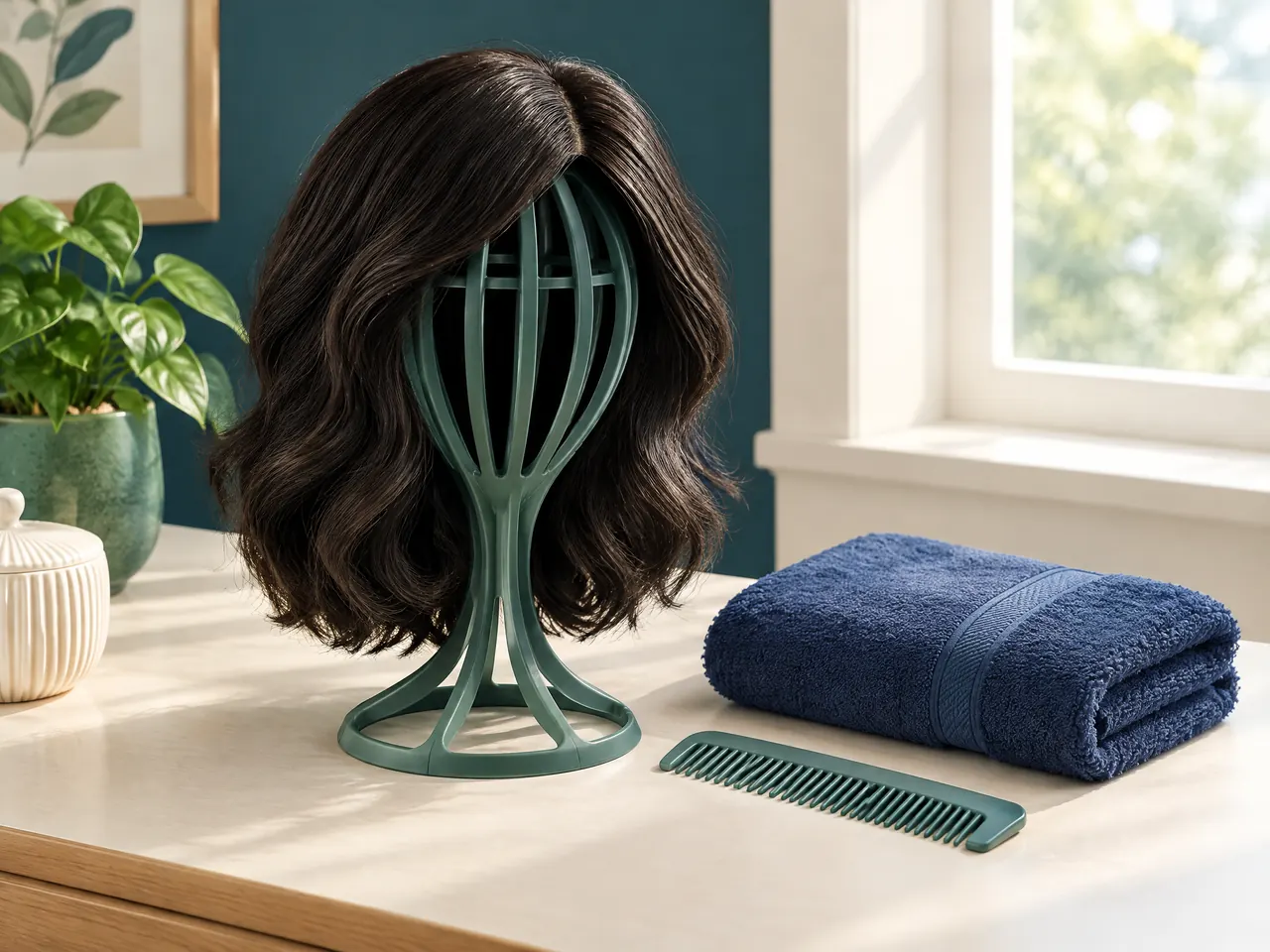
Read the drying instructions while assembling the washing equipment, not after the wig is wet. HairUWear's Tru2Life directions specify cool water, gentle towel pressing rather than twisting, and a wig stand for drying. They warn against drying a wig on a solid form or mannequin head because the cap may overstretch. A form used to discuss sectioning is therefore not automatically suitable for drying. [2]

Ask the seller to identify the suitable support for your exact piece and where any approved conditioner should be applied. HairUWear warns against applying its RESTORE product directly to hand-tied areas. An unlabelled bottle in an illustration is not a product recommendation, and fibre care instructions should not be extended to delicate attachment areas without checking. [2]
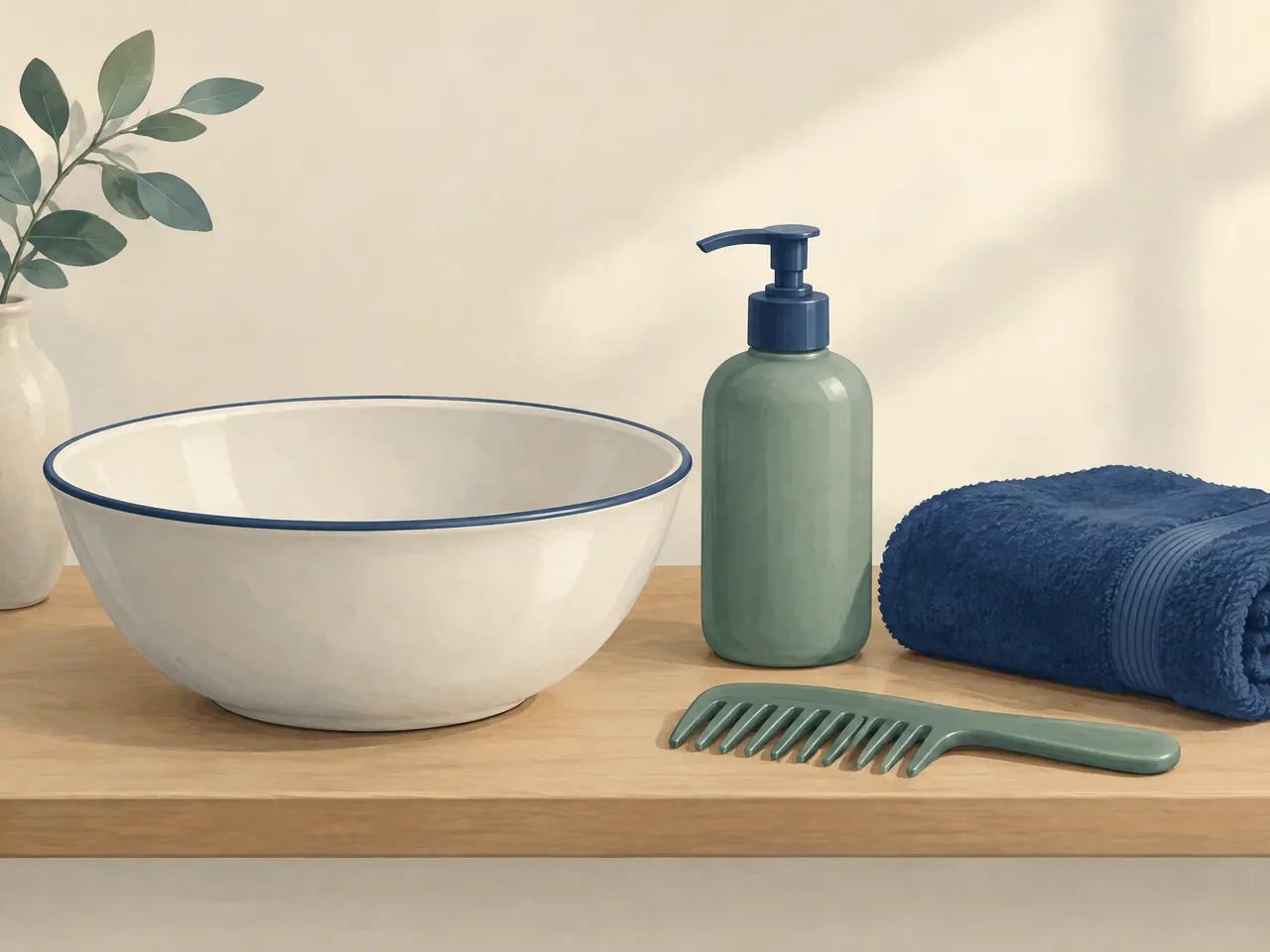
A plain wash basin with an unbranded pump bottle, folded towel and wide-tooth comb
Illustrative washing equipment; confirm the water conditions, approved products and application areas in the matching care sheet.Generated illustrative image
An anonymous wig on an open ventilated stand beside a folded towel and comb near indirect daylight
Illustrative drying support, not an OWNSTRAND product photograph or a guarantee that this stand suits every wig or hairpiece.Generated illustrative image

Clinic enquiries

Contact and appointment arrangements

Clinics
Prince Edward and Kwun Tong
Opening hours
11:00–21:00
WhatsApp and telephone
+852 6940 5663

Appointments, practitioner availability and service arrangements are confirmed via WhatsApp.

Please mention any consultation language needs in your WhatsApp enquiry so that arrangements can be confirmed.

Enquire via WhatsApp
Food, gifts and floral lifeWhatsApp enquiry