Prince Edward & Kwun Tong clinics · Home-visit enquiries elsewhere

TCM Lab

TCM Lab · Beauty & lifestyle / Hair toppers

A widening part: choose topper coverage before choosing extra volume

Content updated

When the part is your main concern, a fuller hairstyle is not the same as adequate coverage. Map the area you want concealed, check where the base and fastenings would sit, then decide how much added hair feels like you.

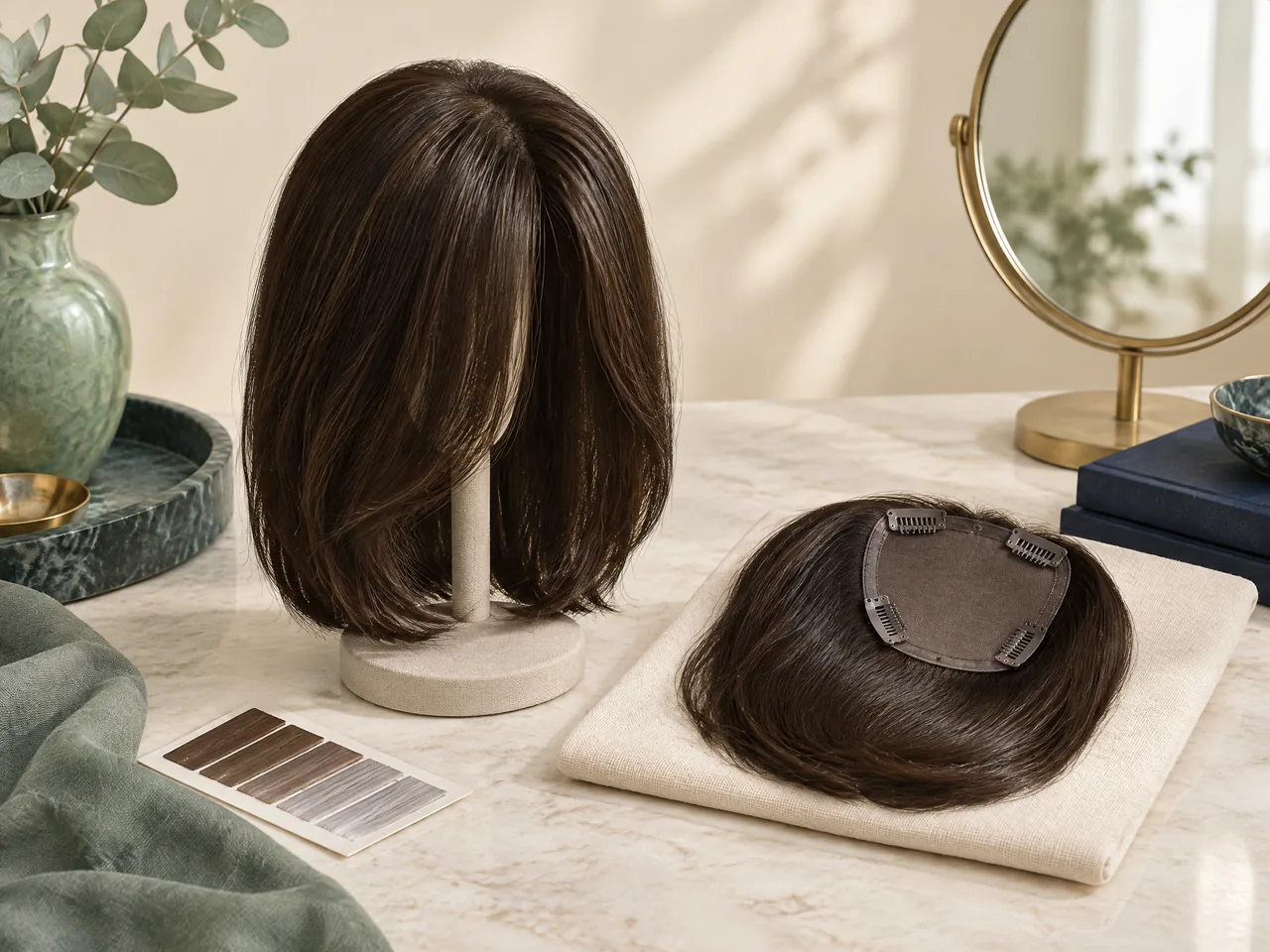
Illustrative hair topper and removable hairpiece
Illustrative wig-lifestyle concept; not an OWNSTRAND product photograph or a client record.

The short answer

Start with the length and width of the area you want covered, not the volume shown in a hairstyle photograph. Compare that area with the exact topper's base outline and attachment positions. For clip-in designs, the surrounding hair must be able to support the piece. Check coverage and comfort during movement before choosing density, colour or fibre. Compare a full wig if local attachment or blending is impractical.

OWNSTRAND is an external wig and hairpiece website under the same ownership as TCM Lab. These appearance and everyday wearing guides are separate from Chinese medicine care, not diagnosis, treatment or a promise of hair growth.

Describe what you see without diagnosing it

Wear your hair in its usual part before taking notes. With help from a mirror or a trusted person, identify where visible scalp begins and ends. Does the concern run along a narrow line, widen towards the crown, or extend to either side? Take a top view and a back view in consistent lighting. These are useful records for discussing appearance; they are not a way to identify a medical condition or predict future hair loss.

The American Academy of Dermatology notes that a widening part can occur with female pattern hair loss, but other causes can look similar. If the change is new or concerning, arrange an assessment with a dermatologist rather than relying on a shop consultation. Choosing coverage can be a separate decision while you seek advice. A topper changes what is visible; it does not regrow hair or treat the reason for a change. [1]

For product browsing, OWNSTRAND's hair topper for widening part guide is a relevant starting point. Bring your observations rather than asking for the fullest piece available: explain whether you want the part less noticeable while retaining your current haircut. TCM Lab and OWNSTRAND share ownership, so these links are provided as related commercial information, not an independent endorsement.

Measure the coverage area and the attachment area

Two different boundaries matter: the area you want concealed and the area where the piece can be supported. For a clip-in topper, measuring only the visible line can overlook the surrounding hair needed for fastening. Jon Renau's measuring guidance starts and ends measurements in hair sufficient to support the piece's weight, then considers front-to-back and side-to-side coverage. Its fitting allowance belongs to its own guidance, not a universal rule for every brand. [2]

Use a flexible tape gently, without pulling hair taut. Record the front and back landmarks, the widest side-to-side span and the units. Keep a sketch showing which direction is the front; a pair of numbers without orientation can be misleading. Ask the fitter to check the intended attachment positions separately. Do not assume hair that hides an edge can necessarily support a clip comfortably.

When comparing hair topper base size, ask whether the listed figures describe the base itself rather than hair length. Request the outline and underside view as well as dimensions. If your notes sit between two options, compare how each places its edges and clips; neither automatically rounding up nor choosing the smallest base resolves that question.

Check the ends of the part, not just the centre

A topper can look convincing from the front while leaving the rear end of a long part outside the intended coverage. At the fitting, ask to see the base position before the hair is arranged over it. Check the front endpoint, the crown and both sides. A longer narrow footprint and a broader rounded footprint may place their edges differently even when their advertised dimensions seem close.

Next, try your normal movements with the piece fitted according to its instructions. Turn towards each shoulder, look down as you would at your phone, and arrange the hair behind your ears if that is how you wear it. Ask someone to check the rear transition. Separate an uncovered area from a styling problem: adding hair volume cannot change the base outline or move an attachment point.

For clip-in designs, report tugging instead of accepting it as the price of a secure fit. Jon Renau specifically stresses checking the hair at attachment sites and warns against placing a piece where that hair cannot support it. If the support points are unsuitable, discuss another base or coverage option rather than fastening more tightly. Revisit measurements when placement or comfort changes. [2]

Choose added fullness only after coverage works

Once a base covers the intended area and sits comfortably, compare the amount of added hair. Look at the balance between the top and your own sides and ends, not only the part close-up. Ask to see the hair arranged in your everyday shape rather than a heavily styled display look. If trimming or thinning is proposed, clarify who would do it and whether alterations affect the return terms before agreeing.

Colour and texture need a separate check. Compare a sample against the hair that will remain visible around the piece, including its roots and lengths. The American Cancer Society recommends natural light for colour comparisons and notes that human-hair pieces generally require more maintenance than synthetic ones. Use those points to discuss your routine, not to assume that one fibre will provide a better match. [3]

If you are considering a human hair topper, ask about the named style's care instructions and confirmed base construction. OWNSTRAND's category page says that human hair alone does not establish Remy status, styling permissions or supply. A preferred fibre is not a reason to overlook an unsuitable footprint, and a category listing is not confirmation that your colour and size are available. [4]

Keep a full wig in the comparison

A topper is not automatically the easier choice because it is smaller. It adds coverage and volume at the top, while a full wig covers the head, as the American Cancer Society explains. [3] If you want your own sides and length to remain visible, partial coverage is worth exploring. If the concern extends beyond the topper's footprint, compare full coverage rather than asking one local piece to do a different job.

The hair topper vs wig comparison can help you frame a fitting request: ask to compare both if local attachment or matching surrounding hair seems difficult. Check the time you need to put each on, its comfort with your glasses and the finished shape from behind. A full wig needs its own cap sizing and fitting; do not carry over topper measurements. Neither choice diagnoses the severity of hair loss or commits you to wearing it every day.

Leave the fitting with a specific decision

Bring your coverage notes, photographs and the accessories you regularly wear. Ask whether the exact styles can be viewed or tried before travelling; a web listing does not establish sample availability. OWNSTRAND has one shop in Kwun Tong, at Room 2103, Lee Po Time Centre, 50 Hoi Yuen Road. Confirm arrangements rather than assuming every catalogue option is there to try.

Before paying, write down the model, base dimensions, colour and attachment method. Ask for care instructions and the return or alteration terms; checking return policies is also part of the American Cancer Society's buying advice. [3] Your final question should be practical: can you reproduce this comfortable placement and coverage yourself? Ask for another demonstration if the answer is unclear. The aim is a manageable everyday choice, not simply an attractive shop-mirror photograph.

Take it into everyday life

A practical checklist

  • Photograph your usual part from above and behind in consistent lighting; note the area you want covered.
  • Record front-to-back and side-to-side measurements with units, landmarks and orientation.
  • Ask to see the exact base outline and underside, including attachment positions.
  • For clip-in designs, have the fitter check the supporting hair and report any tugging.
  • Check both ends of the part and the rear blend while looking down and turning your head.
  • Compare fullness, colour and texture only after coverage and comfortable placement are established.
  • Confirm the exact style's supply, sample arrangements, care directions and return or alteration terms.

Questions & answers

Should I measure only the width of the visible part?

No. Note its front-to-back extent as well as the widest area you want concealed, then discuss where the fastenings would sit. A short width measurement can miss a longer line or crown area. For a clip-in piece, supporting hair around the concern matters too; ask the fitter to check it rather than treating your home measurements as a final size. [2]

If I am between two base sizes, is the larger one safer?

Not automatically. Compare the outlines and attachment positions on your head. A larger base may reach more suitable supporting hair, but its edges still need to work with your hairstyle. Ask to see where both options sit and check comfort in movement. Do not decide by size label or by the extra hair shown in a product photograph.

Can extra density make up for a base that misses the back of my part?

Extra hair may change the styled appearance, but it does not change the foundation's dimensions or fastening positions. Ask to inspect placement before styling and check the rear endpoint with a mirror or helper. If coverage relies on keeping a particular arrangement perfectly still, compare a different footprint before adding more fullness.

What should I do if a clip tugs even though the topper looks right?

Stop wearing it in that placement and ask for the attachment and supporting hair to be reviewed. Do not keep tightening it to prevent movement. The manufacturer's guidance emphasises hair sufficient to carry the piece at the clip sites. A different base or coverage option may be worth comparing; appearance alone does not establish a comfortable fit. [2]

Does a widening part tell me which topper I need or why my hair changed?

It gives you an appearance concern to describe, not a diagnosis or a product prescription. Similar-looking changes can have different causes, and a dermatologist can assess them. [1] Topper selection instead considers the area to cover, attachment, blending and your preferences. You can seek cosmetic coverage and professional medical advice separately; a topper does not treat hair loss.

Sources & further context

Numbered references follow the source order below. Product and service websites provide appearance-related context, not medical evidence.

  1. [1] American Academy of Dermatology — Thinning hair and hair loss: Could it be female pattern hair loss?
  2. [2] Jon Renau — All About That Base
  3. [3] American Cancer Society — Wigs for Hair Loss
  4. [4] OWNSTRAND — Human Hair Topper Options for Women in Hong Kong

Use a separate fit record when trying a full wig

If you compare a full wig, make a second fit record rather than writing its size beside the topper's base width as though the figures were interchangeable. The American Cancer Society describes circumference, front-to-back and side-to-side measurements for full-wig sizing and advises checking the particular brand's chart. [3] Ask the fitter to identify those measurements for the named wig. Record the cap size and any liner used during the fitting, so a later comparison refers to the same setup rather than just a familiar size label.

Ask to see the empty cap's interior and the topper's underside separately. Note where the full cap sits around your head and where the local topper ends. Then compare each with the hairstyle arranged for ordinary wear. Keep coverage observations separate from adjustment notes: an attractive finished shape does not tell you which cap or base was used, or whether you can reproduce its position.
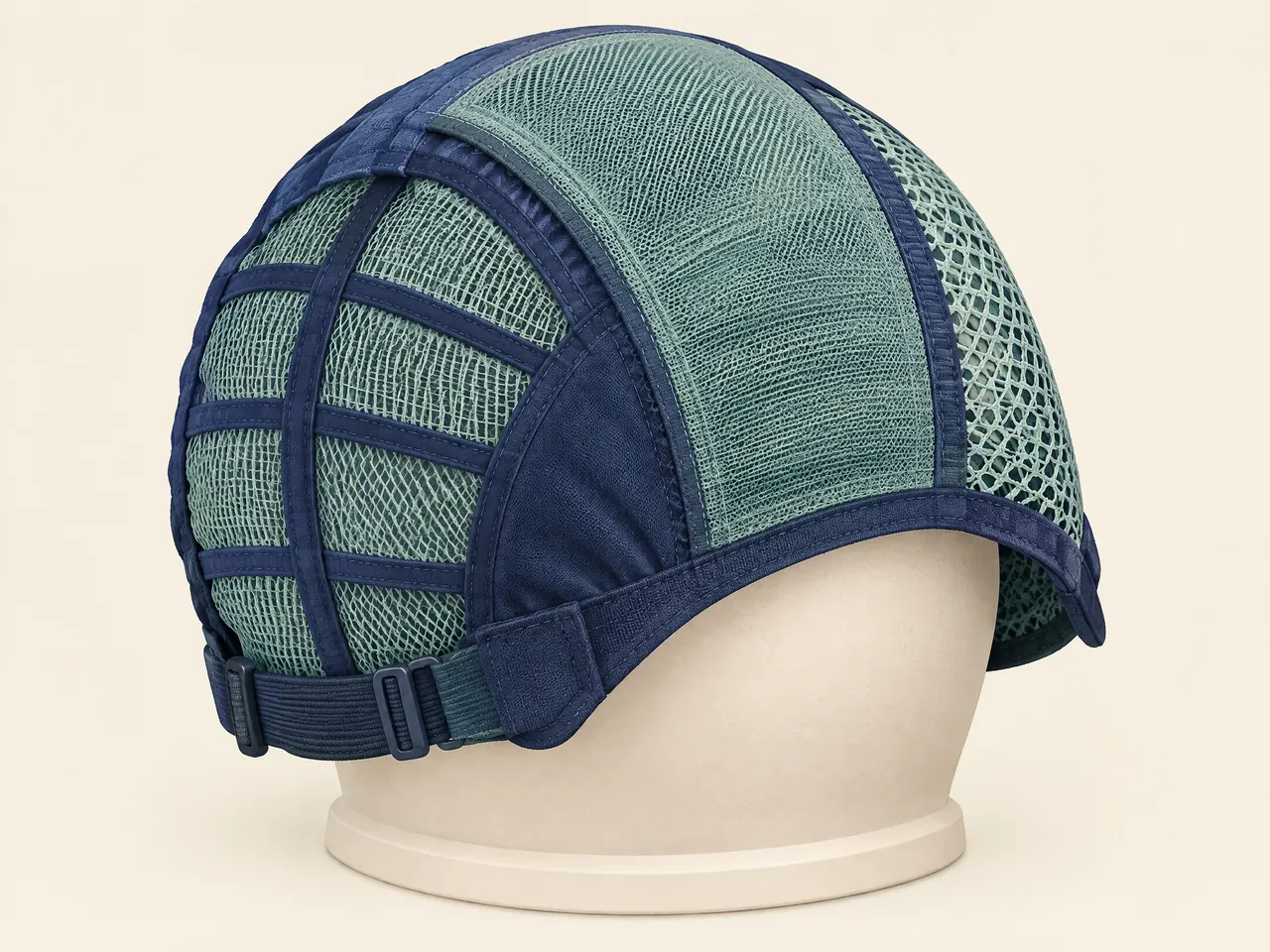

Inside-out generic wig cap on a dome stand, showing mesh panels and an adjustable band
Illustrative cap interior for discussing construction and adjustment; not the specification of a particular wig.Generated illustrative image
Fabric measuring tape around a blank mannequin dome beside a fit-note card and mirror
Illustrative whole-head fitting equipment. Full-wig sizing needs its own record, separate from topper base dimensions.Generated illustrative image
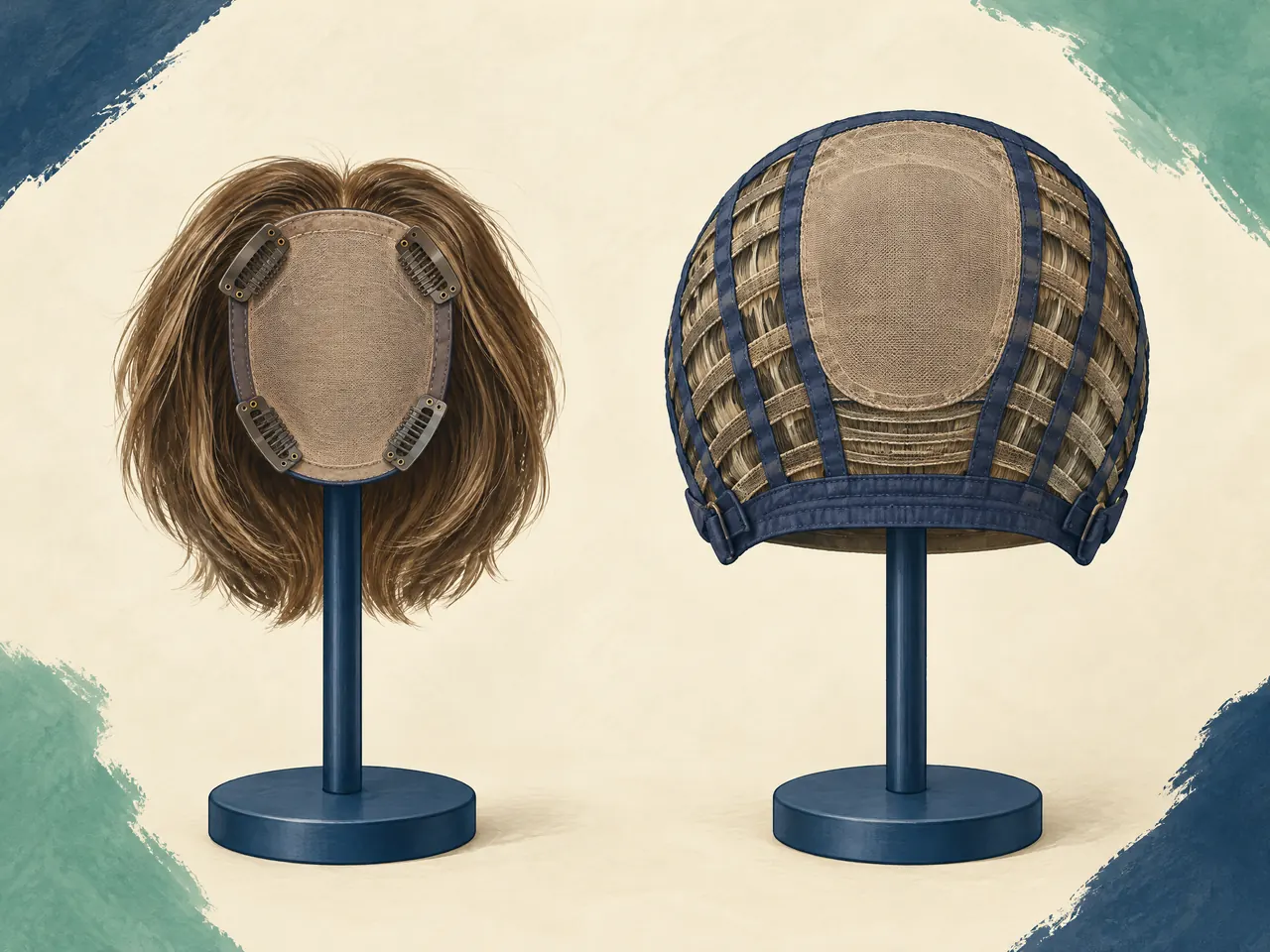
Generic removable topper and full empty wig cap on separate stands with their undersides visible
Partial and full-cap objects shown separately to support coverage questions; not product photographs or a personal fit recommendation.Generated illustrative image

Keep placement fixed while comparing the hair

Once a candidate base position works, ask to keep that position and your usual part unchanged while comparing hair samples. Otherwise, a moved part or newly arranged fringe can make a shade seem more successful simply because it hides a different area. Compare the junction beside the part, then the visible lengths at the sides and back. Write down which transition you want improved instead of using one overall judgement such as 'too dark'. Where possible, compare shades in natural light, as the American Cancer Society recommends. [3]

Keep the fibre description beside the shade reference in your notes. A sample board or close-up illustration cannot establish whether a named piece is human hair, synthetic or Remy. Ask for the exact model's written hair description and care restrictions before deciding that the preferred colour can be achieved by colouring or heat styling. OWNSTRAND's human-hair category specifically leaves those permissions and Remy status to confirmation for the individual style. [4]
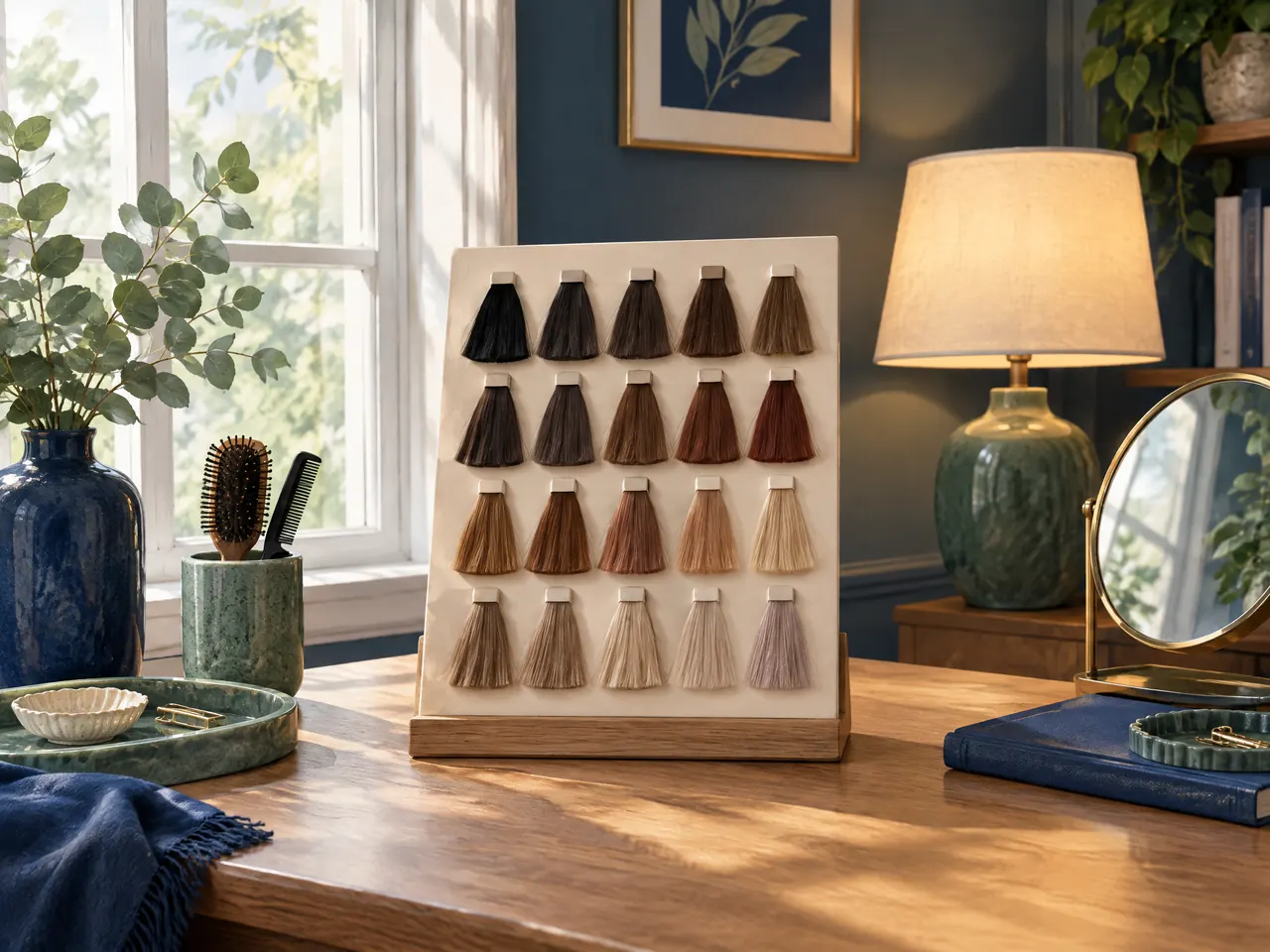

Neutral hair sample board between window daylight and a shaded lamp, with a mirror
Illustrative colour-comparison setup; check the actual shade against the hair that remains visible around the topper.Generated illustrative image
Three separate anonymous hair-like fibre bundles under a magnifying lens beside blank sample cards
Illustrative fibre samples, not a test identifying human hair, synthetic material or Remy status. Confirm the named piece's specification.Generated illustrative image

Check the coverage again after removing and replacing the topper

Before deciding on a clip-in piece, ask for removal to be demonstrated as well as fitting. Have the fitter show how each clip releases on that model without pulling the piece away while a fastening remains closed. Then ask to practise putting it back in the agreed position under their guidance. Use your recorded front and rear landmarks to check both ends of the part again. If your second placement leaves an endpoint uncovered, ask which step needs correcting; do not compensate by shifting the part or tightening a clip. A repeatable demonstration gives you more useful information than memorising the finished hairstyle alone.
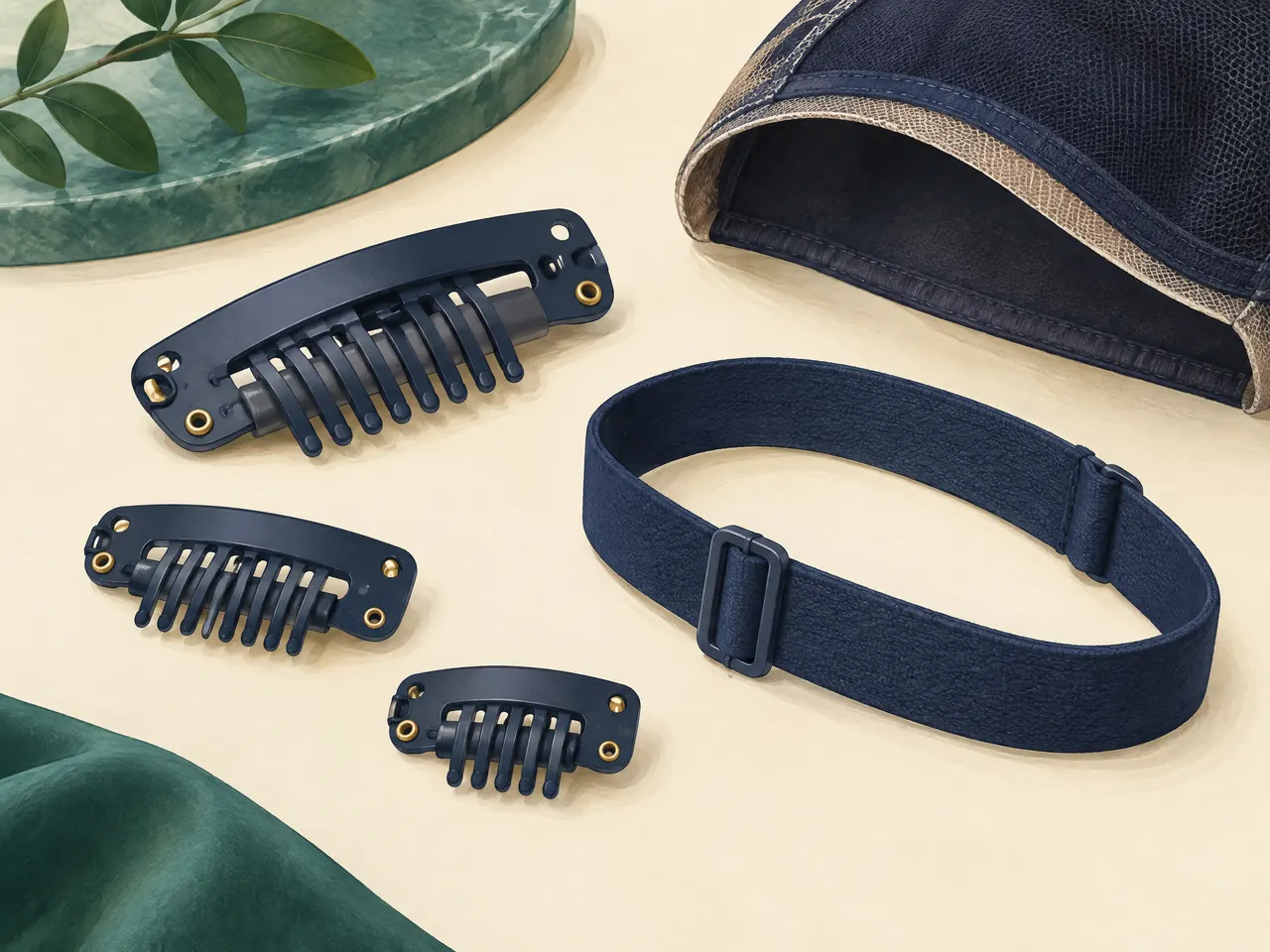
Generic hairpiece clips, a soft adjustable band and an empty cap edge arranged on a tabletop
Illustrative attachment components. Ask for fitting and release instructions for the exact piece; these objects do not prescribe a fastening method.Generated illustrative image

Clinic enquiries

Contact and appointment arrangements

Clinics
Prince Edward and Kwun Tong
Opening hours
11:00–21:00
WhatsApp and telephone
+852 6940 5663

Appointments, practitioner availability and service arrangements are confirmed via WhatsApp.

Please mention any consultation language needs in your WhatsApp enquiry so that arrangements can be confirmed.

Enquire via WhatsApp
Food, gifts and floral lifeWhatsApp enquiry