Keep a placement record that belongs to the exact piece
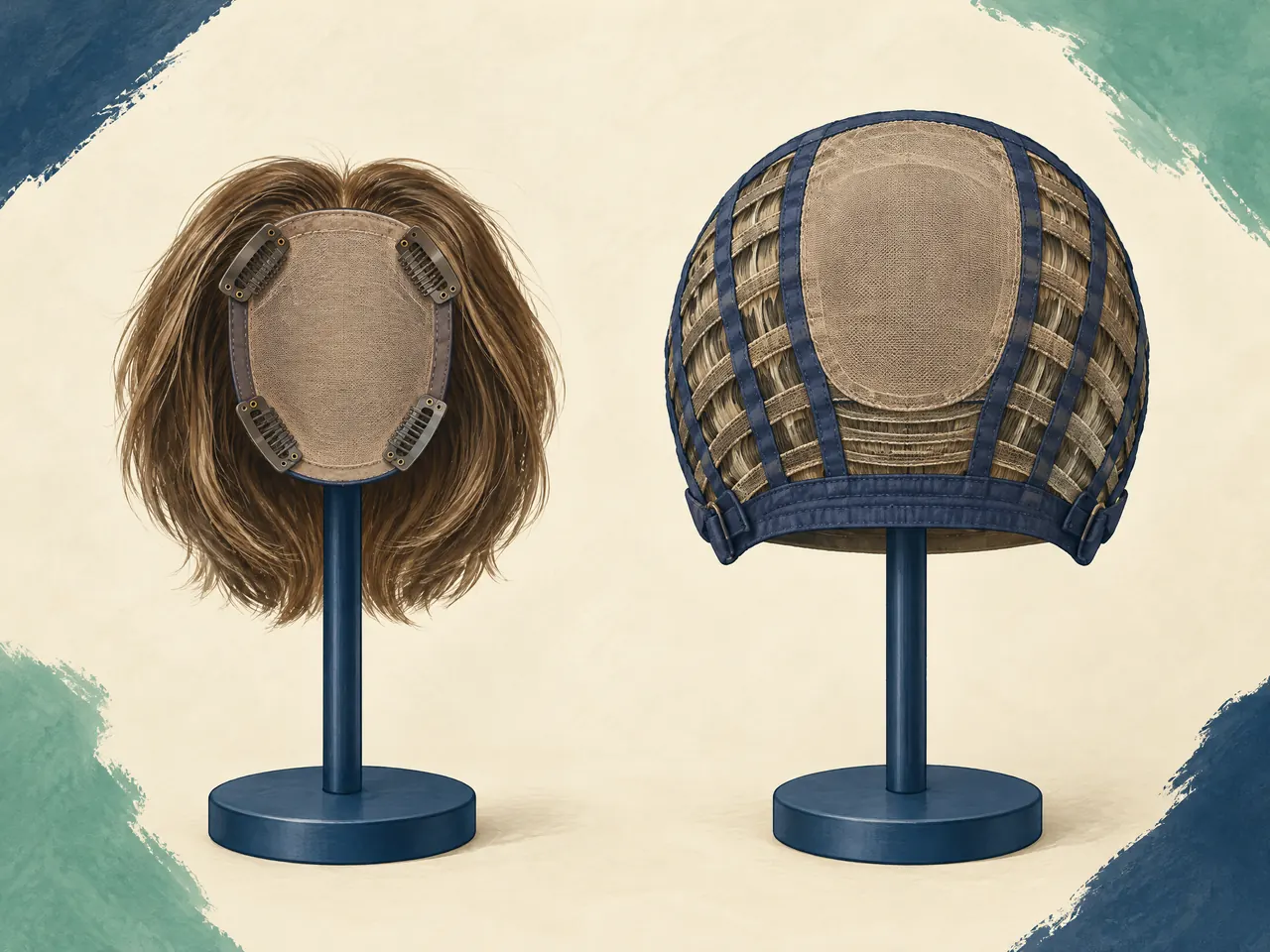
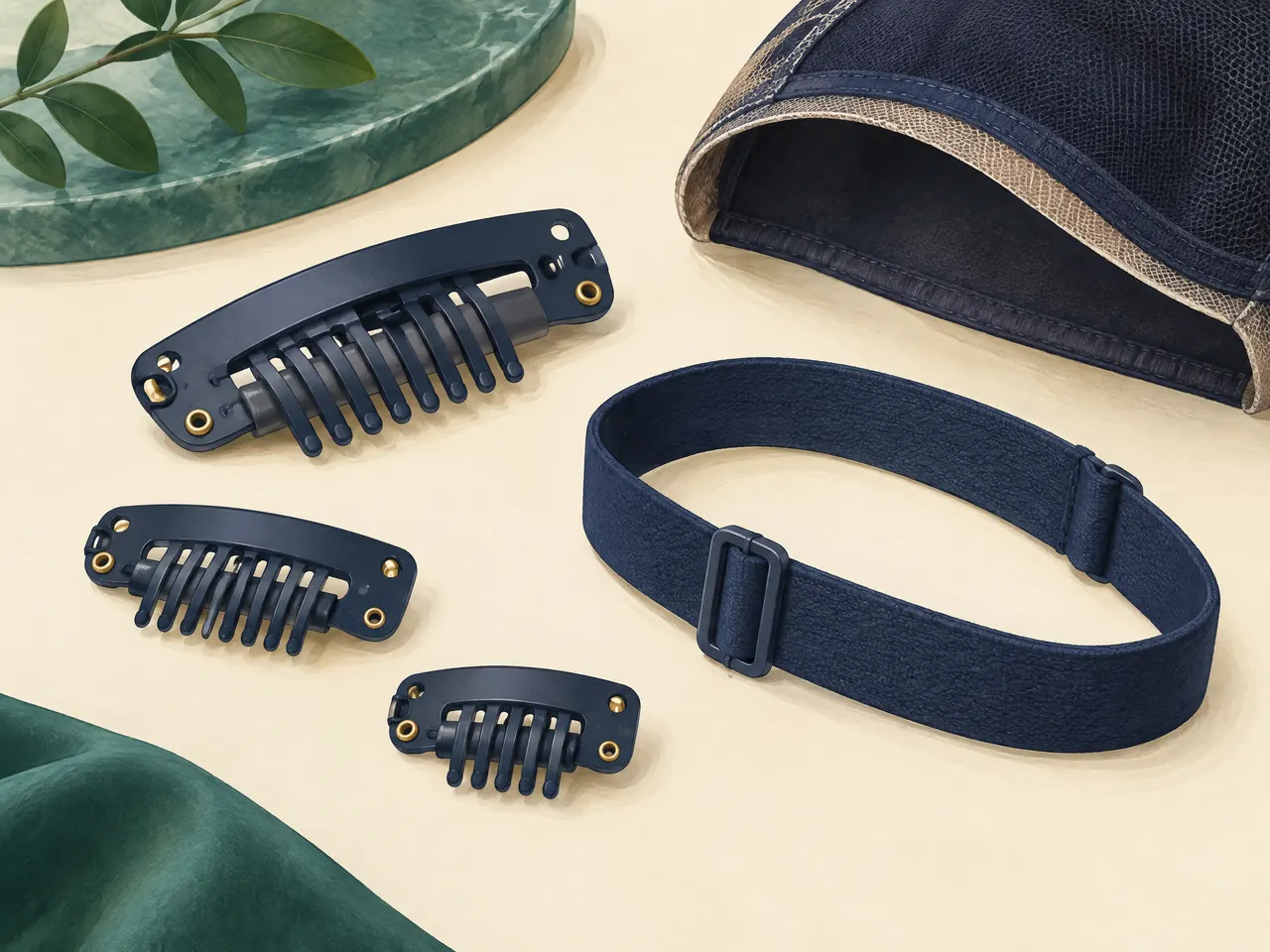
Make a simple outline of the selected topper's underside in your fitting notes. Label its front and back, then mark the clips the fitter identifies. Write the base dimensions separately from the placement instructions: the size describes the piece, whereas the demonstrated position describes how that piece meets your hair. Keep the model name with both records so a photograph of a similar-looking topper cannot become your instruction sheet. Clip design, number and placement need product-specific confirmation. [4]
If the fitter permits photographs, ask for an underside view and a view of the agreed position before the lengths are blended. Label your own left and right; do not rely on an unlabelled mirrored selfie. Beside the sketch, note which fastening you could reach unaided and which step needed help. This gives you a specific question to bring back, such as how to locate the rear clip, rather than a vague report that the topper was difficult. A full wig's adjustable band is a different construction detail, not an interchangeable answer to a topper's clip layout.
Separate the topper's care from your own hair routine
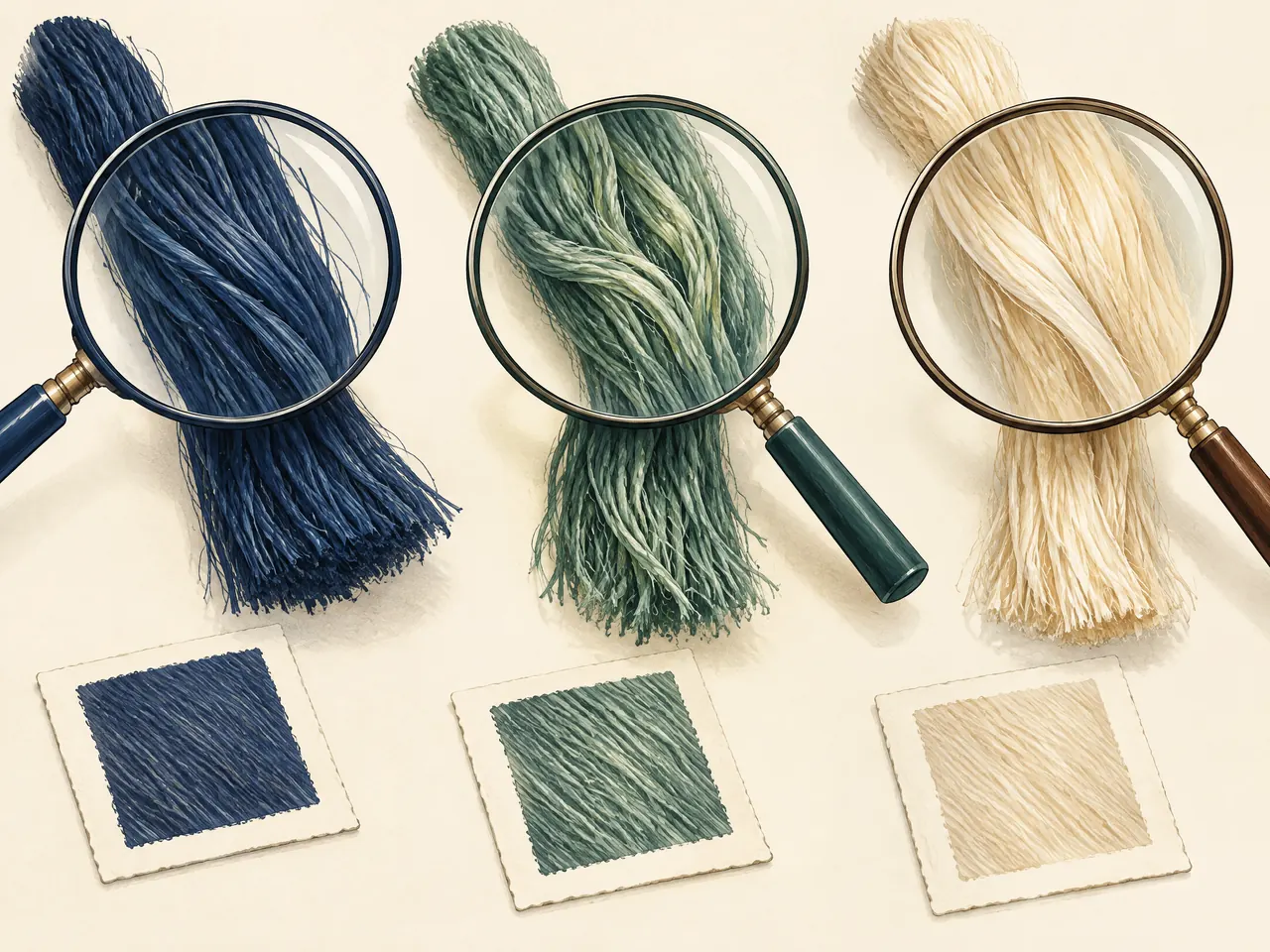
Blending brings two sets of hair together visually, but it does not give them the same care instructions. Before buying, describe the products and heated tools you currently use on your own hair and ask which, if any, are permitted on the selected topper. Record the answer against its exact fibre and base specification. A human-hair or synthetic label alone does not establish heat tolerance, and generic sample fibres cannot identify what a particular piece contains. [4]
Ask whether styling should be done with the topper removed and how its base should be supported for any permitted handling. Do not assume that a spray suitable for your own roots is also suitable for the piece. Keep the supplied instructions beside your routine notes so that an unfamiliar bottle or tool prompts a check rather than an experiment. ACS advises against heated tools on wigs unless they are heat resistant; it does not supply permission or a temperature setting for your topper. [1]
Compare the colour where the two sets of hair meet
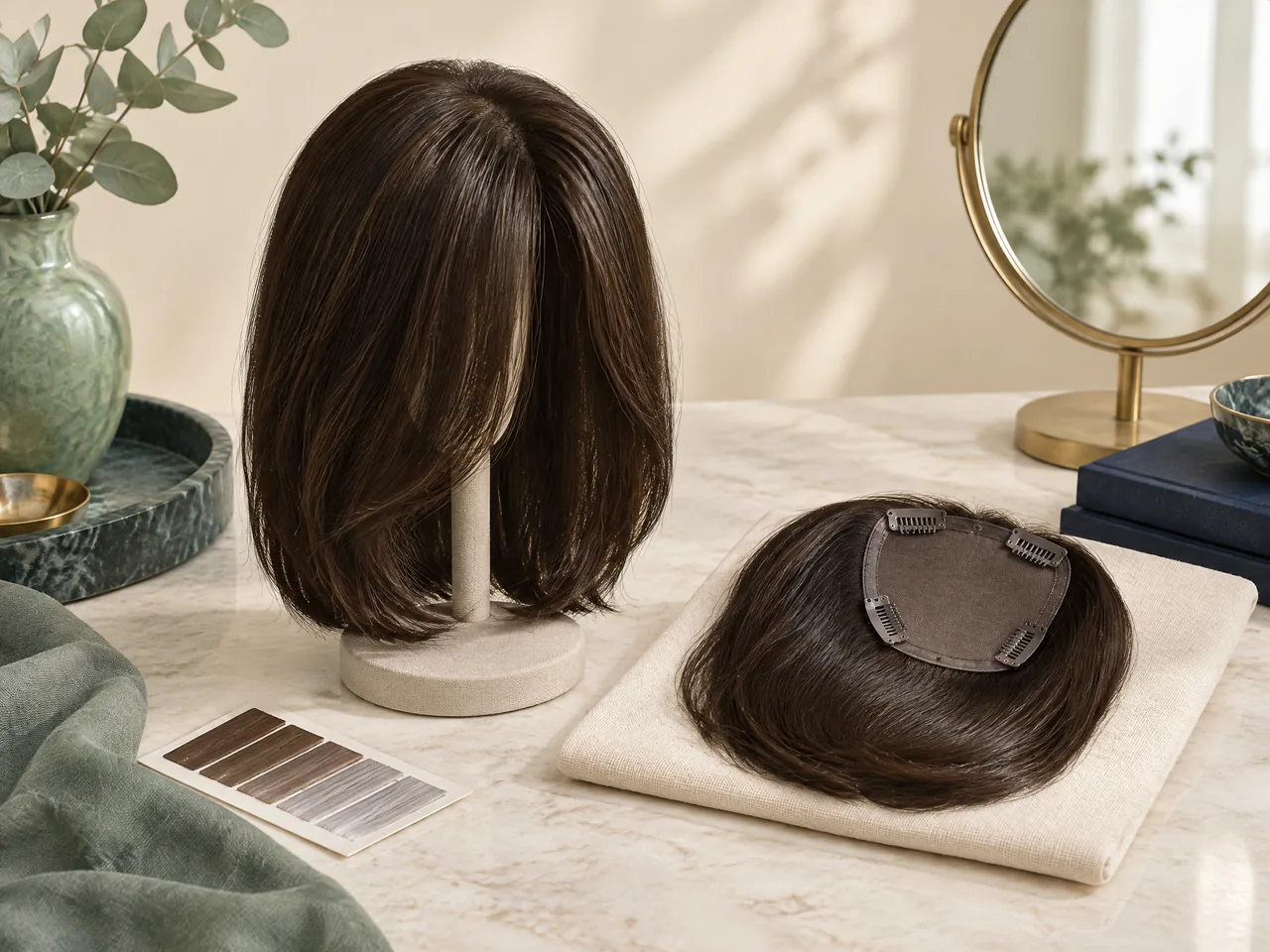
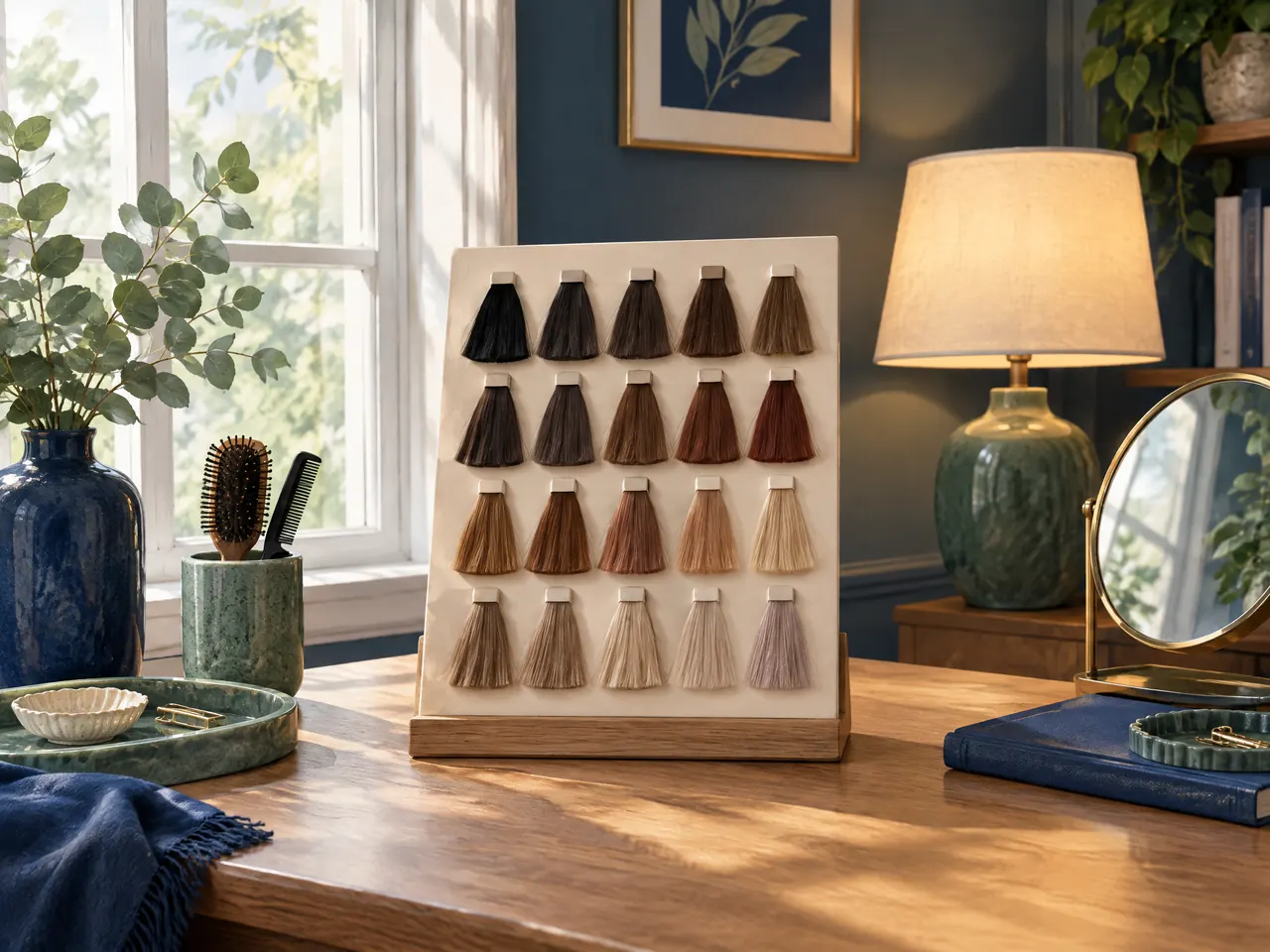
During a permitted comparison, look at the visible junction beside your face and at the back, not only at a sample held above your crown. Use natural light where possible, following ACS's general colour-matching guidance. [1] Then note the lighting you expect at home or work and ask to see the same candidate there if practical. If your impression changes, record the setting and the exact shade being compared instead of treating one phone photograph as the final reference.
Keep these colour observations separate from the attachment record. A pleasing shade cannot resolve a clip you cannot release, and repositioning a secured topper to chase a better blend is not a colour correction. Confirm comfortable placement first, then assess the hair that will actually remain visible around it.
Prepare the place the topper goes after removal
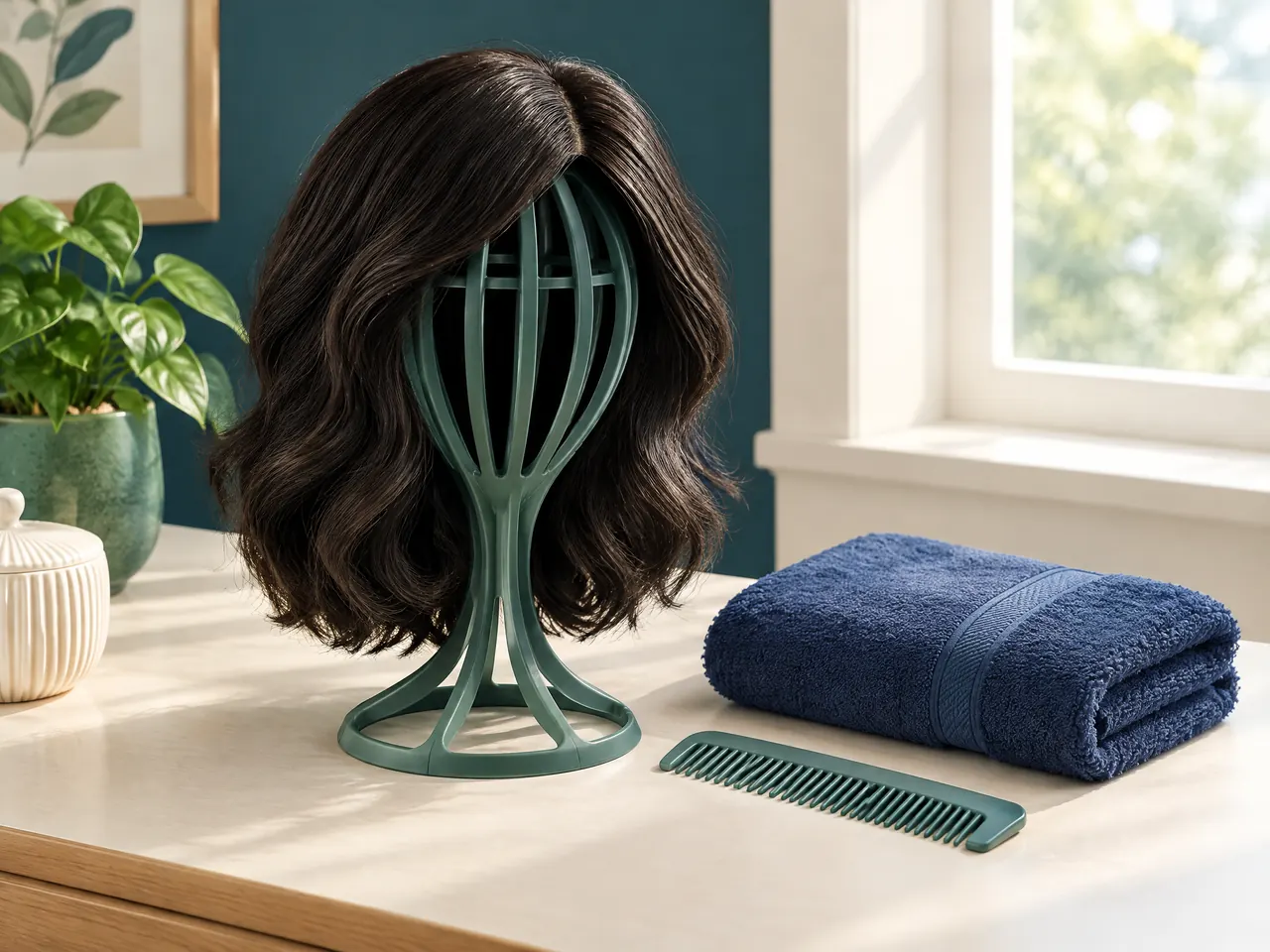
Before the first evening at home, ask the supplier to show a suitable resting position for the removed topper. Check what supports its base and how the clips and lengths are kept from catching on other objects. A generic full-wig stand is not proof that the same support suits a small topper. Ask separately about drying after any permitted washing, and follow the exact care instructions rather than copying a full-wig routine. [4]
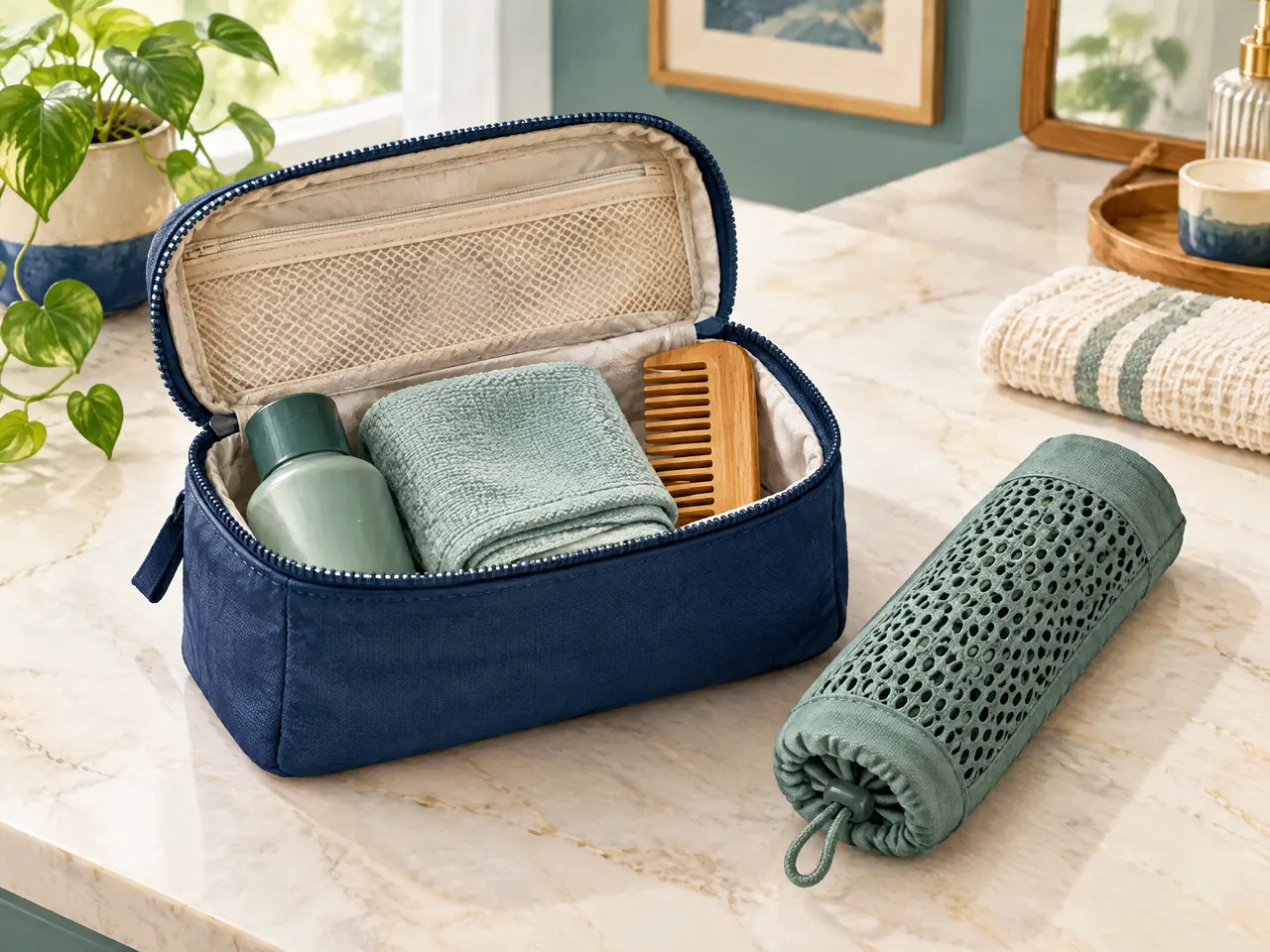
For travel, show the supplier the pouch or container you intend to use and ask how the piece should be arranged inside. Keep its model details and removal instructions accessible rather than packed away with the receipt. Confirm what to do if the piece is still damp or a clip catches the lining before closing the bag. A storage sleeve, towel or comb is only equipment; none establishes permission to pack a damp topper, use heat to dry it or force a fastening free.