Make a small map of the usable parting area
Turn the underside demonstration into a simple sketch rather than another cap-name note. Mark the front edge, the crown and your intended part, then ask the fitter to indicate the relevant panel boundary. Beside each detail, distinguish what you saw demonstrated from what the specification confirms and what remains unanswered. This makes a useful record when two similarly named tops cover different areas. Monofilament's mesh description explains the feature, not the outline of your particular sample. [1]
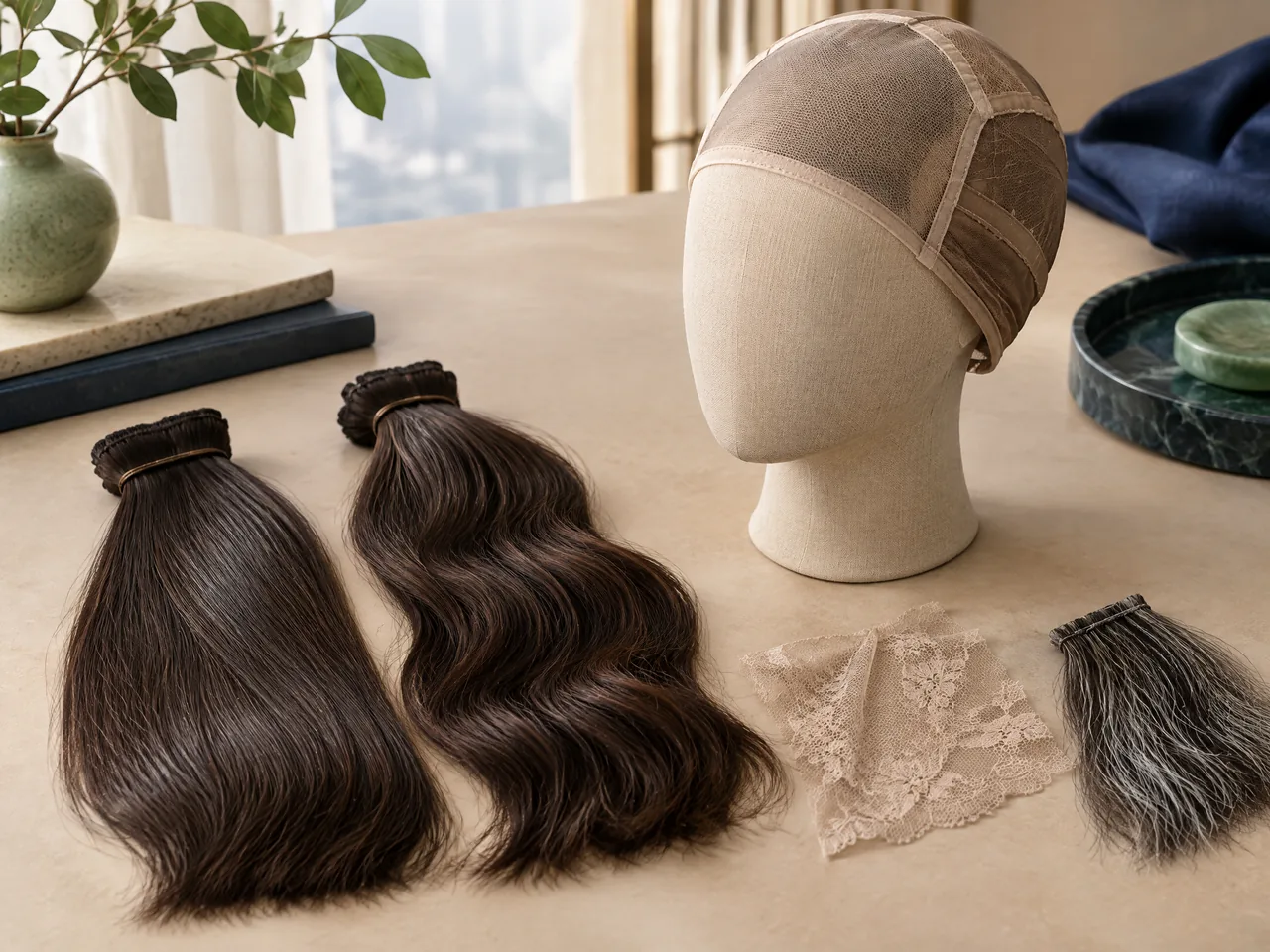
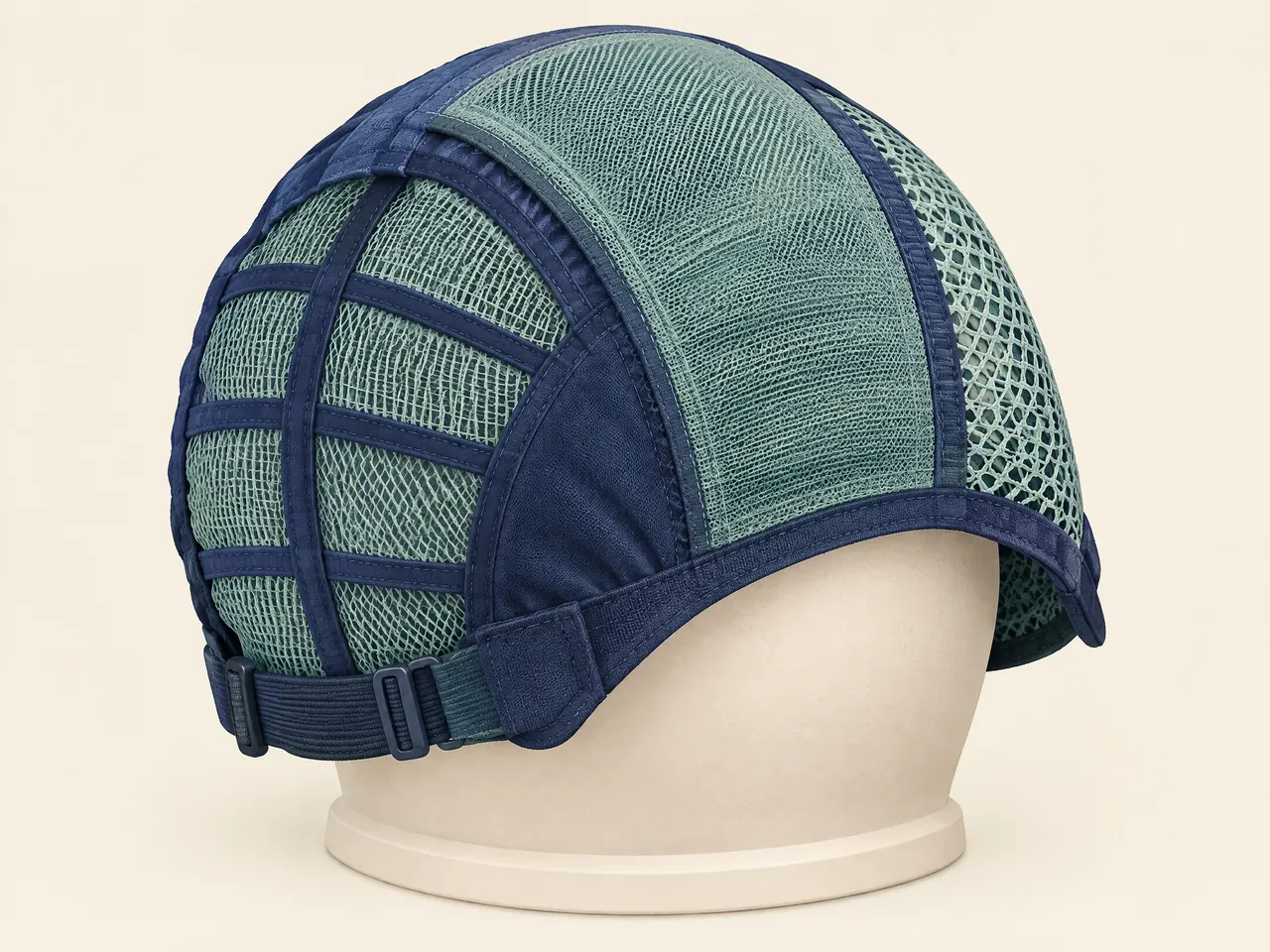
Keep two outlines separate on that sketch: the parting panel and the piece's overall coverage. A topper and a full wig can both offer a visible part, yet the topper adds coverage at the top while the full wig covers the head. [3] Ask whether the intended part stays inside the panel when the piece is in its correct wearing position. A generic cap or topper illustration helps frame that question; it cannot establish the dimensions or attachments of the item being offered.
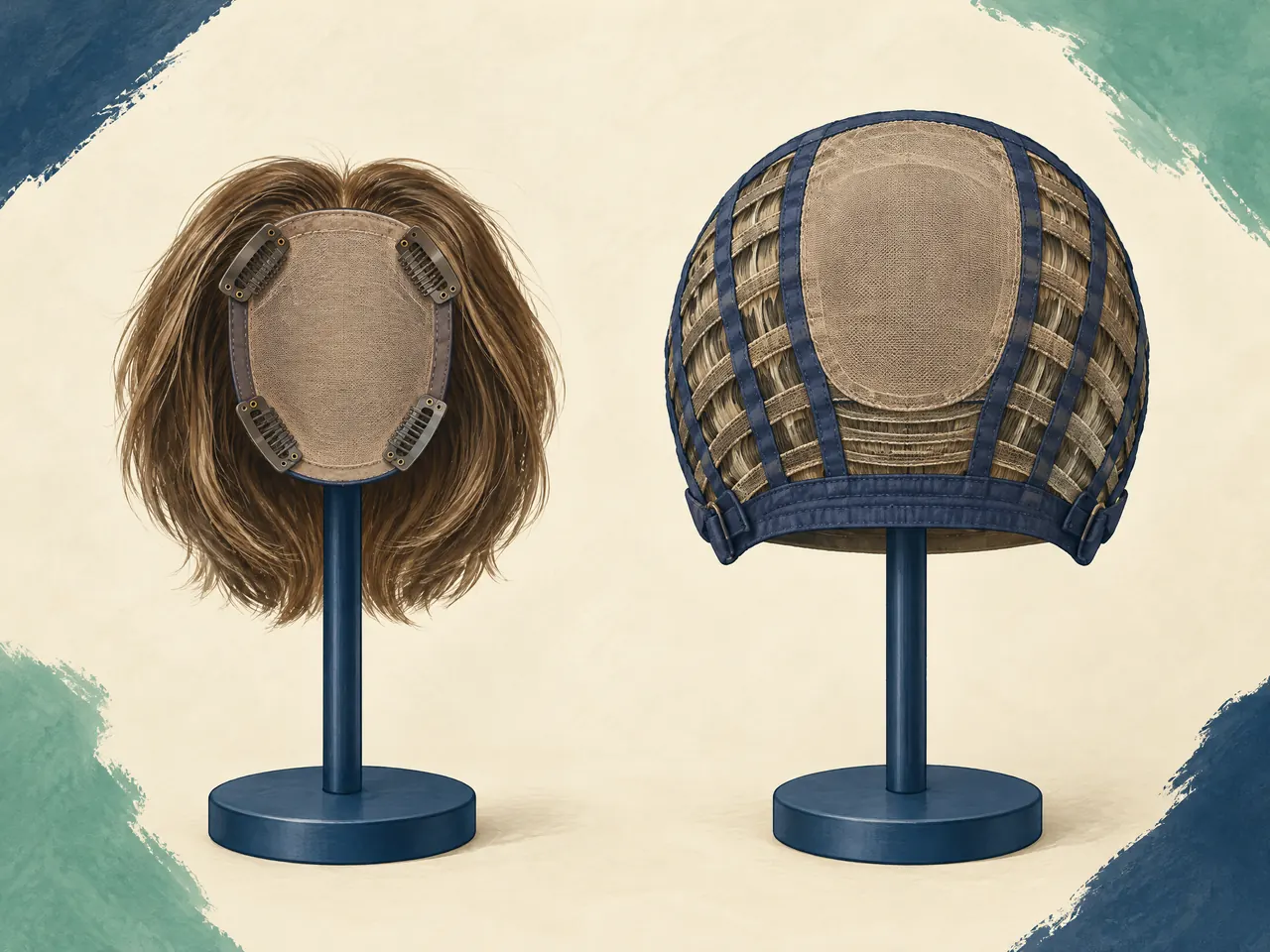
Look where the parting meets the front
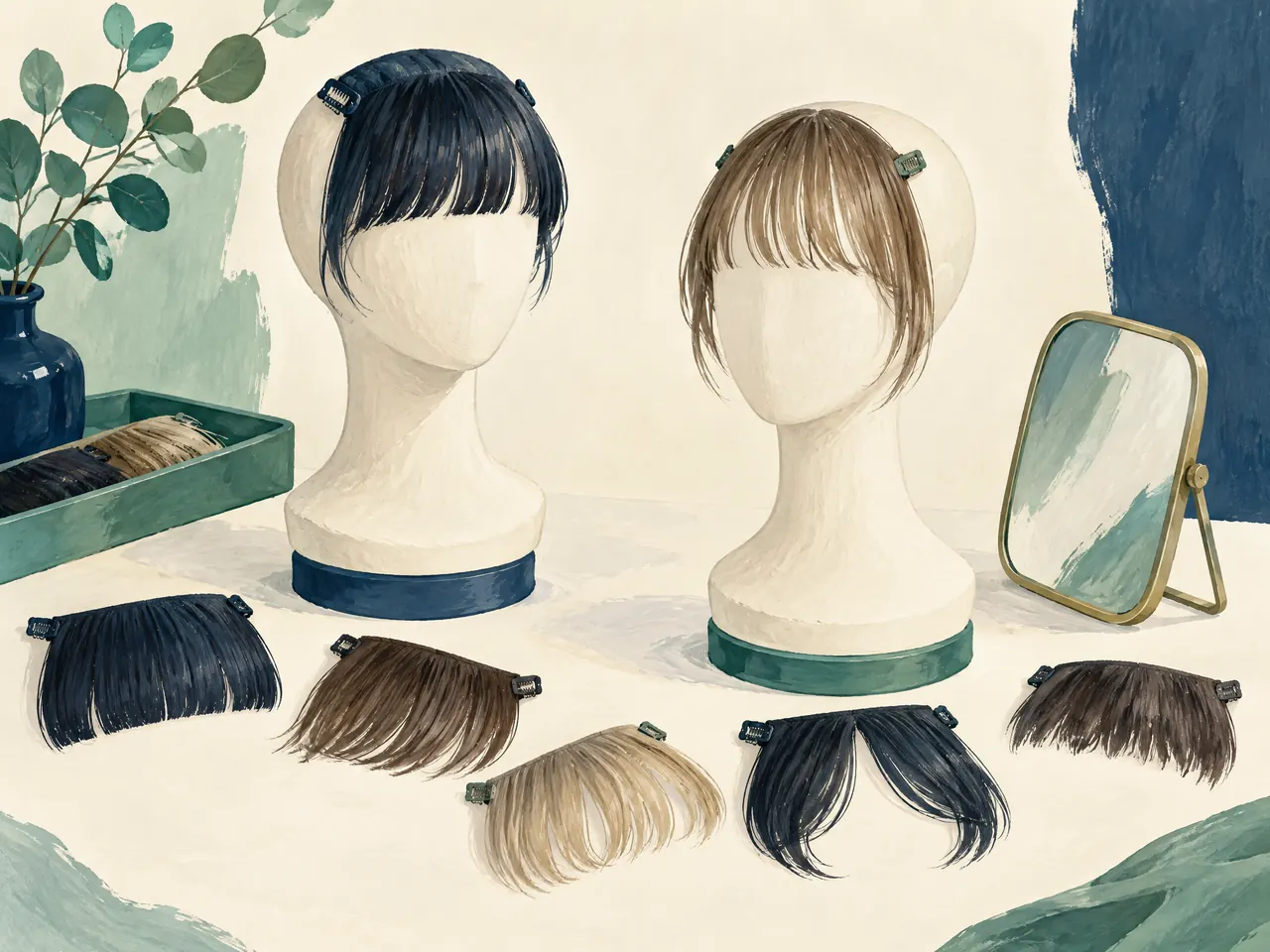
Ask for one view that includes both the visible part and the front hairline, not two unrelated close-ups. With your intended fringe in place, note which edges are hidden. Then have the fitter demonstrate any swept-back arrangement you expect to wear. Judge the junction between the top and front rather than letting a convincing central part stand in for the entire finish. Use the same lighting when comparing the exposed base and surrounding hair so that the two views remain comparable.
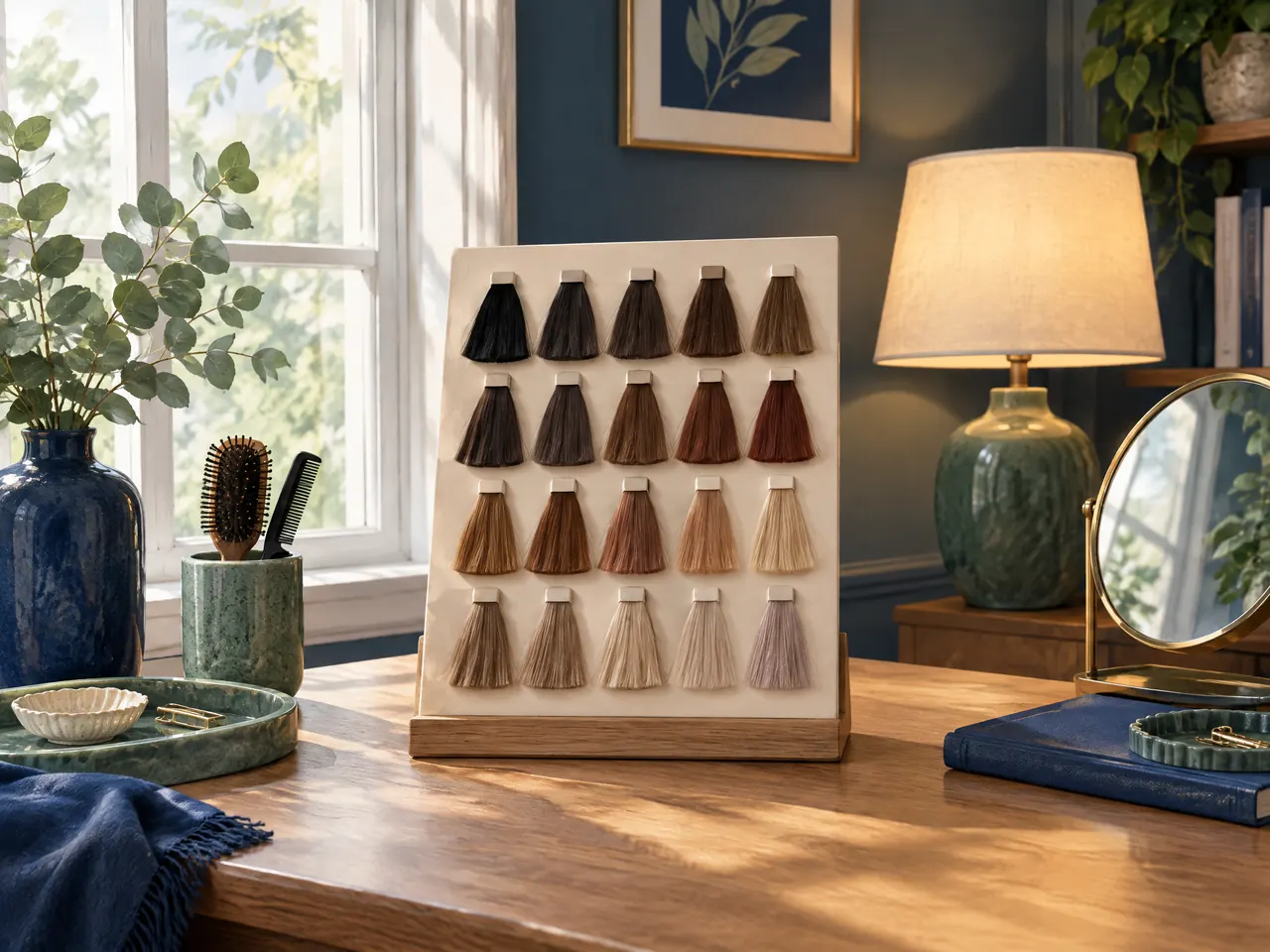
If root height differs between silk-top samples, ask what creates that difference before requesting a flatter finish. Hairalicious describes versions with return hairs, which can add root volume, and versions that conceal those hairs within the layers. [2] That is a manufacturer-specific explanation worth checking against the exact model, not a rule for every silk top. Ask which finish is built into the construction and which depends on styling; a fringe study or lighting illustration cannot prove how either sample will look on you.
Ask for a repeatable parting routine
Before accepting a demonstration as your everyday result, ask the fitter to explain how it was achieved on that fibre. Was the part arranged after drying, or did the roots need an approved setting method? Request the sequence in plain language and note which steps you can do yourself. A cap label does not identify the fibre or authorise a dryer; the American Cancer Society advises avoiding hairdryers and curling irons unless the wig is heat resistant. [3]
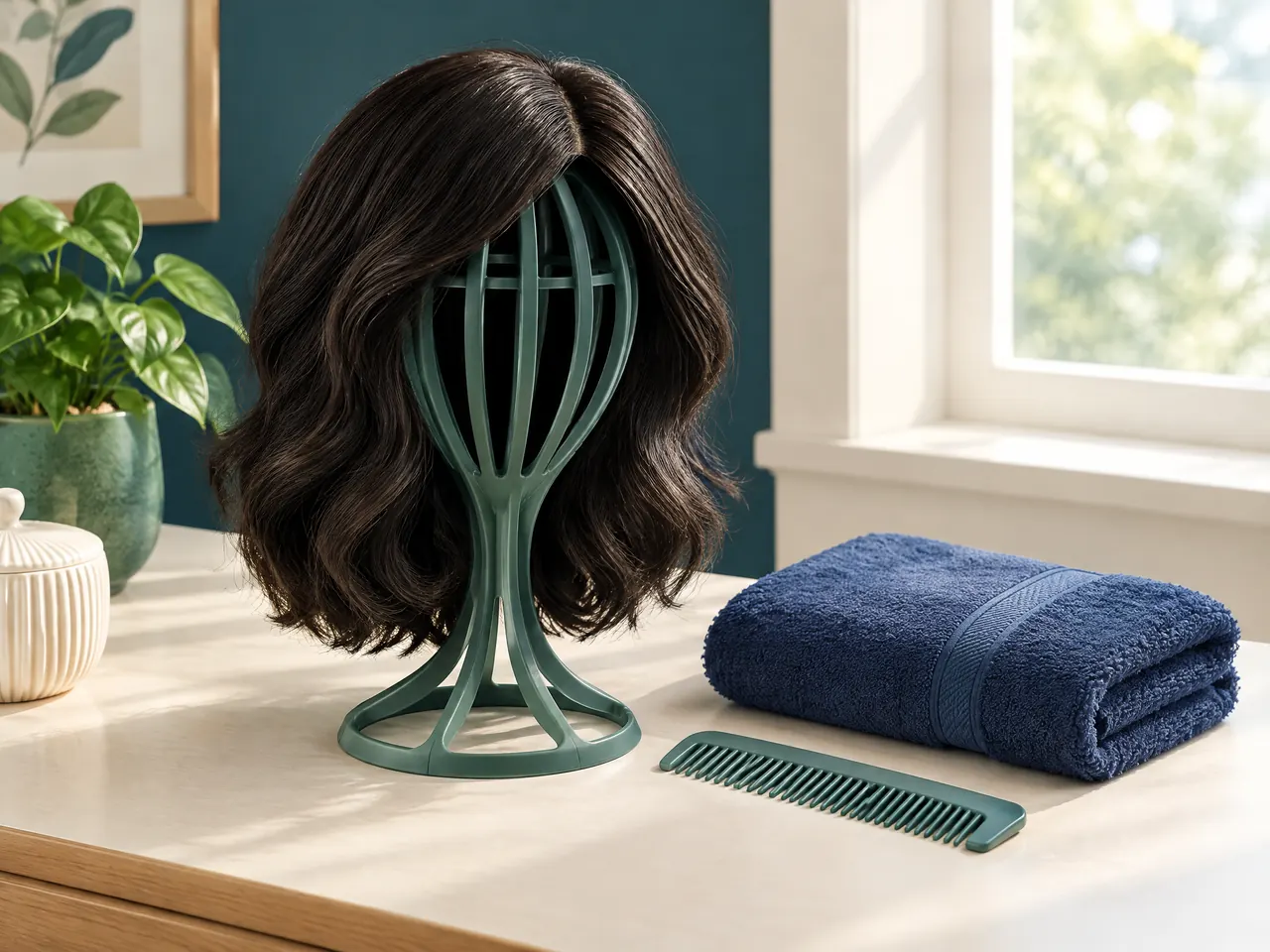
Ask how the maker wants the piece supported during drying and where the part should be positioned at that stage. Do not turn the illustrated stand into an instruction for every construction. Put the exact care sheet beside your fitting notes, and distinguish ordinary home maintenance from any professional work needed to recreate the displayed finish. If the seller cannot explain that routine, leave the achievable parting after washing as an unresolved question rather than assuming the showroom arrangement will return automatically.