Keep fitting results attached to the exact sample
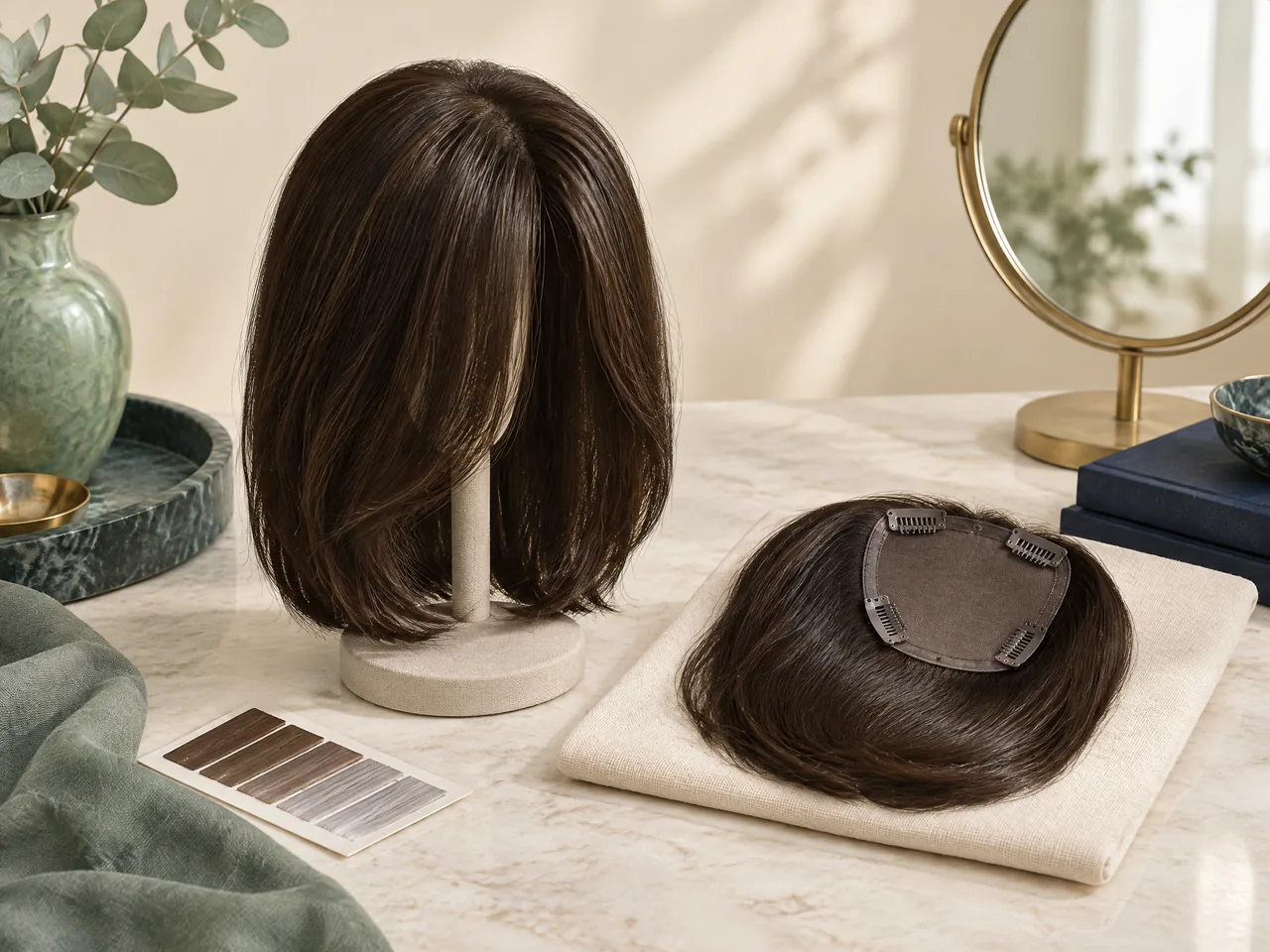
Give each candidate a separate note with its model name, base outline and attachment type. A small topper and a full cap are different coverage options, so a successful trial of one does not establish the fit of the other. Likewise, trying a shade in a different base can answer a colour question without answering your attachment question. Jon Renau's measuring guidance concerns its clip-in toppers and the hair supporting their clips. [2] Label a trial as a coverage check, a shade comparison or a complete fitting so you know what it actually demonstrated.
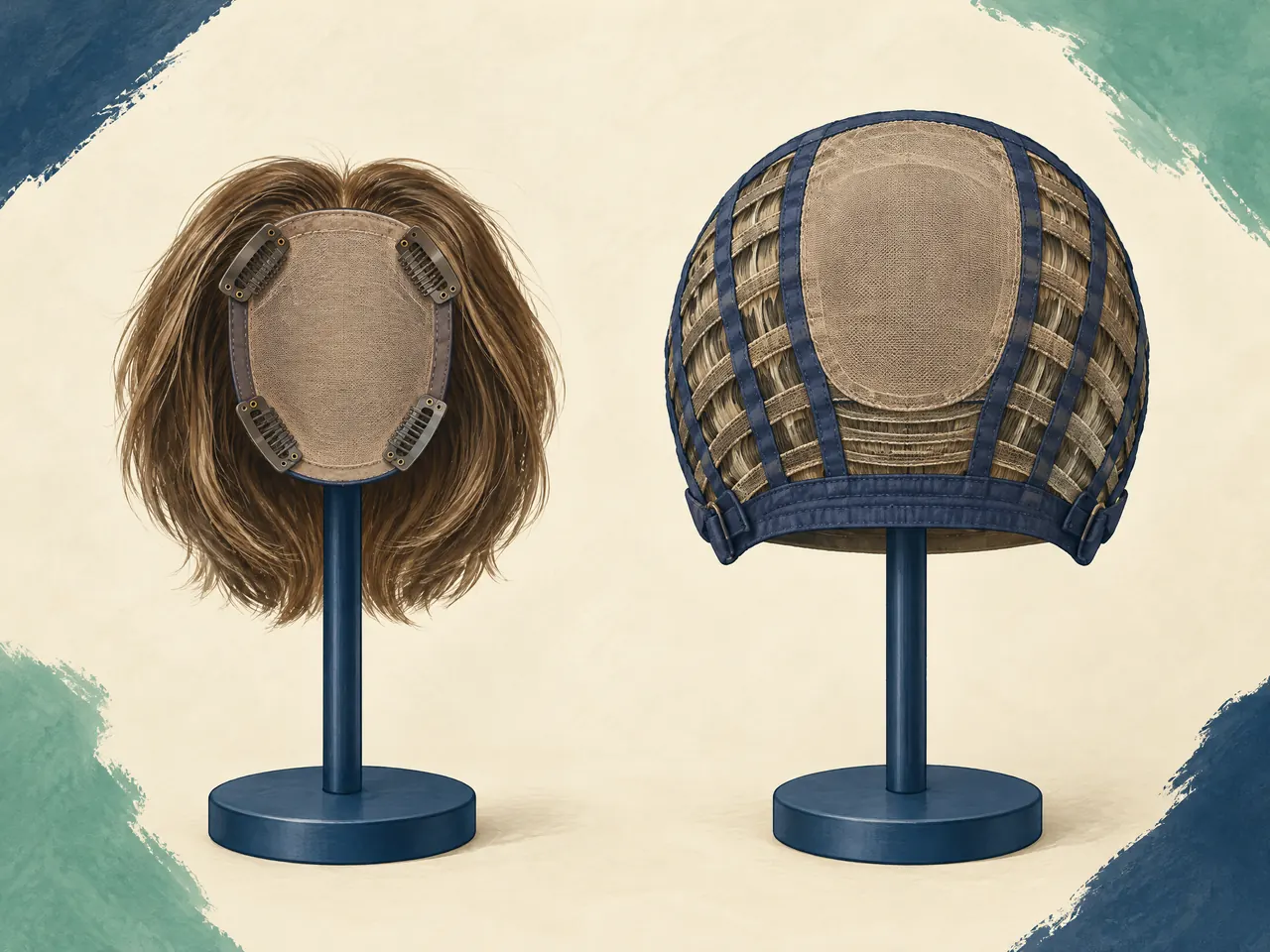
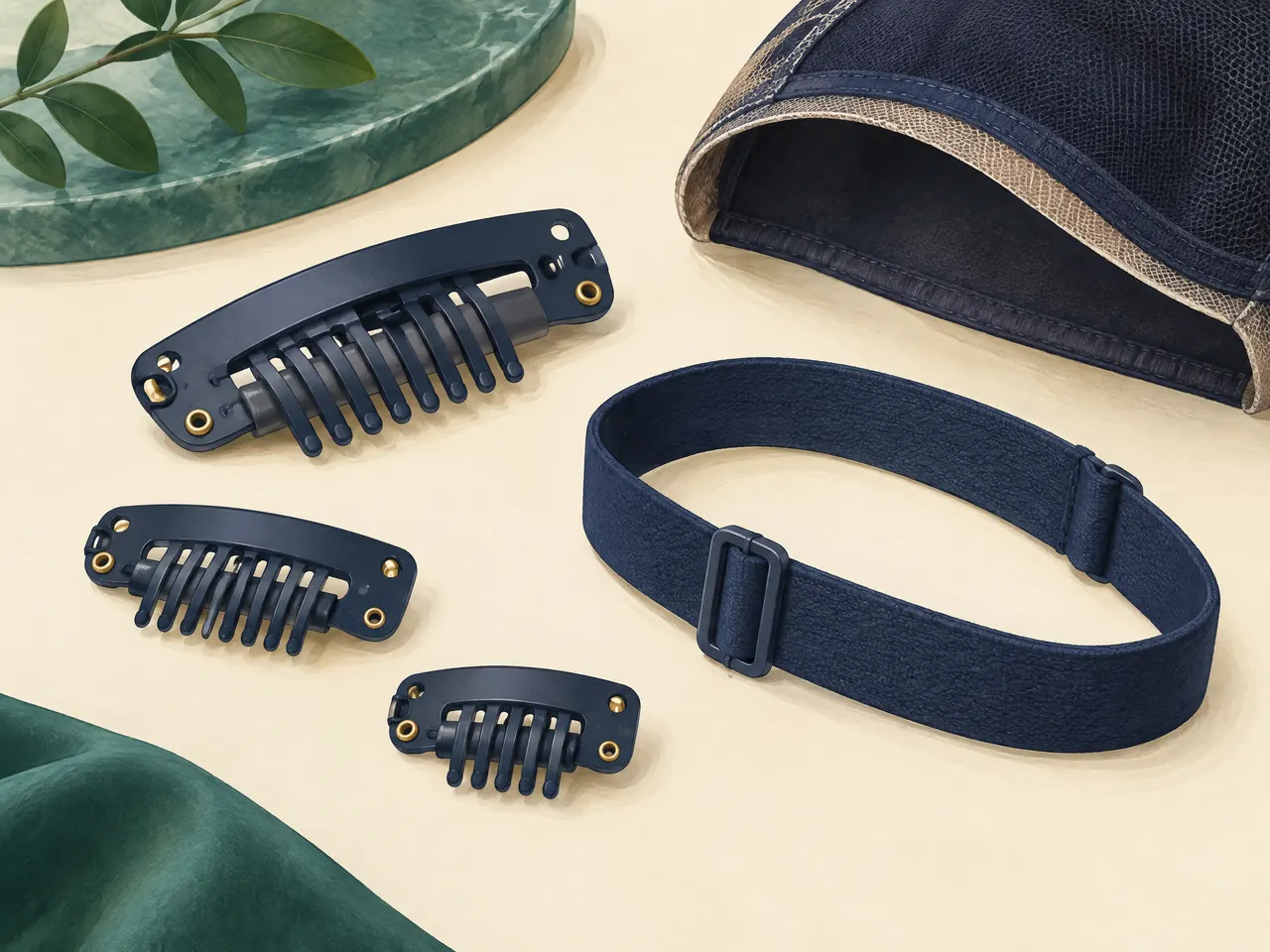
Use the underside demonstration to connect each fastening with the position tried. If a fitter suggests another model, ask which attachment details differ before carrying your notes across. Generic clips, bands and cap edges can help you name the question, but they do not identify the fastening supplied with a particular topper. Record any unanswered point as something to confirm, rather than treating a similar-looking sample as proof.
Separate a cut mismatch from a texture mismatch
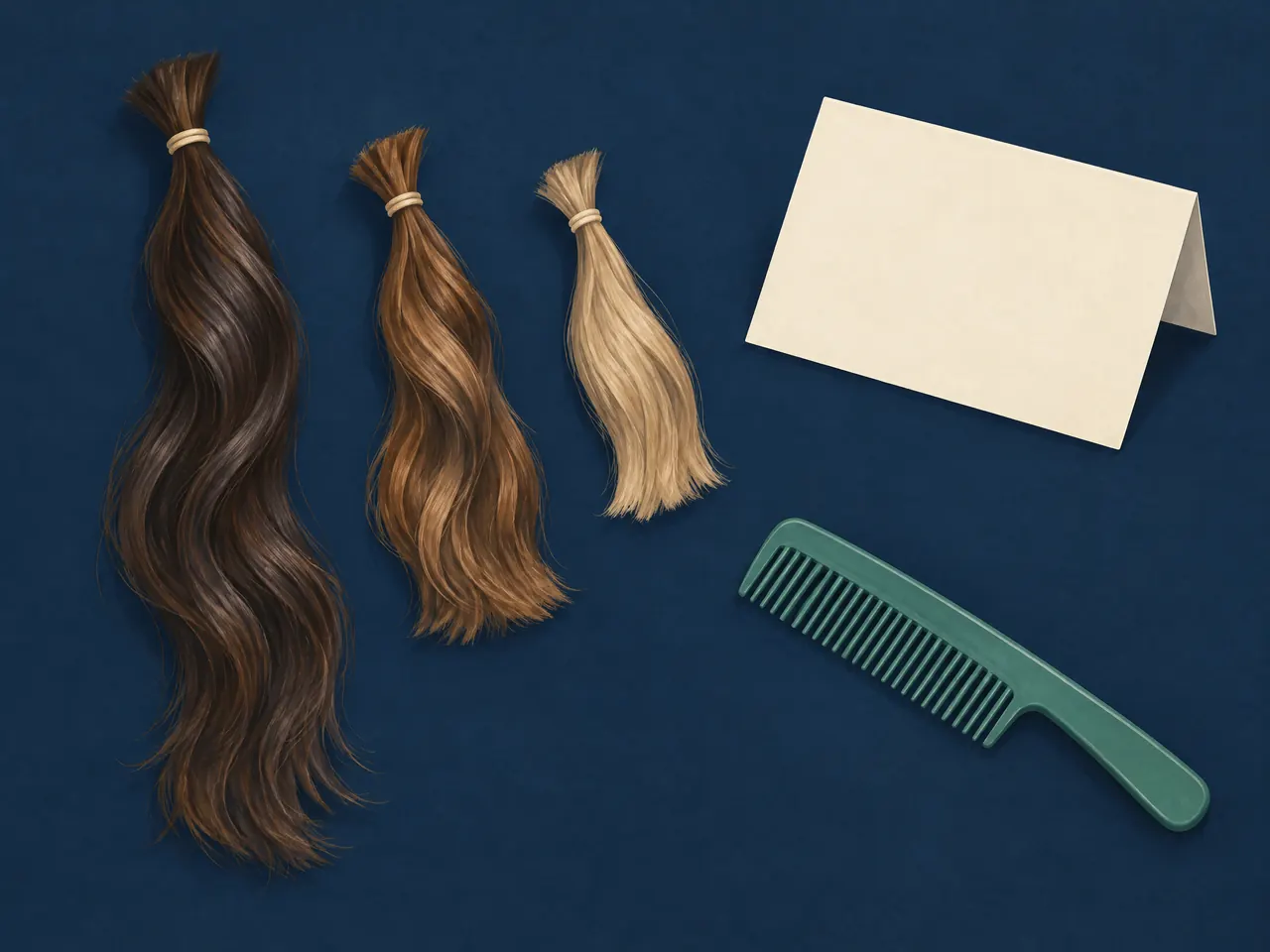
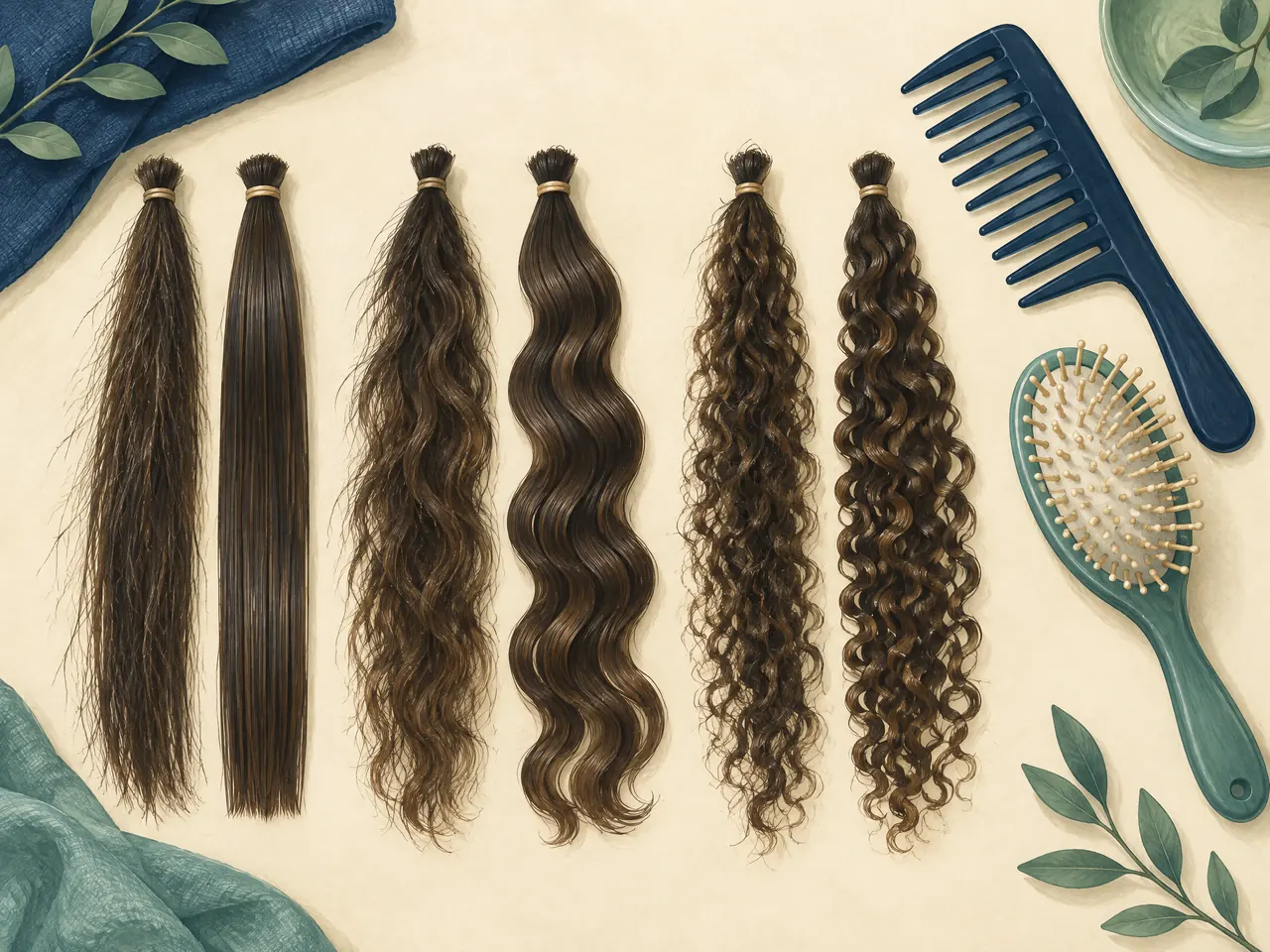
Suppose the shade looks close, but the topper ends form a straight line above your own curved ends. Write down both observations separately: where the ends finish and which direction they turn. Different-length practice tresses illustrate only the first question; straight, wavy and curly tresses illustrate the second. Jon Renau recommends a roots-to-ends length reference and discusses styling as part of blending. [3] Ask the fitter to explain which visible difference a proposed trim would address and which would still require arranging the hair.
Where a demonstration is permitted, compare the same sample in the same position before and after one agreed styling adjustment. Keep the parting unchanged so you are not judging a new placement at the same time. Then ask what you would need to repeat after washing. Do not authorise a cut simply because a styled sample looks joined together: first establish whether the result depends on length, texture or both.
Approve the shade and the styling routine separately
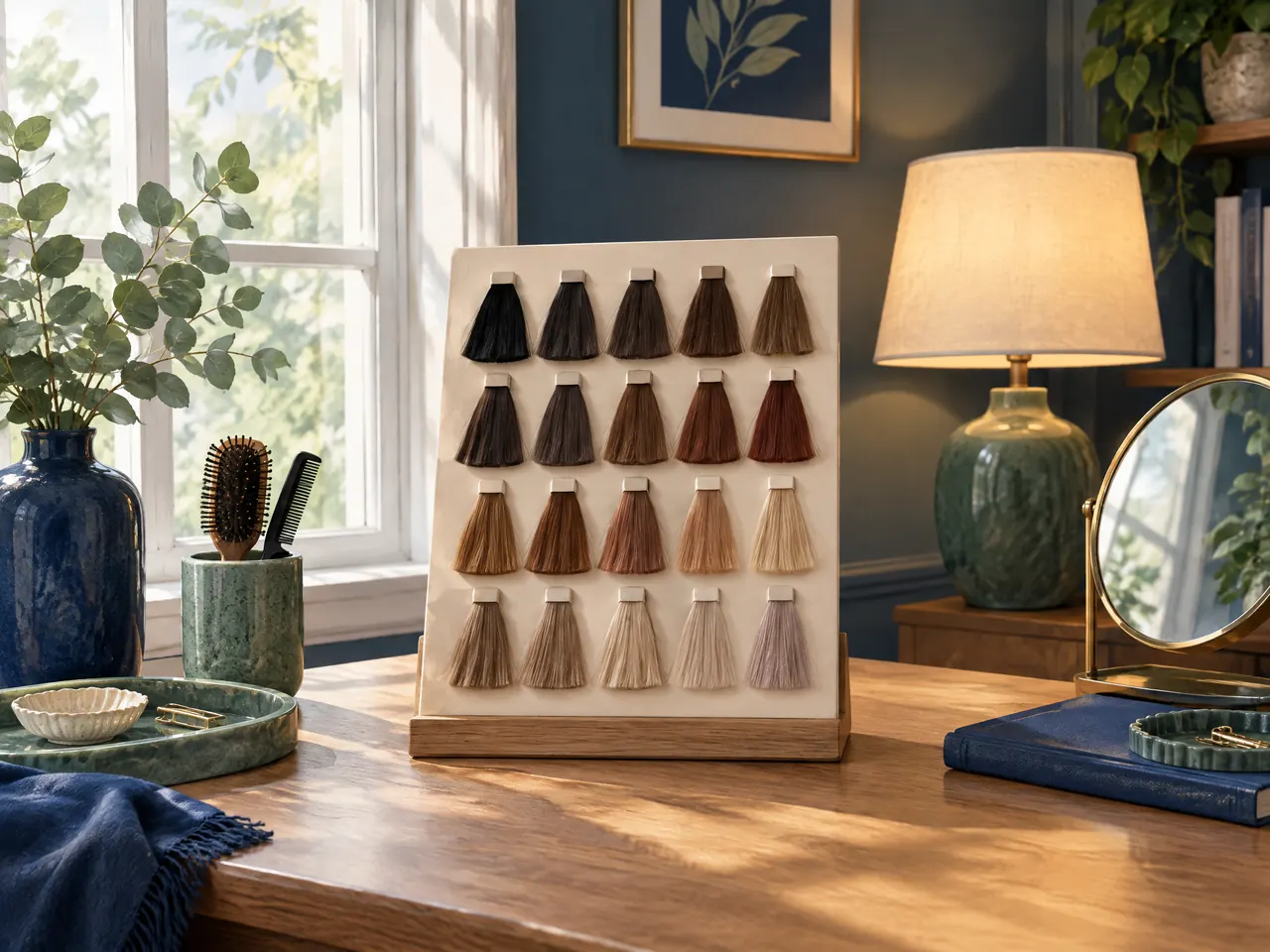
When viewing a shade sample, note its identity alongside the lighting and the strands you compared. If you approve it beside your face but have not compared the back lengths, leave that second check open. Jon Renau's guidance specifically recommends comparing a swatch with exposed face-framing hair in natural light. [3] A sample board shown near a window and an indoor lamp illustrates the comparison setting, not a guarantee that the ordered piece will match. Ask how the sample relates to the exact model and colour you are considering.
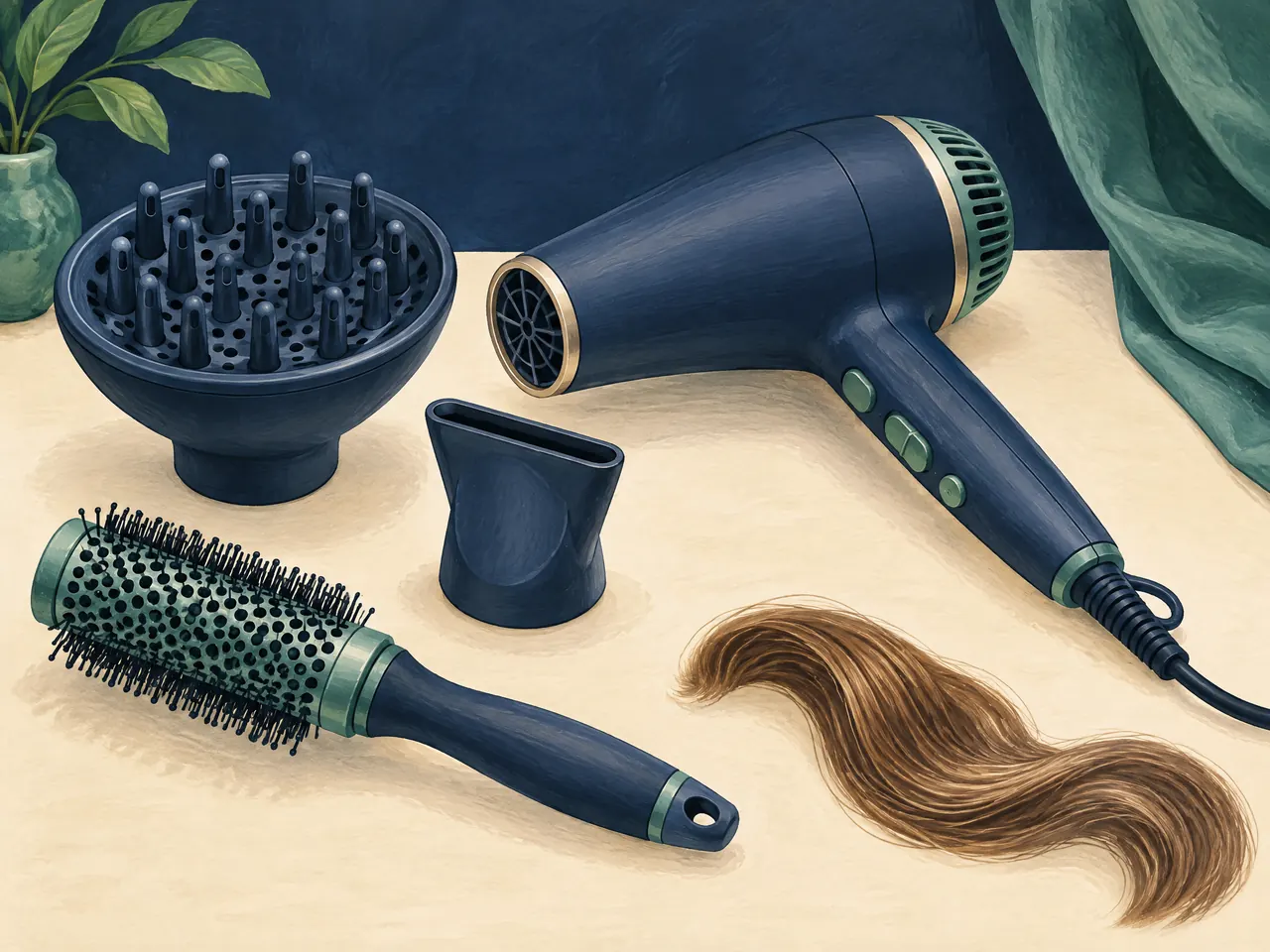
Give the styling demonstration its own approval. If joining the ends requires a dryer or brush, ask whether that tool and method are permitted for this model and whether the piece should be styled off the head. A nozzle, diffuser and round brush represent different questions, not a recommended routine. Request the applicable instructions before attempting the demonstrated method yourself. If you are happy with the shade but unwilling to repeat the styling work, record that as an unresolved blend rather than approving the whole piece.