
Prince Edward & Kwun Tong clinics · Home-visit enquiries elsewhere

TCM Lab

TCM Lab · Beauty & lifestyle / Men’s appearance choices

Seeing friends in a wig: decide what you want to share and what to keep private

Content updated

You can enjoy a catch-up without making your hair the main topic. Choose the look you want, prepare one comfortable reply and tell friends what kind of support—or privacy—would actually help.

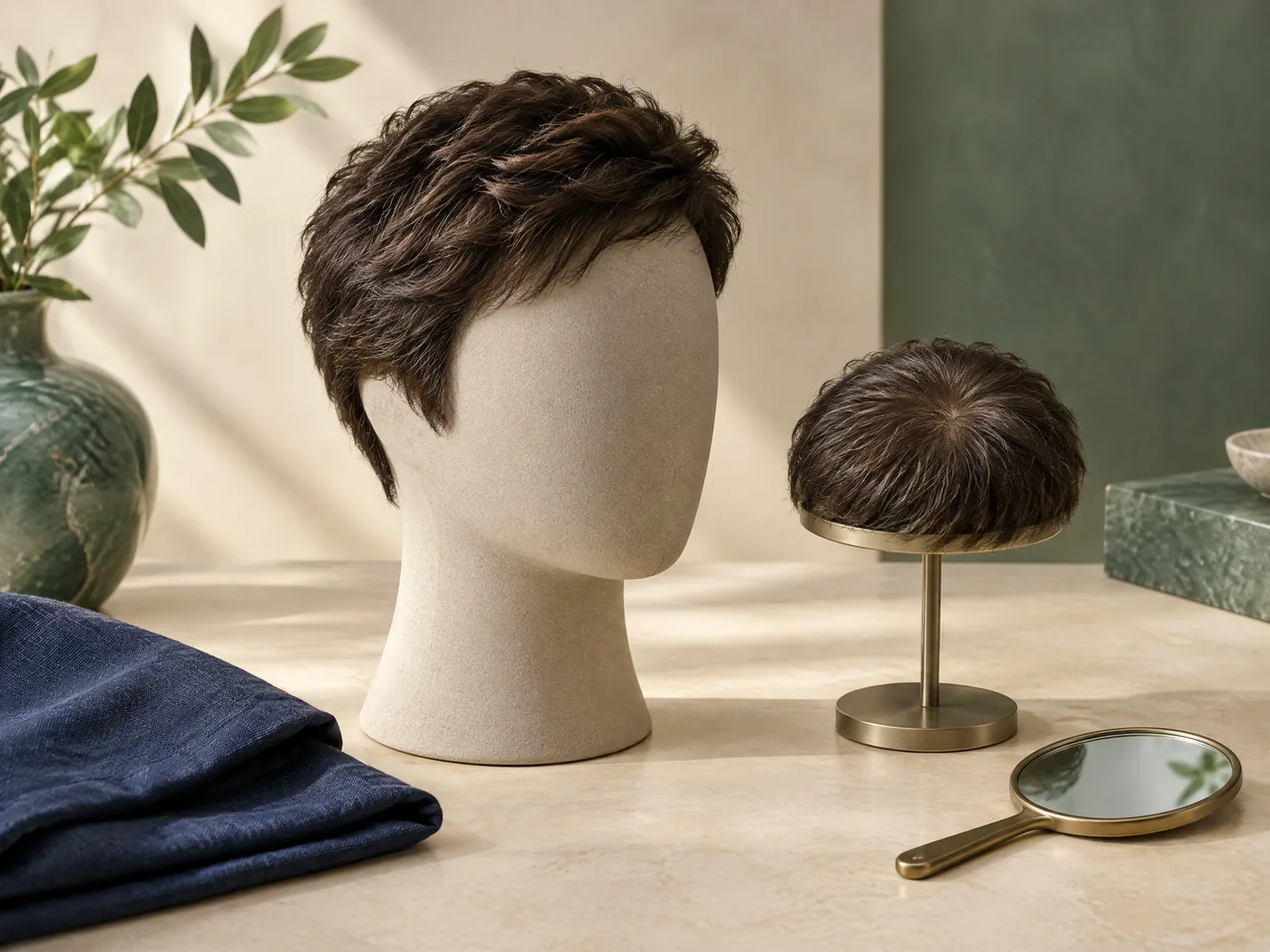
Illustrative men’s wig and partial hairpiece
Illustrative wig-lifestyle concept; not an OWNSTRAND product photograph or a client record.

The short answer

Decide separately whether to mention the wig, explain why you wear it and allow photos or questions. You can share one detail without sharing the others. A familiar hairstyle is an option, not an obligation. Practise wearing the specific piece, choose a manageable first outing and prepare a short response that moves the conversation back to your plans.

OWNSTRAND is an external wig and hairpiece website under the same ownership as TCM Lab. These appearance and everyday wearing guides are separate from Chinese medicine care, not diagnosis, treatment or a promise of hair growth.

Decide what this particular friend needs to know

Before meeting friends, separate three decisions: whether you want to mention your wig, whether you want to discuss your hair changes, and whether you want either topic repeated to others. These are not a single announcement. You might tell a close friend about the wig while keeping its reason private, or simply arrive wearing the style you have chosen. Neither approach needs a defence.

Think about the setting as well as the person. A quiet catch-up gives you a different opportunity to talk from a crowded dinner with acquaintances. Ask yourself what you want from the meeting: ordinary conversation, help judging a hairstyle, or space to discuss something personal. If you want a regular evening together, there is no need to turn the invitation into an appearance briefing.

If cancer treatment is involved, Macmillan explicitly says that telling people you have cancer is your choice and should not feel pressured. It also notes that talking beforehand may help others understand how to support you. These are options, not conflicting instructions: you can ask one trusted friend for help without making your circumstances a group discussion. [1]

Keep familiar features if you want—not to pass a test

A familiar appearance can be a useful starting brief. Choose a few details that matter to you: your usual side part, the length around your ears, the amount of volume on top, or the grey you want to retain. Bring a photograph if you want help describing them. Cancer Research UK suggests photos of your previous hair and allows for either a similar style or something completely different. [2]

When browsing men's wigs, first check that you are comparing full-head coverage rather than a small hairpiece. Then discuss the silhouette and fit of the particular option. OWNSTRAND's page provides a starting point for those questions, not confirmation of stock or an exact match. TCM Lab and OWNSTRAND share an owner; these links are product information, not independent recommendations. [3]

Look at the shape from the side and back as well as straight ahead. If your goal is continuity, compare the few features you selected rather than searching for a promise that nobody will notice. A friend recognising a change does not mean you chose badly. Equally, you can try a different style without owing anyone a detailed explanation for the change.

Prepare for wearing it, not just explaining it

Try your intended outfit with the wig before the outing. Put on your glasses, sit down and turn your head as you would in conversation. Notice whether the hair falls across your eyes or catches on your collar. Write down any fit questions for the supplier instead of improvising an attachment change. Cancer Research UK advises following the supplier's wearing and care instructions carefully. [2]

If you are considering a hair system for a defined area rather than a full wig, clarify how the specific piece is intended to be worn and removed. The category name does not establish its attachment, and OWNSTRAND's page does not confirm an installation service. Ask about those arrangements before planning your outing around the piece. It changes appearance; it is not a way to regrow hair. [4]

Make the first plan manageable on your own terms. You could choose a short coffee rather than a whole evening, and leave yourself time to get ready without rushing. Decide where you could privately check the fit if needed. This is practical preparation, not a requirement to hide: the aim is to spend the meeting with your friend, rather than troubleshooting an unfamiliar routine.

Have a short reply ready for curious questions

Prepare a sentence that matches how much you want to share. Possible replies include, ‘I'm trying a different look,’ or, ‘Yes, it's a wig, and I like this style.’ If you prefer not to discuss it, try, ‘I'd rather keep the hair details private.’ These are suggested phrases to adapt, not statements you must use. A response can be truthful and still leave personal information out.

You can also answer a compliment without opening a longer conversation: ‘Thank you—I liked the shape too.’ If a question follows, choose whether to continue rather than feeling committed by your first answer. For a friend who keeps asking why, a clearer response might be, ‘I know you're interested, but I'm not discussing the reason today. Tell me how your week has been.’

Set a separate boundary around touching. If someone reaches towards your hair, ‘Please don't touch it’ is enough; you do not need to explain the construction or your circumstances. When joking feels uncomfortable, name the request directly: ‘I'd like us to leave the hair jokes out.’ If the conversation remains intrusive, you can pause it or leave. Preparing wording cannot guarantee someone else's reaction.

If treatment is part of the story, share it separately

Wearing a wig does not tell friends why you chose it. Avoid treating a new hairstyle as an invitation to speculate about someone's health—including your own. If you want to discuss treatment, you can arrange a separate conversation with the person you trust, rather than trying to explain everything when a group first sees you. If you do not want that conversation, keep your reply focused on appearance.

For readers choosing chemotherapy wigs, OWNSTRAND offers appearance-focused enquiry information. You can discuss your preferred look and ask about private viewing or fitting arrangements; confirm what applies to your request before visiting its single Kwun Tong shop. Direct treatment questions or scalp symptoms to your healthcare team, not a product page. A wig is an appearance choice, not treatment for the illness or hair loss. [5]

If you invite a friend to a fitting, give them a clear role: help compare the shape, remember your questions, or simply accompany you. Cancer Research UK suggests bringing a relative or friend and asking about a private room if that would help. You can request supportive company without inviting the person to choose for you or share the visit afterwards. [2]

Agree on photos and the support you actually want

Discuss photos before the group starts taking them if that matters to you. Separate being photographed from having the image posted: you might be comfortable with a private picture but not a public tag or a caption mentioning your wig. A useful request is, ‘Please ask me before posting any pictures of me tonight.’ Friends cannot reliably infer your preference from how much you have told them.

If one friend knows more than the others, explain whether they may mention it. Ask for a specific form of help, such as changing the subject if questions become personal, rather than appointing them to explain on your behalf. After the outing, judge what worked: the length of the visit, your wearing routine and whether your boundaries were respected. You can adjust the next plan without making a permanent disclosure decision.

The same courtesy applies when you are the friend. Ask whether the wearer wants an opinion before offering one, and comment on the chosen style rather than demanding a reason. Do not touch, photograph or retell their information without checking. A wig, other headwear or no covering can be a personal choice; Macmillan emphasises doing what feels right for the wearer. Your support should leave that choice with them. [1]

Take it into everyday life

A practical checklist

  • Choose what you will share about the wig and what you will keep private about its reason.
  • Select a few familiar hairstyle features—or a new look—you actually want to compare.
  • Check the specific piece's fit, wearing instructions and any unresolved supplier questions before the outing.
  • Try the wig with your glasses and planned outfit, and note any practical adjustments to discuss.
  • Pick a first meeting whose setting and duration feel manageable for you.
  • Prepare one brief answer and one firmer boundary for repeated questions or touching.
  • Tell friends whether photos, posting, tagging and repeating personal details are welcome.
  • If you bring a companion to a fitting, agree on their role and confirm private arrangements with the shop.

Questions & answers

Do I have to tell friends that I am wearing a wig?

You can choose whether to bring it up in a social conversation. You can also mention the wig without explaining why you wear it. Decide what feels comfortable for this person and setting; telling one close friend does not mean you need to announce it to a group.

What can I say if a friend asks directly whether it is a wig?

Use a truthful response that keeps your preferred boundary: ‘Yes, and I like this style,’ or, ‘I'd rather keep my hair choices private.’ If you want to end the topic, add a clear request to move on. You do not need to invent a story or explain your health.

Should I choose my old hairstyle so nobody notices?

You may choose familiar features because you like them, but nobody can guarantee that a change will go unnoticed. Use your old photographs as a style reference if helpful, not as a test you must pass. A different length, colour or parting is equally a personal appearance choice.

How do I ask a friend not to post a photo of me?

State the request before photos are shared: ‘I'm happy to take a picture, but please don't post or tag me.’ You can also ask them to check each image with you. If one is already posted, request its removal directly; agreeing to a photograph need not be your agreement to public sharing.

Can a friend come to a wig fitting without deciding for me?

Yes, if you want their company and the shop confirms the arrangement. Tell your friend whether you want style feedback, help remembering questions or quiet support. Ask the shop about private viewing before booking, and make clear to your companion that personal details and photos from the visit should not be shared without checking with you.

Sources & further context

Numbered references follow the source order below. Product and service websites provide appearance-related context, not medical evidence.

  1. [1] Macmillan Cancer Support — Hair loss
  2. [2] Cancer Research UK — Wigs, hats and scarves
  3. [3] OWNSTRAND — Men's Wigs: A Guide to Full-Wig Options in Hong Kong
  4. [4] OWNSTRAND — Hair System Guide for Men in Hong Kong
  5. [5] OWNSTRAND — Chemotherapy Wigs and Cancer Wigs: Appearance-Focused Choices

Give your companion a feedback brief, not the final say

Before inviting a friend to compare styles, agree on what a useful comment sounds like. ‘The fringe covers your glasses when you look down’ describes something you can check; ‘That will fool everyone’ does not. Ask them to compare the features you care about, then leave the final preference with you. A reference photograph or fringe sample is a conversation aid, not permission to copy or circulate your photographs.

Give practical note-taking its own limit. A companion could record the supplier’s fit questions or which measurements are requested for the specific piece, rather than recording your reason for wearing it. Tell them whether you want to keep the notes yourself. Cancer Research UK suggests taking a friend or relative to a fitting; deciding what you want that person to help with remains your choice. [2]
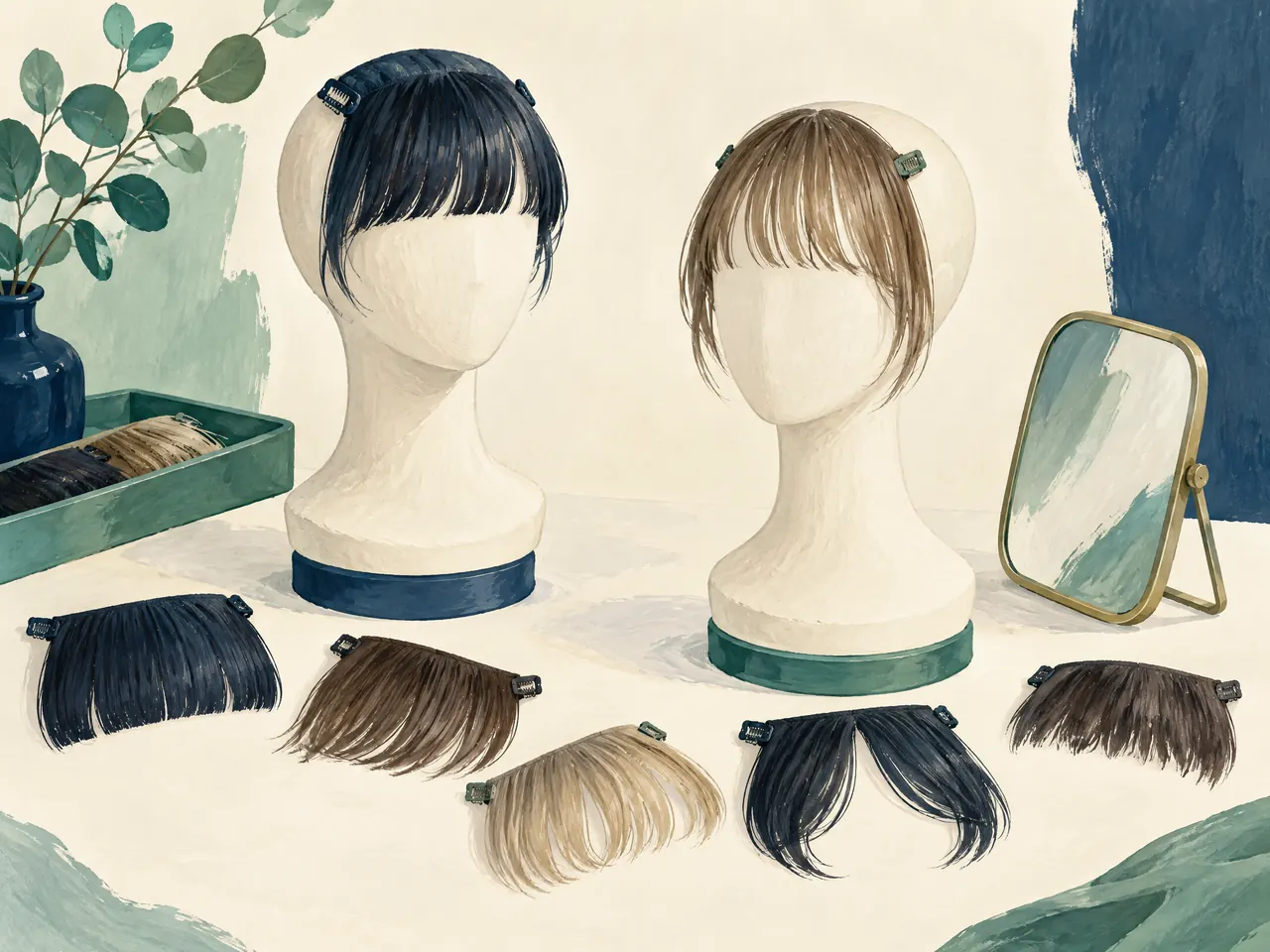

Two featureless mannequin forms with separate practice fringe pieces and a small mirror
Illustrative fringe samples for discussing a preferred outline; not a product photograph or a wearer’s fitting.Generated illustrative image
A fabric measuring tape around a blank mannequin dome beside an empty fit-note card and mirror
Illustrative fitting questions and note-taking; the arrangement is not a measurement guide or a confirmed fit.Generated illustrative image

Agree on what help means during a private fit check

If you would like a friend’s help during the outing, choose a simple signal that means you want a pause, not an announcement. Their role might be to keep your seat or accompany you to a quieter place. Ask them not to explain the pause to the group or start adjusting the piece themselves.

Separate an appearance check from changing how the wig is secured. Noticing a shifted fringe is different from deciding to tighten a band or use a clip. Follow the instructions for your particular piece and take unresolved attachment questions back to the supplier. Cancer Research UK advises following the supplier’s wearing and care instructions carefully. [2] A private check need not become a demonstration for curious friends.
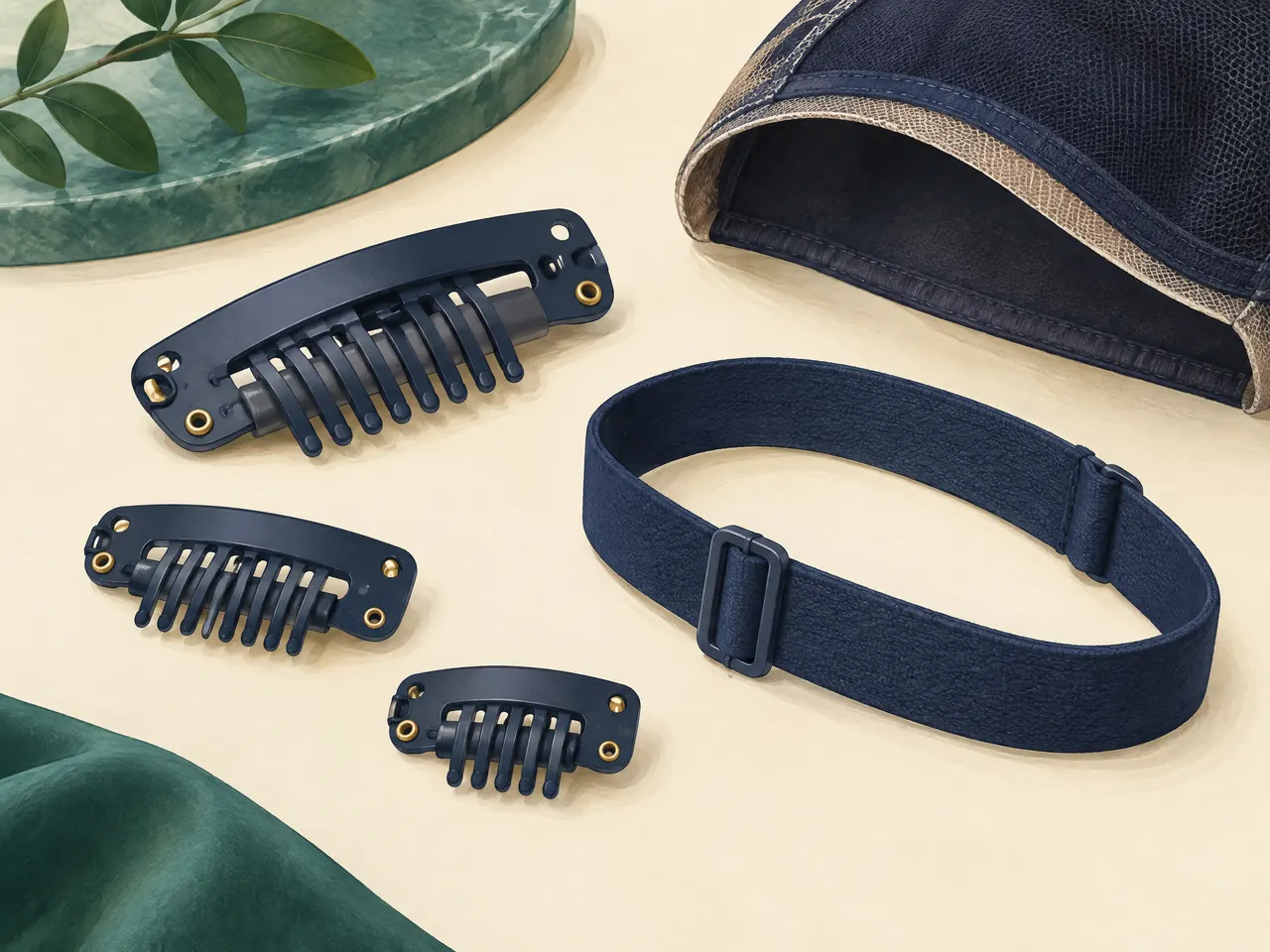
Generic hairpiece clips, a soft adjustable band and an empty sample cap edge arranged separately on a tabletop
Illustrative attachment components for supplier questions; not instructions to add or adjust them on your own piece.Generated illustrative image

Reset a boundary when you have already shared something

You can change what you are comfortable discussing after an earlier conversation. Be specific about the next step: ‘I told you about the wig privately; please don’t mention it at dinner.’ If a detail has already travelled, ask the friend who shared it to stop repeating it and to avoid adding an explanation on your behalf. That request cannot guarantee that others will forget what they heard, but it makes your present preference clear.

Treat photographs and captions separately from spoken details. You might ask for a caption to be changed while leaving a picture up, or request that the image itself be removed. Keep the request focused on what you want changed rather than feeling obliged to give more personal information to justify it.

Clinic enquiries

Contact and appointment arrangements

Clinics
Prince Edward and Kwun Tong
Opening hours
11:00–21:00
WhatsApp and telephone
+852 6940 5663

Appointments, practitioner availability and service arrangements are confirmed via WhatsApp.

Please mention any consultation language needs in your WhatsApp enquiry so that arrangements can be confirmed.

Enquire via WhatsApp
Food, gifts and floral lifeWhatsApp enquiry