
Prince Edward & Kwun Tong clinics · Home-visit enquiries elsewhere

TCM Lab

TCM Lab · Beauty & lifestyle / Materials and construction

Hand-tied and low-density wigs: separate construction from fullness

Content updated

A flatter crown and a softer-feeling cap are different goals. Learn to compare the hair you see with the construction you wear, then test both against your normal routine.

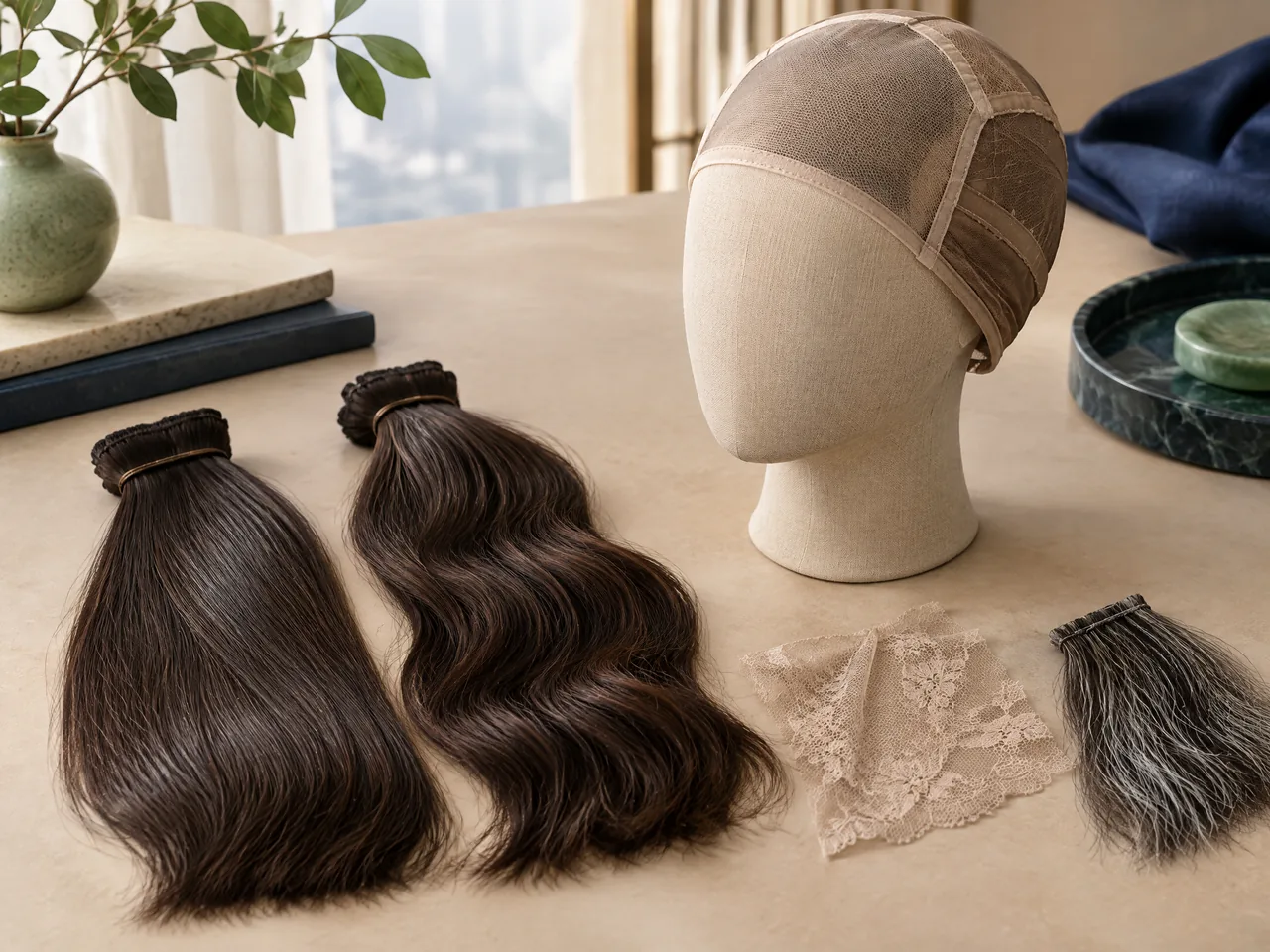
Illustrative hair materials, cap construction and grey colour swatches
Illustrative wig-lifestyle concept; not an OWNSTRAND product photograph or a client record.

The short answer

Hand-tied describes how hair is attached to specified cap areas; low-density describes reduced hair fullness, not a particular construction. Neither label guarantees the other or promises scalp comfort. Compare the cap map, the shape on your head and the fit with any liner you plan to wear before deciding.

OWNSTRAND is an external wig and hairpiece website under the same ownership as TCM Lab. These appearance and everyday wearing guides are separate from Chinese medicine care, not diagnosis, treatment or a promise of hair growth.

Read the cap before judging the hairstyle

Start with two separate questions: how is the hair attached, and how much fullness do you want? In hand-tied construction, hair or fibre is attached individually to the cap rather than supplied in sewn rows of wefts. A lace front concerns the front hairline, while a monofilament top concerns the top construction and parting. These features can occur together, but one name does not establish the others. Manufacturer guidance treats them as separate features for good reason. [1]

When exploring a hand tied wig, ask to see the inside of the exact style, not just a model photograph. TCM Lab and OWNSTRAND share ownership; the linked pages provide shopping information rather than independent recommendations. Ask which areas are hand-tied, whether the sides or back contain wefts, and where seams or reinforced edges sit. That gives you a useful cap map before comparing how the hair moves.

Bring one styling priority to that inspection. If you normally keep the same part, ask to see that part on the sample. If you sweep hair away from your face, inspect the front separately. Paying for a construction label without checking the feature you actually use leaves the important question unanswered.

Name the area where you want less fullness

A wig can look too full at the crown yet feel right around the face. Instead of asking only for less hair, describe the outline that bothers you: height above the part, width beside the temples, or bulk resting on the collar. If you want to resemble your previous hairstyle, bring photographs showing those areas. Macmillan suggests starting with similar or slightly lower volume when matching your own hair; that is a starting point, not a rule for every wearer. [4]

Use the guide to low density wigs to prepare a specific request, such as a flatter crown with enough side coverage when the hair is tucked back. Ask how the seller describes density for that style and whether it differs by area. A percentage is not useful for comparison unless you know what it measures and whether the same method is used for both samples.

Do not confuse a flatter outline with proof of less hair. Jon Renau illustrates how similar-looking styles can appear differently full because of their cap construction. [2] Compare the hairline, part and back as well as the crown, and choose the amount of visible fullness you like rather than automatically selecting the lowest label.

Compare two samples in your everyday positions

For a useful comparison, ask for samples as close as possible in length, texture and colour. Comparing a curled shoulder-length style with a straight cropped style does not isolate density or construction. Ask the fitter to arrange each sample in the way you would actually wear it. A showroom finish with extra lift is less helpful if you want a quiet, flat shape for work.

Look in the mirror from the front and side, then ask someone to photograph the back with your permission. Sit down and check where the ends meet your collar. Turn your head gently and try your normal ear tuck. Note whether you like the outline after those movements, rather than judging only the still pose. Include a view near a window when comparing colour; the American Cancer Society recommends natural light for matching hair and swatches. [3]

Write down one observation for each sample before switching: crown too high, side shape comfortable, or part wider than preferred. Keep construction and appearance in separate notes. You may find that a hand-tied sample gives the movement you like without being the least full option, or that another construction suits your preferred shape. Neither outcome is a failed comparison.

Test the contact points, not the comfort headline

A soft-feeling base is worth checking, but the word hand-tied does not tell you how every edge will feel against your skin. Inspect the inner seams, adjustment hardware and ear-tab areas with the fitter. During the try-on, distinguish pressure from the cap size from rubbing at a particular point. Ask for a different fit or construction rather than assuming that removing hair from the hairstyle will solve a cap problem.

Fit should be assessed using the specific brand's measurements and instructions, not a universal size chart. [3] Once the fitter has positioned the sample, put your glasses back on and check the space around the ears. Look down as if reading your phone, then return upright. If the edge shifts or a tab presses, report exactly where it happens. Avoid repeatedly tightening the cap yourself just to make it feel secure.

If you intend to use a liner, include it in the fitting. Macmillan notes that a thin cotton liner may help with irritation from the lining, but can also make a wig move more. [4] Retest the fit rather than assuming an extra layer improves everything. A brief appointment can identify obvious problems; it cannot promise comfort throughout a full Hong Kong commute or working day.

Leave room for changes during treatment

If you are choosing a wig before treatment-related hair loss, take reference photographs while your usual hairstyle is available. Ask how the fitting can be reviewed if the amount of hair under the cap changes. The American Cancer Society recommends planning ahead and checking adjustability when fitting before hair loss. [3] Request instructions for the actual adjustment system rather than a promise that one size will accommodate every stage.

When reading about chemotherapy wigs, separate appearance preferences from scalp-care decisions. Explain whether you want a familiar outline, easy removal or a simple daily routine, and ask which available samples match those priorities. A low-fullness style is not a treatment, and a hand-tied cap is not a guarantee against irritation. Questions about sore or damaged skin, or using adhesive during treatment, belong with your care team; Macmillan advises checking tape use and removal with a doctor or nurse. [4]

Make the appointment manageable. Ask about privacy and whether you can bring someone whose opinion you trust. You do not need to settle on a wig immediately. A scarf or other head covering can be an appearance choice on days when you do not want to wear one. Plan for choice, rather than treating continuous wig wear as the goal.

Agree on the finished shape before changing the hair

If the fit works but the silhouette feels bulky, ask the fitter whether arranging the part or changing the cut would address that specific area. The American Cancer Society notes that a stylist can trim or thin a wig when needed. [3] Request an explanation of the proposed change before agreeing. Less hair everywhere may not be what you wanted if only the fringe or crown needed attention.

Check the return and alteration terms before cutting or thinning. Ask to see the selected style in its unaltered state first, and confirm which changes would make it non-returnable. [3] Do not attempt to remove knots or cut into the base to reduce fullness. The hair attachment and the finished haircut are different parts of the product; any proposed work should respect its construction.

Finally, ask for a care demonstration for that exact fibre and cap. Hand-tied does not mean human hair or heat-resistant fibre. Manufacturer guidance separates fibre choice from cap construction, and each affects your routine. [1] Confirm the suitable combing method, washing instructions and whether heat is allowed. Keep your fitting notes so a later visit can address a specific change in shape or comfort instead of starting again with a broad label.

Take it into everyday life

A practical checklist

  • Bring front, side and back reference photographs if you want to match a familiar hairstyle.
  • Name the area where you want less bulk: crown, temples, fringe or collar.
  • Ask to see the exact cap inside and identify hand-tied areas, wefts, seams and edges.
  • Compare samples with similar length and texture, arranged in your usual style.
  • Try glasses, an ear tuck and gentle head movements; record any pressure or shifting.
  • Include the liner you plan to wear and ask how fit can be reviewed if your underlying hair changes.
  • Confirm return terms before approving trimming, thinning or other alterations.
  • Get care instructions for the specific fibre and cap, and take treatment-related skin or adhesive questions to your care team.

Questions & answers

Can a hand-tied wig still look quite full?

Yes. Hand tying is an attachment method, not a promise of low fullness. The finished outline also depends on the hairstyle and how the hair lies. Jon Renau's density comparison shows why construction can affect perceived fullness. [2] Compare the crown and sides on your head instead of treating the label as a density measurement.

Does a low-density label mean the wig will be cooler?

The label alone cannot establish that. It does not specify the whole cap, its contact points or the liner you will use. Ask to inspect the construction and try the intended combination. Macmillan notes that liners can affect stability as well as help with lining irritation. [4] Treat a short fitting as a check for obvious issues, not a full-day cooling guarantee.

Is a low-density full wig the same as a topper?

No. Density concerns fullness; a topper concerns coverage of a limited area. The American Cancer Society distinguishes a full wig covering the whole head from a topper adding coverage at the top. [3] Decide which area you need covered before comparing how much hair you want on that product.

Should I thin a wig immediately if its crown looks too high?

First ask the fitter to check placement and show the part arranged your way. Then discuss whether a targeted cut would help. A stylist may trim or thin a wig, but confirm alteration and return terms before proceeding. [3] Describe the area you dislike so the proposed change does not remove fullness you wanted elsewhere.

What should I ask if my scalp becomes sensitive during chemotherapy?

Ask the fitter to reassess size and the exact rubbing or pressure point, including any liner. Do not assume a construction label makes the wig suitable for sore skin. Consult your care team about skin symptoms and before using adhesive; Macmillan specifically advises checking tape use and removal with a doctor or nurse during treatment. [4] Wearing a wig remains optional.

Sources & further context

Numbered references follow the source order below. Product and service websites provide appearance-related context, not medical evidence.

  1. [1] Jon Renau — The Beginner’s Guide to Wig Buying
  2. [2] Jon Renau — All About Density
  3. [3] American Cancer Society — Wigs for Hair Loss
  4. [4] Macmillan Cancer Support — Wigs for cancer treatment

Keep a separate specification card for each sample

Give each sample its own note headed with the style name and colour reference. Divide the note into seller-confirmed specifications, what you observed on your head, and questions still unanswered. Under specifications, record the stated fibre and which cap areas are hand-tied. Keep these separate: manufacturer guidance treats fibre, cap construction and length as different choices. [1] Under observations, describe the crown and side outline in your usual part. This prevents a preferred silhouette from becoming an assumed specification when you compare the samples later.

Ask the fitter to check the completed note against the exact item you are considering. If a description says only 'hand-tied top', do not record 'fully hand-tied'. If a low-density label has no explained measurement method, retain the seller's wording rather than assigning your own percentage. Mark an unanswered question as unresolved. A photograph of the outside can remind you of the shape, but it cannot confirm the fibre or the unseen cap panels.
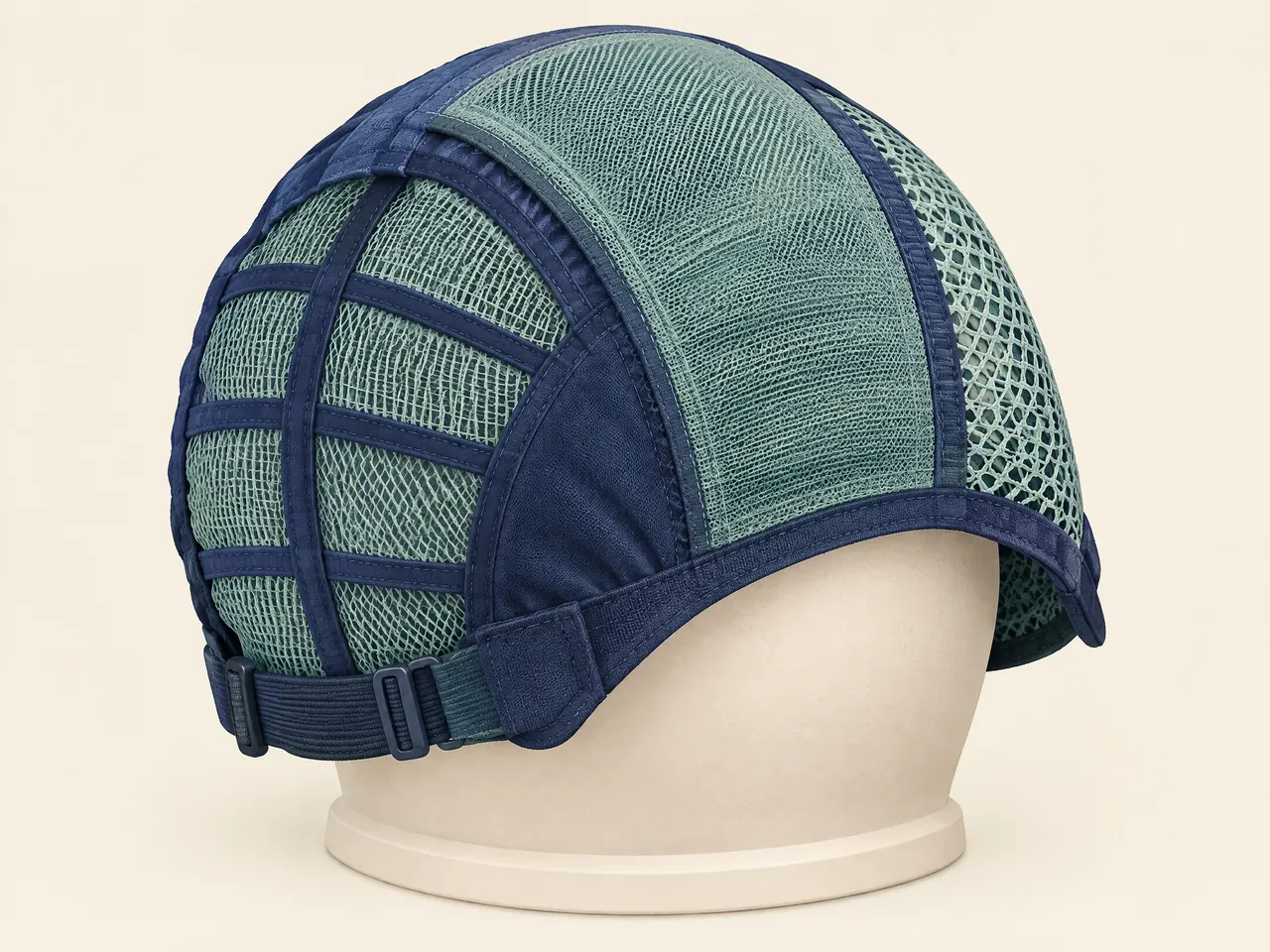
Inside-out generic wig cap on a plain dome stand, showing mesh panels and an adjustable band
Illustrative cap interior for recording questions about the exact sample; not an OWNSTRAND product photograph.Generated illustrative image
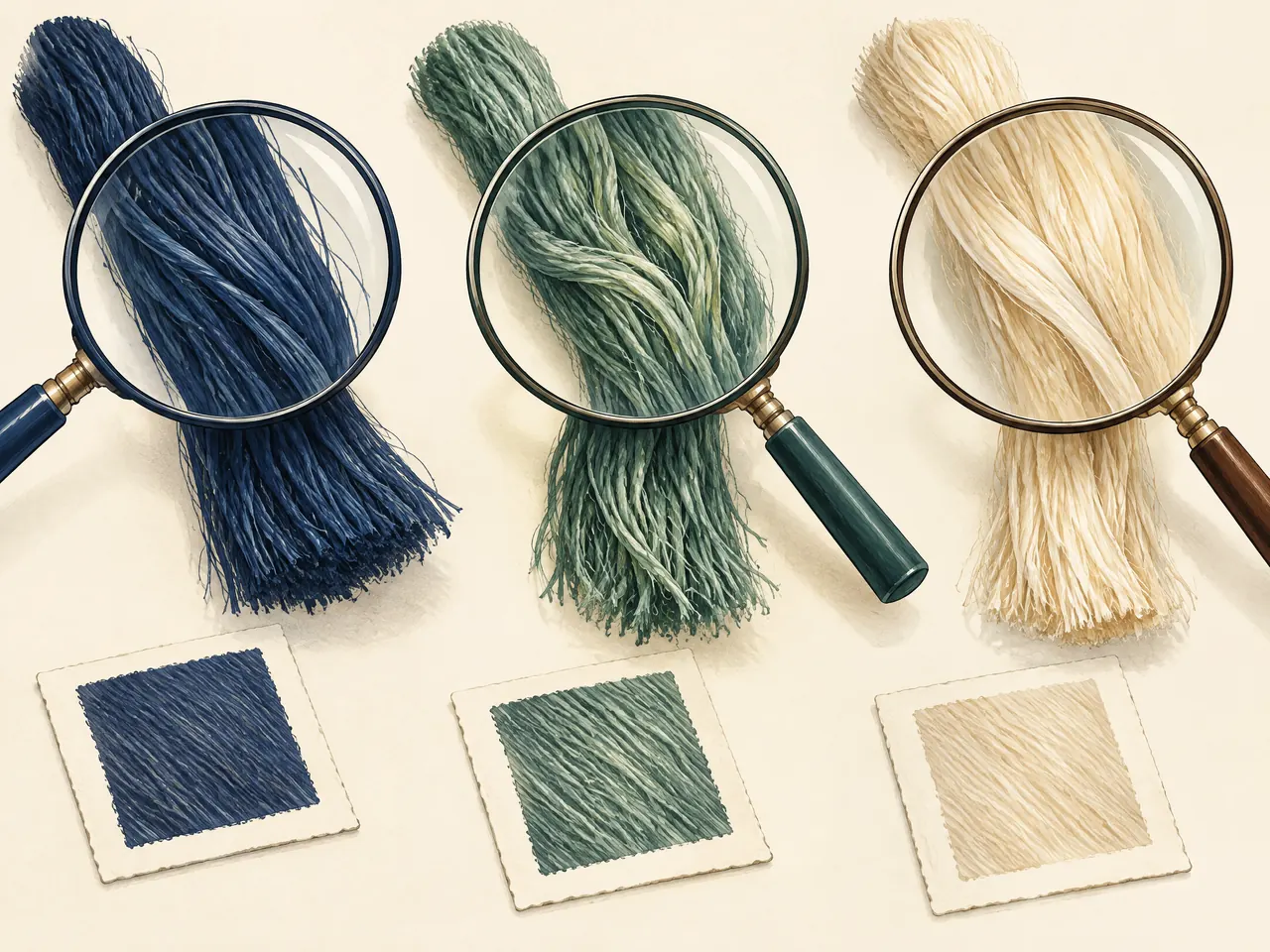
Three separate bundles of hair-like fibres beneath a magnifying lens beside unlabelled sample cards
Illustrative fibre samples prompt specification questions; their appearance does not identify a material or prove its quality.Generated illustrative image

Record the fitting setup before switching samples

Beside each sample's shape notes, record whether you wore a liner, how your own hair was arranged underneath and which adjustments the fitter used. Ask which measurement or fit question remains unresolved before you compare the next cap. The American Cancer Society advises checking the particular brand's sizing and following the wig's own fitting directions. [3] Do not copy an adjustment position from one model to another and assume that the two now fit equally.

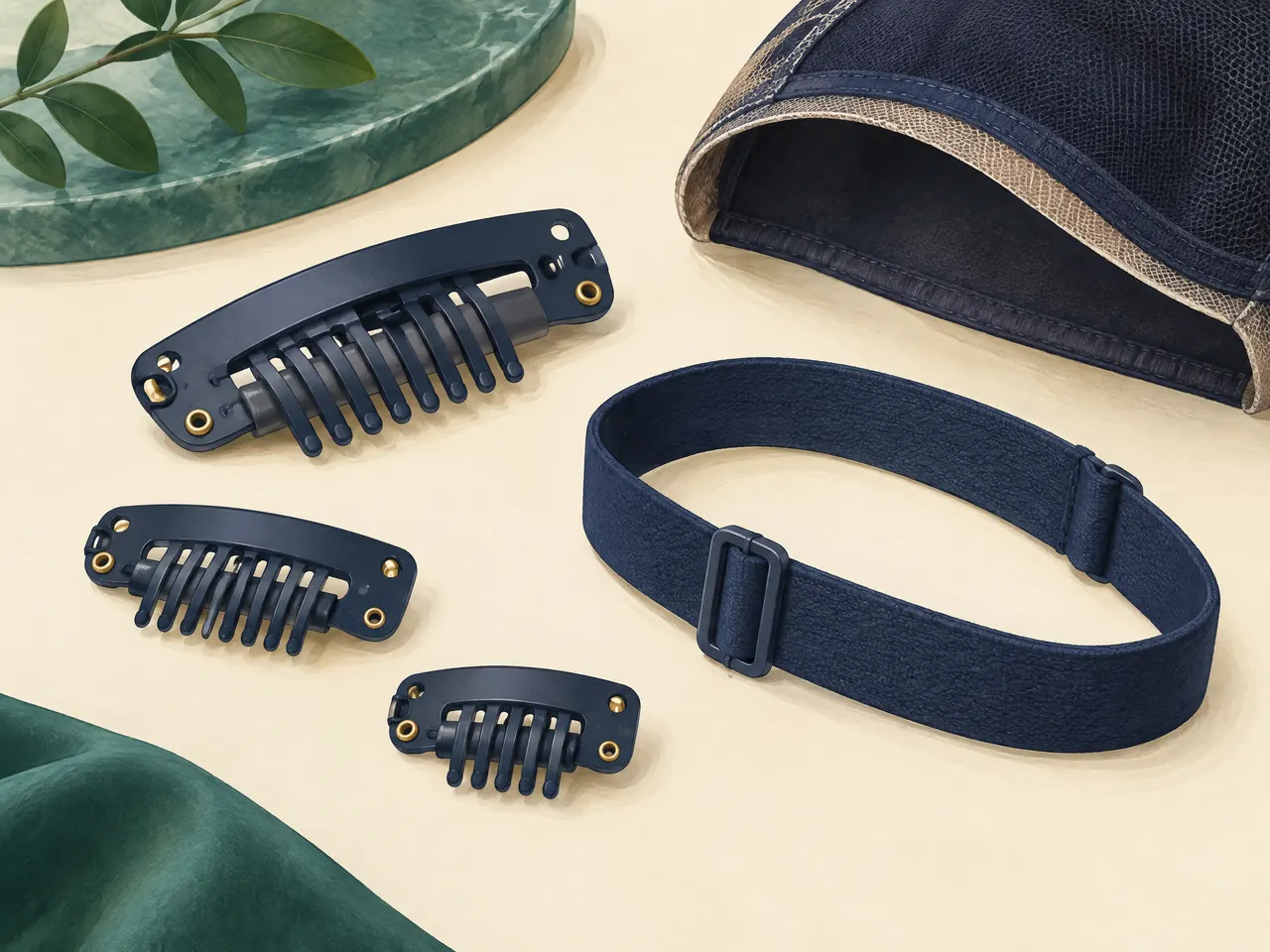
Ask for a demonstration of the intended adjustment and removal sequence, including any band or clips actually present. Note what you are expected to operate and what should be left alone. If the outline changes after an adjustment, record that separately from your density preference. For example, 'I like the crown when the fitter positions this cap' is a different finding from 'I want less hair at the crown'. Take unresolved pressure or shifting back to the fitter rather than approving thinning as a substitute for a fit review.

Fabric measuring tape loosely encircling a blank mannequin dome beside an empty fit-note card and mirror
Conceptual fitting materials, not a measurement diagram or a universal size recommendation.Generated illustrative image
Separate generic hairpiece clips, a soft adjustable band and an empty sample cap edge on a tabletop
Illustrative attachment components; ask which, if any, belong to the selected wig and how its maker intends them to be used.Generated illustrative image

Ask how the preferred shape is restored after care

Before choosing the flatter-looking sample, ask whether its displayed finish has been specially styled. Then ask the fitter to explain how you would return it to your preferred part and outline after washing. Request the instructions for that exact fibre and cap rather than a single routine for all hand-tied wigs. The American Cancer Society distinguishes wig care from ordinary hair care and cautions against heat tools unless the wig is heat-resistant. [3] A construction label alone is not permission to blow-dry the crown flat.

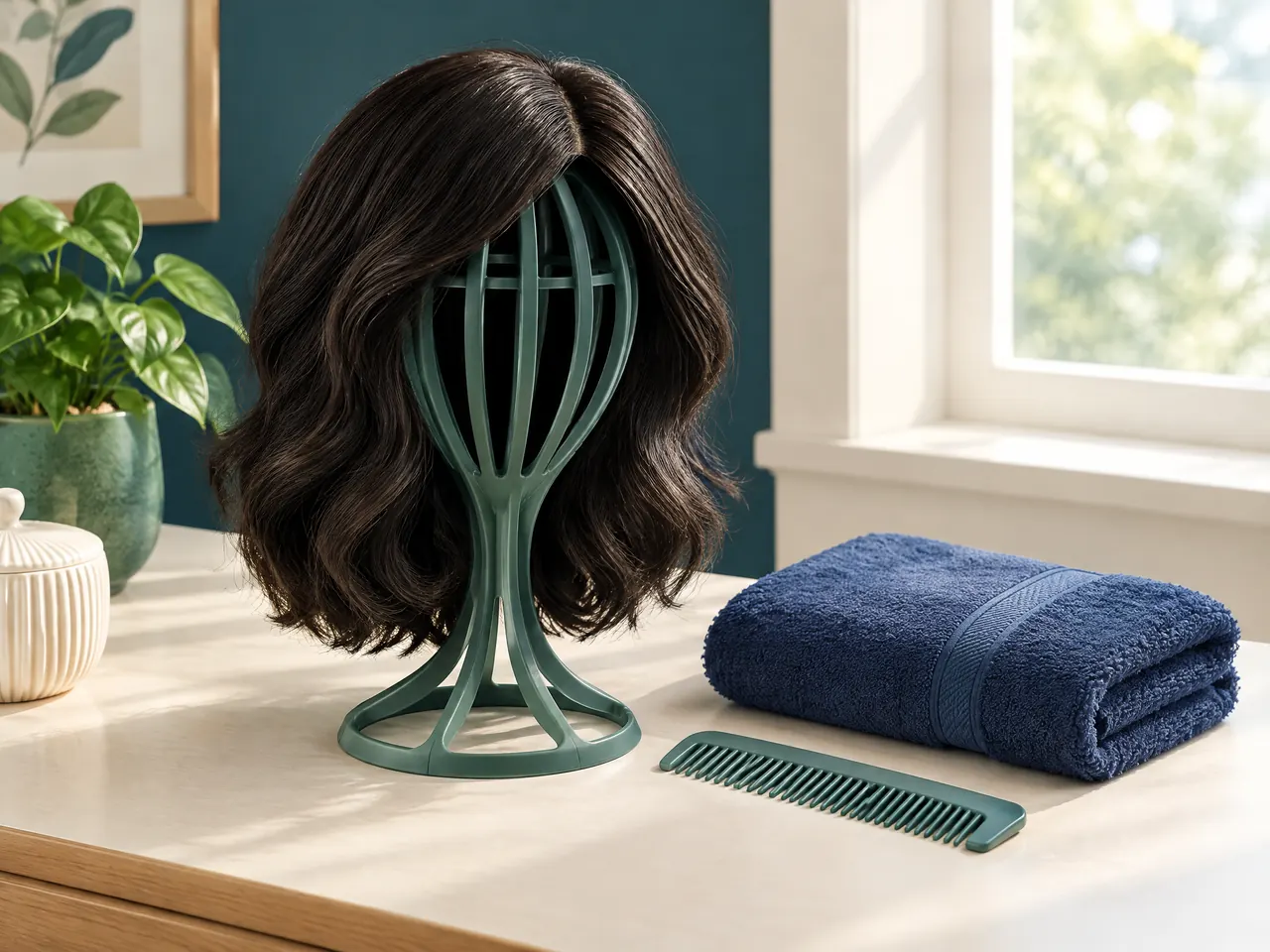
Use the care demonstration to clarify which comb or brush suits the selected texture, when handling is allowed during drying, and which stand or storage arrangement the maker recommends. Write down any steps needed to restore the fringe or part. Compare that effort with what you are willing to do on a wash day, not just how easy the sample looks in the mirror. The illustration of a stand is a prompt for those questions; it does not establish a drying method or promise that a low-fullness outline will maintain itself.
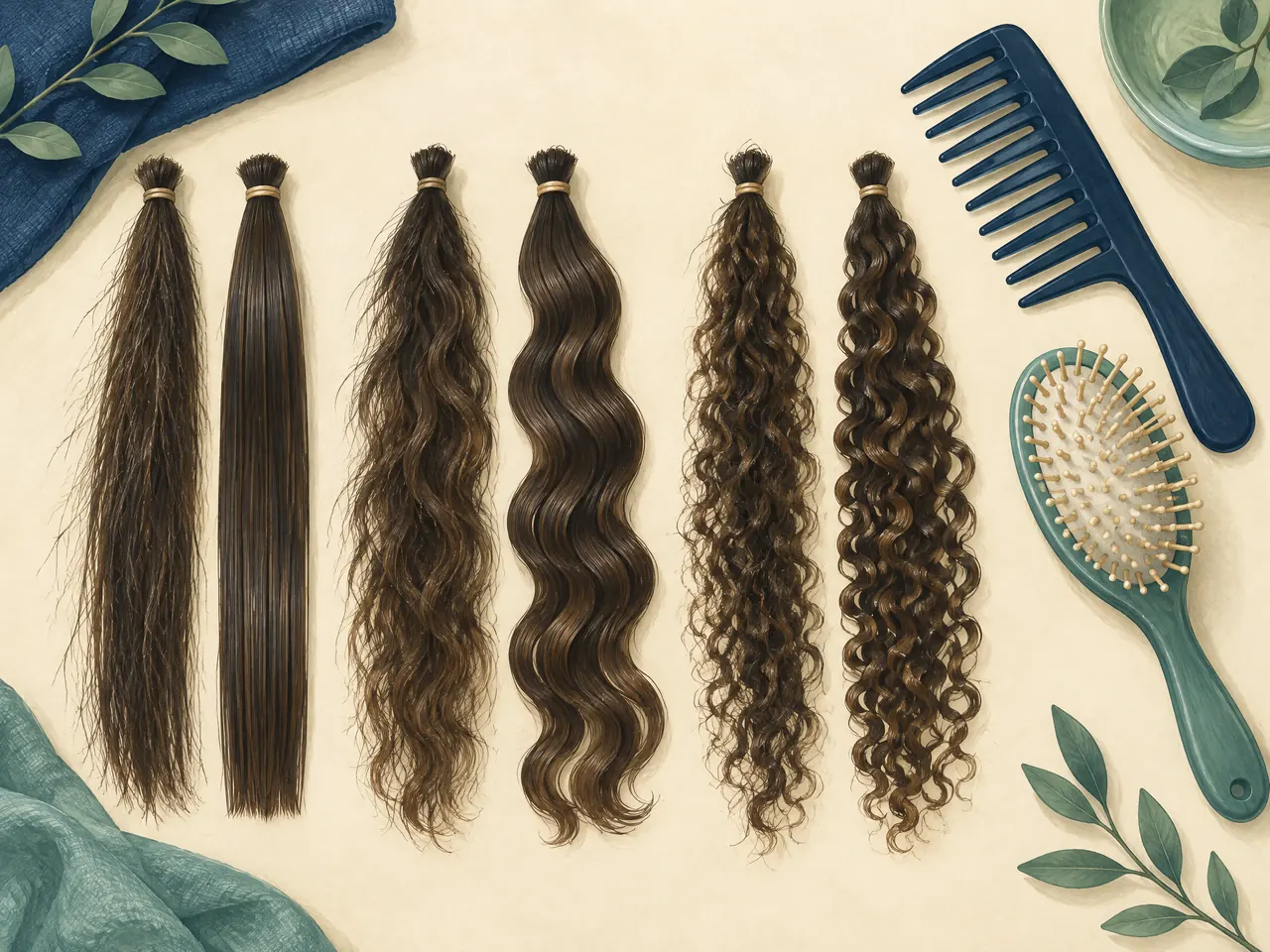
Separate straight, wavy and curly practice hair tresses beside a wide-tooth comb and soft brush
Illustrative textures and tools for discussing care; the selected wig's instructions determine suitable handling.Generated illustrative image
Anonymous wig on an open ventilated stand beside a folded towel and unbranded comb near indirect daylight
Illustrative stand and care objects, not a prescribed drying routine or a demonstration of a styling result.Generated illustrative image

Clinic enquiries

Contact and appointment arrangements

Clinics
Prince Edward and Kwun Tong
Opening hours
11:00–21:00
WhatsApp and telephone
+852 6940 5663

Appointments, practitioner availability and service arrangements are confirmed via WhatsApp.

Please mention any consultation language needs in your WhatsApp enquiry so that arrangements can be confirmed.

Enquire via WhatsApp
Food, gifts and floral lifeWhatsApp enquiry