Ask for separate proposals when coverage changes
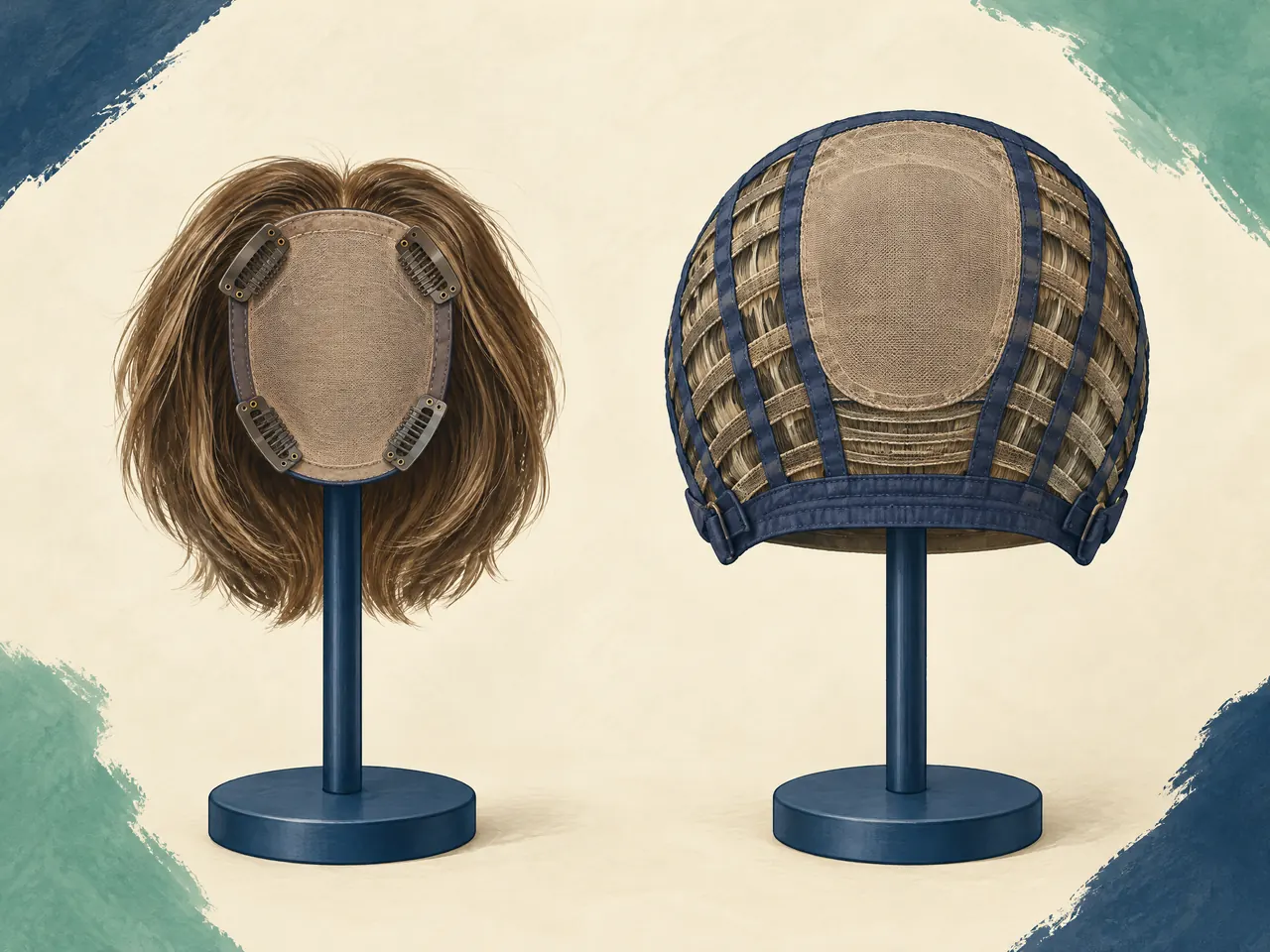
Suppose you ask about a crown piece and the seller also suggests a full wig. Keep both proposals, but do not treat the second as simply a higher-priced version of the first. For each, describe which areas remain covered by your own hair and the finished outline you want. Then ask which measurement and fitting work applies to that proposal. OWNSTRAND's quotation guidance separates coverage categories and requires the applicable service steps to be confirmed for the selected option. [1]
For a full wig, check the maker's sizing approach; the American Cancer Society notes that size charts can vary between brands. [3] For a partial piece, ask how the proposed footprint relates to the area you want covered. If the seller changes the coverage during the discussion, request an updated quote showing which item and fitting steps changed. This lets you decide whether the alternative solves a different appearance need before comparing its cost.

Keep a sample specification alongside the quotation
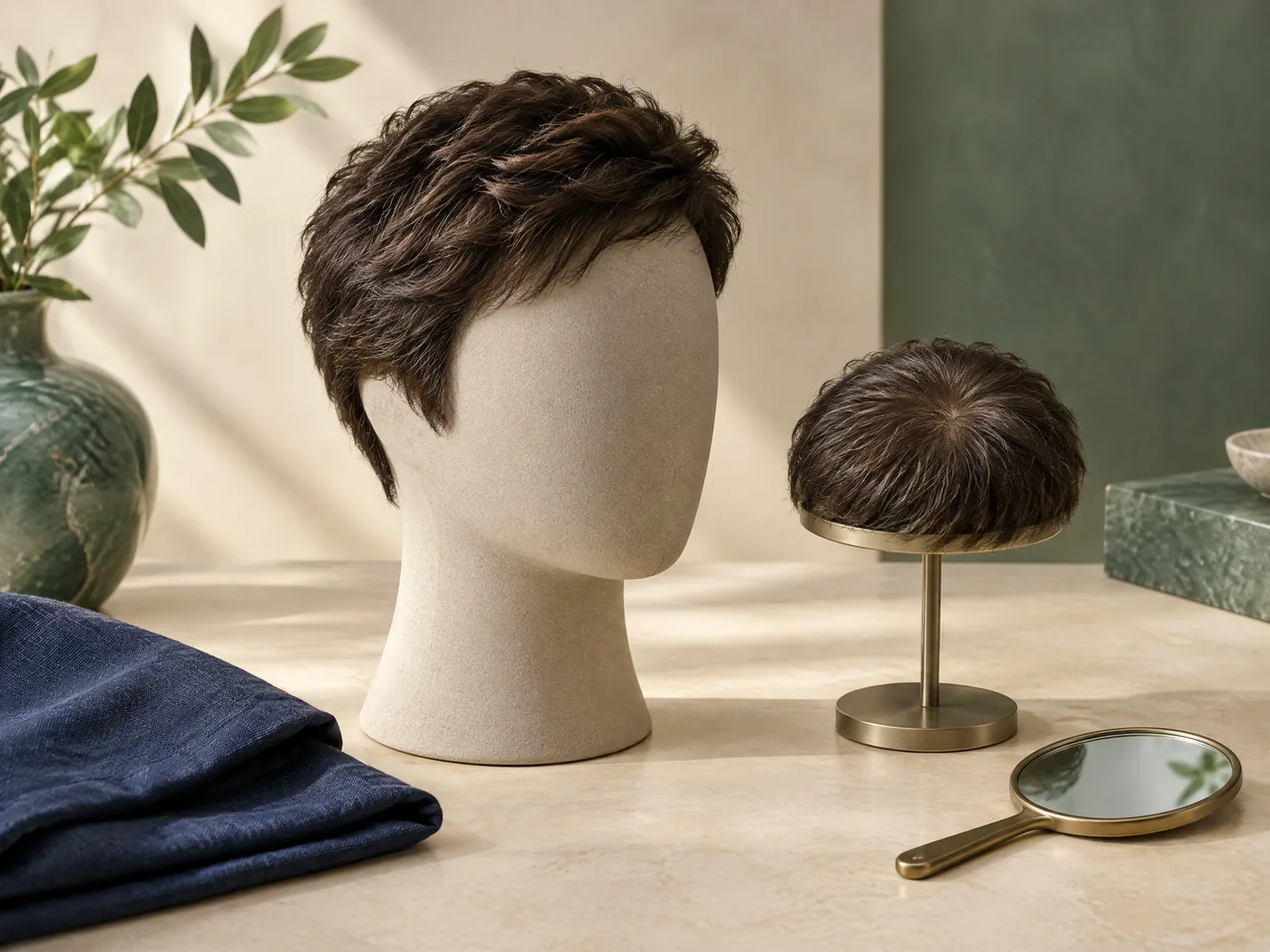
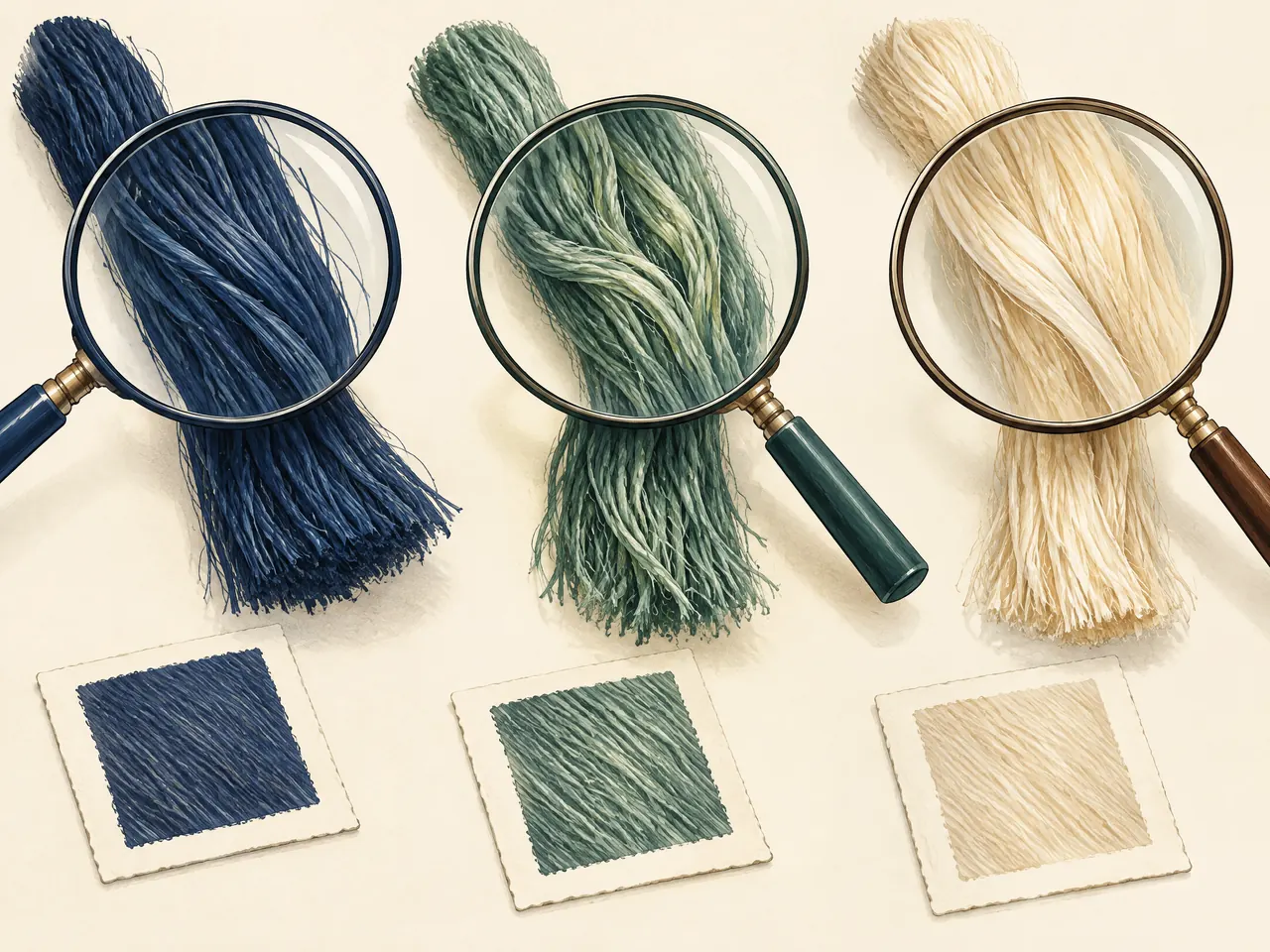
A sample can help you explain a preference without settling every detail of the purchase. Ask which features of the sample would carry over to the quoted piece and which would differ. Record those differences beside the sample reference: perhaps you like its texture but want another length, or its shade is suitable but the grey blend needs discussion. Ask the seller to confirm the hair material in writing rather than identify it from appearance alone. Keep any revised specification with the corresponding quotation.
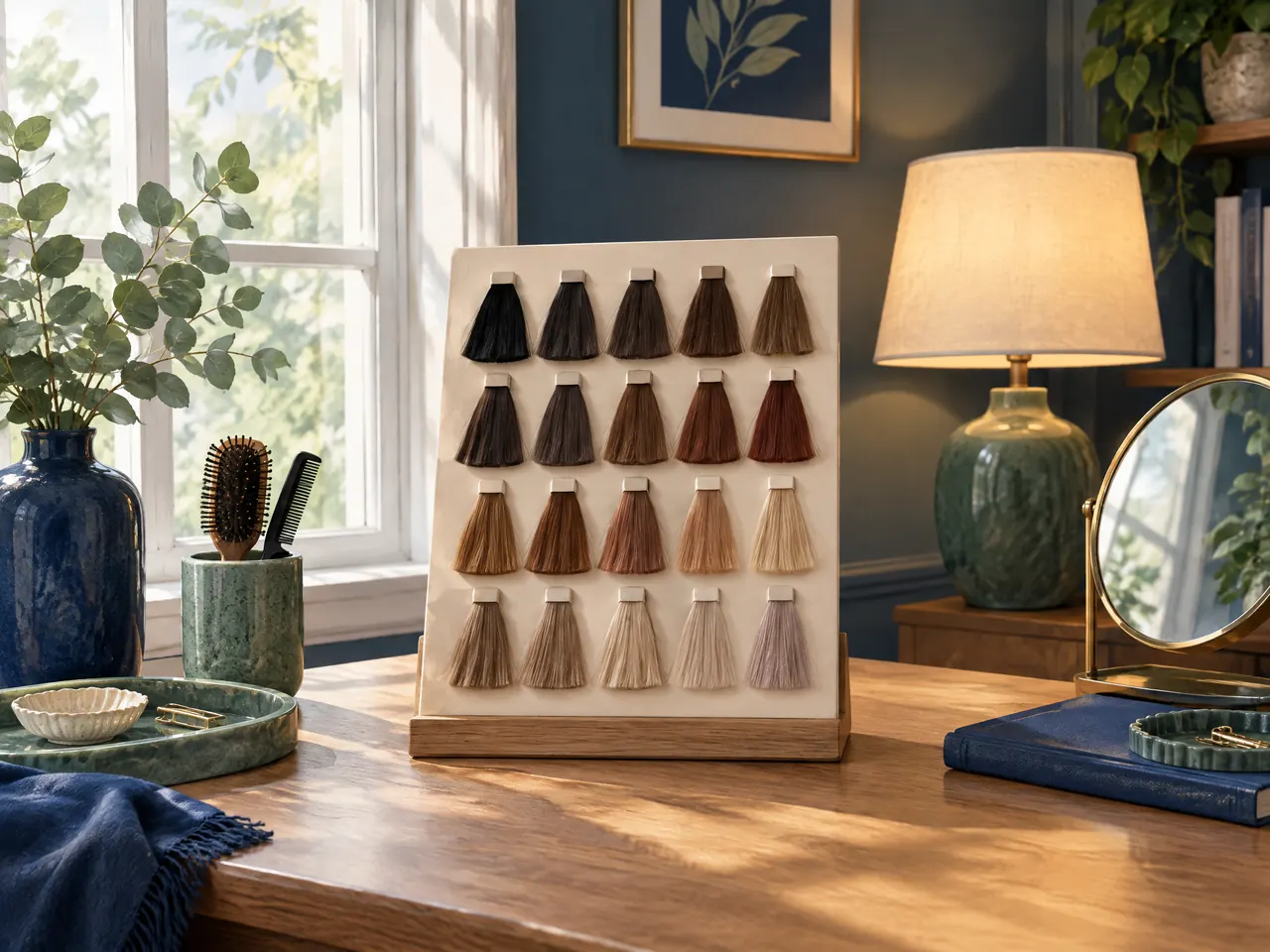
Give colour its own record. The American Cancer Society recommends comparing a hair reference with wig swatches in natural light. [3] With permission, note the sample's colour reference and where you viewed it, then ask whether the quoted colour is the one you assessed or a proposed alternative. A photograph can remind you of the discussion, but ask for written confirmation of the selected shade and any agreed grey proportion. This avoids accepting a quote whose colour details still describe an earlier sample.
Separate the care kit from repeat purchases
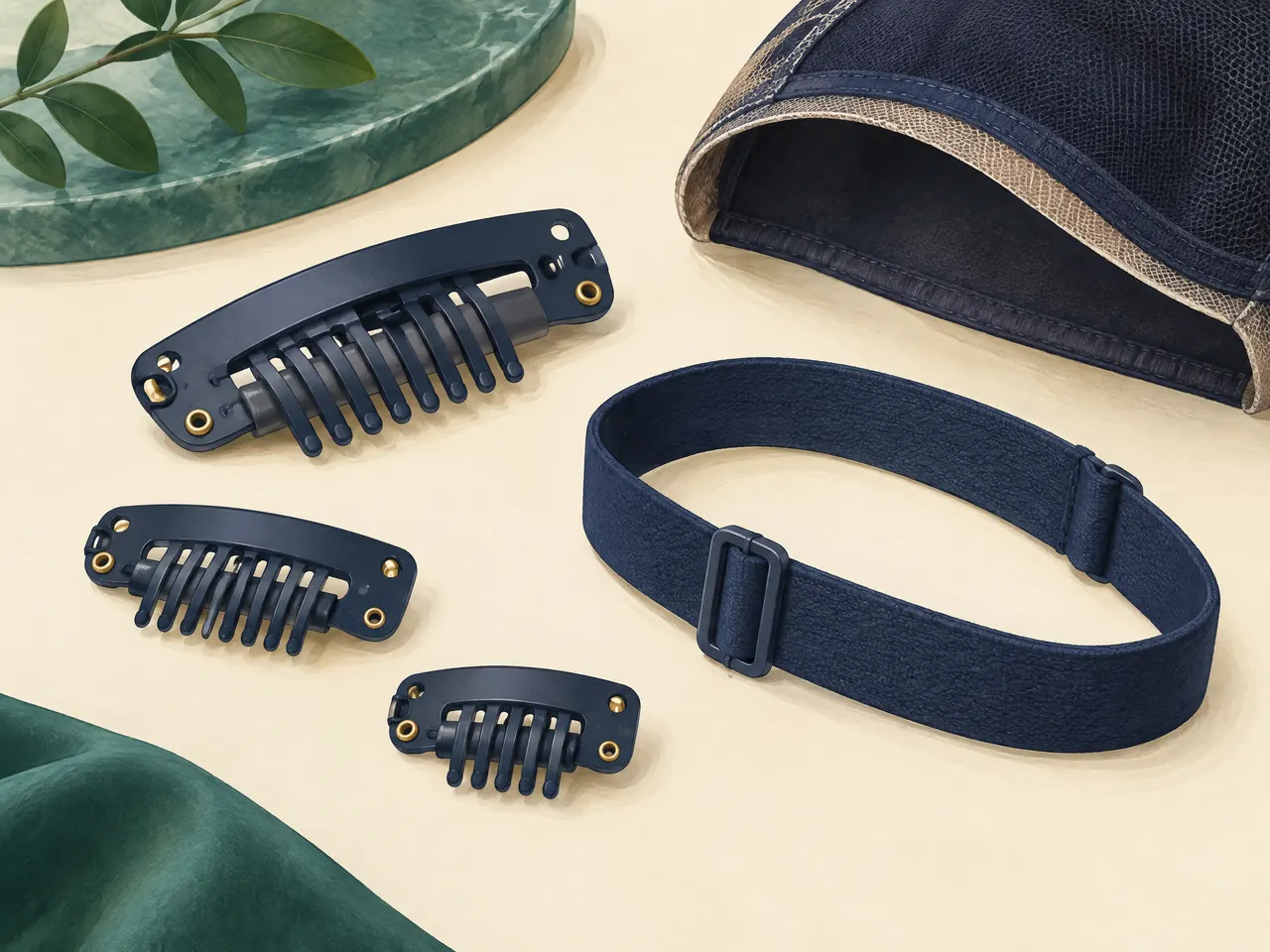
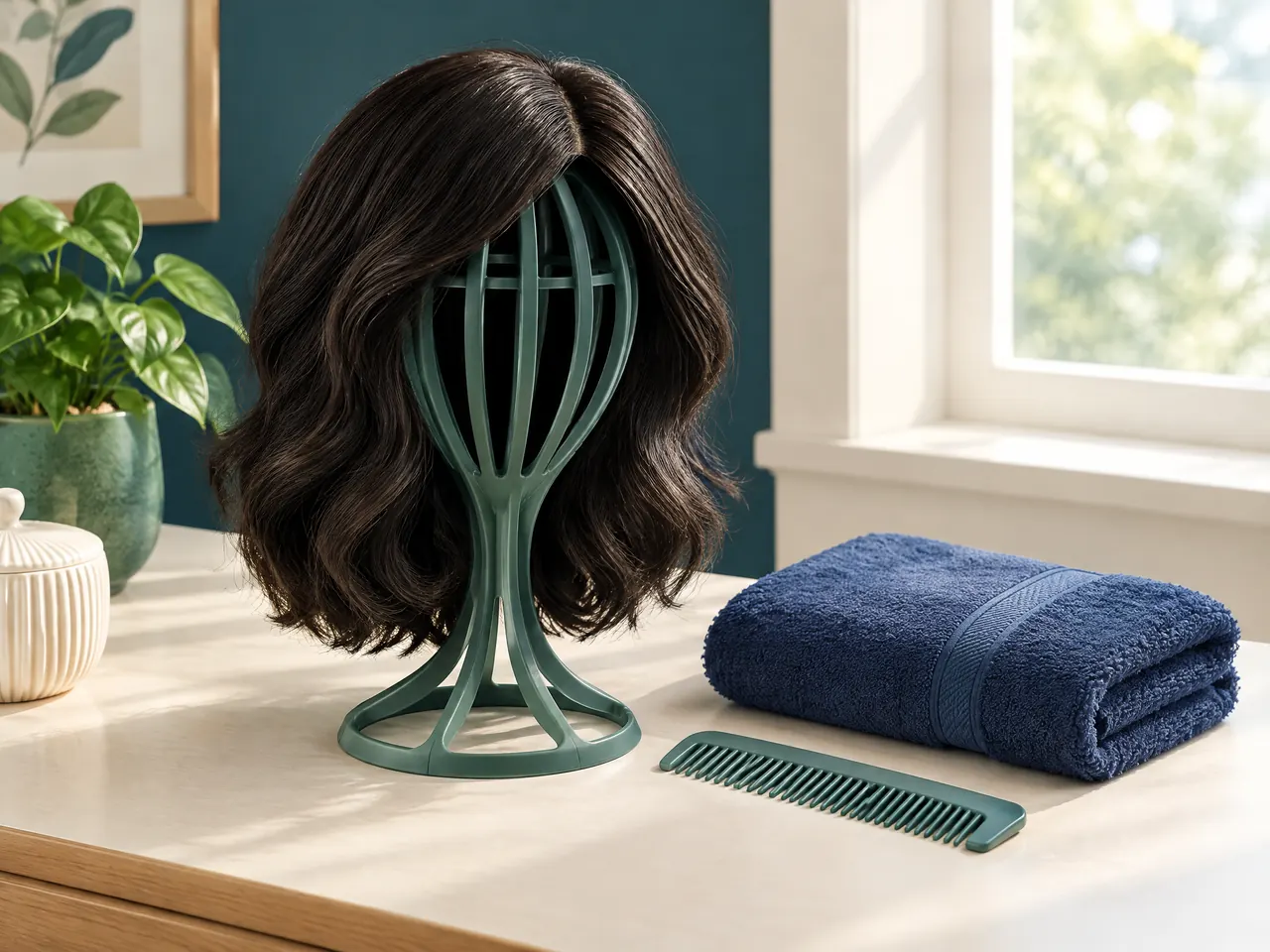
When the seller demonstrates care, ask which objects you would need to own and which supplies you would need to replace. If a starter kit is offered, request its contents and confirm whether it is included in the quote. List a suitable stand or other reusable equipment separately from products consumed during care. For an attachment supply, ask which exact product is intended for this piece and what quantity is supplied; the presence of clips or a band in a sample does not establish your item's fastening arrangement.
Ask the supplier to explain the drying and storage setup for the selected piece before buying equipment. If a stand is demonstrated, confirm whether it is supplied and suitable for your item rather than copy a general illustration. Add confirmed equipment costs to the initial budget, then keep replenishment purchases separate. Where the seller cannot estimate how quickly you would use a product, leave that frequency open. If you would need paid help with part of the demonstrated routine, ask for that service's scope and price instead of assuming the starter kit covers it.