
Prince Edward & Kwun Tong clinics · Home-visit enquiries elsewhere

TCM Lab

TCM Lab · Beauty & lifestyle / Men’s appearance choices

A hair system is a product choice, not a promise of new hair

Content updated

Choose the area you want covered before choosing a hairstyle. A useful men's hairpiece enquiry also explains how you want to take it off, what you can maintain at home and which custom details need confirmation.

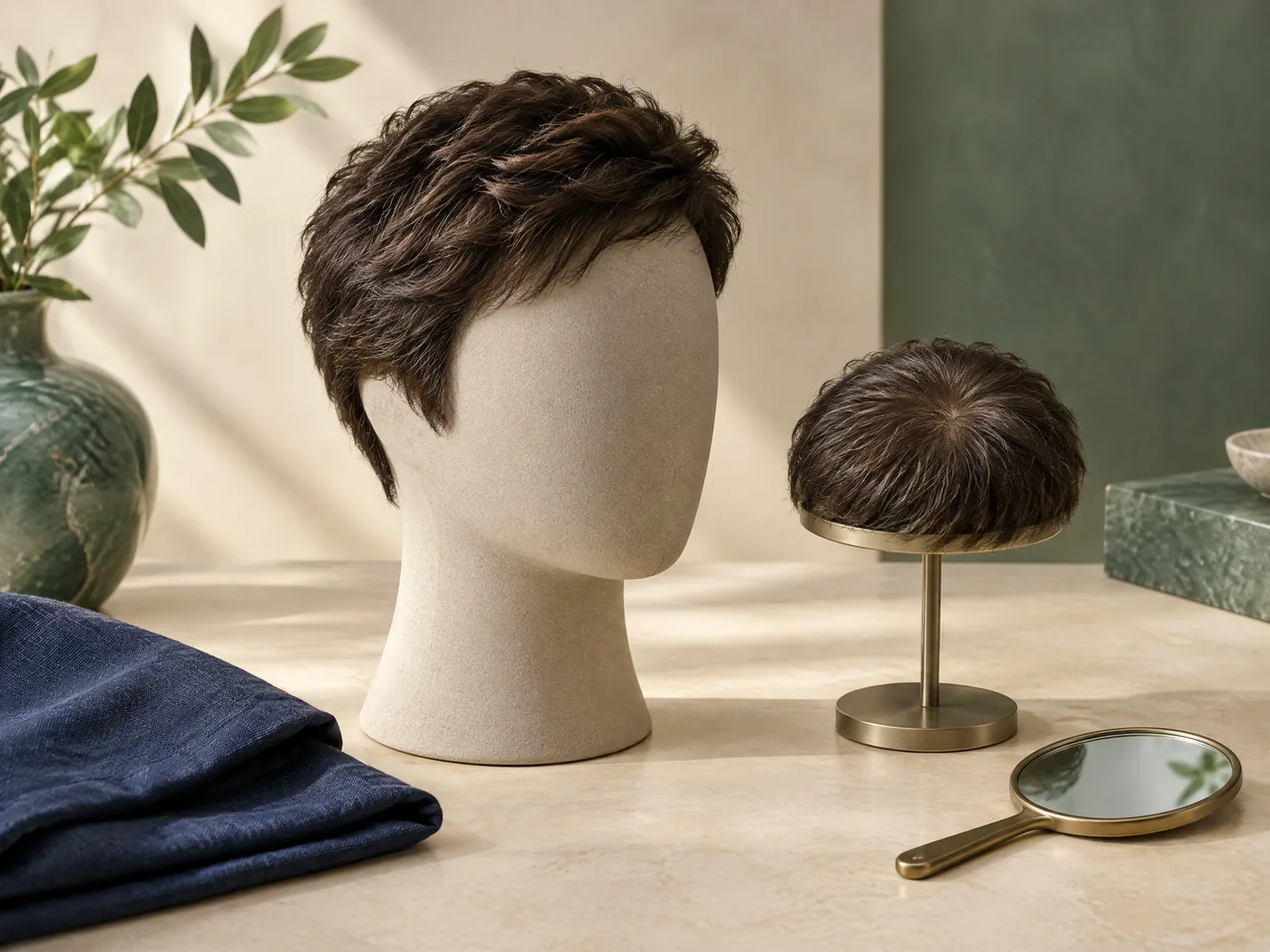
Illustrative men’s wig and partial hairpiece
Illustrative wig-lifestyle concept; not an OWNSTRAND product photograph or a client record.

The short answer

A hair system adds the appearance of hair; it does not grow hair or stop hair loss. Compare its coverage outline with your existing hair, ask whether the base is stock-sized or made to measurements, and confirm the attachment and removal routine for the exact item. Custom does not automatically mean better, and removable does not automatically mean adhesive-free. Treat a viewing or enquiry as a chance to clarify details, not a confirmed order or installation service.

OWNSTRAND is an external wig and hairpiece website under the same ownership as TCM Lab. These appearance and everyday wearing guides are separate from Chinese medicine care, not diagnosis, treatment or a promise of hair growth.

Define the appearance you want, not a regrowth outcome

Start with a sentence you can actually assess in a mirror: ‘I want less scalp showing at the crown’ or ‘I want a fringe that works with my existing sides.’ That is a clearer shopping goal than ‘I want my hair back.’ The American Academy of Dermatology explains that wigs and concealers cannot slow hair loss or help hair regrow. A fuller-looking hairstyle and a change in hair growth are different outcomes.[1]

Keep a separate question for your scalp. If thinning is new or unexplained, arrange a medical assessment rather than asking a shop to identify the cause from photographs. A dermatologist can examine the scalp and take a history before discussing treatment. You can still consider an appearance option, but its selection should not stand in for that assessment or decide whether you need treatment.[1]

For product browsing, OWNSTRAND's hair system page can help you frame an enquiry about coverage and wearing arrangements. Read it with your own appearance goal beside you, rather than expecting the category name to specify the item. TCM Lab and OWNSTRAND share ownership; this link provides product information, not an independent recommendation.[5]

Compare the coverage outline with the hair you are keeping

Take front, side and crown photographs with your hair arranged as you normally wear it. Use them to mark the area you would like covered, without guessing an attachment line. A small crown piece and a piece extending towards the front create different fitting questions. Ask the fitter to explain where the base would end and how its hair would meet the sides and back you intend to keep.[2]

Separate a men's partial system from a full wig and from a topper used for localised coverage. The American Cancer Society describes toppers as adding coverage on top and full wigs as covering the whole head. Those descriptions help identify broad options, but they do not establish the dimensions or fastening of a particular men's piece. Ask to see the base shape, not just the hairstyle photograph.[3]

Consider two versions of your preferred look: one with the front brushed back and one with a fringe. Discuss what each would reveal at the hairline and perimeter. Do not choose the fullest sample simply because it looks impressive on its own. Compare density with your remaining hair and decide how much change feels comfortable for work, photographs and ordinary days.[2]

Make custom sizing a written specification

A stock system may be resized, while a custom system can be produced from measurements or a scalp template. Neither route automatically produces a better fit. The American Hair Loss Association notes that stock pieces can still need sizing, positioning and a haircut to blend with existing hair. Ask who performs those steps and whether they are included, rather than treating delivery of the piece as the finished result.[2]

When enquiring about a custom men's hair system, ask which details can actually be specified for your request. Record the proposed outline, dimensions, colour, grey proportion, density and hair direction, then ask what sample or fitting can confirm them. OWNSTRAND describes bespoke human-hair wig enquiries, but does not establish that every men's system design or base is available to order.[2] [5]

Check what happens if the fit or appearance differs from what you expected. Ask when you can review the specification, which changes remain possible before cutting or production, and what adjustment or return terms apply afterwards. For a partial piece, a whole-head circumference alone does not describe the coverage outline. Follow the supplier's measurement method rather than substituting a generic wig-size chart.[2] [3]

Ask how it comes off before agreeing to attachment

Describe your intended routine plainly: ‘I want to remove it at bedtime’ or ‘I would rather arrange help for maintenance.’ Then ask which attachment, if any, supports that routine. Some partial systems use clips; others use tape or liquid adhesive. A piece described as removable might still need adhesive release and cleanup. Do not assume you can switch between methods without checking the base and instructions.[2] [4]

Ask whether your remaining hair provides suitable fastening points and whether any area would need shaving or clipping short. Continuously bonded systems often involve preparing a scalp attachment area, but some removable or clip-based pieces have different requirements. Get that explanation before changing your haircut. The answer should relate to your coverage, existing hair and proposed item, not to a demonstration on someone else's head.[2]

For an adhesive-based option, request a removal demonstration and the exact compatible products. Walker Tape's manufacturer guidance distinguishes removers used on skin from solvents used only on a removed system, so a generic cleaner is not an adequate instruction. Ask about the product's skin-testing directions too. Avoid improvised solvents or pulling a resistant base free; obtain help if the intended release method is unclear.[4]

Try the look against an ordinary working day

Bring reference photographs and, where available, compare colour samples near a window. Natural-light comparison is recommended in general wig-selection guidance. For a partial system, look at the junction with your existing sides as well as the top. Ask permission to photograph the proposed look from your usual video-call angle. A close-up front view alone cannot show how the whole hairstyle works.[2] [3]

If a suitable trial is offered, turn your head, look down and put on your glasses after the piece has been positioned. Note any pulling, pressure or movement rather than trying to tolerate it. Persistent redness, itching, burning or pain should not be concealed with another application of adhesive; remove the system using appropriate instructions and seek assessment of the scalp.[2]

Explain your commute, exercise and travel plans before choosing. Ask what activities the item and attachment instructions permit, what you must do after sweating, and who can help with an edge that lifts. There is no need to accept a universal wear interval or lifespan. Obtain item-specific washing, storage and styling directions, and identify the time and supplies you can realistically manage.[2] [3]

Leave the enquiry with enough information to say yes or no

If you are browsing non-surgical hair replacement Hong Kong, compare what the proposed purchase includes rather than reading ‘non-surgical’ as a medical benefit. OWNSTRAND's page offers an enquiry route in Kwun Tong, not confirmation of a men's system installation service. Before travelling, check whether the requested samples, measurement discussion and any wearing demonstration can be arranged.[5]

Ask for a written breakdown separating the piece from any offered sizing, haircut, attachment, maintenance products and follow-up. Mark anything that remains unconfirmed. If you want a removable arrangement but cannot yet describe how you would release and reattach it, pause the purchase. You can choose a different coverage option, revisit the question later or decide that wearing a piece is not for you.

Take it into everyday life

A practical checklist

  • Write one appearance goal and identify the area you want covered in front, side and crown photographs.
  • Decide whether to compare a partial men's system, a topper or a full wig; request the exact base outline.
  • Record what is stock-sized, what can be customised and who will perform any resizing and haircut.
  • Confirm the attachment method, any shaving requirement and how often you intend to remove the piece.
  • Request item-specific removal and care instructions, including compatible products and skin-testing directions where applicable.
  • Check sample availability and the scope of the appointment before travelling; do not assume installation is offered.
  • Get the price inclusions, adjustment terms and return conditions in writing before ordering or permitting irreversible changes.

Questions & answers

Will wearing a hair system stop the thinning underneath?

No. It supplies cosmetic coverage, not a way to stop loss or grow new hair. Keep questions about changes in your scalp or hair growth separate from questions about the piece. A dermatologist can assess the cause of thinning and discuss whether treatment is appropriate; a fuller-looking hairstyle is not evidence that the underlying condition has improved.[1]

Is custom always worth choosing over a resized stock piece?

Not automatically. Custom can be useful when the required dimensions, colour, density or hair direction cannot be achieved with an appropriate stock piece. Stock pieces may still need resizing and a cut-in. Compare the actual specification, review opportunities and service inclusions, not the labels alone. Ask the supplier to explain what custom would change in your particular enquiry.[2]

Can I wear a removable piece without shaving my head?

Possibly, but the answer depends on the attachment and the hair available around the coverage area. Some partial or clip-based systems do not require the same preparation as a continuously bonded system. Ask where fastening would occur and whether your hair can support it comfortably before shaving or shortening anything. ‘Removable’ alone does not establish a no-shave arrangement.[2]

What should I ask if I have reacted to adhesive before?

Tell the fitter which products caused a reaction, if you know, and ask for the proposed adhesive and remover names before any application. Follow their testing instructions and seek medical advice about a previous reaction or ongoing scalp symptoms. A sensitivity label does not guarantee tolerance. Do not cover irritated skin simply to complete a fitting or extend wear.[2] [4]

Does an OWNSTRAND hair-system enquiry include bonding or fitting?

Do not assume it does. The men's system page does not confirm attachment or installation services. Ask which viewing, measurement and fitting arrangements apply to your exact request, and whether any suitable item is available. Treat an enquiry as a discussion rather than an order, booking confirmation or assurance that all custom designs can be supplied.[5]

Sources & further context

Numbered references follow the source order below. Product and service websites provide appearance-related context, not medical evidence.

  1. [1] American Academy of Dermatology — Hair loss: Diagnosis and treatment
  2. [2] American Hair Loss Association — Men's Hair Systems, Hairpieces and Toupees
  3. [3] American Cancer Society — Wigs for Hair Loss
  4. [4] Walker Tape — How to Remove Hair System Liquid Adhesives
  5. [5] OWNSTRAND — Hair System Guide for Men in Hong Kong

Keep the coverage sketch with the measurements

Ask for the proposed base outline to be marked on a sketch showing the front, sides and back. Keep it beside your current photographs so that a later conversation refers to the same coverage. If you are comparing a partial piece with a full wig, record them as separate options rather than transferring one set of measurements between them. Their coverage differs, and a whole-head size does not describe a partial base.[2] [3]

For each measurement supplied, ask for its units and the points it runs between. Record who took it and whether it describes your head or the proposed piece. Do not measure an attachment area from a hairstyle photograph or cut a template yourself unless the supplier has explained its method. The illustrated measuring tape is a prompt to ask about fitting, not a partial-system sizing guide. OWNSTRAND's enquiry page does not confirm that a particular system can be made from your record.[2] [5]
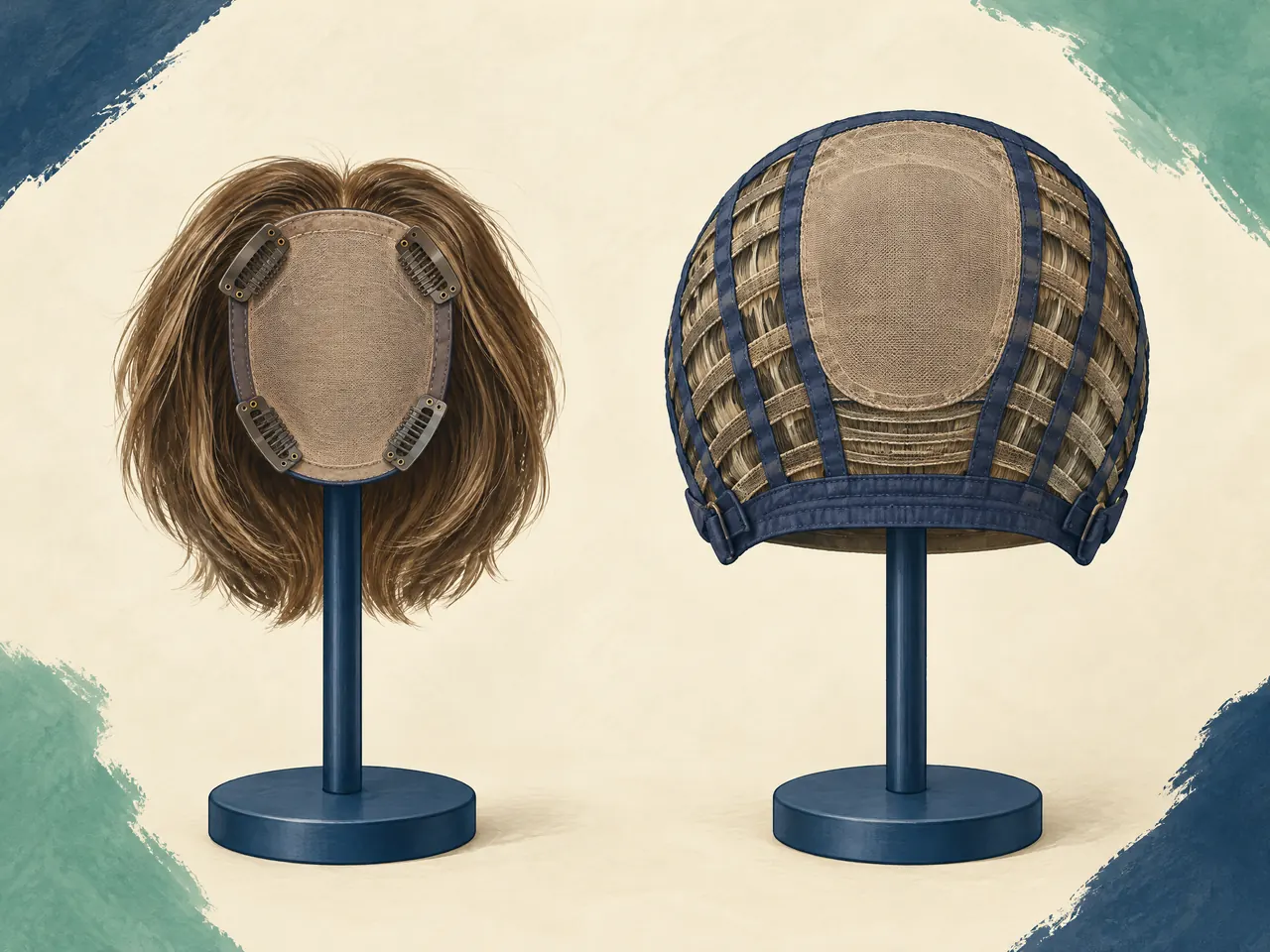

A generic removable topper and an empty full wig cap on separate stands, with their undersides visible
Compare the coverage of a partial piece and a full cap; these illustrative objects do not specify an available men's system.Generated illustrative image
A fabric measuring tape around a blank mannequin dome beside an empty fit-note card and a mirror
Ask what each measurement describes and which method the supplier requires; this illustration is not a sizing instruction.Generated illustrative image

Identify the colour sample and the fibres in the grey blend

When you compare a colour sample near a window, save its name or code rather than relying only on a phone photograph. Ask whether the sample represents the proposed piece and whether its grey proportion can be reproduced for that enquiry. View it beside the hair you are retaining, including the temples if their colour differs from the back. A preferred sample records your choice; it is not confirmation of an exact match or supply.[2] [3] [5]

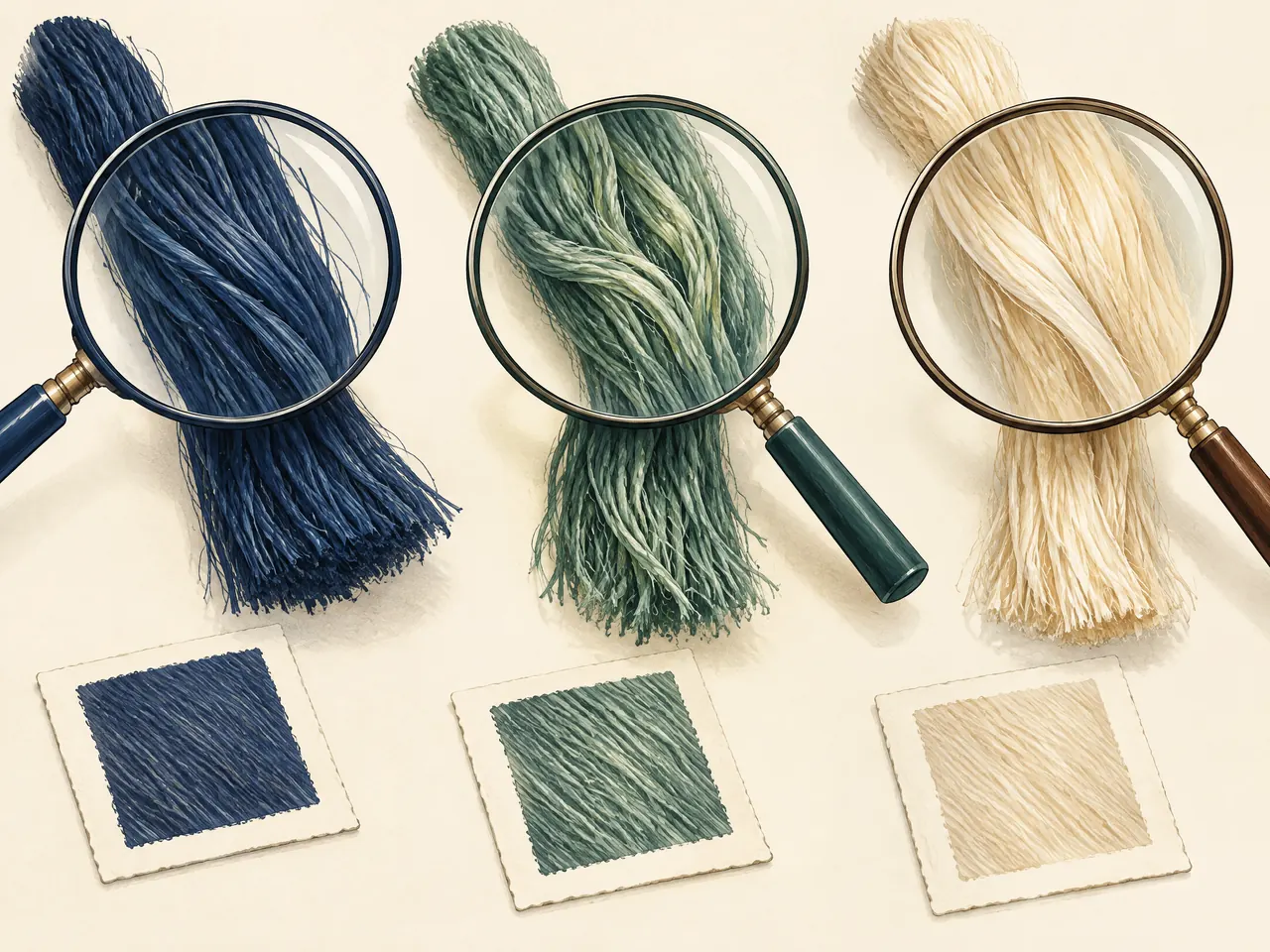
If grey is included, ask what those strands are made of as well as their proportion. The American Hair Loss Association notes that some systems combine human hair with synthetic grey fibres. Record the disclosed materials and request care directions for the complete piece. Do not infer permission to use a dryer or heated styling tool from the words 'human hair': the American Cancer Society advises avoiding such tools unless the wig is heat resistant. Anonymous fibre samples cannot identify the material in an item you are buying.[2] [3]
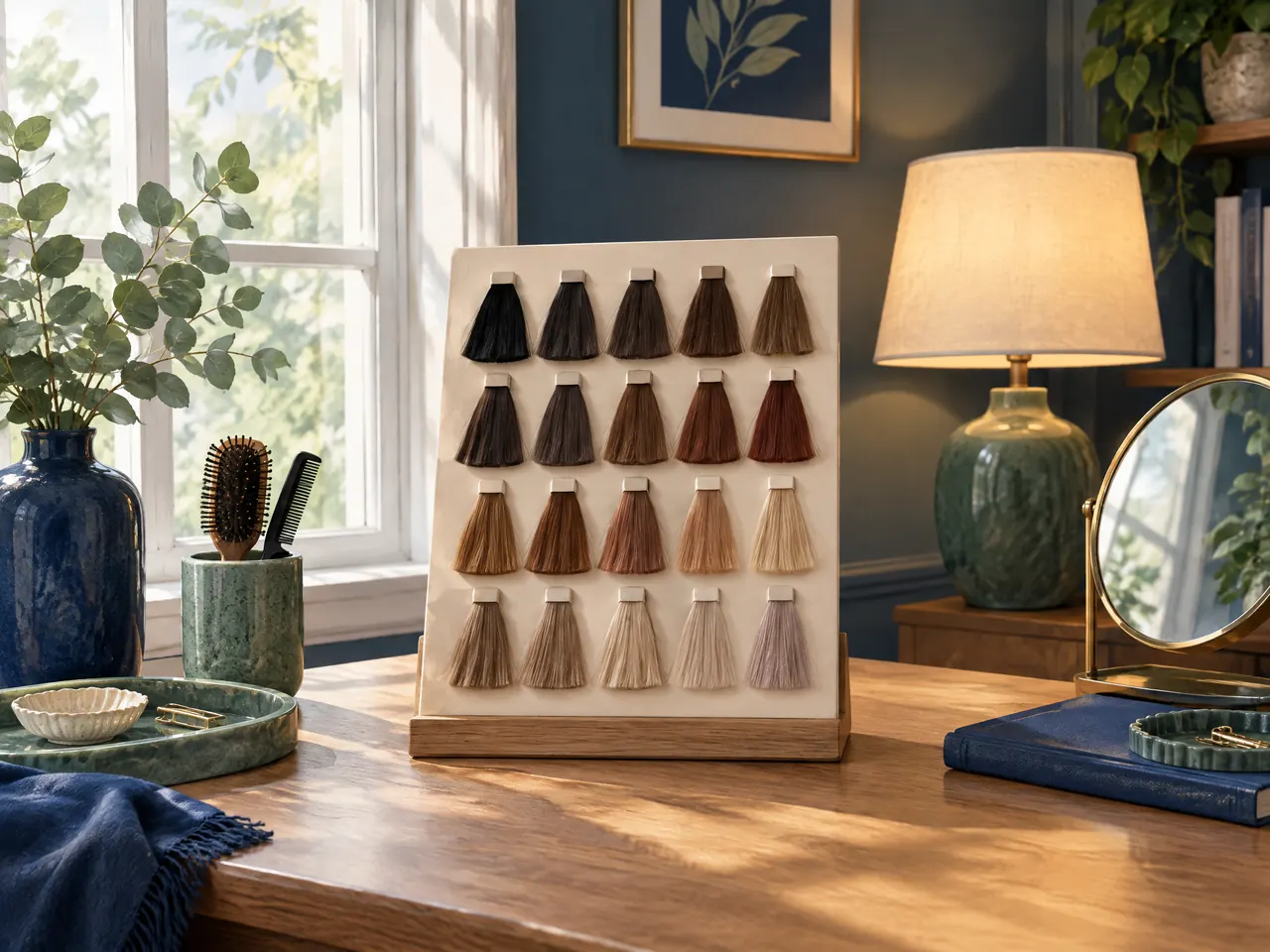
A neutral hair sample board between soft window daylight and a shaded interior lamp, beside a mirror
Compare a named sample in natural light with the hair you intend to keep; the illustration does not guarantee a colour match.Generated illustrative image
Three separate anonymous hair-like fibre bundles under a magnifying lens beside unlabelled material cards
Ask the supplier to identify every fibre used, including grey strands; these illustrative bundles are not product material tests.Generated illustrative image

Make the fastening demonstration specific to your piece

If a removable arrangement is proposed, ask the supplier to point out each fastening location on the actual base and explain what it grips. Request a guided demonstration of the permitted opening, positioning and release steps. Then describe those steps back in your own words so that an unclear instruction can be corrected before you leave. Clips and adjustable bands in an illustration are examples of objects to discuss, not interchangeable accessories for every system.[2]

Keep the fastening explanation with the item's care directions. If the proposed arrangement changes, ask whether the base, remaining hair and removal products still support it; do not simply add clips to a piece intended for another attachment method. Write down which tasks you may perform yourself and which require help. A viewing appointment should not be treated as confirmation that attachment, alterations or instruction will be provided.[2] [5]
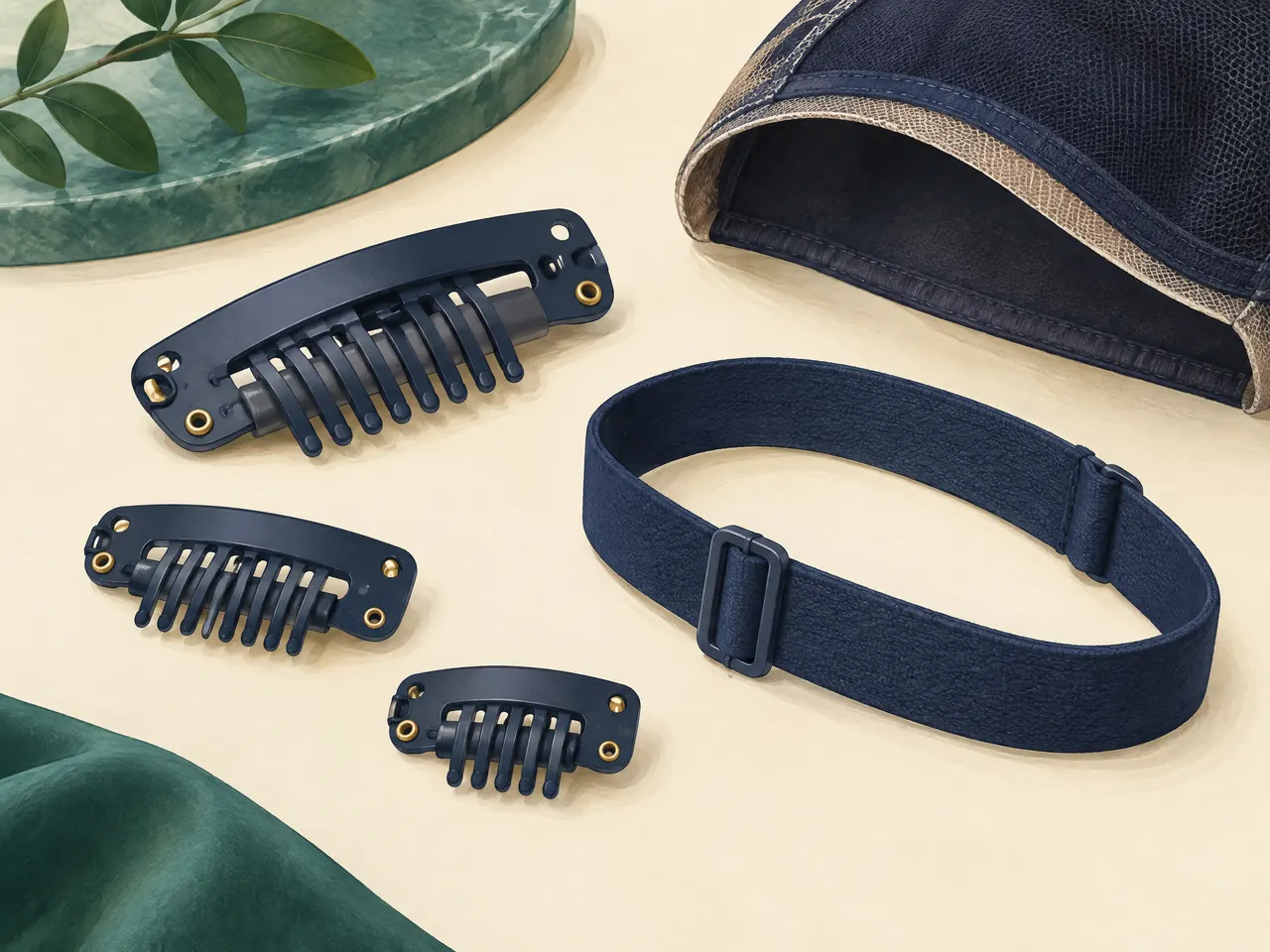
Generic hairpiece clips and a soft adjustable band beside an empty sample cap edge on a tabletop
Confirm the fasteners and release steps for the actual base; the illustrated clips and band do not establish a suitable attachment method.Generated illustrative image

Plan where the removable piece goes after washing

Before choosing a removable system, describe when you would wash it and when you next expect to wear it. Ask how the particular base and fibres should dry, which stand or support is appropriate, and when handling or styling may resume. General wig guidance describes room-temperature drying and short-term storage on a stand, but it is not a complete care method for every men's system. Keep the supplier's item-specific directions rather than adopting a generic washing recipe.[3] [5]

At home, identify a place where the piece can rest without being needed immediately for the next outing. Before travel, ask how to pack it and whether any damp storage restrictions apply. Do not assume a pouch replaces the recommended drying support, or use heat to shorten the waiting time without explicit permission for that item. This is also a useful point to reconsider whether your preferred removal routine fits the equipment and space you actually have.[3] [5]
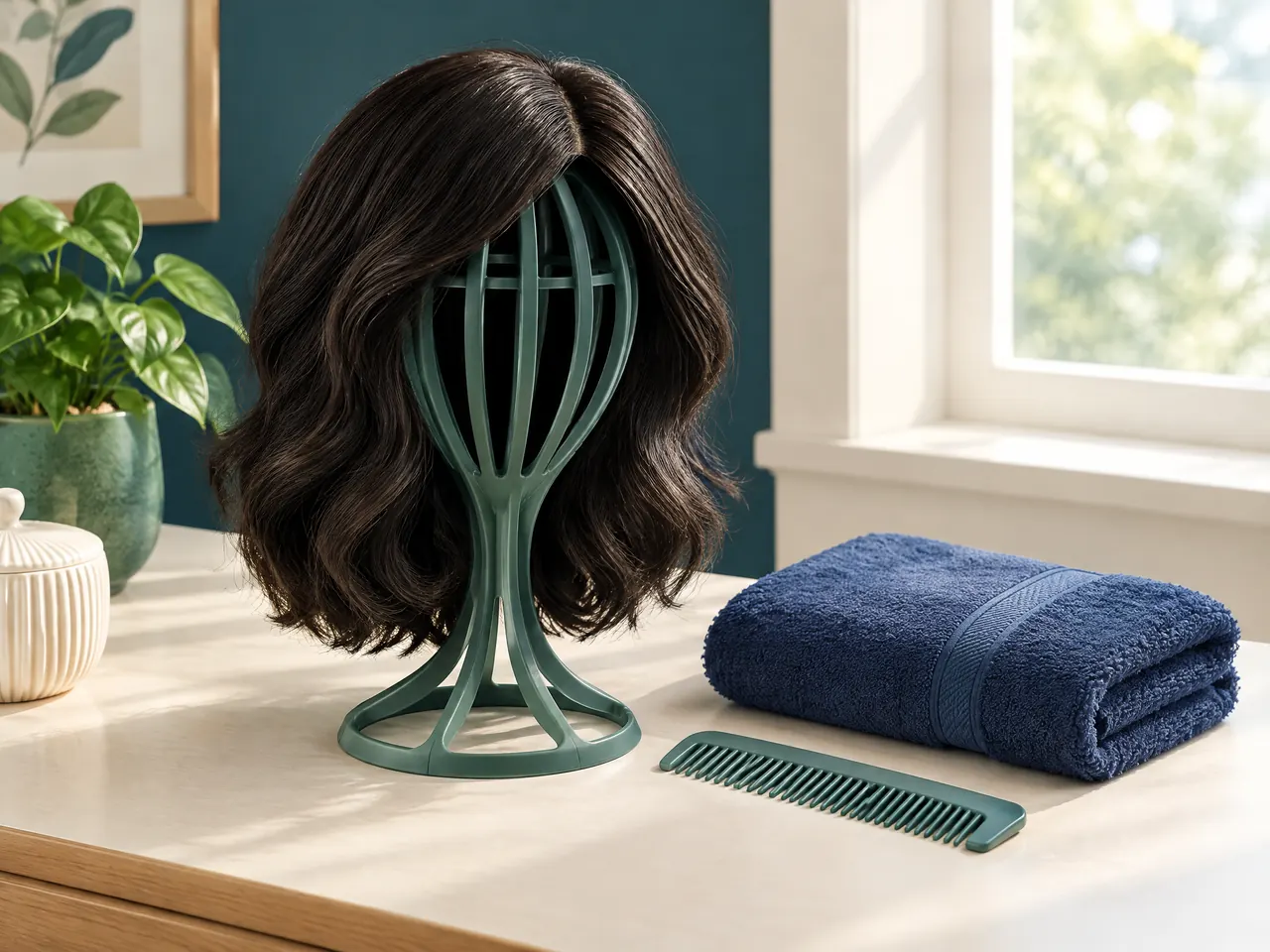
An anonymous wig on an open ventilated stand beside a folded towel and an unbranded comb in indirect daylight
Ask which drying support and storage directions apply to your piece; this generic stand is not an OWNSTRAND product or a universal care prescription.Generated illustrative image

Clinic enquiries

Contact and appointment arrangements

Clinics
Prince Edward and Kwun Tong
Opening hours
11:00–21:00
WhatsApp and telephone
+852 6940 5663

Appointments, practitioner availability and service arrangements are confirmed via WhatsApp.

Please mention any consultation language needs in your WhatsApp enquiry so that arrangements can be confirmed.

Enquire via WhatsApp
Food, gifts and floral lifeWhatsApp enquiry