

Divide wedding flower responsibilities into five working groups
Start with where flowers will be used, rather than a photograph of a coordinated set. A useful division is the main bouquet, other personal flowers, ceremony arrangements, reception arrangements and car decoration. Editorial flower inventories distinguish these uses and list many optional extras; they are not a requirement to buy every item. [1] Five working groups make it easier to see whether a flower follows a person, stays in a room or remains attached to a vehicle.
For each group, separate design approval from practical handling. The couple may approve colours, the florist may supply the flowers, and a friend may receive them. An installer is a different role again. Choose one floral coordinator who can answer routine questions without interrupting the couple, but keep responsibility for specialist work with whoever has agreed to perform it. 'The venue will help' is not a named person or an accepted task.
Imagine a morning preparation address, an afternoon ceremony and an evening banquet. The main bouquet is needed before portraits, worn flowers must reach their recipients, and reception pieces need placement before guests enter. Those are different deadlines, even on one order. Build the brief around these actual moments, and mark anything not wanted as omitted. This prevents an optional hairpiece or welcome-table arrangement becoming an unexpected last-minute request.
Give the main bouquet a handler, not just a delivery address
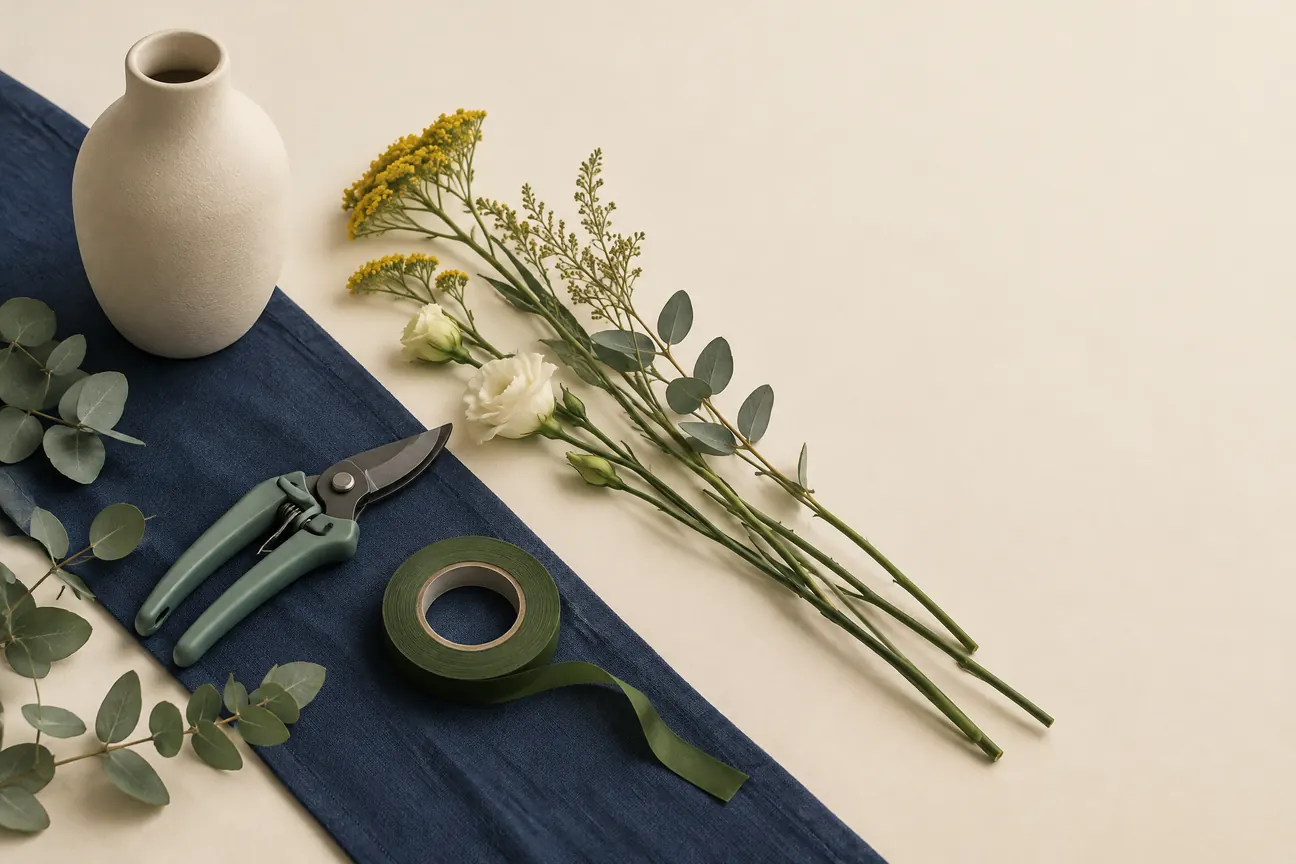
The main bouquet needs a clear route from the receiver to the person carrying it. When comparing a bridal bouquet, ask about manageable scale, the handle finish and the intended silhouette, then add the first photography location to the enquiry. An impressive shape is less useful if nobody can carry it comfortably while negotiating a dress, lift and car door. Count bridesmaid or toss bouquets separately instead of assuming they accompany it.
Appoint an attendant to receive the bouquet, check that the agreed piece has arrived and keep its carrier or holding vessel available. Iowa State recommends clean containers and a cool location away from heat and drafts for cut flowers. [2] Team Flower also highlights the risk of soaking ribbon when stems are held in water. [3] Ask the florist for instructions specific to the finished design; do not unwrap it or trim wired stems simply to follow general vase advice.
Tell the photographer when the bouquet will be available for detail pictures, then arrange its return before the ceremony. During signing or outfit changes, decide who takes it and where it rests. A designated table is preferable to passing it through several guests with nobody remembering the last holder. If the couple wants to keep the bouquet, the same attendant can retain its packaging for the journey home rather than repurposing it without permission.

Count worn flowers by recipient and appoint someone to distribute them
Write a recipient list rather than ordering a vague set of family flowers. For boutonnieres for weddings, list each wearer, the getting-ready location and whether their piece differs from the others. A groom's distinct accent should not disappear into an unlabelled batch. Include any parents, attendants or other chosen recipients according to the couple's wishes, not a universal etiquette list. Corsages and hair flowers need their own counts and attachment discussions.
The distributor should know who is arriving early and who will join only at the ceremony. Ask whether pieces can be identified by name or role, whether fittings are supplied, and whether someone will demonstrate the agreed attachment method. Share a photograph of the relevant lapel or outfit where useful. A person who is also collecting guests from another address may be a poor choice for distribution; assign a backup who will actually be present.
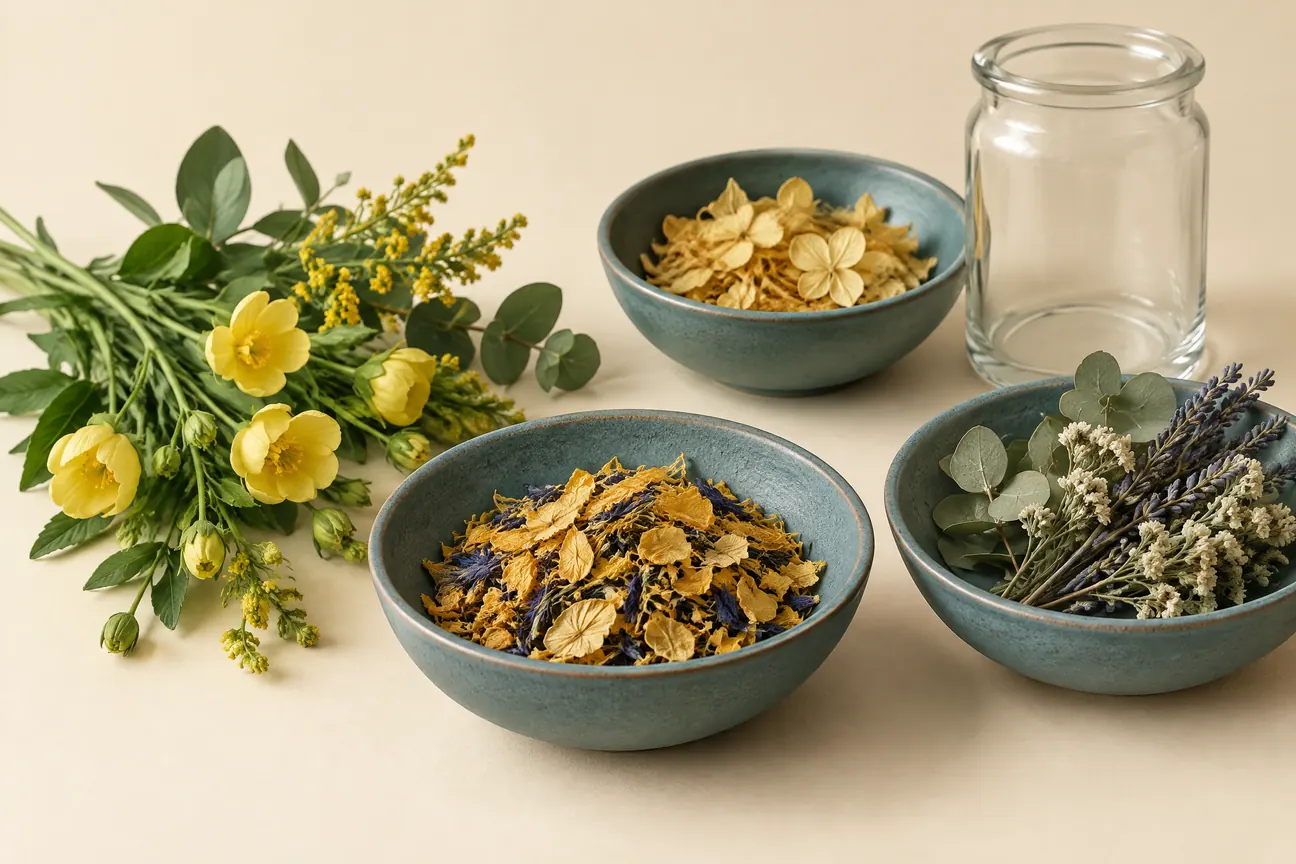
Keep the flowers in their agreed holding conditions until they are needed. Specify whether the pieces are fresh, dried, preserved or mixed, so the distributor receives instructions for the actual materials rather than a generic care message. Team Flower explains that fresh personal pieces have different hydration and finishing needs depending on construction. [3] Do not promise that every accessory can sit in water or tolerate household refrigeration. If early portraits and an evening entrance both matter, discuss whether a separately quoted spare is worthwhile. Decide who may release that spare, so it is not handed out as an extra before it is needed.
Separate ceremony installation from reception placement
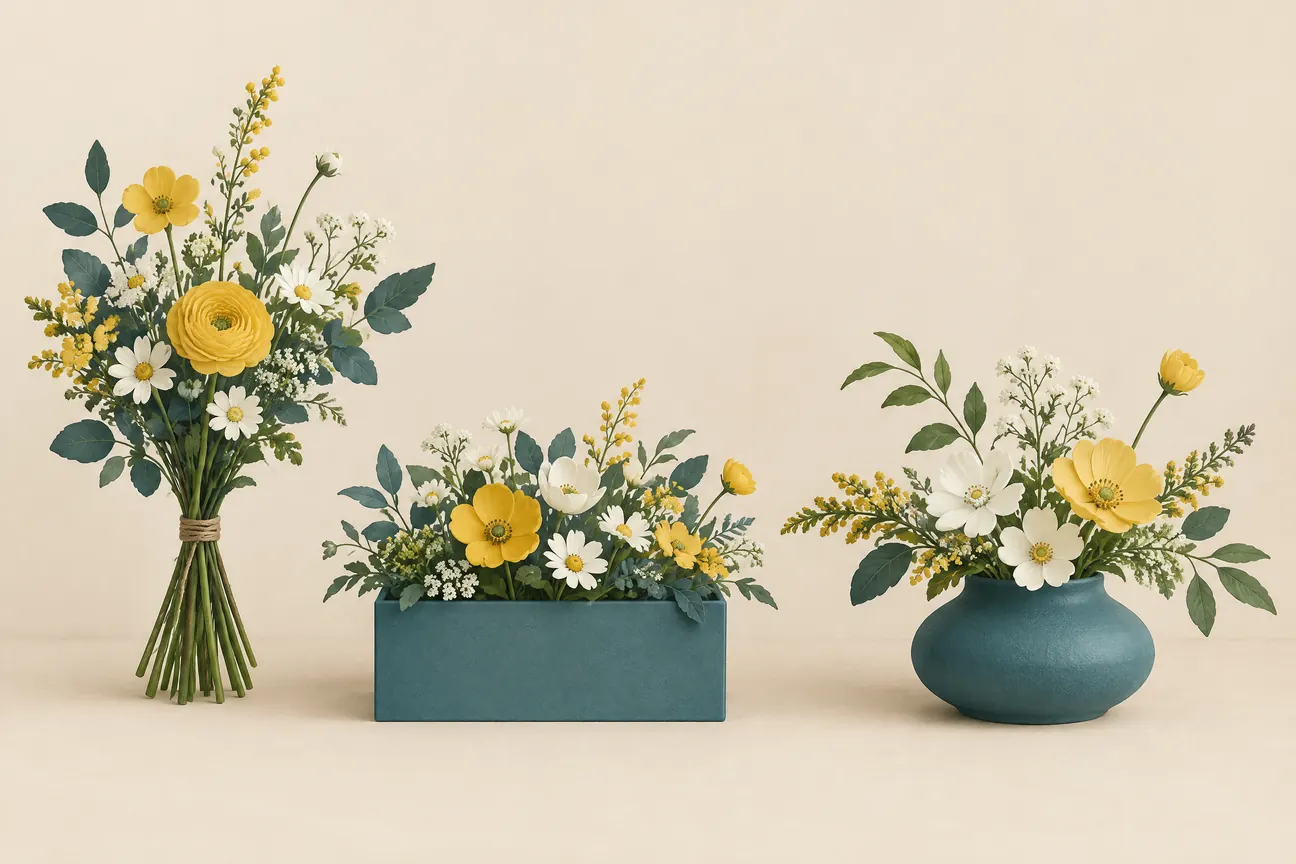
A ceremony focal arrangement and a banquet centrepiece may share colours but need different work. For wedding flower decor, send separate ceremony and reception plans with the precise locations marked. Count arrangements by actual placement, not guest count alone. For a long table, specify the intended arrangement sequence; for round tables, identify which tables receive flowers. Leave the supplier to propose workable dimensions rather than inventing a standard size for every venue.
The venue contact should answer permission and access questions; the contracted installer should answer how the work will be executed. Ask about permitted fixing points, freestanding structures, supplier entry, available lifts and the earliest setup access. These are questions for your actual venue, not rules to assume across Hong Kong. Keep walkways and service areas clear in the proposed plan. If the layout changes, send the revised plan to both the florist and venue contact.
Use 'ready for guests' as a separate milestone from 'delivery arrived'. Somebody must unpack, place and inspect the arrangements after tables and linens are positioned. Agree who checks table numbers, misplaced pieces and remaining packaging. If the ceremony and dinner share a room, establish who authorises the changeover and who moves the flowers. Venue staff resetting chairs should not automatically be assigned floral relocation, particularly where a structure needs specialist dismantling.

Treat the decorated car as its own appointment
A car decoration cannot be planned from the vehicle's colour alone. An enquiry about wedding flower car decoration should identify the actual model, owner or rental company, installation location and departure time. Ask the vehicle provider which surfaces and fixing methods they permit, and ask the florist whether fitting and removal are offered. Supplying flowers is not the same as accepting responsibility for attaching them to a borrowed vehicle.
The car must be available before fitting can begin, so give the driver an appointment rather than a broad collection instruction. Agree who inspects the proposed placement with the driver. Hong Kong's Transport Department requires mirror or monitoring-display checks and an all-round look before moving off. [4] Keep floral placement from interfering with those checks, the driver's view or vehicle operation. Do not treat a decorative product description as proof that a fitting is suitable for your car and route.
If the vehicle changes, pause the original fitting plan and obtain agreement for the replacement rather than improvising at departure. A simpler permitted display, or photographs with flowers beside a parked car, may be preferable to rushed mounting. Give a passenger or coordinator responsibility for floral calls while travelling: official guidance warns against distracting phone use while driving. [4] Confirm who removes the decorations before the car is returned and who retains any keepsake pieces.
Turn a package description into an itemised agreement
Use a wedding floral decoration package enquiry to compare coordination and scope, not to assume an all-inclusive wedding service. The linked page distinguishes individual design-reference cards from event, setup and installation fees. [5] Request a proposal that identifies the five floral groups you actually need, their quantities and destinations. If car decorations or personal accessories are absent, ask for an explicit addition or exclusion instead of reading them into the word 'package'.
Compare flower supply and service work separately. The useful lines are agreed design, quantity, container ownership, delivery batches, installation, transfers and removal. A lower total with collection-only flowers demands different help from a proposal with accepted onsite work. Decide whether the available friends and transport can genuinely cover that gap. Rental vessels also need a return owner; being allowed to take flowers home does not establish ownership of their stands or vases.
Agree how substitutions and changes will be approved. Record which features matter most, such as overall colour balance or a sentimental bloom, and what alternatives the couple would consider. Ask for the deadline for quantity changes and the way revised costs will be accepted. Keep one current quotation with the matching layout and recipient list. A later message about an extra table should be reflected in the accepted scope, not left as an informal request nobody has acknowledged.
Plan transfers and removal before the wedding starts
Reusing ceremony flowers at dinner can reduce the number of separate arrangements needed, but it creates work between two deadlines. Ask whether the specific pieces are movable, who packs them, what vehicle carries them and whether the reception has a suitable receiving surface. Include access, travel, unloading and placement in the proposed interval. If the plan depends on the ceremony ending exactly on time, choose independent reception pieces or a simpler reuse plan instead.
Handover should mean more than a photograph of boxes at a doorway. The receiver checks the labelled group, counts finished pieces and knows who handles the next stage. Keep transport supports and the florist's care instructions with the relevant batch. General cut-flower guidance supports checking vase water and keeping flowers away from heat. [2] It does not establish a universal safe holding duration, so ask about the actual materials and avoid leaving them in a parked car between locations.
Before dinner begins, allocate the final jobs: decide which flowers are gifts, which belong to the couple, which vessels are rented and who clears each area by the venue's agreed deadline. Tell the relevant helpers where carriers and return containers are stored. Leave specialist structures to the agreed removal team. The wedding can then end without the couple trying to identify vase ownership while guests depart and the driver waits to return the car.
| Floral group | Count or allocation | Day-of owner to name | Critical handover |
|---|---|---|---|
| Main bouquet | Main piece; any toss or additional handheld pieces separately | Attendant who receives, holds and returns it | Receiver to photographer, then to the person carrying it |
| Other personal flowers | Each named wearer or carrier, including distinct designs | Distributor present where recipients gather | Labelled batch to each recipient before first use |
| Ceremony flowers | Each focal piece and marked aisle or signing location | Contracted installer and venue acceptance contact | Approved setup to ceremony-ready inspection |
| Reception flowers | Each actual table and additional agreed display location | Placement lead working from the final table plan | Arrived pieces to guest-ready placement |
| Car decorations | Each vehicle and agreed decoration position | Fitting lead, driver and removal contact | Available car to inspected fitting, then agreed removal |
On a small screen, scroll the table sideways to compare.
Take it into everyday life
A practical checklist
- List the five floral groups, quantities and omissions; attach a named recipient list for personal flowers.
- Name one floral coordinator, plus a receiver and backup at every delivery location.
- Set the first-use time for bouquets and accessories, and the guest-ready time for each venue area.
- Obtain the actual venue's access and fixing permissions, with installation and inspection tasks assigned.
- Confirm the car model, vehicle-provider consent, fitting appointment and removal owner.
- Separate flower supply from delivery, setup, transfers, rental returns and clearance in the quotation.
- Get construction-specific care instructions and identify the holding space and retained packaging.
- Approve one final layout, recipient list and quotation, including the method for accepting later changes.
Questions & answers
Does the person paying for the flowers have to coordinate them?
No. Payment approval and day-of handling can belong to different people. Agree who may approve extra costs, then appoint a coordinator who is available during deliveries and setup. Give suppliers that person's contact and the limits of their authority, so routine placement questions do not become unapproved purchases.
How do we count flowers when family members arrive at different times?
Count by recipient, then group the list by where and when each person will receive their piece. Specify which designs differ. A late-arriving parent's accessory needs a named holder and agreed storage instructions, rather than being left with the first batch and nobody responsible for it.
Can one delivery cover two getting-ready addresses?
Only if an onward handover is workable and accepted. Separate the batches and decide who carries the second one, how it is protected and when it reaches its recipients. If that helper is already committed to transport or photography, ask for separately quoted delivery instead of assuming the bouquet receiver can leave.
Should we ask venue staff to put the flowers on tables?
Ask whether that specific task is available and accepted, rather than assuming it is part of room preparation. Identify who unpacks, follows the final table plan and removes packaging. Simple placement and specialist floral construction are different jobs; an installation may need the contracted florist's crew.
What should we do if the wedding car is replaced?
Tell the florist and vehicle provider before fitting. Obtain consent for the new vehicle and reassess placement and fittings. Do not transfer an arrangement automatically to a different body shape or surface. If approval cannot be obtained in time, use a simpler permitted option or omit exterior decoration rather than rush an uncertain fitting.
Can we put every finished floral piece in a refrigerator overnight?
Do not assume so. Ask the florist whether early collection suits the particular flowers, construction and available storage. The care of exposed cut stems differs from fully wrapped or wired accessories. Follow the supplied instructions rather than dismantling pieces, spraying them or treating household refrigeration as a universal solution. [2] [3]
When is reusing ceremony flowers at the reception sensible?
When the florist confirms the pieces can be moved and there is a realistic interval for packing, travel and placement. Name handlers at both ends and check access. If guests will reach dinner before the transferred flowers can be ready, keep the reception essentials separate and reuse only a smaller optional display.
Can guests take centrepieces home at the end?
Confirm permission and vessel ownership before offering them. The flowers may be intended as gifts while the vases or stands are rented. Name someone to separate permitted take-home flowers from returnable equipment and provide the agreed packaging. Do not ask guests to dismantle specialist structures or take an entire arrangement without approval.
Sources & further context
Numbered references follow the source order below. Merchant pages provide context for their own products or services; independent sources support relevant general reading, not merchant quality or medical suitability.
- [1] WeddingWire — 30 Wedding Flower Arrangements You Might Need on the Big Day
- [2] Iowa State University Extension and Outreach — How to Care for Cut Flowers
- [3] Team Flower — 4 Best Practices for Keeping Personal Flowers Fresh
- [4] Hong Kong Transport Department — Road Users' Code: On the Road
- [5] Y. Florist — Wedding Floral Decoration Package enquiry information