
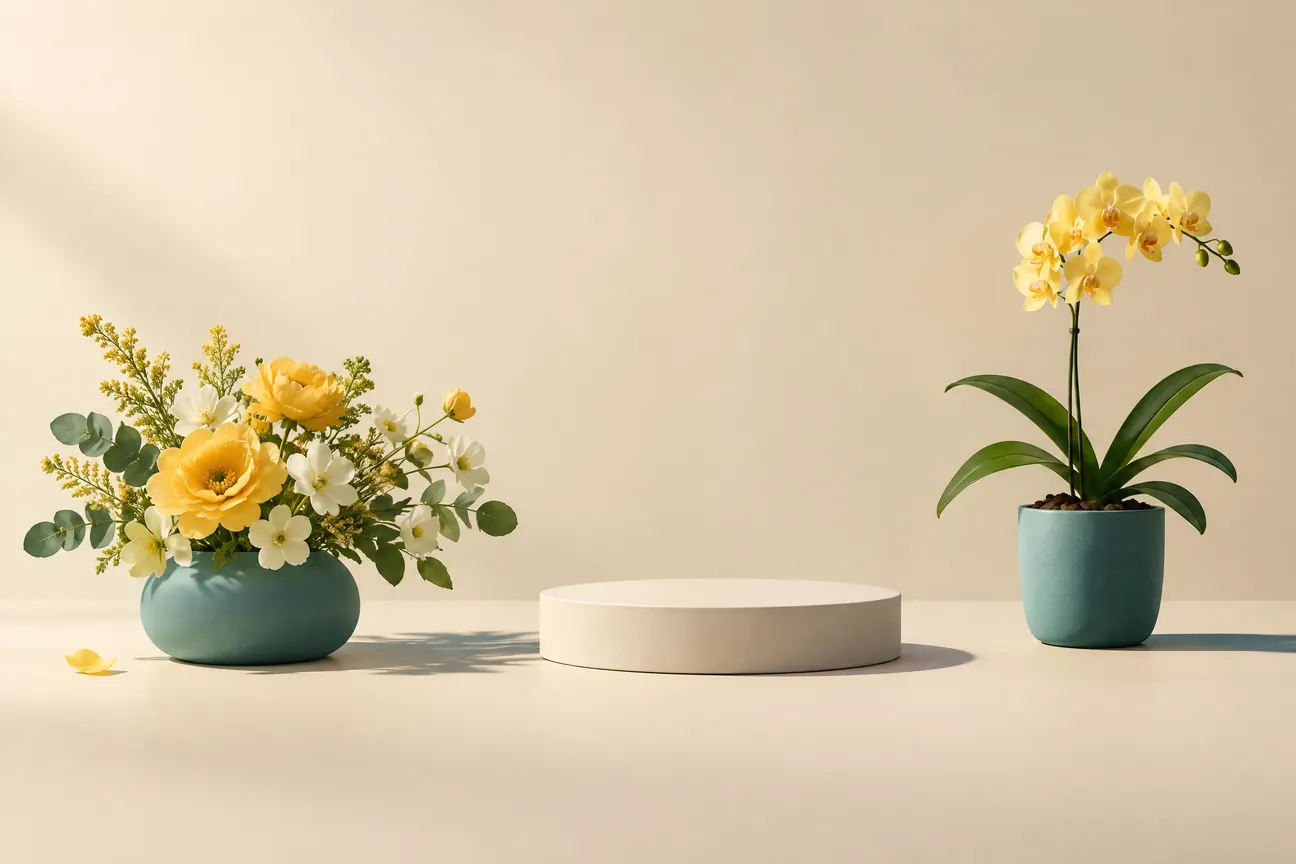
Office plant buying or rental starts with the intended end date
Before choosing a colour or pot, decide what should happen after the display has served its purpose. A reception orchid intended to remain in the office is a different purchase from plants used for a short client event. Buying makes sense when someone wants to retain the living plant, including periods when it is not flowering. Rental is worth exploring when the office needs temporary presentation or an agreed continuing service rather than another item to keep. Neither choice removes the need for a suitable site and an accountable contact.
For a practical office plan, give each display position an intended duration and an onward destination. The reception counter might need continuing flowers, while a window-side desk area could accommodate foliage that staff will look after. Festive citrus might leave the premises after the holiday. These are three distinct requirements, even if one supplier receives the enquiry. Combining them into an undefined request for office greenery makes it difficult to compare what the office will own and what must eventually be collected.
Choose the person responsible for the plants before approving expenditure. That person need not perform every care task, but should know who can authorise a relocation, report a problem or arrange an exit. If no colleague can take responsibility beyond delivery, reconsider buying rather than assuming enthusiasm will create a care routine. A smaller retained collection can be more manageable than an impressive display with no agreed future.
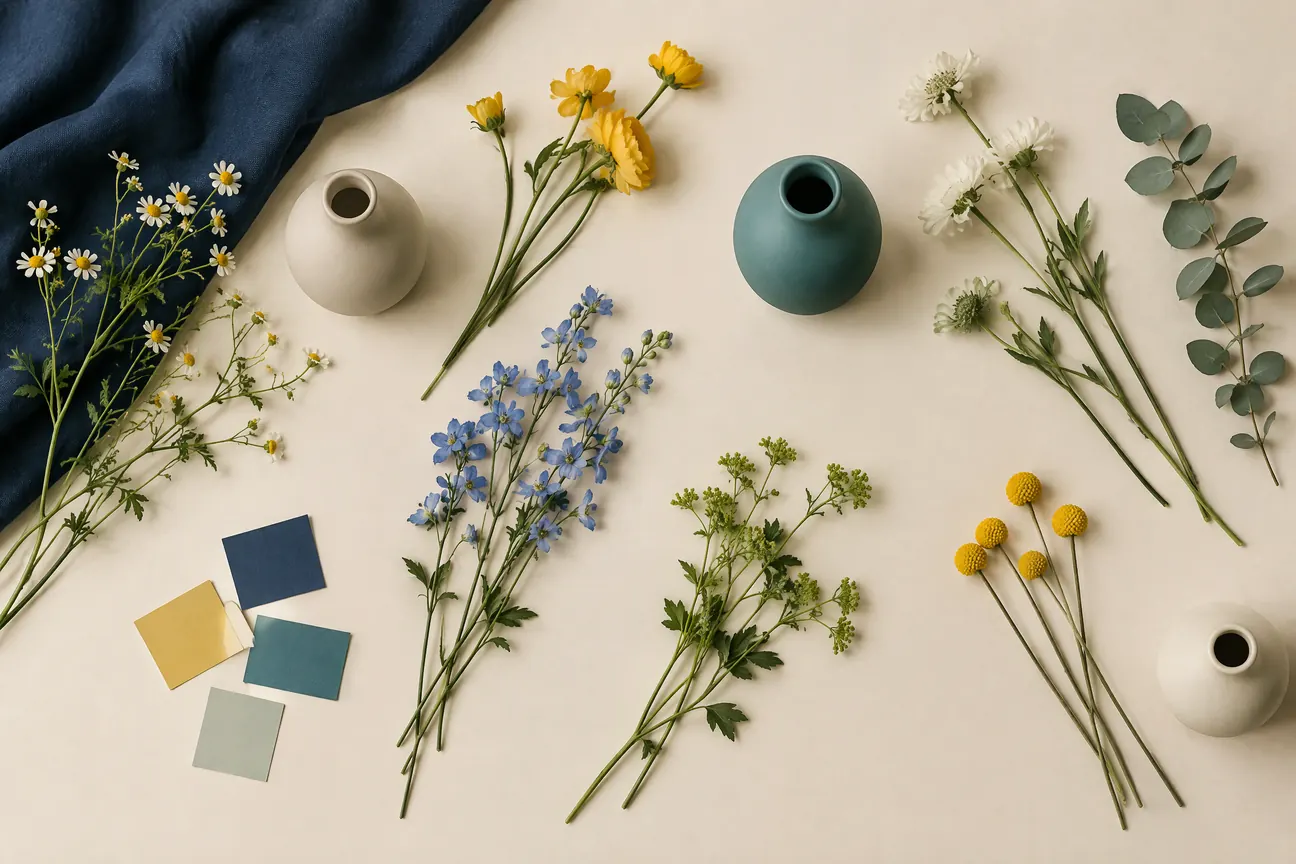
Choose indoor foliage for the actual light at the display point
Assess the exact spot, not the office as a whole. A bright room can still have a shaded counter behind a partition. Observe whether daylight reaches the leaves during working hours, whether blinds stay closed and what happens when the office is shut. University of Minnesota Extension advises matching a plant’s requirements to its home or office light environment. It also distinguishes tolerating lower light from receiving enough light for dense foliage or flowering. A low-light label is not permission to use a windowless corner without assessing the available light. [1]
If you plan to buy indoor plants, prepare a shortlist by position rather than by decorative appeal alone. Include usable floor or counter space, overhead clearance and whether leaves would spread into a chair or door’s movement. Ask for the botanical identity and expected overall spread of each proposed plant. A compact upright shape may suit a desk edge better than a broad canopy, while an empty corner should not receive a large specimen merely because it fits there on delivery day.
Where light is insufficient, consider moving the display before introducing equipment. Supplemental plant lighting is an option, but its position, operating hours and effect on colleagues need planning; ordinary room brightness does not by itself establish adequate plant light. Minnesota’s guidance notes that plants use less water in lower light. That makes a dim position a care issue as well as a design issue: extra watering will not compensate for missing light and can create another problem. [1]
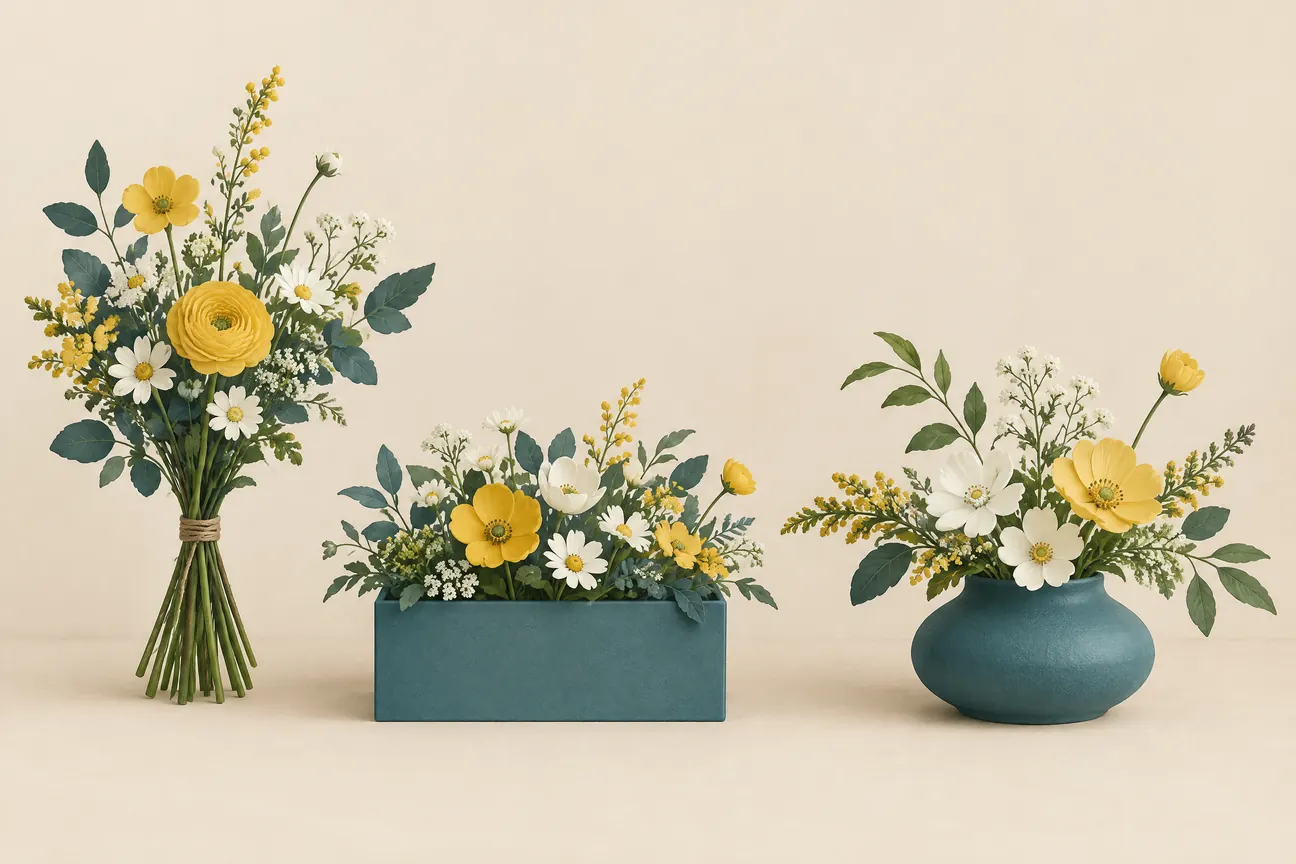
Buy an orchid with a plan beyond its current flowers
An orchid purchase should specify the living plant as well as the finished presentation. Establish the orchid type, approximate overall height, widest flowering spread and planter dimensions. Moth orchids, or Phalaenopsis, need bright light without direct summer sun and should be kept out of draughts and abrupt temperature fluctuations, according to the Royal Horticultural Society. Its advice is specific to moth orchids; do not apply one care sheet automatically to a different orchid type proposed for the office. [2]
When you buy orchids online, use the enquiry to settle what will actually arrive. A decorative arrangement may include an outer vessel and more than one growing pot, so ask whether individual plants can be removed for care and whether every pictured accessory is included. State whether the display is wanted for an upcoming occasion or as a plant to keep. Discuss the flowering stage available for the intended date without turning a reference photograph into a promise of identical blooms or a fixed display life.
After the flowers fade, the plant does not automatically become waste. Phalaenopsis can continue growing and flower again under suitable care, but that is not a guarantee of reblooming on the office calendar. Its airy, bark-based growing medium also differs from ordinary houseplant compost. The RHS explains that roots growing above the medium are normal aerial roots, not something to bury for a tidier appearance. If the front desk must always show flowers, plan another display position for a retained orchid during its non-flowering period. [2]
Make rental responsibilities more precise than the service name
A rental proposal is useful only when it makes the division of work clear. Separate the plant, decorative container, delivery, placement, care and eventual collection. Then ask which items remain the supplier’s property and which, if any, transfer to the office. A recurring invoice does not explain these points. Likewise, a subscription describes an ongoing arrangement but does not necessarily tell you whether the office owns the plants. Read the proposed terms rather than treating either label as a complete service specification.
For office orchid rental, describe the display position and intended period, then request a written allocation of care duties. Ask whether any visits or changes are proposed, what would trigger replacement and whether fading flowers are treated differently from accidental damage. Clarify the office’s duties between visits, including whether staff may water or move the arrangement. These questions establish the scope being offered; they are not assumptions that a standard rotation, unlimited replacement or maintenance package exists.
Consider how the arrangement would work during a building closure or an office move. Supplier access may depend on registration and a receiving colleague, while routine cleaning could temporarily displace a planter. Agree whom to notify and how changes are approved. Compare rental proposals over the same intended period, including any separately quoted access work, collection or container charges. Buying and rental do not have a universal cost winner: the relevant comparison is the full agreed scope and the work your own team will still perform.
Treat seasonal kumquat orders as a separate plant programme
Seasonal citrus needs its own specification rather than being appended to an orchid request as more of the same. Ask which citrus type is proposed, because kumquats and calamondin are distinct plants, even when festive retail descriptions group them together. University of Wisconsin–Madison Extension describes both separately and advises bright light for container citrus. Low light can limit future flowering and fruiting. A tree that arrives bearing fruit is therefore not evidence that a dim reception will support it as a long-term plant. [3]
An enquiry for bulk kumquat plant orders should separate the shared appearance brief from each destination’s needs. For example, a branch entrance may accommodate a floor display while a compact reception requires a smaller footprint; matching presentation need not mean identical height everywhere. Specify the citrus type, accepted size range, planter and quantities by location. Ask for seasonal availability and an order-specific quotation, including any requested decorations or placement work, instead of expecting a bulk discount or treating a single-plant listing as the complete programme cost.
Plan where the trees will go after the seasonal display. Retention needs suitable light and an ongoing care contact; gifting needs a willing recipient and an agreed handover. If neither is practical, discuss collection or disposal arrangements before ordering. Citrus can drop leaves, flowers or young fruit after drastic environmental changes, so a move should not be accompanied by a promise that the decorative appearance will remain unchanged. The Wisconsin guidance supports that caution, not a forecast of how any particular delivered tree will behave. [3]
Give the care rota a drainage method, not just a watering day
Make routine care simple enough for another colleague to take over. Keep a short plant-specific note at the office’s care station: identity, position, who checks it and how its growing medium is assessed. Use a scheduled check as a reminder to observe, not an automatic instruction to add water. Minnesota’s guidance links light to water use, while the Wisconsin citrus guide says watering needs vary with container size, plant size, medium and environmental conditions. A universal Monday watering rule misses those differences. [1] [3]
The route to a sink matters as much as the watering reminder. Establish how a growing pot can be accessed, drained and returned without leaving runoff on reception furniture. For moth orchids, the RHS advises letting excess water drain away and not leaving plants sitting in water. It also cautions against water entering the crown, where leaves meet. A decorative outer vessel can conceal pooled water, so staff need to know whether it can be inspected and emptied rather than judging care by its attractive exterior. [2]
Keep changes visible between colleagues. A brief record of the last check, watering and relocation helps prevent duplicate care by well-meaning staff. Assign cover for leave and closures, and keep rental instructions distinct from instructions for office-owned plants. If a plant’s appearance changes, record what was observed and ask for plant-specific advice; do not respond by simultaneously adding water, fertiliser and a new position. The office needs a clear next action, not an improvised treatment routine that nobody can reconstruct.
Receive, retain or return each item against the agreed order
Before delivery, make the receiving point and final display point explicit. A handover at the loading bay is not the same service as placement on an upper floor. Share relevant doorway and lift constraints, ask what handling is included and coordinate access with building management. Keep the proposed display clear of door movement and ordinary circulation, and obtain any required approval for use of shared space. These arrangements should be based on the actual building, not assumptions about what delivery usually includes.
At receipt, compare the plants and containers with the accepted specification. Check quantity, assigned location, agreed size range and visible condition, and note a discrepancy before silently redistributing items. Remove transport wrapping according to the supplied instructions rather than leaving packaging in place as permanent decoration. Retain the care information with the plant identity, especially when several offices receive different citrus or orchid types. If someone accepts a parcel centrally, make sure the colleague responsible for the final position also receives those instructions.
Close the arrangement differently for purchases and rentals. Owned plants need a continuing care contact or a documented onward recipient; rented items need a collection appointment and clarity about which pots and accessories must be returned. When seasonal trees leave several floors, reconcile actual quantities rather than assuming every branch followed the original plan. The useful outcome is not simply that plants arrived: it is that each item has an agreed owner, workable care arrangements and a known destination when its display ends.
| Order route | Useful when | Care decision | End-of-display decision |
|---|---|---|---|
| Purchased orchid | The office wants to retain a living plant beyond its current flowers. | Assign orchid-type-specific care and a suitable position. | Keep it with a named owner, including non-flowering periods. |
| Purchased indoor foliage | A measured, adequately lit position is intended for continuing greenery. | Match species to light and provide a practical drainage routine. | Plan for ongoing growth or an agreed relocation. |
| Orchid rental | Temporary or continuing presentation is wanted under agreed terms. | Specify supplier and office duties; do not presume visits or replacement. | Agree collection and the return of each hired container or accessory. |
| Seasonal citrus batch | Several locations need festive trees with a coordinated appearance. | Identify citrus types and give each site a care contact and suitable light. | Allocate retention, willing recipients or separately agreed removal by site. |
On a small screen, scroll the table sideways to compare.
Take it into everyday life
A practical checklist
- Give every display position an intended duration and decide whether its plant will be retained, gifted or collected.
- Observe daylight at leaf level with the office’s usual blinds and partitions in place.
- Measure the usable display footprint, overall height clearance and relevant delivery-route restrictions separately.
- Request the proposed botanical identity, growing-pot arrangement and confirmed decorative-container contents.
- Name the care contact and backup colleague, with a plant-specific checking and drainage method.
- For rental, agree ownership, between-visit duties, any changes, replacement conditions and collection in writing.
- For seasonal batches, allocate quantities by site and secure an onward destination for retained or gifted trees.
- Compare complete quotations over the intended period and pass the accepted specification and care notes to the receiver.
Questions & answers
Should we buy or rent if reception must always have flowering orchids?
Buying suits an office that wants to retain plants and can accommodate non-flowering periods. If continuous presentation is the priority, discuss whether a rental arrangement can include agreed changes. Ask about the actual change and replacement terms; the rental label does not guarantee continuous flowers or automatic swaps.
Can we put a low-light indoor plant in a windowless meeting room?
Not on the label alone. Assess the light available during the room’s actual use and closures. All living plants need light; tolerating lower light is different from tolerating no usable light. Moving the display or assessing supplemental plant lighting may be necessary before purchase. [1]
Do faded orchid flowers mean the purchased plant should be thrown away?
No. Moth orchids can continue growing after flowering, and may flower again with suitable care. Keep their identity and care instructions, and provide a suitable position if reception requires a different display. There is no guaranteed reblooming date, and advice for Phalaenopsis should not be transferred indiscriminately to other orchids. [2]
Does orchid rental normally include watering and broken-pot replacement?
Do not assume either. Request a written division of care duties, a list of included items and the conditions for damage, replacement and return. Establish whether office staff should water between visits and who authorises a relocation. The accepted proposal, rather than a service category name, should answer these questions.
Can every branch receive the same seasonal citrus size?
Only if its display footprint, light and access permit it and the supplier confirms the requested supply. Use a common appearance brief with site-specific size ranges where necessary. Confirm the citrus type as well as the retail name, then maintain quantities and receiving details for each location separately.
Will a fruit-covered festive tree keep producing fruit in a dark lobby?
Existing fruit does not establish that the location is suitable for future growth or fruiting. Container citrus needs bright light, and low light can limit flowering and fruit production. If the tree will be retained after the holiday, plan an appropriate onward position rather than relying on its appearance at arrival. [3]
Can we water all office plants once a week to keep the rota simple?
Use the rota for checks rather than identical watering. Different light levels, containers and growing media affect water use. Keep plant-specific instructions and make sure excess water can drain. A note of the last check helps a backup colleague avoid watering a plant that someone else has just attended. [1] [2] [3]
What should we compare if a purchase quote and a rental quote look very different?
Use the same display period and locations, then separate plants, containers, delivery, placement, care, changes and collection. Note which items you keep and which duties remain with your staff. Obtain a current complete quotation for each route; a single purchase listing cannot be treated as a rental fee or the cost of a multi-site seasonal order.
Sources & further context
Numbered references follow the source order below. Merchant pages provide context for their own products or services; independent sources support relevant general reading, not merchant quality or medical suitability.