
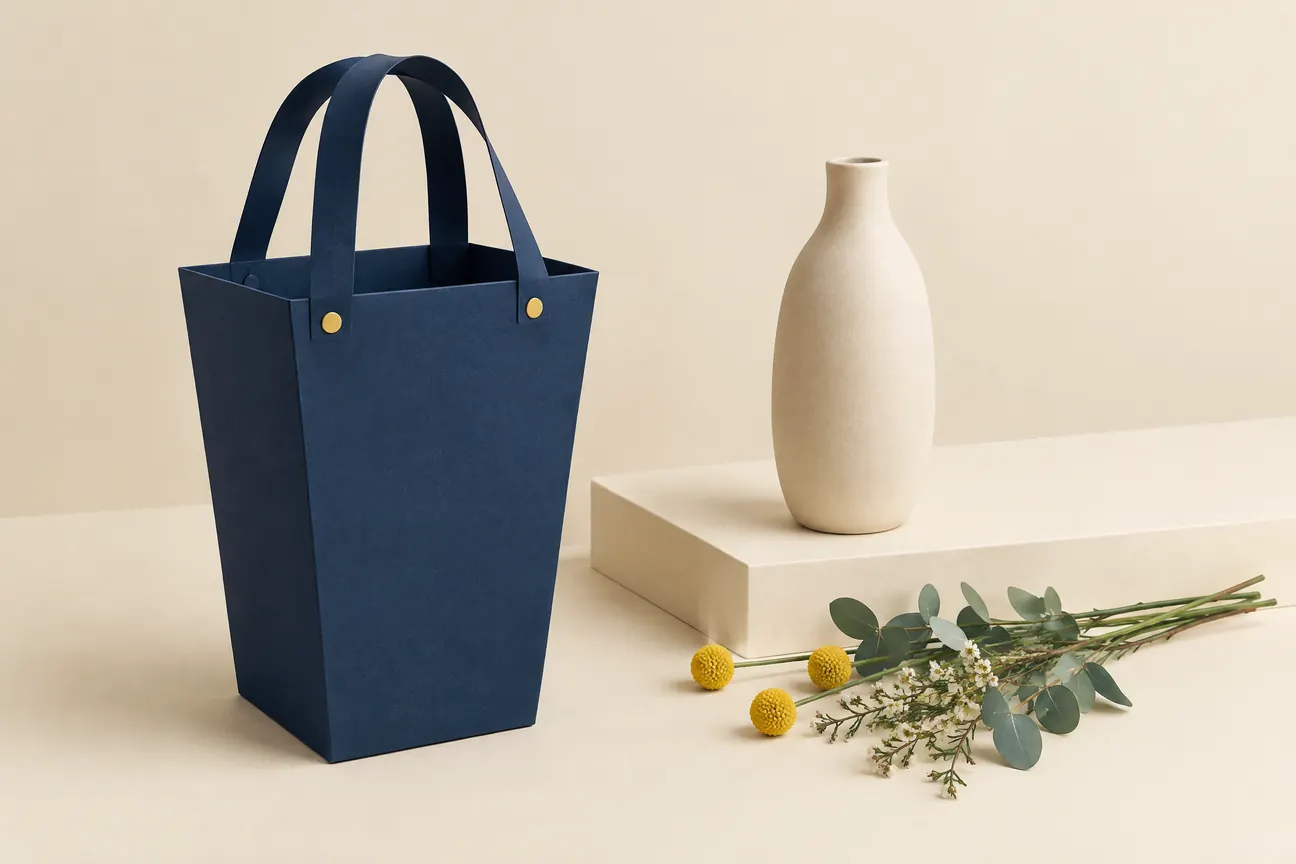
Start with a flower delivery window someone can actually use
Decide when the flowers need to be in someone's hands, not merely when they should leave the florist. An office farewell might start at four, while the colleague who accepts deliveries leaves at three. A dinner gift can arrive well before the meal if someone is home to receive it. Write the earliest acceptable arrival and the latest useful handover, then ask whether the florist can accept that range. Distinguish this from a preferred time that has not been agreed.
A sensible enquiry for flower delivery Hong Kong therefore starts with the destination and the receiving window, rather than a delivery label alone. Say whether handover must be to the recipient or may be to a named colleague. If reception accepts the flowers at two but the recipient collects them at six, those are different events. Decide which matters for the occasion and who will look after the arrangement between them.
Allow room for the last part of the handover. A driver reaching the building entrance is not necessarily the same as flowers reaching the event room. Ask what the proposed window covers and whether setup is included if you need the arrangement placed somewhere specific. For an inflexible event, give the actual deadline and ask for an earlier workable arrival range. Do not quietly convert an estimated delivery time into a promise to guests.

When a same-day request is worth pursuing
Same-day is worth asking about when there is still a usable receiving period today and you can make decisions promptly. A flexible colour preference may leave more options to discuss than one indispensable variety, but flexibility is not permission for any replacement. Tell the florist what can change and what cannot: perhaps the colour matters more than the stem type, or a smaller arrangement is acceptable but an added container is not. Ask what is actually available before settling the design.
The merchant's same day flower delivery page describes availability as request-specific; it is an enquiry route, not proof that today's order has been accepted.[4] Send the date, receiving range and destination together so the answer addresses your actual need. If the reply only says that same-day service exists, ask whether your particular handover can be scheduled and what remains unresolved before payment or preparation.
Set a personal decision point while you wait. If you need to organise another gesture before the occasion, tell the florist when you need a clear answer. That is your planning deadline, not a demanded response guarantee. If today's route or materials cannot be confirmed, stop trying to rescue the original idea with increasingly vague instructions. A message today and flowers on an agreed later date may be more thoughtful than an urgent bouquet delivered to an empty office.
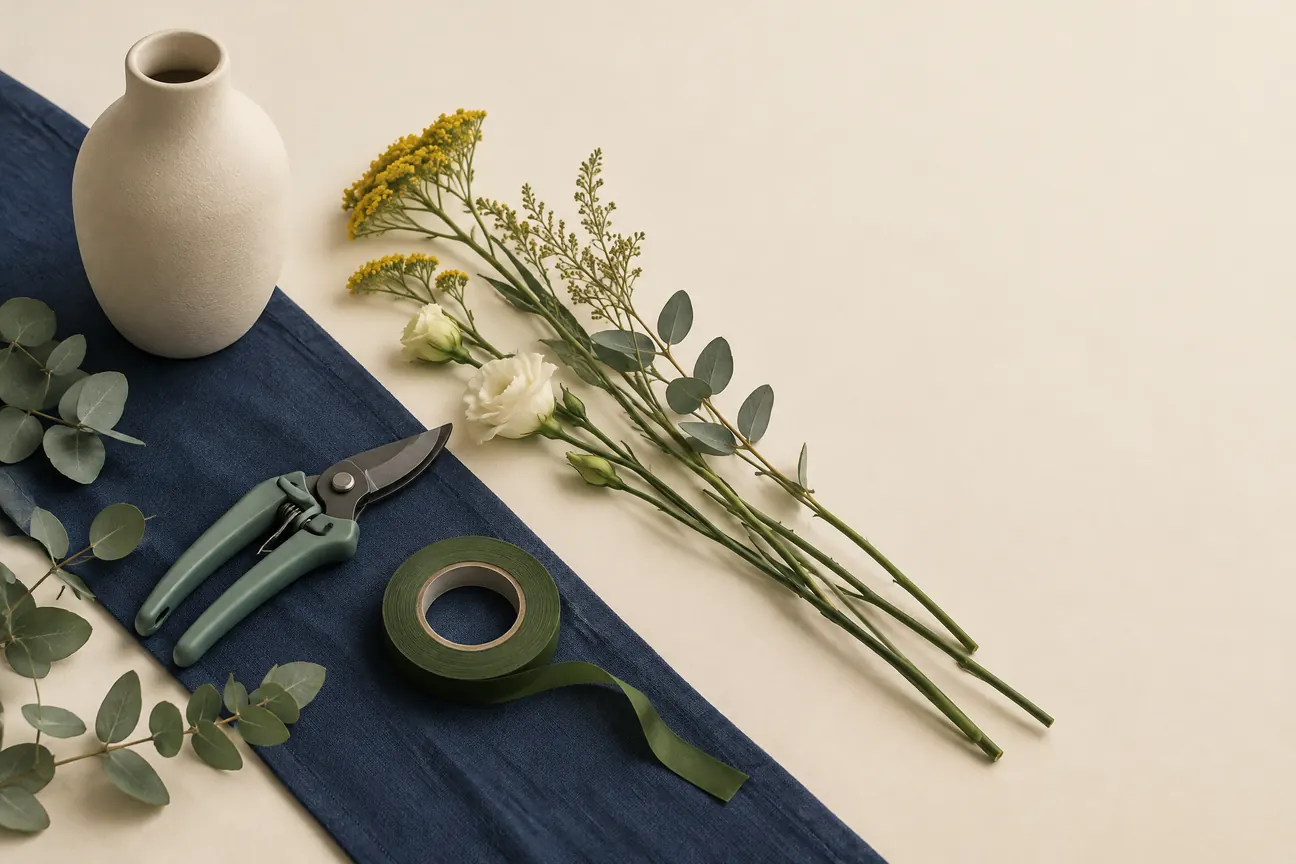
Tomorrow needs its own receiving plan
Moving the order to tomorrow helps only if someone can receive tomorrow. Check whether the recipient is working from home, visiting another site or leaving early. An office address that works on a weekday may be a poor choice for a weekend gift. Use the full calendar date, especially if you are ordering from overseas, and state that your proposed times are Hong Kong local time. The word 'tomorrow' becomes ambiguous when messages cross midnight or are read later.
Use the next day flower delivery enquiry to ask which receiving ranges are available for that date; do not read 'next day' as 'first thing in the morning'. If a birthday lunch requires flowers before the recipient leaves home, explain that departure time. A broad afternoon slot may suit the delivery route but not your gift. Compare the offered window with the recipient's schedule before agreeing, rather than hoping the early end of the range will apply.
You can also ask about receiving earlier and displaying later, provided someone can care for the flowers in between. This changes the question from speed to storage and handling. A wrapped bouquet, a vase arrangement and a shallow flower box have different practical needs, so ask what container or preparation is included. If nobody can manage an earlier handover, the extra day has not solved the problem; change the destination or the occasion plan instead.

Give the handover location, not just the street address
Treat the address as instructions for a person unfamiliar with the building. Include the building and block, floor and unit, plus the company name where relevant. Add the building's Chinese name if you know it accurately; do not guess a translation. Explain which entrance receives deliveries if there is more than one. Check access arrangements with the building or receiving team rather than assuming that a residential lobby, office reception or service entrance accepts floral gifts.
A useful access note identifies a practical action: 'Reception must call our office contact before accepting the arrangement' is clearer than 'strict security'. Ask who is responsible for arranging any visitor approval and whether the florist needs notice of stairs or limited lift access. Do not send private door codes casually or assume a courier can bypass security. If the agreed handover is in the lobby, make sure the named receiver can come down during the window.
For a surprise, separate the gift message from the logistical contact. A trusted colleague may coordinate the handover without revealing the design, but ask them before naming them as the receiver. Make the fallback explicit: one agreed person at one agreed location, not 'anyone nearby'. Check that the florist accepts that instruction. A delivery marked as received by reception may still need an internal handover, and someone should own that last step rather than leaving the bouquet unclaimed.
Choose flowers the receiver can manage on arrival
Picture the minutes after receipt. A recipient in back-to-back meetings may not have time to find a vase, while someone at home may enjoy arranging loose stems. Ask whether a vase is supplied, whether a flower box needs its own care routine, and how much shelf or desk space the finished piece occupies. A larger format is not automatically more suitable: it may be awkward for a colleague carrying it home on public transport after work.
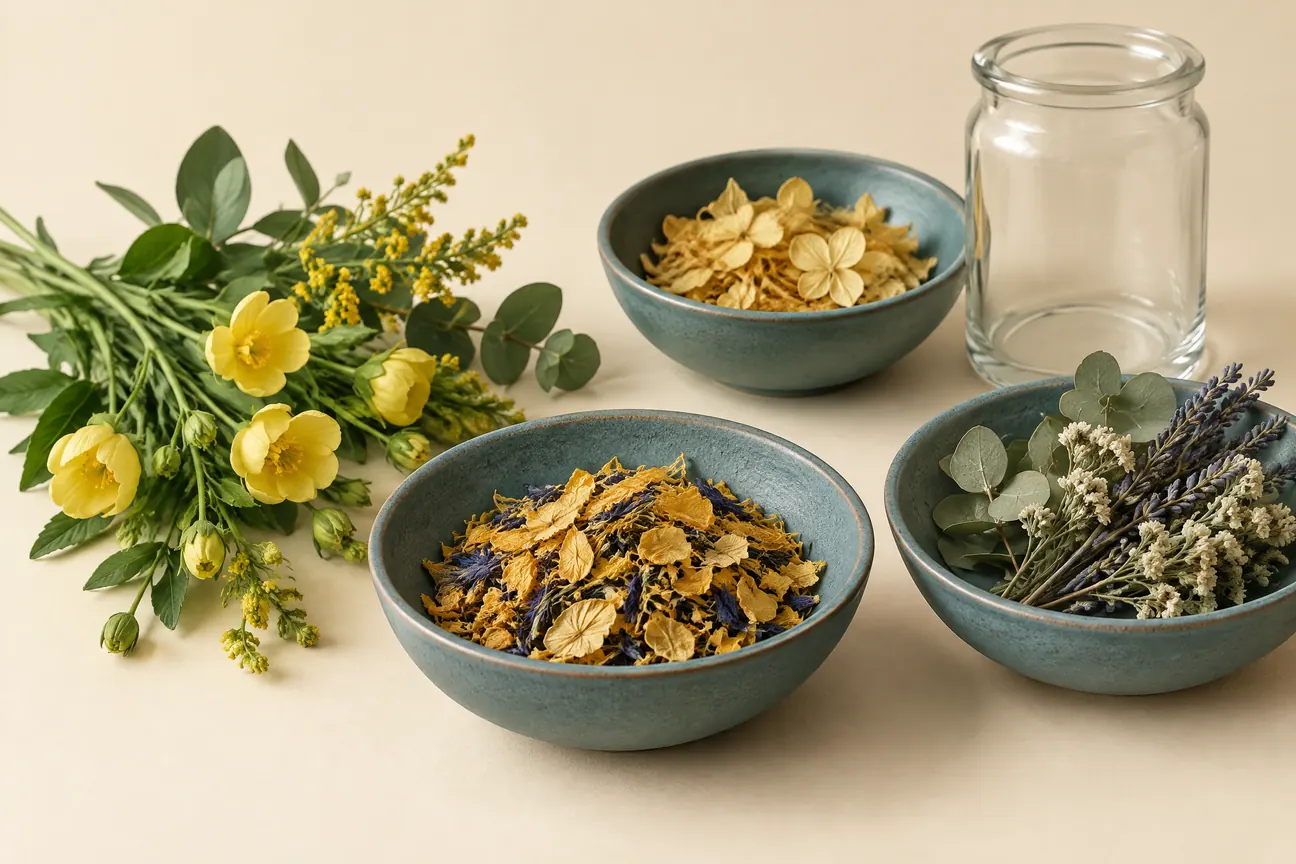
State the material you want, particularly if you are comparing fresh flowers with dried or preserved designs. These are not interchangeable simply because the colour looks similar online. If the florist proposes a different material to meet the date, decide whether it still suits the recipient and occasion. Request instructions for the actual arrangement. General fresh cut-flower advice should not be applied automatically to preserved material, a potted plant or flowers fixed into a different medium.
Packaging belongs in the receiving decision too. Ask how the arrangement should be carried upright and whether any temporary water support must be removed before display. Do not assume that wrapping makes an unattended drop suitable. For ordinary fresh cut stems, the RHS recommends clean vases and water, removing foliage below water level and appropriate re-cutting; it also recommends a cooler display spot away from heat.[3] Plan access to those basics rather than leaving the gift waiting until evening.
Get one written agreement before relying on the order
Before you order flowers online, put the chosen design or agreed description beside the date and receiving range. Include the card wording, named contact and permitted substitution limits. Ask for a reply that identifies the accepted details and any conditions still outstanding. An acknowledgement, a payment receipt and a delivery agreement can contain different information; read what each actually confirms. Keep the final version easy to find instead of relying on scattered messages.
Check the order total and what it includes, without assuming a delivery label settles the charges. Ask about the selected container, wrapping and any access-related or rescheduling charges that may apply. The Consumer Council advises that logistics providers have different fees and service terms, so buyers should examine the applicable arrangements.[1] For flowers, the useful comparison is the complete quoted order for your destination, not a headline price detached from its handover requirements.
A short confirmation can read: 'Please confirm the agreed arrangement and wrapping, delivery on the stated date within the accepted range, handover to the named receiver at the specified entrance, the authorised fallback and the total charges.' Keep addresses and phone numbers in the private order record, not on a public greeting card. If one detail is still provisional, label it clearly and ask what happens if it cannot be resolved. Do not describe the whole order as confirmed while its essential deadline remains unanswered.
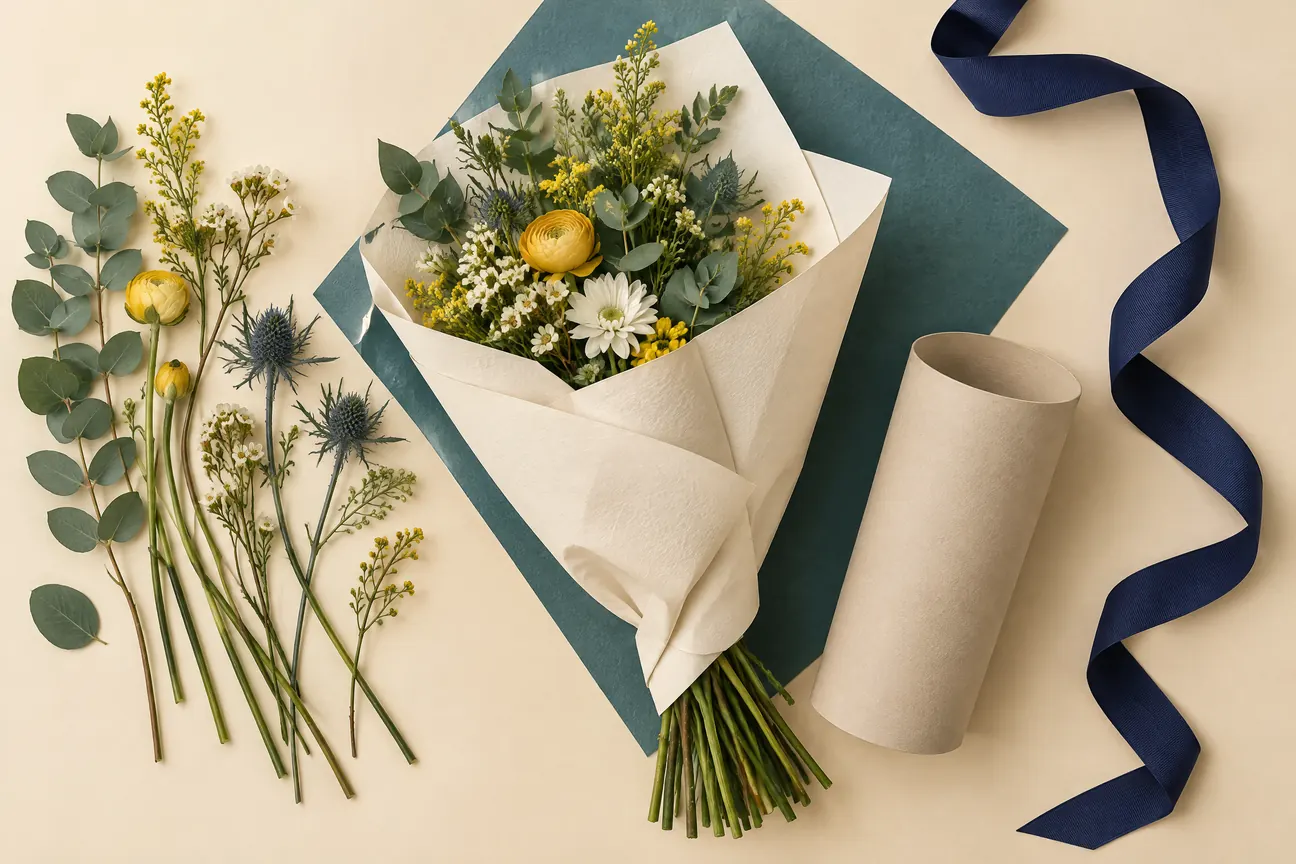
Change the plan clearly, then check the flowers on arrival
If the recipient changes location, send one message identifying the order and the precise change. Ask whether the florist accepts it and whether the window or charges must change too. A sent message is not evidence that a delivery route has been revised. Avoid issuing conflicting instructions through several people; ask for a new written summary that makes clear which address and receiver now apply. Tell the original receiving contact when their help is no longer needed.
Weather can make the original plan impractical. The Hong Kong Observatory says Red and Black rainstorm signals warn of heavy rain likely to cause serious road flooding and traffic congestion; under Black, it advises staying indoors or taking safe shelter.[2] Ask the florist how your order will be handled if travel is disrupted. The warning does not itself tell you the merchant's refund or rescheduling policy, and an urgent occasion is not a reason to press for an unsafe handover.
At receipt, check the card, agreed format and visible condition before discarding the packaging. The Consumer Council recommends prompt inspection and photographs, with transaction records retained if damage is found.[1] Photograph a problem as received and contact the seller promptly with the order reference and a factual description. Ask what remedy is available under the applicable terms rather than assuming every damaged petal or missed preference produces an automatic refund.
Once the arrival check is done, follow the supplied care instructions and move the flowers to their intended display space. For ordinary cut flowers in a vase, keep the water level under review and choose a cooler spot away from heat, as the RHS advises.[3] If reception accepted the gift, let the recipient know where it is and arrange the internal handover. Completing that final step is what turns a delivered item into a gift someone can actually enjoy.

| Receiving situation | Option to ask about | Key confirmation | Main trade-off |
|---|---|---|---|
| Someone is available today with a flexible window | Same-day delivery | Acceptance for the actual address and window | You may need to choose from currently available materials |
| Recipient leaves before today's likely handover | An agreed slot on the following day | Tomorrow's calendar date and the receiver's availability | The gift arrives later but may reach the intended person |
| Flowers are needed before a fixed event | An earlier receiving range | Who receives, where they hold it and whether setup is included | Earlier receipt requires suitable space and care |
| Recipient is absent but a colleague can help | Named alternative receiver | The colleague's consent and the florist's accepted instruction | Someone must complete the internal handover |
| No reliable receiver or access arrangement | A different address or date | Acceptance of the revised plan and any changed charges | Changing the plan may preserve usefulness better than rushing |
On a small screen, scroll the table sideways to compare.
Take it into everyday life
A practical checklist
- Write the exact calendar date and state Hong Kong local time for all proposed windows.
- Identify the earliest acceptable arrival and the latest useful handover; flag any fixed event deadline.
- Confirm who can receive at that time and whether reception is authorised and willing to accept flowers.
- Give the full building, block, floor and unit, with an accurate entrance or access instruction.
- Agree the arrangement format, container, wrapping and precise substitution limits.
- Check the quoted total and applicable change, failed-handover and weather-disruption terms.
- Keep the accepted order details together, including the named fallback and any remaining conditions.
- Arrange an arrival check, access to the correct care instructions and the final handover to the recipient.
Questions & answers
Does same-day delivery mean the flowers will arrive before my event?
Not by itself. Give the florist the event deadline and ask whether the accepted receiving window finishes early enough. Clarify whether the window ends at the building entrance, reception or the intended room. If the reply does not accept your deadline, do not plan the event as though it has.
Does choosing next-day mean a morning delivery?
No morning slot should be assumed from the label. Ask which time ranges are available for the exact date and address, then compare them with the receiver's schedule. If a morning handover is essential, say so before agreeing rather than requesting it as an afterthought.
How can I keep a flower delivery a surprise without causing a failed handover?
Ask a trusted person to coordinate receipt and confirm their availability before naming them in the order. The delivery contact can be different from the gift recipient. Avoid telling the florist simply to leave the arrangement somewhere if the recipient does not answer; agree a specific fallback that both the receiver and florist accept.
What if reception accepts parcels but I do not know whether it accepts flowers?
Check directly with reception or the building's receiving team. Ask about floral gifts, available space and the hours during which someone can accept them. Parcel acceptance is not enough information for an arrangement that may need care or an upright position. If reception cannot help, arrange a named person to meet the delivery or change the plan.
Should I approve any flower substitution to make today possible?
Only approve changes you would genuinely accept. You might allow a different fresh flower within an agreed palette but not a switch to dried materials, a different container or an unsuitable size. Put these limits in the order and ask to be contacted if the florist cannot work within them. Flexibility should remain a choice, not an undefined permission.
Is a payment receipt enough to confirm the delivery window?
Read what the receipt says. It may record payment without resolving a preferred time, access instruction or substitution request. Ask for a written reply showing the accepted date, receiving range and handover details. Keep any outstanding conditions visible so you know whether the order meets the occasion.
What should I ask about a missed handover or rainstorm disruption?
Ask who will contact you, whether a named fallback can be used, and what rescheduling or other remedies are available under the order terms. Confirm any charges before accepting a revised plan. Official weather guidance helps you assess travel conditions, but it does not establish the florist's commercial policy.
What should the receiver do if the arrangement looks damaged?
Take clear photos before discarding wrapping, note the receipt time and contact the seller promptly with the order reference. Keep the accepted description and transaction records. Describe the visible problem rather than making assumptions about its cause, and ask what remedy the applicable terms provide.[1]
Sources & further context
Numbered references follow the source order below. Merchant pages provide context for their own products or services; independent sources support relevant general reading, not merchant quality or medical suitability.