

Choose contents for the way the gift will be used
Start with what happens after the ribbon comes off. A thank-you gift for someone living alone has a different purpose from a basket to be opened in a shared office. For the first, smaller unopened units may be easier to enjoy gradually; for the second, count the portions people can actually take. A large jar adds variety but may need bowls and serving utensils. Several product types do not automatically mean enough separate servings for a team.
When browsing a Gift hamper, turn the presentation into a practical shortlist: the items you want, quantities, package sizes and anything you would prefer omitted. The merchant page offers a starting point for hamper enquiries, not a substitute for an order-specific contents list.[3] Decide which element matters most before discussing alternatives. If tea is the reason for choosing the gift, a different ribbon is probably acceptable; replacing the tea with a sweet snack may not be.
Give the recipient's preferences more weight than the basket's apparent size. Ask discreetly whether they would rather receive something for their household or share it at work, and avoid adding alcohol unless it is welcome for the adult recipient. If they have specific food requirements, pass those to the merchant for a separate ingredient enquiry rather than guessing from the theme. Keep the list short enough that a substitution decision remains clear instead of approving an undefined assortment.

Translate gourmet positioning into an item list
Use Gourmet hampers as a browsing direction, then ask what gives the proposed selection its character. It might be a particular tea, a preserve or a savoury item the recipient enjoys. The description alone does not tell you the maker, pack size or exact version that will arrive. Request those details for the items driving your choice, rather than assuming that a premium-sounding category is an independent quality assessment or proof that every recipient will like it.[3]
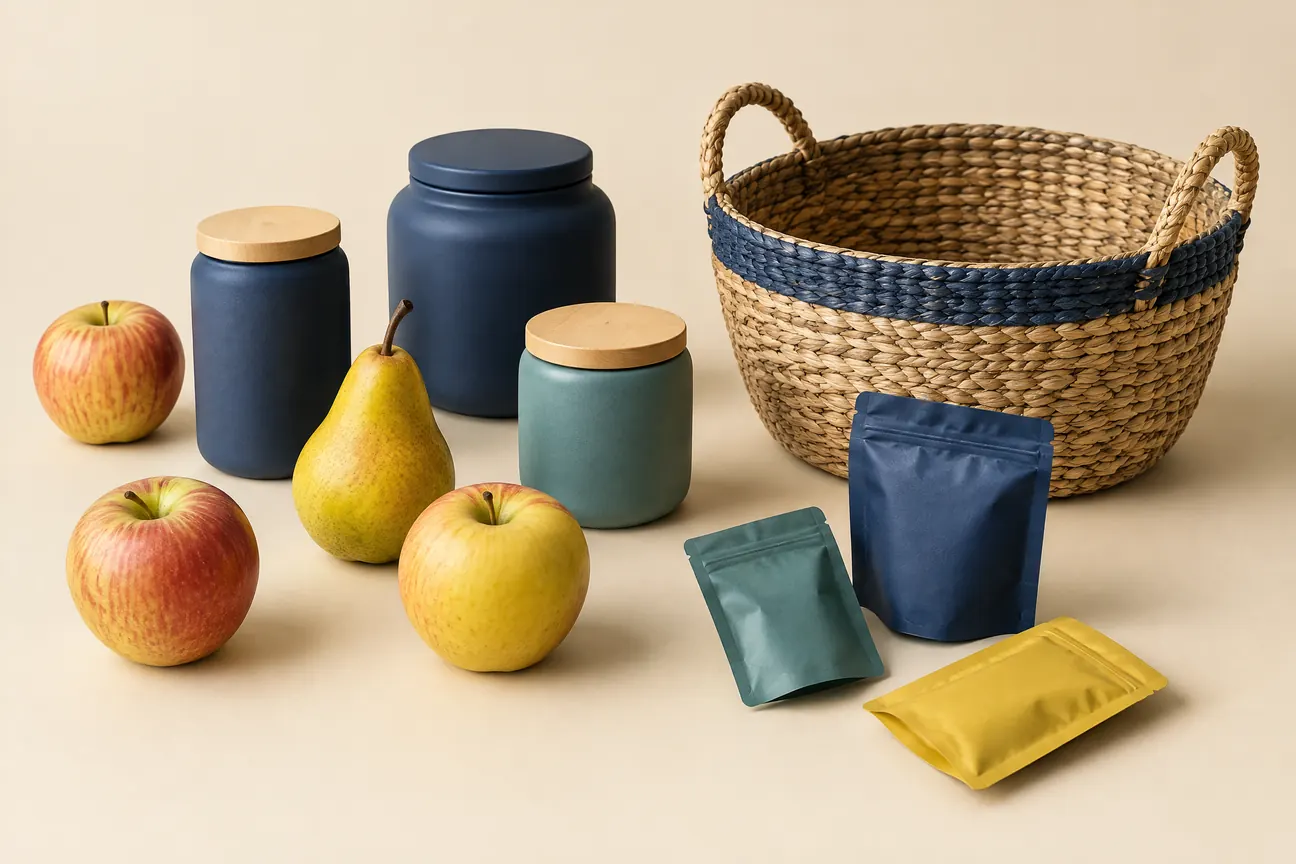
A useful comparison separates contents from presentation. One proposal may devote more space to several small packs; another may centre on a few larger containers. Neither is inherently better. The first can suit a recipient who wants variety without opening much at once; the second may suit a household already planning to serve those foods. Ask whether photographs show the proposed order or a reference arrangement, and distinguish the decorative container from the quantity of food inside it.
Check the information that will accompany the food, especially storage directions and expiry dates. The Centre for Food Safety says online food operators should provide clear food labels, expiry dates and delivery arrangements.[1] If one proposed item needs refrigeration and another does not, that difference can change the receiving plan more than the colour of the wrapping. When the merchant cannot supply enough detail for a key item, choose a clearer alternative or leave that part of the enquiry unresolved.
Hamper delivery planning starts with an exact handover point
For Gift hamper delivery in Hong Kong, discuss the actual destination rather than stopping at a district name. The linked landing page provides a gift-delivery enquiry route; it does not settle access to your recipient's building.[4] Supply the building name, street address, tower where relevant, floor and unit. Then identify the intended handover point: the apartment door, an office reception desk or another location the receiver and merchant have both accepted.
Ask the recipient or their designated contact how deliveries enter the building. A visitor entrance and a goods entrance may be different, and an office may require reception to notify someone upstairs. Treat these as questions about that particular property, not rules you can infer from a neighbourhood. Explain any known stairs, lift restrictions or access hours to the merchant before asking for a quotation. A complete address is necessary, but it does not itself authorise a courier to enter.
Make the last part of the journey explicit. If the agreed service ends at the lobby, who will collect the hamper and carry it upstairs? If reception is the proposed handover point, has reception agreed to accept this parcel for this person? Avoid leaving that job to an unnamed colleague. A practical address note might say, 'Main entrance reception; named colleague will collect from the desk.' Use only arrangements that the people involved have accepted, and keep instructions concise enough to follow.

Choose a receiver who can do more than sign
Match the delivery window to a person, not merely to an open building. The Centre for Food Safety specifically advises having someone available at the scheduled time to accept online food deliveries and checking them immediately.[1] Your receiver should know that a hamper is expected, be contactable during the accepted window and have somewhere appropriate to put its contents. A busy reception desk can receive a parcel without being able to unpack food or find refrigerator space; ask rather than assume.
A Gift basket delivery enquiry should therefore include the receiver's practical role, not just their name. Discuss whether they will meet the delivery, bring it to the recipient and pass on any storage instructions.[4] If a colleague is helping preserve a surprise, ask permission to use their contact details and give them a short brief. They can know the date, parcel type and handling needs without being shown the greeting message or every item in the basket.
For a household, choose a day when the gift can move from the doorway to a cleared shelf or suitable storage space. For an office, check whether the hamper will be opened there or taken home; that extra trip may favour a smaller format. Nominate a backup only if that person genuinely agrees and the merchant accepts the arrangement. If nobody can receive the proposed contents properly, change the delivery day or selection rather than relying on unattended placement to preserve the surprise.

Match the wrapping to the final journey
Ask for the packed dimensions and an indication of carrying weight when the hamper includes bulky containers or glass. A basket that looks manageable in a close-up photograph may be awkward for someone carrying other bags. Compare a display basket with a compact box by the journey it must make after handover. If the recipient will commute home, a carrying bag or protective outer carton may be more useful than extra decorative height, but confirm what is actually included rather than presuming accessories come with it.
Keep protection and presentation as separate questions. Ask whether the delivery arrives in an outer carton, whether that carton can be removed before presentation and how fragile items are supported. Decide who will do that unpacking. A colleague receiving a surprise at work may need a convenient outer package they can move discreetly, while a home receiver may prefer to see the arranged gift immediately. Neither choice establishes that the packaging can keep perishable contents at the required temperature; ask about food handling separately.
Do not make the decorative basket the default storage container for everything inside. Follow each food's stated storage directions and put items needing refrigeration into appropriate storage promptly. Perishable refrigerated or frozen foods need time and temperature control, as the Centre for Food Safety explains.[1] For a mixed hamper, give the receiver a simple distinction between items to put away immediately and items that can remain displayed according to their labels. There is no single storage period that can be assigned to the whole gift from its appearance.

Agree the order terms before treating the plan as booked
Bring the selection and receiver plan together in one order summary. Include the agreed contents, gift message, complete destination, handover point and requested window, then ask the merchant to confirm what it has accepted. The Consumer Council recommends reading service terms and checking product information in confirmation emails.[2] A message saying 'please deliver before lunch' expresses a preference; it does not establish that the merchant has committed to that deadline. If the occasion depends on a precise time, resolve that point before proceeding.
Compare the total quoted arrangement rather than a headline hamper price. Ask which delivery charges apply to the specific address, whether the handover level changes the charge and what happens after an unsuccessful attempt. Also clarify substitution approval, address-change limits and the procedure for reporting damage or missing items. The Consumer Council's guide notes that shipping costs and return procedures vary, so check the actual terms rather than assuming a familiar arrangement applies here.[2] Do not presume free redelivery or a particular refund outcome.
Keep the confirmation with the transaction record and the relevant product description. If the recipient later changes location, send a single clear update identifying the order and proposed new details, then wait for acceptance before briefing the receiver. Ask what remains unchanged, including contents and any charges. Once accepted, give the receiver the current instructions rather than forwarding a long conversation containing conflicting addresses. This reduces the chance that an old message is mistaken for the arrangement everyone is now following.

Check the arrival before closing the gift task
At handover, check that the parcel is for the intended recipient and look for obvious packaging damage, leakage or a missing package. Once it can be opened appropriately, compare the contents with the accepted list and pass on the greeting card. Ask the receiver to report receipt and any problem to you, not simply say that a courier visited. For an office delivery, distinguish reception's acceptance from collection by the named colleague, especially when food needs prompt attention or the recipient is away from their desk.
If frozen food arrives thawed, packaging is damaged or a can is swollen, the Centre for Food Safety advises not consuming the affected food and returning it promptly to the vendor.[1] Contact the merchant about the problem and the return arrangements; do not serve a questionable item just to complete the celebration. Keep factual photographs of the affected package, labels and contents where useful, together with the receipt. The Consumer Council advises prompt inspection and retaining transaction records when shopping online.[2]
Separate a greeting-card error from a food-condition problem when reporting what happened. State the order reference, what was received, when it arrived and which agreed detail differs. Ask the merchant for the next step without promising the recipient a replacement time or refund you have not been offered. When the hamper is checked and put away, let the sender know the handover is complete. The result you want is a gift the recipient can enjoy without having to solve an unexpected delivery task.
| Receiving situation | Contents and format to consider | Handover decision | Question to settle before ordering |
|---|---|---|---|
| Recipient at home during an accepted window | A format that fits the available display and storage space | Direct handover to the named household receiver | Can the receiver check and put away each item promptly? |
| Office reception with collection by a colleague | Manageable packaging with clear storage instructions | Reception accepts only if agreed; colleague collects | Who moves the parcel from reception and handles any perishable food? |
| Recipient taking the gift home after work | Compact packed size and a confirmed carrying option | Office handover followed by a separate journey | Are the contents and carrying arrangement practical for that journey? |
| Surprise coordinated by a helper | Contents the helper can receive without extra preparation | Consenting helper available during the accepted window | Can the helper handle the parcel while keeping the message private? |
| No available receiver for the proposed day | A different selection or a different delivery day | Do not rely on unattended placement | Which revised arrangement can both the receiver and merchant accept? |
On a small screen, scroll the table sideways to compare.
Take it into everyday life
A practical checklist
- List the essential contents, quantities and substitutions that require your approval.
- Ask for food labels, expiry information and storage directions for the proposed items.
- Confirm the packed size and carrying arrangements if the recipient must take the gift elsewhere.
- Specify the full address and exact handover point, including any known building access restrictions.
- Get agreement from a named, contactable receiver who can check and put away the contents.
- Clarify the accepted window, address-specific charges and unsuccessful-delivery procedure.
- Save the merchant's order confirmation and send the receiver only the current instructions.
- Arrange a receipt update and prompt reporting of damage, missing items or food-condition concerns.
Questions & answers
Can I keep a hamper delivery a surprise without leaving it unattended?
Yes, by coordinating with a household member or colleague who agrees to help. Give them the accepted window, parcel type and storage needs while keeping the greeting message private. If no helper can receive it, telling the recipient to expect a parcel is more practical than relying on an unattended drop.
Does delivery to an address mean the hamper will reach the apartment door?
Do not assume that. Ask whether the accepted service ends at the building entrance, reception or the unit itself, and explain any known access restrictions. If someone must carry the hamper from the lobby, arrange that person before ordering.
What should I ask about a gourmet selection?
Request the actual items, makers where relevant, pack sizes and quantities for the proposed order. Identify which item is the reason for your choice, and agree how substitutions will be approved. Gourmet wording is a browsing description, not an independent quality ranking.
Is an office reception desk a suitable receiver for food?
Only if the desk agrees to accept the parcel and someone can promptly collect, check and store the contents as needed. Reception's opening hours alone do not show that staff can handle perishable foods or find refrigerator space. The Centre for Food Safety advises having someone available and checking online food deliveries immediately.[1]
What if the merchant offers a window that overlaps the recipient's meeting?
Try an agreed backup receiver or another day. If the hamper contains food requiring prompt storage, choose a window during which the receiver can do that job. Do not treat a requested narrower time as accepted until the merchant confirms it.
Can I change the delivery address after placing the order?
Ask the merchant whether a change is still possible for that order. Supply the new address, handover point and receiver details together, and clarify any revised charges or timing. Keep using the original accepted arrangement until the change is confirmed, then replace the receiver's old instructions.
Should the receiver leave all the food in the basket for display?
Not automatically. Read each item's storage directions; any food requiring refrigeration needs appropriate storage rather than decorative display. Ask for those directions before choosing a mixed hamper so the receiver can prepare suitable space.[1]
What should I do if the hamper arrives with damaged packaging or missing contents?
Compare it with the accepted order and contact the merchant promptly with the order reference, a factual description and useful photographs. Keep transaction records and check the agreed reporting procedure.[2] For damaged food packaging, swollen cans or frozen food arriving thawed, follow the Centre for Food Safety advice not to consume the affected food and to return it promptly to the vendor.[1]
Sources & further context
Numbered references follow the source order below. Merchant pages provide context for their own products or services; independent sources support relevant general reading, not merchant quality or medical suitability.