

Plan Easter gifts at work around who will actually receive them
Before choosing packaging, decide what one gift represents: an entire team, one employee or a client organisation. A shared hamper says that the group is being thanked together. An individual gift makes the acknowledgement portable and visible to each person. Neither format is automatically more generous. The important test is whether the intended recipients will get a reasonable opportunity to enjoy it, rather than whether the delivery photograph looks impressive.
Separate the staff list from the attendance list. In a hypothetical office of twenty colleagues, twelve might attend a pre-holiday gathering while the others work different shifts or remotely. A hamper opened at that gathering cannot also count as a personal gift for everyone. Choose either a group occasion with a separate acknowledgement for absent colleagues, or individual units for the full eligible group. Agree how contractors, new starters and staff on leave fit your company policy before quantities are settled.
Set the tone without requiring anyone to participate in an Easter celebration. A short seasonal thank-you can accompany either format, and colleagues should be free to decline food. Give people a discreet way to raise preferences or request an alternative without explaining personal circumstances to the team. This changes the purchasing decision: a single mixed basket offers variety in one place, while individual units allow different choices but require a reliable record of who receives which version.

Choose a shared hamper when the gathering is the gift
A shared hamper works best when opening it is part of an actual break or gathering. Someone needs to unpack it, retain the food information and manage access. A central basket left beside reception is less predictable: early arrivals may choose first, later shifts may find only unwanted items, and visitors may not know whether it is for them. For a team celebration, move it to a designated sharing area and explain who it is intended for.
When comparing Easter gift hampers, ask about the current selection in terms of usable portions, not just the number of product lines. The linked page is an enquiry route for non-floral seasonal gifts; it does not settle the contents of your order. [4] A hypothetical hamper with several jars and one box of biscuits might offer variety, yet still need cups, serving tools or additional food before a whole team can share it. Establish what opens easily and what remains a take-home item.
Sharing does not require opening every item at once. If the contents permit, offer a modest selection for the gathering and agree what happens to unopened items afterwards. Avoid informal allocation based on whoever stays latest. A named pantry organiser can distribute the remainder across shifts or follow an agreed team decision. If this sounds like too much hosting for your workplace, individual gifts may be the simpler format even when the shared hamper has a lower quoted purchase cost.
Treat fruit as a separate format, not a smaller hamper
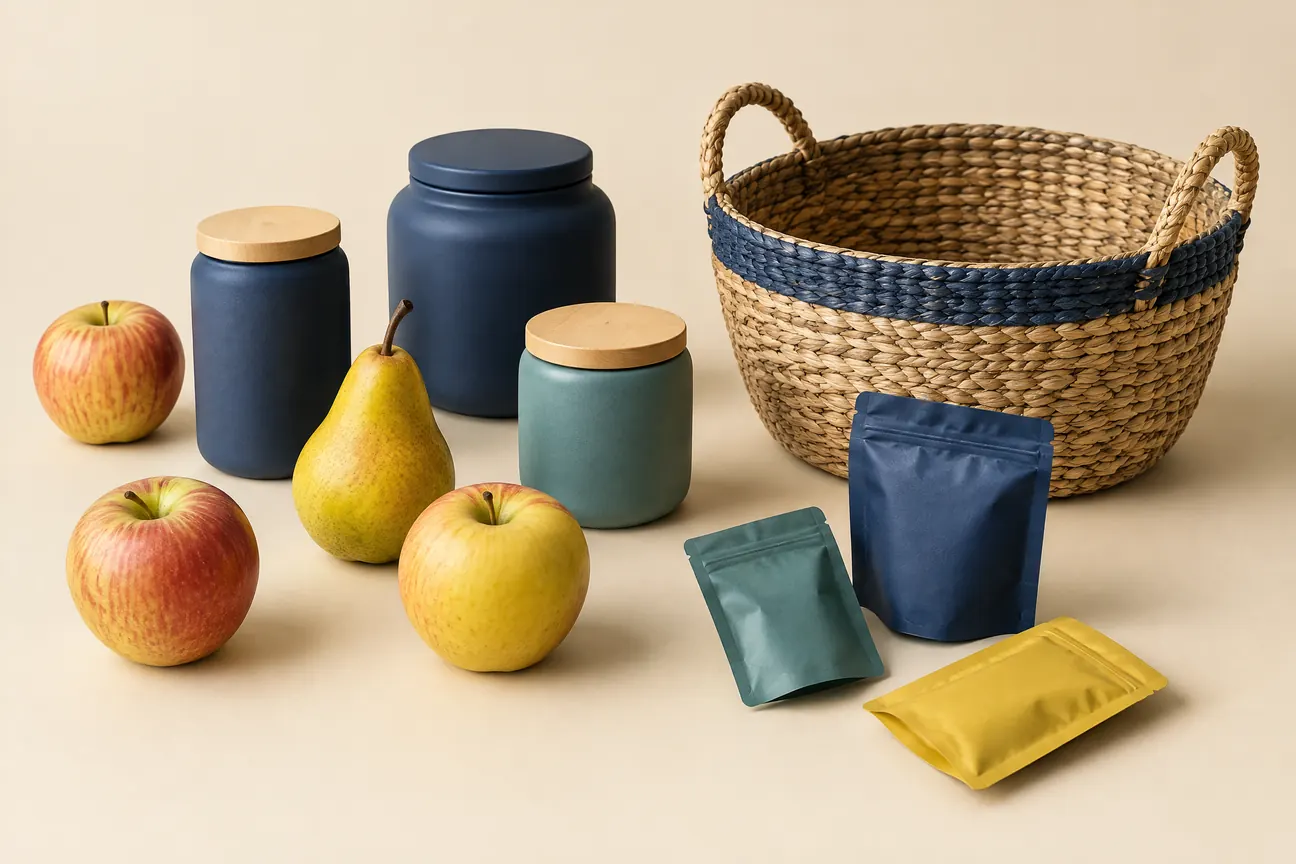
Fruit-led gifts have their own unit problem. A large basket might be a gift for one household, a display for a client office or a supply of fruit for colleagues to share. Several small packs instead create identifiable take-home gifts. The container does not tell you the intended portion: a cluster of grapes is not equivalent to a separately packed apple for distribution. Decide whether people will choose fruit at work, prepare it for a break or carry an unopened gift home.
Use the Fruit basket page as a fruit-gifting enquiry starting point, then establish which current arrangement meets that purpose. [5] Do not assume that a basket listing also means the merchant can provide small individual staff packs. For sharing, ask about the actual fruits and quantities. For personal handovers, ask about consistent units and carrying protection. If individual packaging is unavailable, reconsider the format rather than promising colleagues a personal gift that the order cannot deliver.
Whole fruit avoids an office cutting task only when the chosen fruit can be handled conveniently by the recipient. Melons and other large fruits still need preparation; delicate fruit may need refrigeration. FDA guidance advises buying refrigerated pre-cut produce and refrigerating it, while also identifying perishable whole produce that needs cold storage. [2] An office without suitable storage should not substitute cut fruit simply because it looks easier to share. Check the chosen fruits' storage needs instead of assigning one shelf life to the entire basket.

Work backwards from the last staffed receiving window
The useful delivery date is the day a responsible person can receive, inspect and place the gift appropriately. It is not necessarily the final working day printed on a company calendar. For the next Easter period, GovHK lists Good Friday on 26 March 2027, the following day on 27 March and Easter Monday on 29 March. [1] Use those dates as a prompt to check leave and reception coverage, not as proof that every office will close or every colleague will be present.
Ask the receiving team for its final staffed window and whether large parcels can move beyond the lobby. Then leave time for the internal handover before people depart. For example, an office could receive gifts on Wednesday and distribute personal packs during Thursday's confirmed attendance window, if the selected contents and storage arrangements allow it. A shared hamper may fit an earlier team break better. The merchant still needs to confirm the actual delivery arrangement; your preferred schedule is not a booking.
Prepare a fallback that suits the recipient rather than simply moving the address. Home delivery needs the person's agreement and someone available to receive the parcel. A later office handover can be more sensible when colleagues are travelling, though it changes the seasonal timing. For multiple client offices, establish a contact at each destination rather than relying on one head-office answer. Never instruct a courier to leave food unattended because a reception desk was expected to be open.

Keep food information with every portion
A mixed hamper can lose useful information when its contents are rearranged. Keep original ingredient labels and any precautionary warnings available beside the food. Hong Kong's Centre for Food Safety explains the role of allergen labels on prepackaged foods and notes that precautionary statements can concern allergens inadvertently introduced during production. [3] A festive title, fruit-led theme or separate wrapper is not evidence that an item meets a colleague's requirements. Let the person examine the actual information before choosing.
If you split packaged items into personal gifts, keep each original labelled pack intact wherever possible. Decanting biscuits into decorative bags may create an attractive matching set but removes the recipient's easy access to the product information. For a colleague who needs an alternative, agree the exact item privately; do not make a last-minute substitution based only on how similar it looks. Where the supplier cannot answer a relevant ingredient question, choose another agreed option instead of reassuring the recipient yourself.
For fruit prepared at work, allocate the cleaning and preparation task explicitly. FDA guidance recommends clean hands, washing produce under running water before eating or cutting, including before peeling, and clean preparation equipment; soap and detergent are not recommended for washing produce. [2] Keep this practical: an available sink and suitable utensils matter more than elaborate presentation. Fruit intended to be taken home should not be described as ready to eat unless the actual product information supports that description.

Compare quotations by distribution unit and total handling
Compare like with like before deciding which option fits the budget. For a shared hamper, count the intended sharing group and any extra serving materials or food needed. For individual gifts, count recipients and include unit packaging, cards, delivery destinations and internal distribution work. A lower total basket price can conceal more preparation. Conversely, a personal pack may cost more to procure yet need less hosting. Use the same recipient scope for both alternatives so absence from the gathering does not disappear from the comparison.
A useful Corporate Easter gifting enquiry should distinguish shared team baskets from individually issued gifts and explain the receiving schedule. [4] Present the quantities by format and destination, then request the current contents and itemised arrangement. Branding, message cards and split delivery are questions to resolve, not automatic inclusions. If a proposed substitution changes the number of usable portions or a recipient's food requirements, review the affected choice before approving it.
Keep the approval short enough to use: chosen format, agreed contents, quantity, receiving contact, confirmed arrangement and approved wording. Ask the approver to resolve meaningful differences rather than select a ribbon while the distribution plan remains undecided. Where a client gift is involved, check the recipient organisation's gift-acceptance policy before ordering. A hamper that cannot be accepted is not made more suitable by elegant packaging, and an employee gift should not be confused with a client hospitality expense.

Make the handover fair without creating a queue
For individual gifts, use a simple collection record and more than one handover window when shifts differ. Keep alternative versions separate without displaying colleagues' personal requirements. A pack can carry the same thank-you message even if its contents differ by agreement. Set a collection deadline that leaves someone responsible for uncollected items; do not abandon them on desks for the holiday. The purpose is a considerate acknowledgement, not a public roll call of who chose which food.
For a shared gift, explain the arrangement before opening it: when sharing starts, how later shifts are included and who will deal with leftovers. Put the food where people can reach it without obstructing reception or working equipment. Keep outer wrapping and cartons out of the serving space. If the team cannot make a workable sharing plan, change to a small gathering at another time or personal handovers rather than leaving one large basket to distribute itself.
Afterwards, assess the practical result rather than inventing a popularity score. Did gifts reach absent colleagues? Did receiving staff have enough notice? Were unopened items left because their format was awkward? Those observations help the next seasonal order. For this Easter, the choice is straightforward: a shared hamper suits a genuinely shared moment; individual fruit gifts suit individual journeys. Match the gift to that reality, and keep its message of thanks clear without making health promises about the food.
| Decision | Shared mixed hamper | Shared fruit basket | Individual fruit gifts |
|---|---|---|---|
| Best-fitting occasion | A team break with someone hosting | A group that wants fruit and has suitable preparation space | Personal acknowledgement across shifts or take-home handovers |
| Unit to establish | Usable portions across all contents | Actual fruit quantities and how they will be divided | One agreed pack per recipient; availability must be checked |
| Food information | Keep original labels available as items are opened | Establish chosen fruits, preparation and storage needs | Keep labelled items intact and distinguish agreed alternatives privately |
| Work after reception | Unpack, serve and allocate unopened items | Store and, if needed, wash or prepare fruit | Track collection and arrange absent recipients' handovers |
| Main timing constraint | A real gathering before the break | Receiving and storage before sharing | Attendance windows or consented alternative delivery |
| Budget comparison | Include serving materials and extra portions | Include preparation work and any carrying packs | Include each unit, packaging and destination arrangements |
On a small screen, scroll the table sideways to compare.
Take it into everyday life
A practical checklist
- Define whether each gift is for a team, an employee or a client organisation.
- Count eligible recipients separately from people attending the gathering.
- Choose shared portions or personal units, and agree a plan for absent colleagues.
- Confirm actual contents, food information and storage needs before approving substitutions.
- Check reception coverage and the internal handover window around Easter leave.
- Compare total purchase and handling costs using the same recipient scope.
- Approve card wording and any client gift-policy requirements before ordering.
- Assign one person to receiving, uncollected gifts and the agreed leftover plan.
Questions & answers
Is one Easter hamper enough for a whole office?
Only if the actual contents provide useful sharing portions for the intended group. Basket size and the number of product lines do not establish this. Ask how items will be divided and whether jars or larger packs need additional food or utensils. Include colleagues who will not attend the first gathering in your plan.
Does a fruit basket count as an individual gift?
It can be a personal gift, a household gift or a shared office gift. Decide which meaning applies before ordering. A basket enquiry does not establish that small personal fruit packs are available; confirm the individual-unit format if that is what employees will receive.
Should gifts arrive on the last working day before Easter?
Not necessarily. Choose a confirmed staffed receiving window with enough time to inspect and distribute the gifts. The 2027 general-holiday calendar places Good Friday on 26 March and Easter Monday on 29 March, but actual reception hours and staff leave still need checking.[1] Match earlier delivery to the chosen contents' storage needs.
How can remote colleagues receive an equivalent thank-you?
Agree personal handovers at a later attendance window or ask whether a consented alternative delivery can be arranged. Home delivery should not be presumed from an existing staff address. Equivalence can mean the same message and an agreed gift value or format, rather than identical food sent on an impractical date.
Can we divide a hamper into small bags for everyone?
You can plan a split only when the contents divide sensibly and food information remains available. Keep original labelled packs intact where possible instead of decanting food into anonymous bags. Check the intended portions before buying; some jars or large packs may not convert into useful individual gifts.
Is fruit automatically suitable for everyone who avoids hamper sweets?
No. Ask about the person's actual preferences or requirements and agree an alternative without making a public issue of it. A fruit-led name is not an allergen-free or dietary suitability guarantee. For packaged additions, retain the ingredient and precautionary allergen information so the recipient can assess the item.[3]
Are pre-cut fruit gifts easier for the office?
They remove some cutting work but add refrigeration needs. FDA guidance advises choosing refrigerated pre-cut produce and refrigerating it after purchase.[2] Confirm cold storage and the serving arrangement before selecting it. Whole fruit also needs handling appropriate to the particular fruits, so do not assume every basket can stay at reception all weekend.
What should happen if reception closes before delivery?
Contact the merchant about a revised arrangement rather than instructing unattended delivery. A later office handover may be preferable to sending the gift to an unconfirmed home address. Agree the destination, receiver and date, and check whether the chosen contents or applicable order charges need to change.
Sources & further context
Numbered references follow the source order below. Merchant pages provide context for their own products or services; independent sources support relevant general reading, not merchant quality or medical suitability.