

Start your bespoke wedding hamper with life after the celebration
Imagine the couple opening your gift after the wedding rather than posing beside it at the reception. Will they be returning to a small flat, moving between homes or leaving for a honeymoon? A large basket of unfamiliar ingredients may demand shopping, cooking and storage just when they want fewer tasks. If you know they enjoy a quiet weekend breakfast, a compact selection for that routine may be more personal than an elaborate assortment. Choose a use that fits both people; knowing one partner's favourite snack is a useful start, but not a complete brief for their shared gift.
Where a couple has a gift list, use it to understand their needs and style before going off-list. The Emily Post Institute describes a registry as a convenience rather than a mandate, and rejects the idea that a gift must equal the cost of the guest's reception meal. That is etiquette guidance, not a rule for every Hong Kong family. Follow the couple's stated wishes and your own affordable budget instead of trying to infer what their wedding venue says about the gift you owe them. [1]
If a hamper would genuinely suit them, the Wedding gift hamper enquiry direction gives you somewhere to discuss a personal combination. Bring a simple recipient description: for example, two tea drinkers who prefer savoury snacks and have limited cupboard space. This is an illustrative brief, not an account of an actual order. Keep the question about what can be proposed for those preferences, rather than assuming a wedding label guarantees suitable contents.
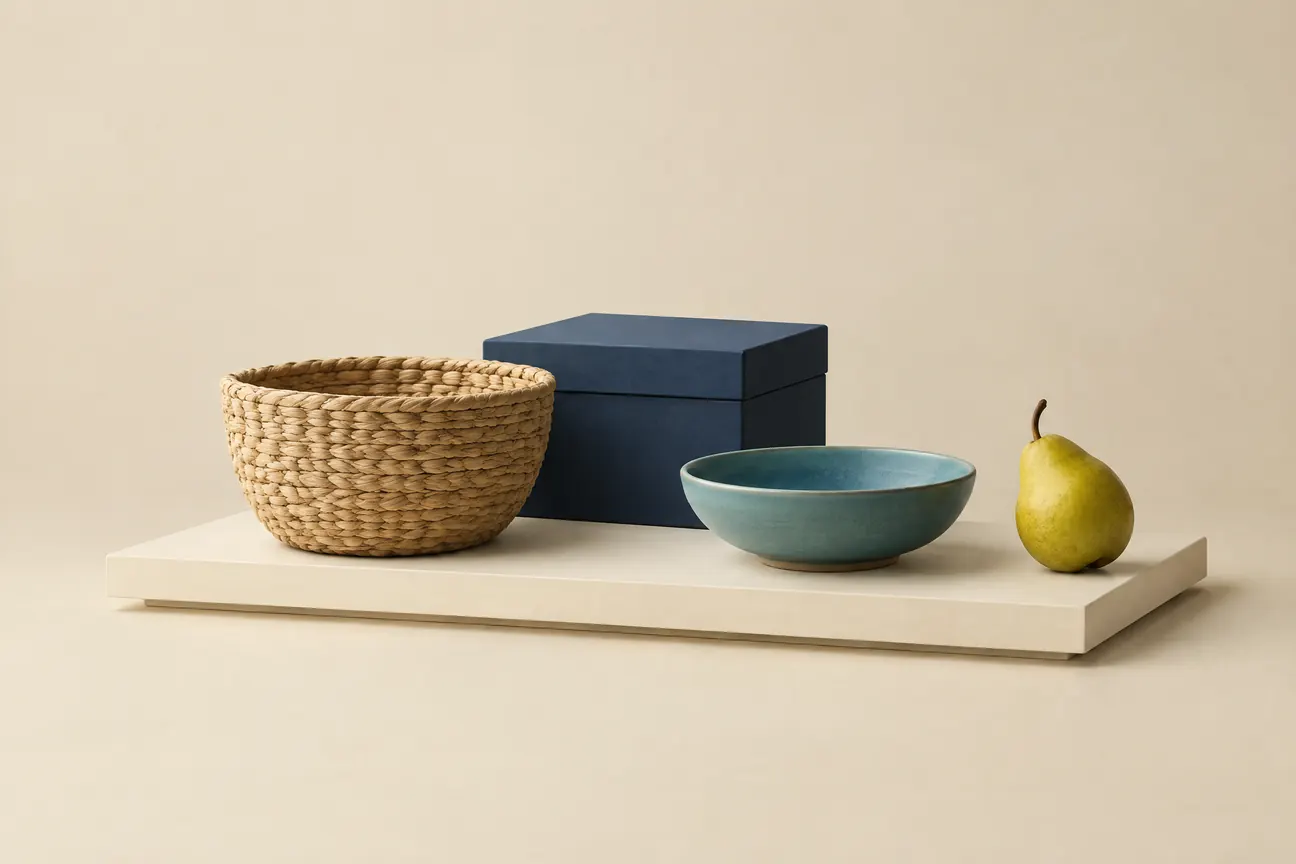
Choose contents you can describe, not just a theme
A theme such as 'breakfast together' is useful only once you can name the products behind it. Ask for each proposed item's identity, pack size and quantity. Tea may mean loose leaves that need a strainer or bags that work with equipment the couple already owns. A preserve may need bread or another food alongside it. These differences matter more than how many product varieties appear in the basket. Keep the list short enough that you can explain why each item belongs, and drop the filler that merely occupies an awkward gap.
For prepackaged food, request readable ingredient and allergen information before deciding, particularly if either recipient has told you about an allergy. Hong Kong's Centre for Food Safety guidance explains the declaration of specified allergens and discusses warning statements associated with shared production environments. Removing a visible pack of nuts does not establish that every other product is suitable. Share the actual information with the recipient where needed; if the supplier cannot answer an important suitability question, leave that item out or choose another gift format rather than guessing. [2]
Also ask to see the date information and any storage instructions for the proposed packs. Do not interpret an unfamiliar numerical date without its day, month and year key; the CFS guidance allows different component orders when identified. [2] Match the gift to the expected opening date, including time away after the ceremony. For adult recipients, include an alcoholic drink only when you know it is welcome. An alcohol-free combination does not need an explanation on the card, and neither option should be presented as a health benefit.
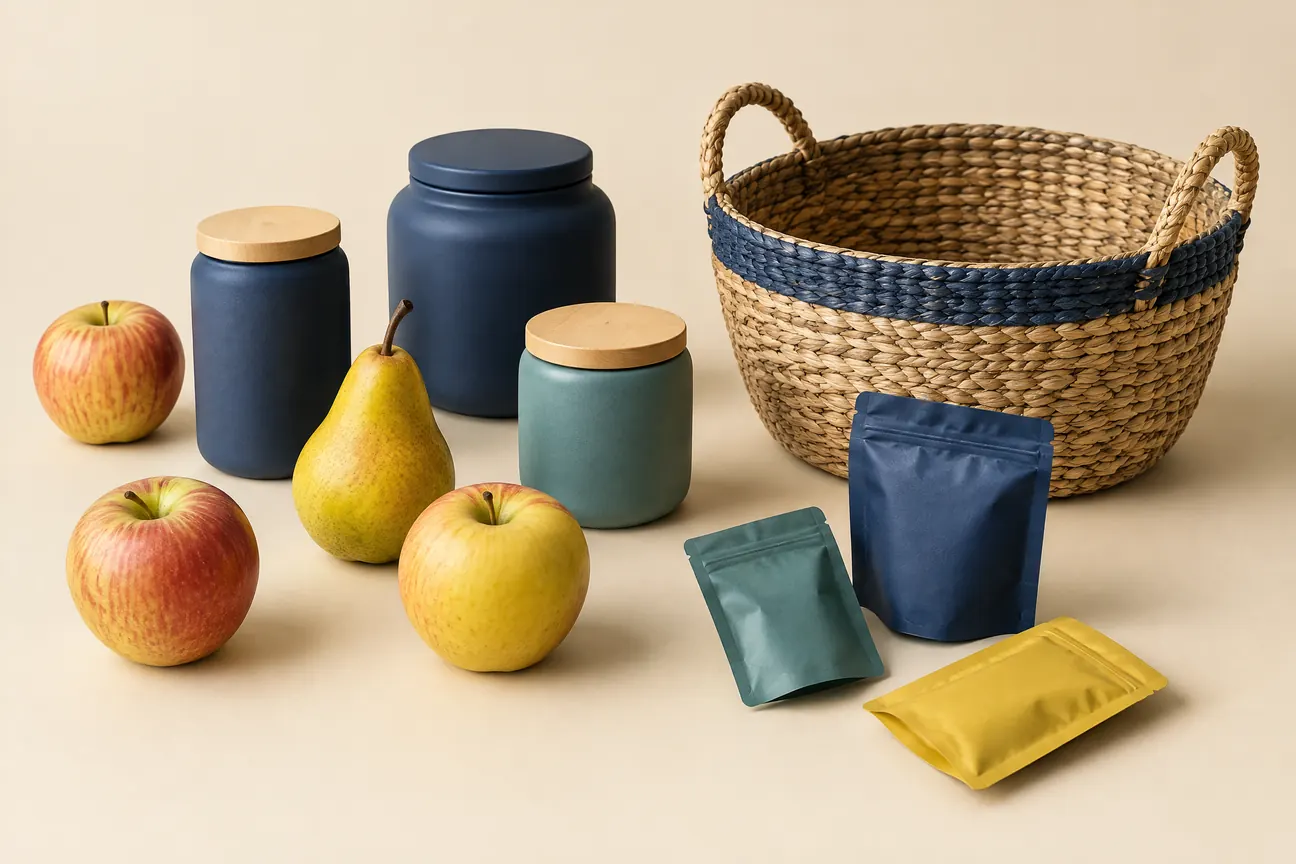
Decide who shares the gift before choosing its size
A gift for the couple is not automatically a gift for everyone attending their wedding. Decide whether it is intended for two people at home, a larger family gathering or separate households. One shared container can work for people opening it together. Separate labelled parcels may be easier when items are going to different homes. This choice changes quantities and messages, not just the outside dimensions. Do not quietly turn a personal wedding present into reception favours: favours require a different count and distribution plan, and should be agreed with the hosts.
Use the Gift hamper category page to compare broad content directions before asking for a specific proposal. It presents categories and a custom-enquiry option, but those descriptions are not your confirmed item list. [4] A largely standard combination with one agreed change may be enough when most contents already suit the couple. Starting from scratch makes sense when the available combinations miss their preferences, not simply because the word personalised sounds more generous.
Compare the finished footprint as well as the number of products. A low basket lets someone see contents at a glance but still needs a surface for unpacking. A rigid box conceals more of the arrangement and may be easier to put aside unopened, depending on its shape. Smaller parcels can make sharing clearer, while creating more pieces to track. Ask for approximate packed dimensions and carrying weight if someone will collect the gift. Avoid paying for empty visual volume when a smaller container would hold the same useful selection.
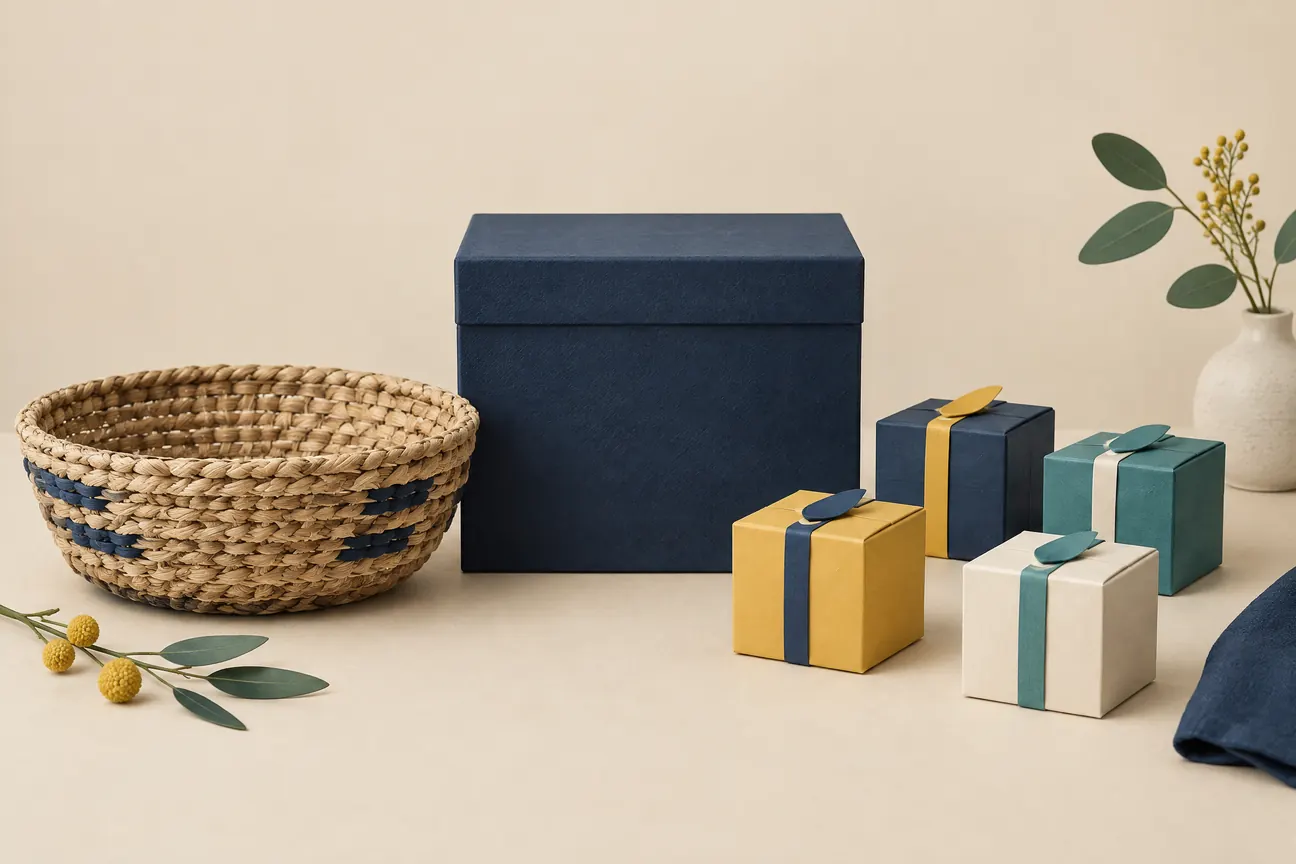
Separate available changes from special requests
When exploring Bespoke gift hampers, distinguish a change to an offered combination from a request to source something new. The merchant guide discusses personalisation, but a general guide cannot establish that a particular brand, container or finish is available for your date. [3] Ask which products can be exchanged within the current selection, whether an outside item can be included, and whether a different box requires a separate quotation. Make a favourite imported product an enquiry, not a promise to the couple before the supplier has accepted it.
Mark requests as essential, preferred or optional. An essential requirement might be excluding alcohol; a preferred detail might be a navy ribbon; an optional extra might be a decorative sleeve. These priorities help you decide what to relax when the proposed combination is unavailable. They do not authorise a supplier to reinterpret an allergy restriction. If the essential requirements cannot be met, pause the order. A different kind of gift is a better fallback than a visually similar replacement that defeats the reason you chose the hamper.
Agree a substitution approach while there is still time to choose. 'Something of similar value' leaves too much open: a replacement can change flavour, preparation needs or dietary information without changing the quoted total. For ordinary taste preferences, you might accept another tea after seeing its description. For a recipient-critical restriction, require the replacement's details and fresh approval. Ask what happens if no acceptable replacement can be found, including whether the merchant can revise the proposal before you commit. Do not presume an automatic refund or unlimited changes.

Let the packaging and message serve the contents
Choose a container after settling the likely contents. Glass jars, soft packs and a delicate keepsake have different shapes, so a photograph of an attractive empty box is not enough to decide how your combination will fit. Ask how the items will be separated and what outer protection is proposed for collection or delivery. A display basket and a transport carton serve different purposes. Confirm whether the quoted packaging includes both, rather than assuming the decorative wrapping is all the protection the gift needs.
Personalisation can be restrained. A removable card in the couple's preferred names is often more useful than permanently printing a married surname you have not checked. Supply the exact spelling, punctuation and sender names as one final text, including Chinese characters if wanted. Ask whether that text can actually be reproduced in the chosen format and whether a proof is available. Keep the message warm and specific without describing private family circumstances. For a group gift, decide whether every contributor is named or whether an agreed collective name is clearer.
Treat colour and material choices as preferences with practical consequences. A ribbon that ties several boxes together may have to be removed before they can be shared; elaborate layers can make unpacking less convenient. Choose a reusable container only if the couple would want to keep it, and do not turn that preference into an unsupported environmental claim. Separate the personal message from order paperwork: ask how invoices or price information will be handled, while keeping food labels available to the recipients. Decoration should not hide information they need to read.

Choose a handover that does not interrupt the wedding
Before arranging arrival at the reception, ask whether the couple actually wants physical gifts there. Emily Post notes that bringing a present depends on the couple's cultural or community tradition, while a registry may specify where to send it. [1] A home handover can avoid asking someone to carry a bulky basket away after the event, but only when somebody is available to receive it. Choose the destination around the recipients' plans, not around the most photogenic moment of the celebration.
For a venue handover, seek permission from the relevant venue contact and identify the person who has agreed to collect the parcel. An event room name, a reception desk and a couple's surname are not interchangeable receiving instructions. Ask about the accepted entry point and receiving window, then pass only the details needed for the order. Do not assume staff will hold food, open a box or bring it to the bridal room. Those are separate requests, and the venue's answer matters as much as the merchant's delivery proposal.
For home delivery, check the address against where the couple will actually stay after the wedding. If that is uncertain, discuss a later handover or collection rather than sending a surprise to an empty flat. Keep the requested date separate from the date the merchant accepts. Ask how you will be told if arrival or receipt cannot be completed, who can authorise a change, and what additional charges may apply. A fallback receiver must be someone who has agreed to help; naming a neighbour or relative without asking merely moves the uncertainty elsewhere.
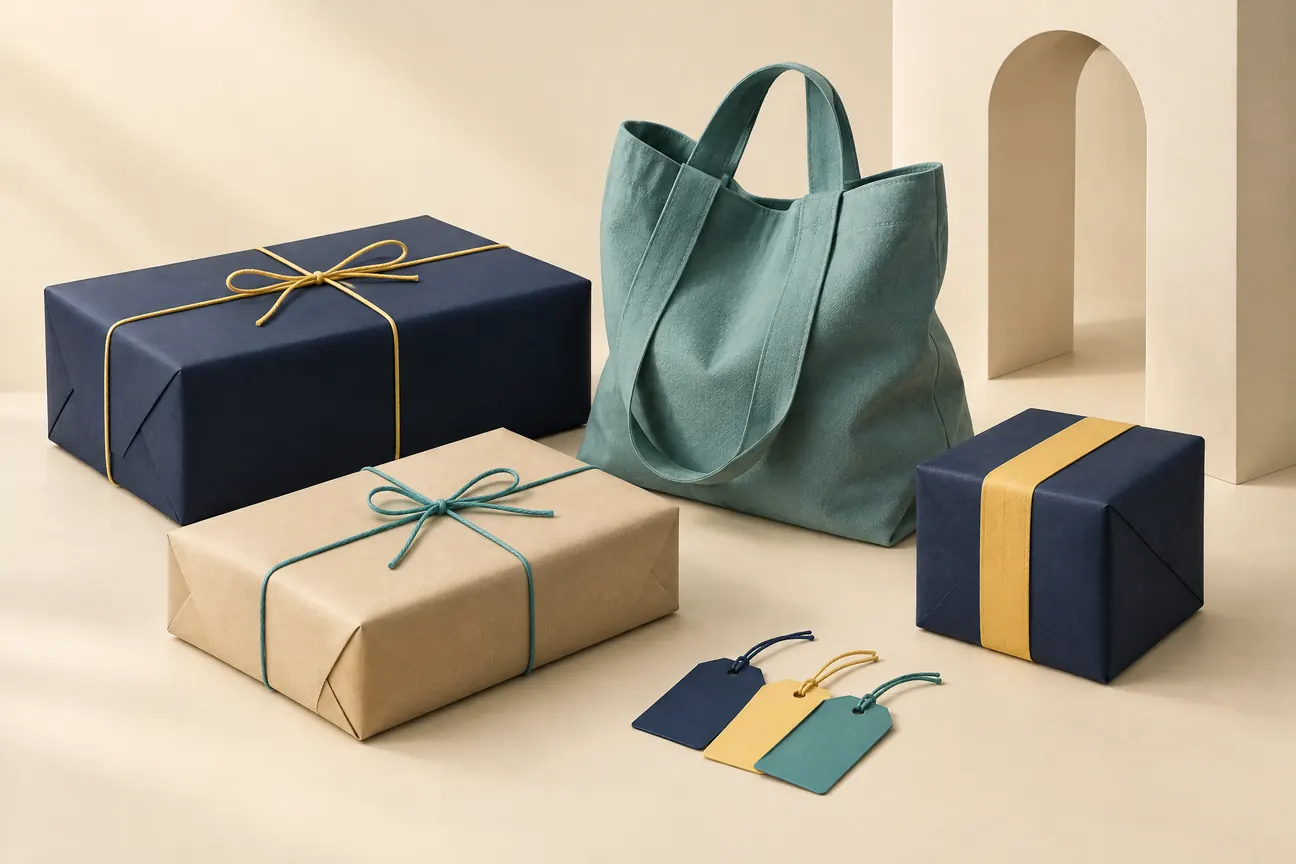
Approve one complete proposal, with a workable fallback
Compare proposals on the same basis. A total that includes the container but excludes delivery cannot be compared fairly with one that includes both. Ask for a breakdown covering the products, any custom work, packaging and the accepted handover arrangement. If a special request makes the total uncomfortable, reduce a decorative extra or choose fewer suitable products before compromising an essential requirement. There is no need to maximise the basket's apparent size or match the cost of the reception meal. The relevant question is whether this gift fits the recipients and your budget. [1]
Keep the final accepted proposal in one place rather than across scattered messages. It should identify the agreed contents and quantities, the packaging choice, the approved card text and the receiving arrangement. Distinguish an illustration or sample layout from the supplier's description of what will actually be supplied. If an approval image is offered, use it to check the arrangement and text, not as proof of ingredients or storage suitability. Ask which parts of the proposal remain conditional before paying, including any item still awaiting sourcing.
Finish by deciding what you will do if the proposal cannot be completed. You may prefer a simpler accepted combination, a later gift after the honeymoon or a different present that follows the couple's wishes. Ask the merchant about its actual amendment and cancellation terms rather than assuming a bespoke order works like a standard product. A thoughtful fallback preserves the purpose of the gift without forcing an unwanted substitute. Once the important choices are settled, the ribbon can be a pleasant finishing detail instead of the decision that governs everything else.
| Approach | When it may fit | What to settle | Main trade-off |
|---|---|---|---|
| Standard combination | The listed contents already suit both people | Actual item list, packaging and handover | Fewer choices, but less custom work to resolve |
| Standard combination with agreed swaps | Most contents fit, with one or two unsuitable items | Exact replacements and any price change | Limited changes may be enough, but each swap needs acceptance |
| Content-led bespoke proposal | Available combinations miss the couple's routines or preferences | Product availability, essential limits and sourcing conditions | More personal control, with more unresolved choices to settle |
| Separate household parcels | The gift is intended for people receiving at different homes | Quantities per parcel, names and separate receiving arrangements | Clearer sharing, but more packages and handovers to manage |
| Later post-wedding gift | The couple will be travelling or their receiving address is unsettled | An agreed later date and contents suitable for that plan | Less immediate presentation, but fewer wedding-day tasks |
On a small screen, scroll the table sideways to compare.
Take it into everyday life
A practical checklist
- Describe what both recipients enjoy and when they expect to open the gift.
- Choose whether the order is one couple's gift or separate gifts for different households.
- List each proposed product, its pack size and quantity; review relevant food-label information.
- Mark content restrictions as essential and decorative preferences as flexible.
- Ask which changes are available and which require new sourcing or a separate quotation.
- Approve the exact card text and ask about the packed footprint and outer protection.
- Obtain the receiver's agreement and distinguish your requested handover from the accepted arrangement.
- Keep one final proposal showing the total, conditional items, substitution approach and actual amendment terms.
Questions & answers
Is a hamper a sensible choice if the couple has a wedding registry?
Read the registry and any stated wishes first. Emily Post treats a registry as a guide to needs and style rather than a requirement, but the couple's own request takes priority for your decision. [1] Choose a hamper off-list only when you have a good reason to believe both people would enjoy and use it; otherwise, a listed gift may be the more personal choice.
Does bespoke mean I can ask for any brand or container?
You can enquire, but the request is not an accepted specification. Ask whether the item is already available, must be sourced separately or cannot be offered. Agree any extra cost and unresolved conditions before committing. Do not tell the recipients a particular item is coming until that part of the proposal is accepted.
Can I make a hamper suitable for an allergy by removing one product?
Not on that information alone. Check each remaining item's ingredients and relevant allergen or production warnings, and seek the information needed by the recipient. CFS guidance discusses both allergen declarations and cross-contamination warnings. [2] If an important question cannot be answered, choose a different item or gift format rather than assuming removal has resolved it.
What if I know one partner's tastes but not the other's?
Ask a discreet, practical question such as whether they would enjoy tea and savoury snacks together. Avoid making the whole hamper about the person you know best. Where preferences remain uncertain, use their stated gift wishes or choose a smaller, less specialised selection with confirmed contents rather than adding adventurous products at random.
Should I order one large hamper for the couple and their parents?
Only if sharing with the parents is genuinely intended and practical. If recipients live separately, distinct parcels can make allocation and messages clearer. Confirm whose gift each parcel is, its contents and where it will be received. A bigger basket does not by itself solve sharing or turn a personal present into a family gift.
Is the wedding venue the best delivery address?
It depends on the couple's wishes and the venue's agreement, not on the occasion alone. Identify a willing receiver and ask the venue about entry, timing and holding arrangements. If nobody wants to manage a physical gift during the wedding, agree home receipt or a later handover. Do not assume the venue will store or move the hamper for you.
Which details should I protect when the quotation is too high?
Keep recipient-critical content requirements and a feasible receiving arrangement. Consider reducing optional decoration, custom printing or unnecessary product variety before changing those essentials. Compare all included and excluded charges, and ask for a revised proposal. There is no etiquette requirement to match the reception meal cost. [1]
What should I do if a requested product becomes unavailable?
Review a specifically described alternative against the original reason for choosing the item. Ask for updated food information where relevant and agree any price or packaging change. If the alternative does not fit an essential requirement, ask about the merchant's actual revision or cancellation options instead of accepting a vague similar-value substitute.
Sources & further context
Numbered references follow the source order below. Merchant pages provide context for their own products or services; independent sources support relevant general reading, not merchant quality or medical suitability.