
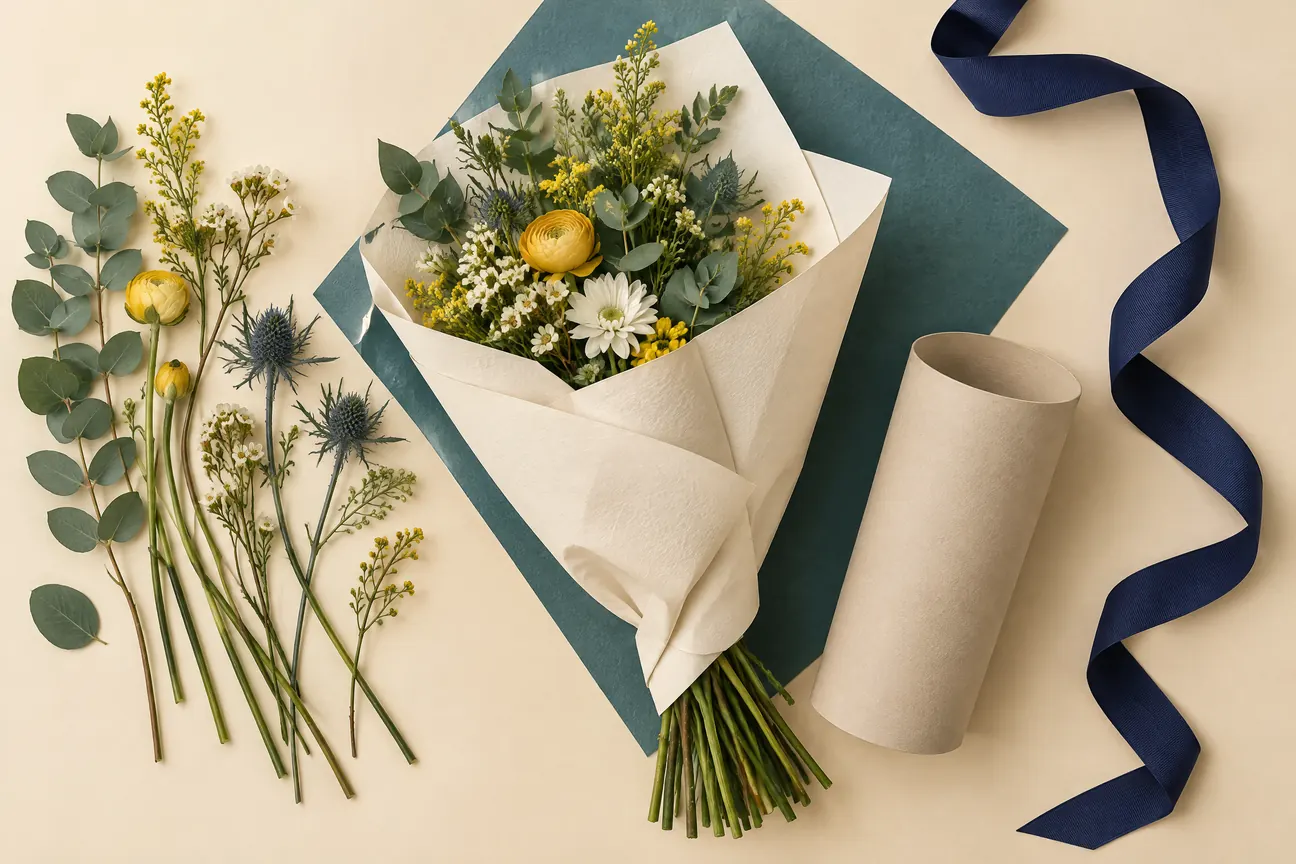
Celebration flower transport starts with the whole day
Picture the recipient leaving the celebration, rather than only receiving the gift. A birthday bouquet may travel from an office to a restaurant and then onto the MTR. An anniversary arrangement might stay on a dinner table before a taxi ride. A graduate may already have a gown, phone and several gifts to manage. Write down those actual stages. The most useful choice is often a smaller bouquet at a better moment, not a larger one carried through every stop.
Give each stage a person and a resting place. If a friend collects the flowers, decide where they will wait and who carries them after the first handover. If nobody can take charge during an outdoor activity, consider presenting the flowers afterwards or sending them to the recipient's home with their agreement. Delivery to the event is not automatically simpler: someone still needs to receive the arrangement, put it somewhere appropriate and move it at the end.
The physical journey matters because cut flowers can be crushed, broken, wilted or dried out; Rutgers Extension notes that suitable packaging and hydration depend on the flower material. [1] That does not create a universal allowance for hours without water. Tell the florist about the longest interval between collection and a suitable container, as well as any outdoor waiting. Ask for a design and packing method suited to that route rather than assuming attractive wrapping also solves transport.
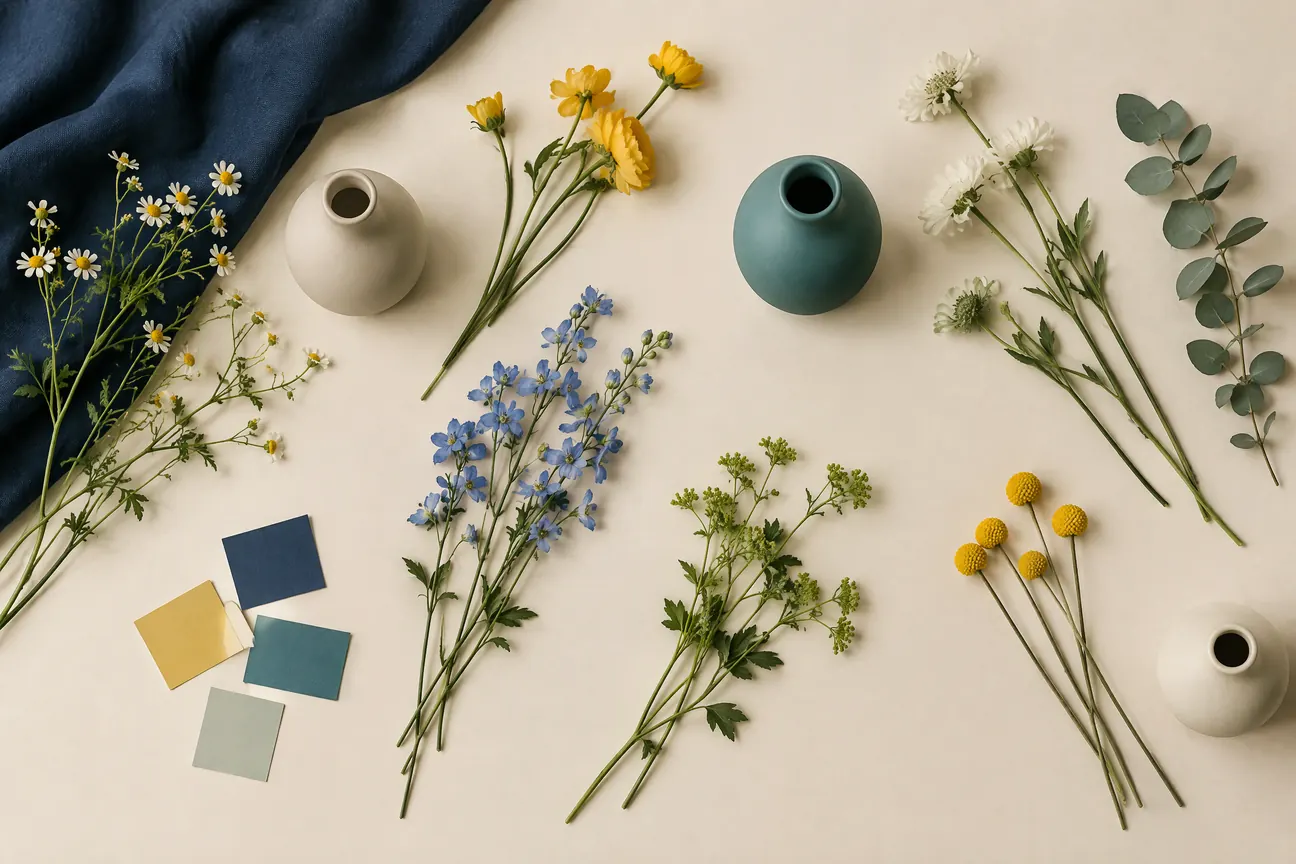
Birthday: choose for the recipient's busiest hour
For a birthday at work, the key question is what happens when the working day ends. Someone travelling straight home may welcome flowers at the office. Someone taking a laptop bag to dinner, then meeting friends elsewhere, may find a home handover easier. Keep the surprise in the design or card rather than in an inconvenient delivery location. A discreet question about the day's plans can reveal whether the recipient has somewhere to put flowers without asking them to organise the whole gift.
When browsing birthday flowers, use the recipient's favourite palette as a starting point, then ask about the finished width and height including the paper. A loosely flared wrap can occupy more room than the stems suggest. Explain whether the flowers will sit beside a desk, be held during dinner photos or travel on public transport. Comparing two appealing designs by their carrying footprint gives you a more useful decision than treating the largest-looking picture as the most thoughtful gift.
At a home party, the person celebrating should not have to hunt for a vase while answering the door. Ask the host where a hand-tied bouquet can go, or whether a container-based arrangement would be more practical. Neither format is automatically better: a container may reduce arranging work but add weight to the return journey. If several guests plan to bring flowers, a shared bouquet with individual cards can make the display and carrying load more manageable without losing each sender's message.
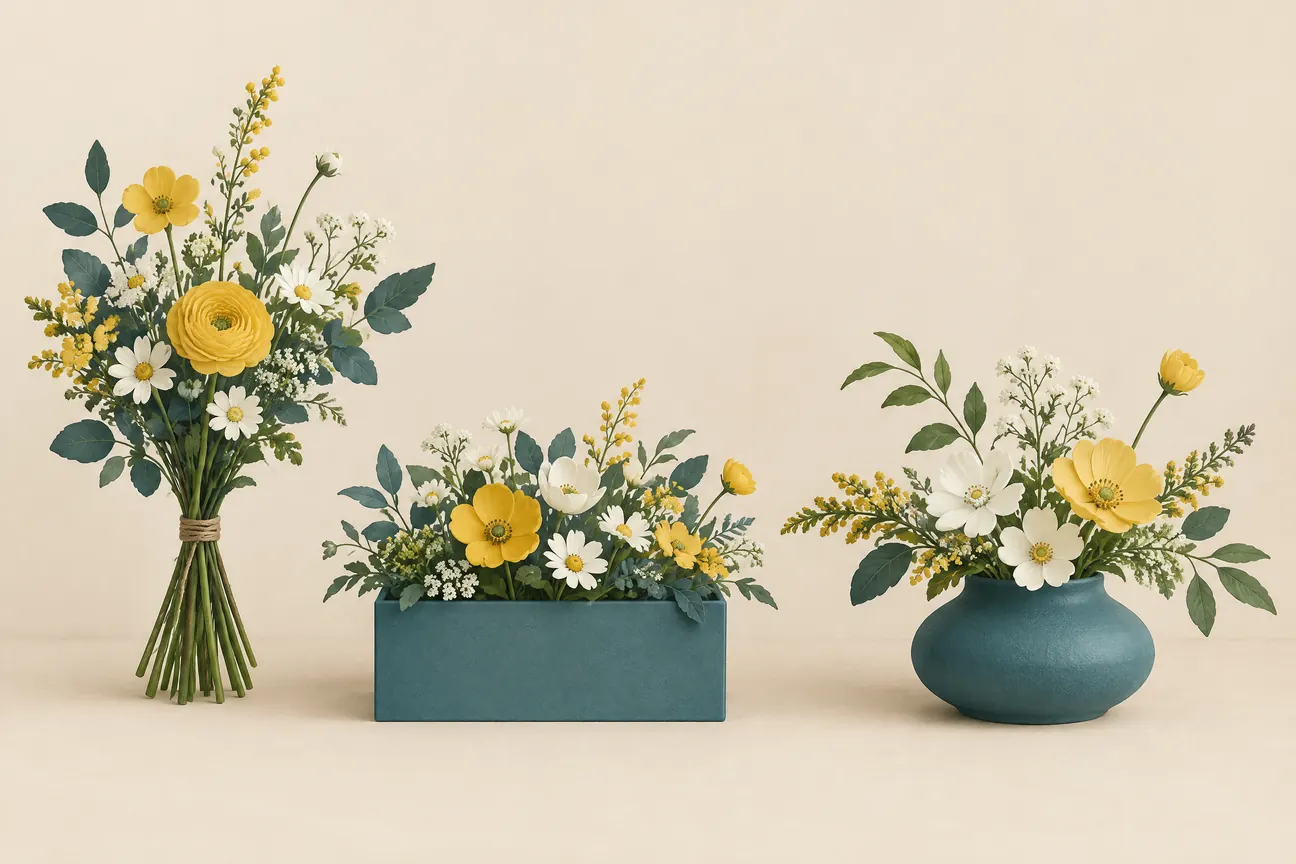
Anniversary: leave room for dinner and the journey home
An anniversary dinner has two different settings: the place where the gift is presented and the place where it will eventually be displayed. Before arranging a restaurant handover, ask whether staff can receive flowers and where they can stay during the meal. A spare chair is not a dependable display plan, and a tall arrangement may interrupt conversation across a small table. If the venue cannot accommodate the gift, meeting outside after dinner or presenting it at home may feel more relaxed.
A colour associated with a shared memory can be more personal than following a supposed universal anniversary rule. Browse anniversary flowers for a design direction, then weigh it against the evening's movements. For a walk before dinner, a compact hand-tied form may be easier to hold than a heavy vessel; for a celebration entirely at home, an arrangement with its own container may suit the setting. Ask what is included rather than assuming a pictured vase or support is part of the order.
Consider the table after the first photograph. There should still be room for dishes, glasses and the recipient's belongings. North Carolina Extension advises placing cut flowers away from sunlight, wind and heating or cooling drafts. [3] An outdoor table or a seat directly under an air-conditioning vent therefore deserves a rethink. If you plan a taxi home, agree who carries the arrangement and how its base will be supported; do not rely on squeezing it beside shopping bags once the car arrives.

Graduation: keep hands free until the photographs
A graduation bouquet works best when it joins the photo session, not every part of the ceremony. Read the university's current event instructions and establish an actual meeting point with the graduate. Do not assume a courier can enter the ceremony area or that reception will hold gifts. A companion can receive the flowers and bring them to the agreed photo location, leaving the graduate free to manage registration, gown adjustments and their belongings before you meet.
When comparing graduation bouquets, ask how the finished arrangement can be gripped and whether its wrap will crowd the graduate's face in a portrait. A clear outline and a manageable width may matter more than extra volume. If the desired design includes a toy or other decoration, check the attachment and the additional bulk before agreeing to it. Flowers, graduation clothing and a phone should not all depend on the graduate having an extra hand available.
Coordinate with other gift-givers before collection. Several bouquets may create a lovely group photograph but a difficult trip home. Nominate one companion to look after the flowers between portraits, and keep their carrier available rather than discarding it at the first photo. Rutgers identifies heat, light and crushing as handling concerns. [1] For outdoor photos, choose a nearby sheltered waiting spot and bring the flowers out when needed. If the weather changes, agree a new meeting place instead of sending everyone to search around the campus.
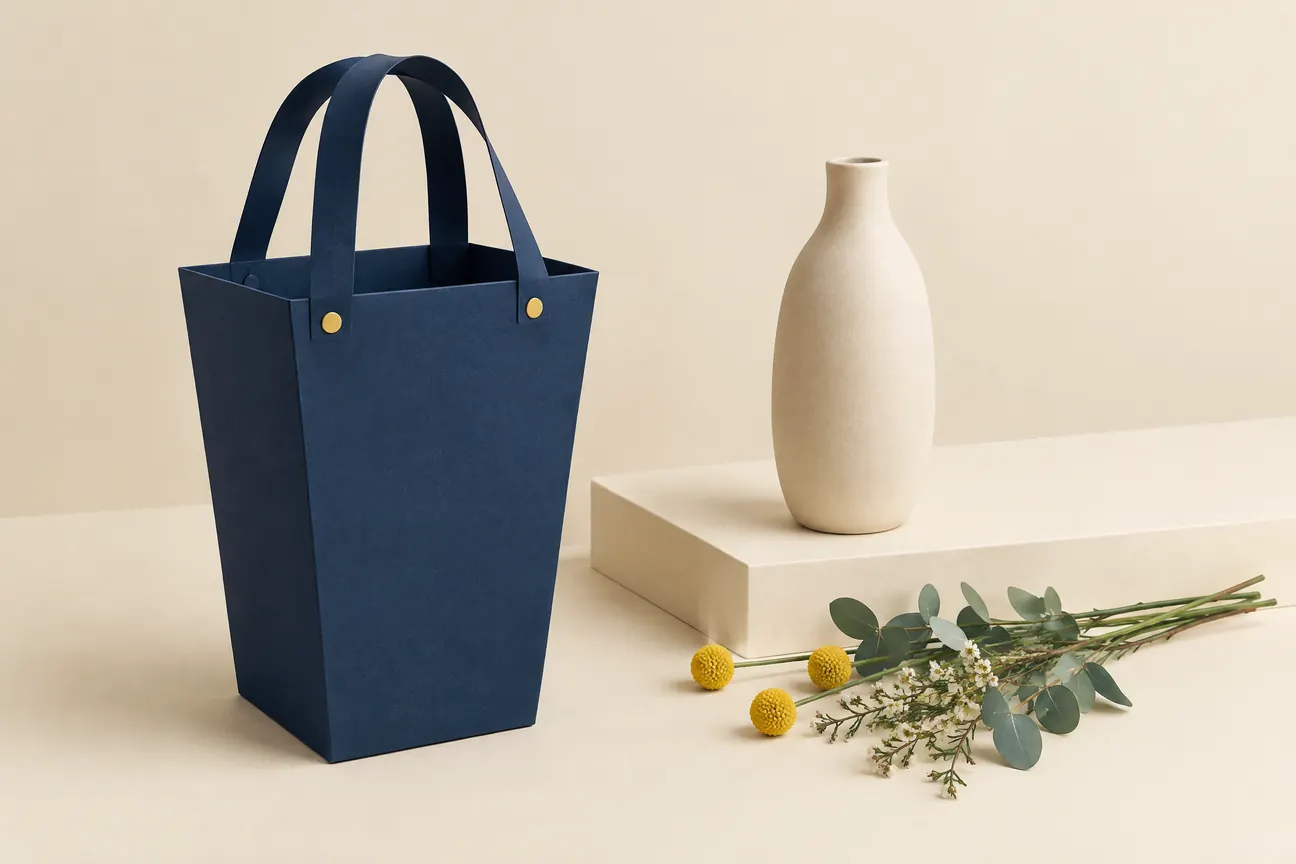
Separate decorative wrapping from practical protection
Ask to understand the arrangement beneath the paper. Is it a hand-tied bunch with exposed cut stems, a bouquet with a temporary water source, or flowers fixed inside a container? The answers change how it should be carried and unpacked. Clarify whether any decorative sprigs are fresh, dried or preserved so that you receive the relevant instructions. An outer sleeve can hold the presentation together without providing water or a stable base, and a box does not automatically mean every part can tolerate tilting.
Describe the way you will travel. For a journey on foot or public transport, ask whether the carrier leaves the flower heads clear and lets you hold the package without pressing them. For a car journey, establish a supported position before setting off and keep other luggage from moving against the blooms. Avoid a plan that involves leaving flowers in a parked car while you complete errands. A convenient collection time should also be a convenient departure time, with unnecessary waiting removed from the route.
Water inside the packing needs its own explanation: ask which way up it must remain, what should stay attached until arrival and how to remove it. Never tip an unfamiliar package just to discover its contents. There is no single packing method for all stems; Rutgers specifically describes species-dependent post-harvest needs. [1] If the planned journey is too awkward for the design you like, changing the handover location is often a better response than improvising tighter wrapping or expecting the recipient to carry an unstable container.
Turn the route into an accepted order
Once the day makes sense, turn it into a short, readable order enquiry. When you order flowers online, provide the design reference alongside the occasion, date, receiving address and contact, then add the carrying constraint that really affects the choice. For example, say that the recipient will travel by MTR after dinner and needs a manageable package, or that a companion will collect flowers for outdoor graduation photos. The merchant's page provides an enquiry starting point; availability and the actual arrangement still need confirmation. [4]
Separate the preferred arrival window from the moment the flowers are needed. If photos start at a particular time, explain that there must also be time for receiving and moving the arrangement. Ask whether the florist accepts that plan; a submitted request is not an accepted delivery commitment. Include a backup receiver only after they agree to help. A vague instruction such as 'leave it at the venue' is less useful than a named person who knows where the flowers should go.
Keep the agreed version easy to recognise. Review the selected form, approximate finished dimensions, carrier or container inclusion, substitution preferences and the total quoted cost before proceeding. If the dinner location or graduation meeting point changes, ask for confirmation of the revised arrangement rather than assuming the earlier discussion still applies. Put access notes on the delivery information, not on the personal greeting card. The recipient should receive a message intended for them, while the person handling the flowers gets the practical details they need.
Make the final stop ready for flowers
Prepare the receiving space before collecting the gift. For a hand-tied bouquet, have a clean vase with a stable base and enough room for the stems; for a supplied arrangement, ask where and how water should be added. Clear a surface where the recipient can put down the carrier and remove outer wrapping without balancing it on their lap. Keep a modest vase available even if the design photo looks elaborate. Being ready to receive the flowers is more useful than making the recipient rearrange a crowded shelf late at night.
For a straightforward fresh-cut bouquet, follow the supplied instructions on unpacking and care. RHS guidance recommends a clean vase, clean stem cuts, removal of leaves below the water level and flower food in the vase water. [2] Have suitable clean cutting tools ready if trimming is required, rather than trying to crush stems with unsuitable scissors. Do not dismantle a fixed arrangement as though it were a loose bunch. If the flowers arrive with an unfamiliar support or water reservoir, ask how that specific structure should be maintained.
Choose a cool display position away from heat and ripe fruit, as advised by the RHS, and avoid direct drafts from vents. [2] [3] Check water and replenish it as needed; North Carolina Extension also advises changing the water and cleaning the container regularly. [3] These are care habits, not a promise that every bouquet will last a set number of days. Pass the instructions on with the flowers, and offer help carrying them home. The gift is complete when the recipient can put it down and enjoy it, not merely when the first photo is taken.
| Celebration setting | Likely carrying problem | Practical starting choice | Detail to settle |
|---|---|---|---|
| Birthday at work, then dinner | Laptop bag and several stops compete with the flowers | A compact bouquet, or a later home handover | Who carries it when the working day ends |
| Birthday party at home | The host is busy and may not have a vase ready | Hand-tied flowers with a prepared vase, or an agreed container format | Where the flowers can be set down immediately |
| Anniversary restaurant dinner | Limited table space and another journey after the meal | A manageable bouquet, with an agreed resting place | Venue receiving permission and transport home |
| Anniversary evening at home | The display must fit the recipient's actual room | A low arrangement or bouquet sized for an available vase | Container inclusion and a clear display surface |
| Graduation ceremony and outdoor photos | Gown, phone and other gifts leave few free hands | A companion-held bouquet brought out for portraits | Meeting point, sheltered waiting spot and the return carrier |
On a small screen, scroll the table sideways to compare.
Take it into everyday life
A practical checklist
- Map the recipient's stops from handover to the final display space, including the journey home.
- Choose a presentation moment that does not add flowers to the recipient's busiest stage.
- Agree who receives and carries the flowers before, during and after the event.
- Check venue access and any gift-holding arrangements directly with the venue.
- Ask for approximate finished dimensions including the wrap, plus carrier and container inclusions.
- Explain the longest interval before water is available and request packing instructions for the selected stems.
- Review the accepted order details, substitution preferences, receiving window and total quoted cost.
- Have a clear surface, suitable vase where needed and the supplied care instructions ready at the final stop.
Questions & answers
Should I give birthday flowers at work or at home?
Use the recipient's next journey to decide. An office handover may suit someone going straight home with little to carry. If they are heading to dinner with a laptop bag, arrange a later handover or an agreed home delivery instead. Do not assume an office has a spare vase or someone available to receive the gift.
Can I arrange an anniversary surprise at a restaurant?
Ask the restaurant whether it accepts flower deliveries and can offer a suitable resting place during dinner. Keep the surprise in the flowers and card rather than leaving staff to solve an unannounced delivery. If there is no appropriate space, present the gift after the meal or at home.
How large should a graduation bouquet be?
Choose a size the graduate can hold comfortably for a portrait without obscuring their face or forcing them to put other belongings on the ground. Ask about the finished width including the wrap, not only the number of stems. A companion should take charge between photos and for any stage when the graduate needs both hands.
How long can fresh flowers travel without water?
There is no dependable universal allowance for a mixed bouquet. Rutgers notes that handling and hydration needs vary by species. [1] Tell the florist about your full journey and any outdoor waiting, and ask how the selected arrangement should be packed. Shorten avoidable stops or change the handover if the route does not suit it.
Does a flower box remove the need for a carrying plan?
No. Ask how its flowers are supported, whether it contains water, which way up it must remain and where to hold the base. It may save arranging work at the destination but still be bulky or heavy to carry. Do not assume that the word 'box' means it can be tilted or stacked with other gifts.
What should we do when several friends bring bouquets to graduation?
Coordinate before collection. A shared arrangement with separate cards can reduce the load, or one companion can hold the separate bouquets until they are needed. Keep the carriers for the trip home and agree who will move the flowers after the photos. The graduate should not have to manage every bouquet throughout the ceremony.
Should I request an exact flower colour for a milestone?
Request colours that matter to the recipient or reflect a personal memory, then state which details are essential and which can change. Ask the florist to confirm availability and acceptable substitutions. An occasion name does not establish one mandatory flower, colour or meaning for everyone.
What should be ready at home before the flowers arrive?
Clear a stable surface and prepare a clean, suitable vase if the flowers are hand-tied. Keep the supplied instructions and appropriate cutting tools available if stem trimming is needed. RHS and North Carolina Extension advise clean water and containers, with cool placement away from heat and direct drafts. [2] [3] Ask for specific instructions before taking apart a fixed arrangement.
Sources & further context
Numbered references follow the source order below. Merchant pages provide context for their own products or services; independent sources support relevant general reading, not merchant quality or medical suitability.