
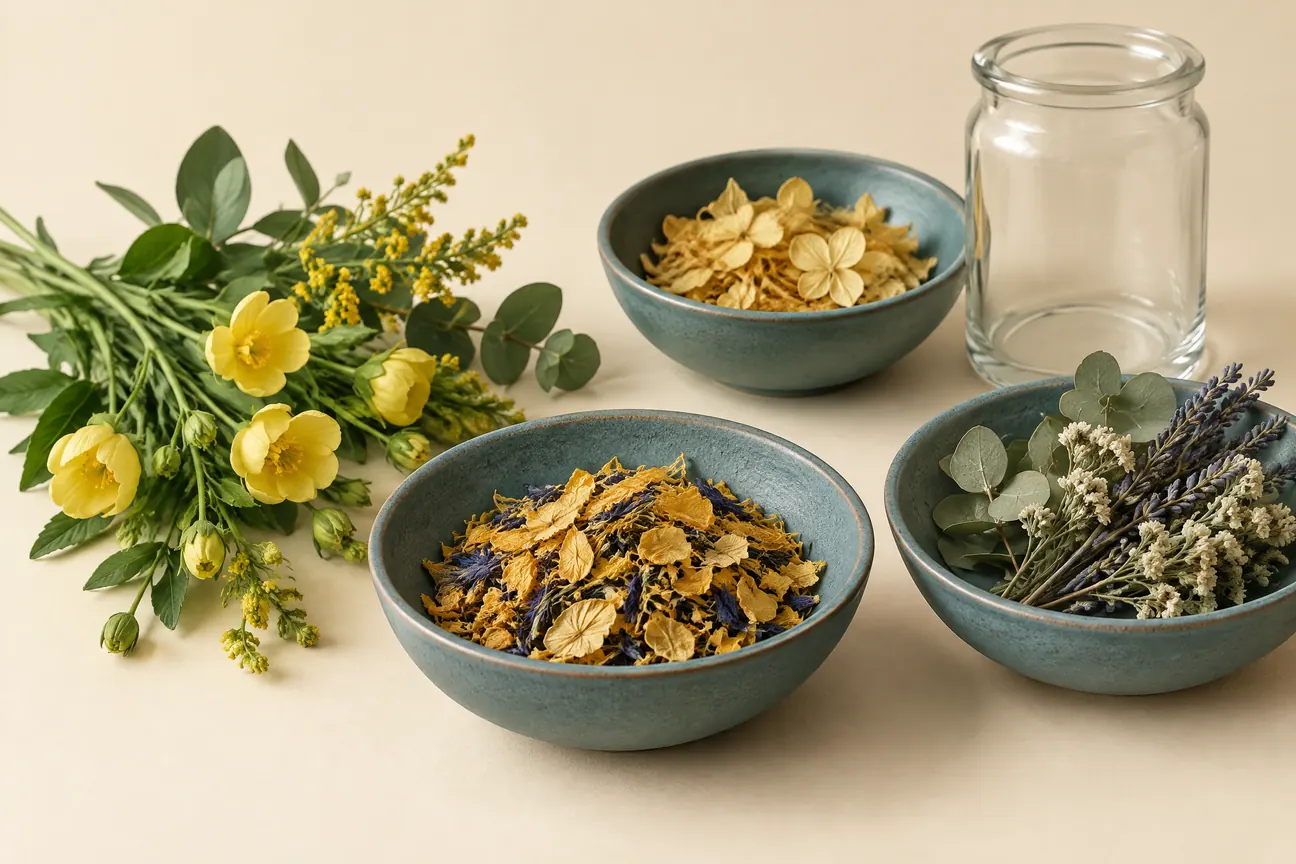
Choosing preserved and dried bouquets starts with a material list
A keepsake brief is more useful when it describes the contents than when it simply asks for flowers that last. Drying removes moisture, but air drying is only one method: silica gel can also dry flower heads while supporting their shape. Glycerine treatment is a different technique, described by horticultural sources particularly for foliage, where it changes colour and leaves a pliable texture. Those examples do not identify the treatment used on every commercially preserved bloom. Ask how each main component is described by its supplier. [1] [2]
For a preserved flower bouquet, use the enquiry to establish which focal blooms are treated natural material, what accompanies them, and whether anything is synthetic or fresh. The linked page is a starting point for that discussion, not proof of an exact recipe being available. A brief might request treated focal flowers with a restrained outline, no fresh greenery, and an explanation of the supporting stems. That allows you to compare the proposed composition with your intention instead of buying on the strength of a category name. [3]
A mixed arrangement can be perfectly acceptable if its mixture is deliberate. You may like treated flower heads against crisp dried grasses, but dislike fabric petals or added glitter. State these limits without demanding a treatment you have not verified. When comparing two proposals, mark the focal flowers, supporting foliage and decorative additions separately. If one includes fresh accents, ask how their removal would affect the design after the presentation day. A water-free keepsake plan should not depend on quietly leaving fresh material to wilt inside it.
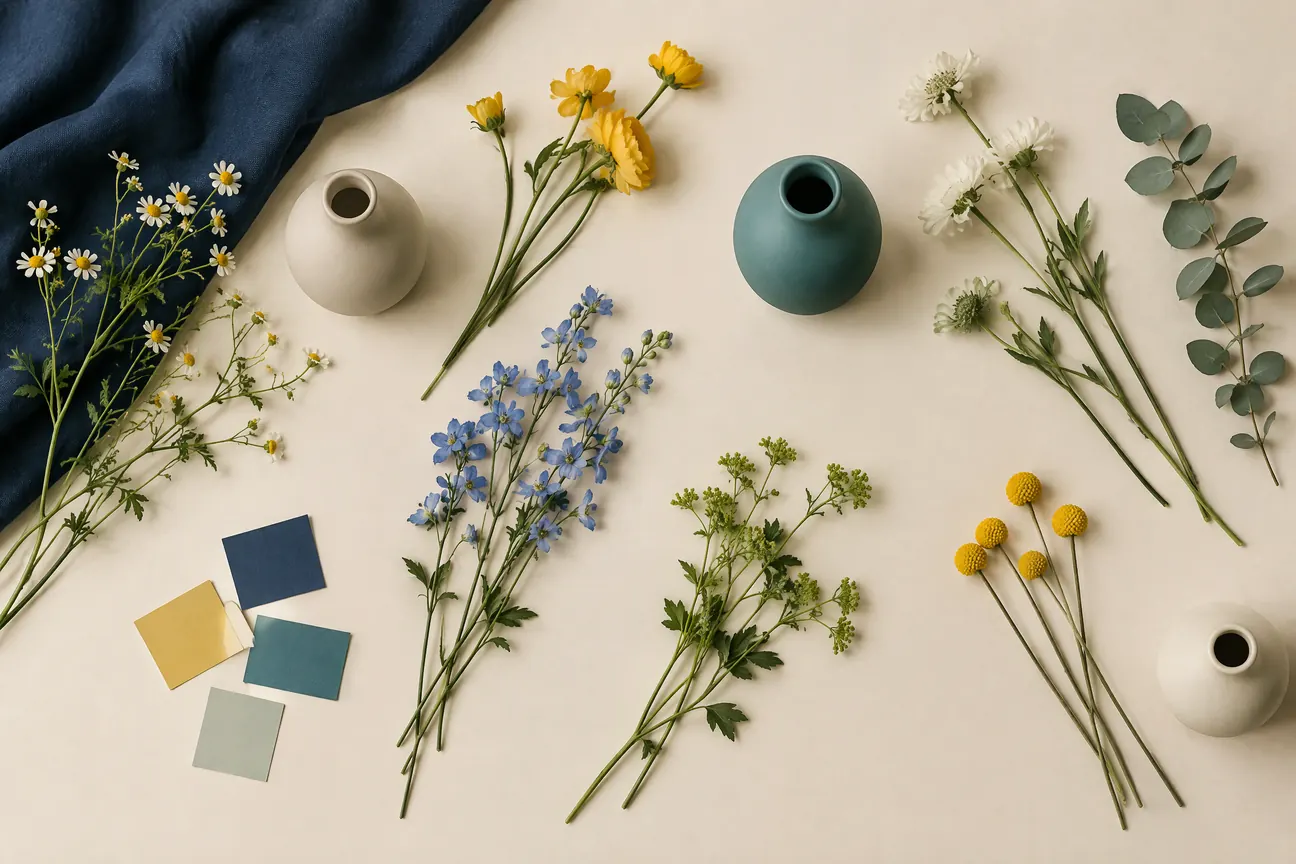
Choose texture and colour as separate preferences
Texture is a visual choice before it is a care question. Decide whether the recipient likes rounded flower heads and a close grouping, or slender stems with visible spaces between them. A colour swatch alone cannot communicate that difference. Select reference images for one feature each: the loose outline in one, the muted palette in another, and the unobtrusive ribbon in a third. Describe those features in words so an unavailable flower variety does not become the only route to achieving the intended mood.
A dried flower bouquet enquiry makes sense when the papery or sculptural character of dried material is the point of the gift. Ask about the visible balance of flower heads, grasses and seedheads rather than treating all dried bunches as interchangeable. For someone who likes a clean desk, a small, clearly defined silhouette may be more appealing than a spreading spray. For a shelf surrounded by books and ceramics, contrasting stem shapes might be the feature you want to preserve in the proposed design. [4]
Do not assume that a neutral-looking stem is untreated, or that vivid colour necessarily identifies artificial material. Horticultural guidance describes dyeing, bleaching and surface finishes as ways of changing dried plant material, while colours can also shift during drying itself. [2] If the recipient prefers an uncoloured look, ask specifically about added colour rather than using natural as shorthand. If an exact accent colour matters, request a current material reference and agree how much variation you can accept; a screen image alone is a weak specification for a physical gift.
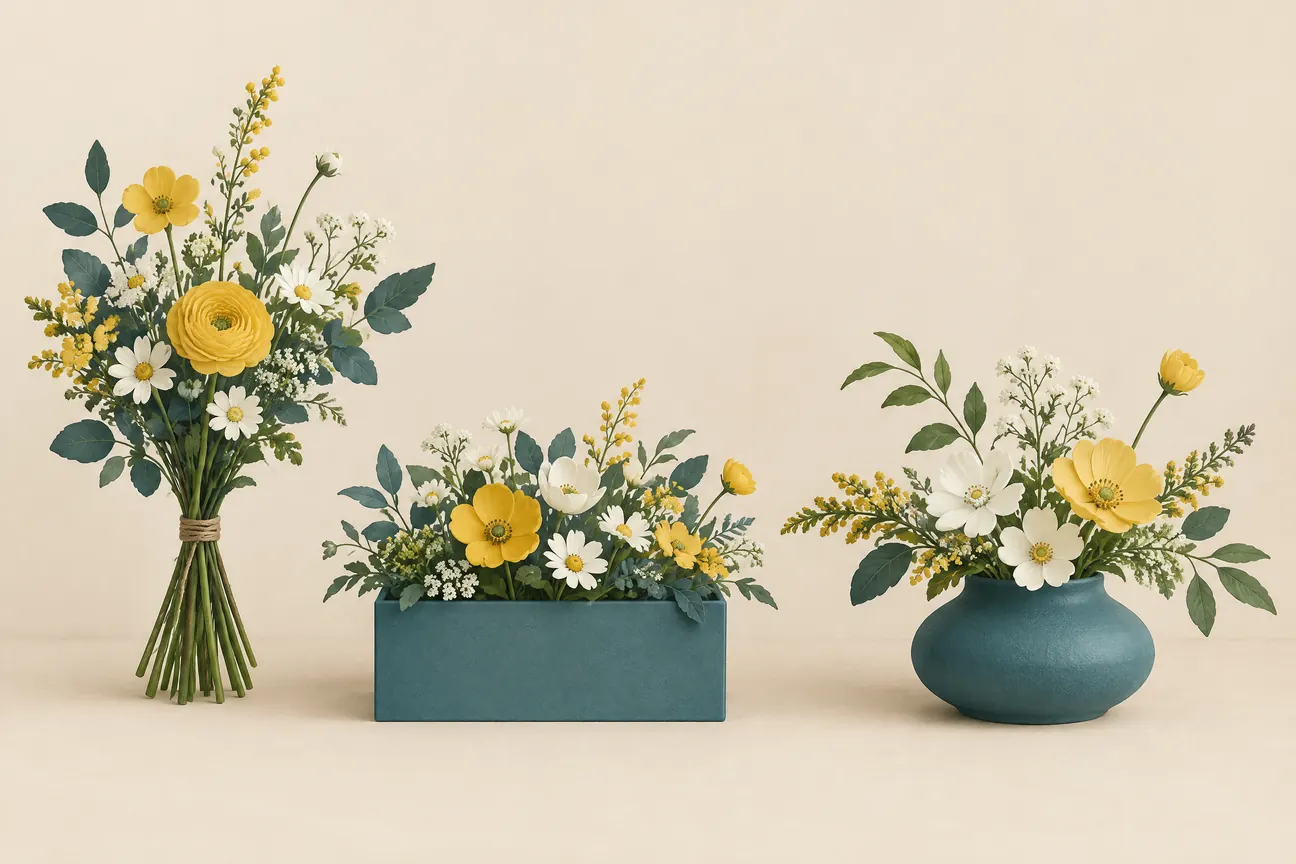
Design for the shelf, not just the handover photograph
The gift has two different settings: the moment someone receives it and the surface where it stays. Large wrapping may photograph well but leave a much smaller floral core when removed. Ask for both the wrapped dimensions and the approximate display dimensions. Measure shelf depth as well as width, leaving space for the vessel and any outward stems. In a compact Hong Kong flat, the decisive constraint may be a cupboard door or curtain passing nearby, not the amount of empty space visible in a photograph.
Choose a form the recipient can actually accommodate. A hand-tied piece lets someone choose their own dry vessel, provided the support and fit have been considered. A fixed box may reduce the need to rearrange stems but also commits them to a particular footprint. Neither option automatically includes a vase or a cover. Decide whether the piece needs to be viewed from every side or only from the front; a wall-backed shelf and the centre of a dining table call for different arrangements, even with the same flowers.
Locate the display before choosing the colour scheme. The RHS advises keeping dried displays away from direct sunlight and moist rooms, where mould may develop. [1] A bright windowsill or a shelf above a steaming kettle is therefore not simply another styling choice. If the only suitable spot is a narrow interior shelf, adjust the size to that spot rather than requiring the recipient to reorganise their room. A cabinet can limit casual touching, but it should not be treated as a guarantee against humidity or appearance changes.
Separate a new design from saving your original flowers
There are two meanings of keepsake that should never be confused in an order. One is a new arrangement made to remember an anniversary, graduation or another occasion. The other is retaining the actual flowers someone held or received on that day. If the physical stems carry the meaning, an attractive replacement does not fulfil the same brief. Put that distinction in your opening enquiry. Ask whether the business accepts customer-supplied flowers for preservation at all, rather than assuming a preserved-bouquet category includes that service.
For a newly made piece with a personal palette or unusual proportions, bespoke floral design is a relevant enquiry route. Describe one keepsake arrangement, its intended display and the details that make it personal; a broad service page may also discuss much larger projects. Request confirmation that your small-scale brief can be accepted. Do not infer from that service name that the merchant will preserve original stems, reproduce a reference exactly, or provide every custom addition you suggest. Those are separate scope questions. [5]
If original flowers are involved, make their condition and custody part of the discussion before handing anything over. Share recent photographs, explain when the flowers were received, and ask which parts might be usable. Drying cannot make a poor bloom better, according to the RHS. [1] Establish whether partial use, altered colour or a different format would still satisfy you. Ask what happens to unused material and whether any destructive work needs your approval. Keeping the greeting card separately can preserve another part of the occasion even if the flowers cannot all be retained.
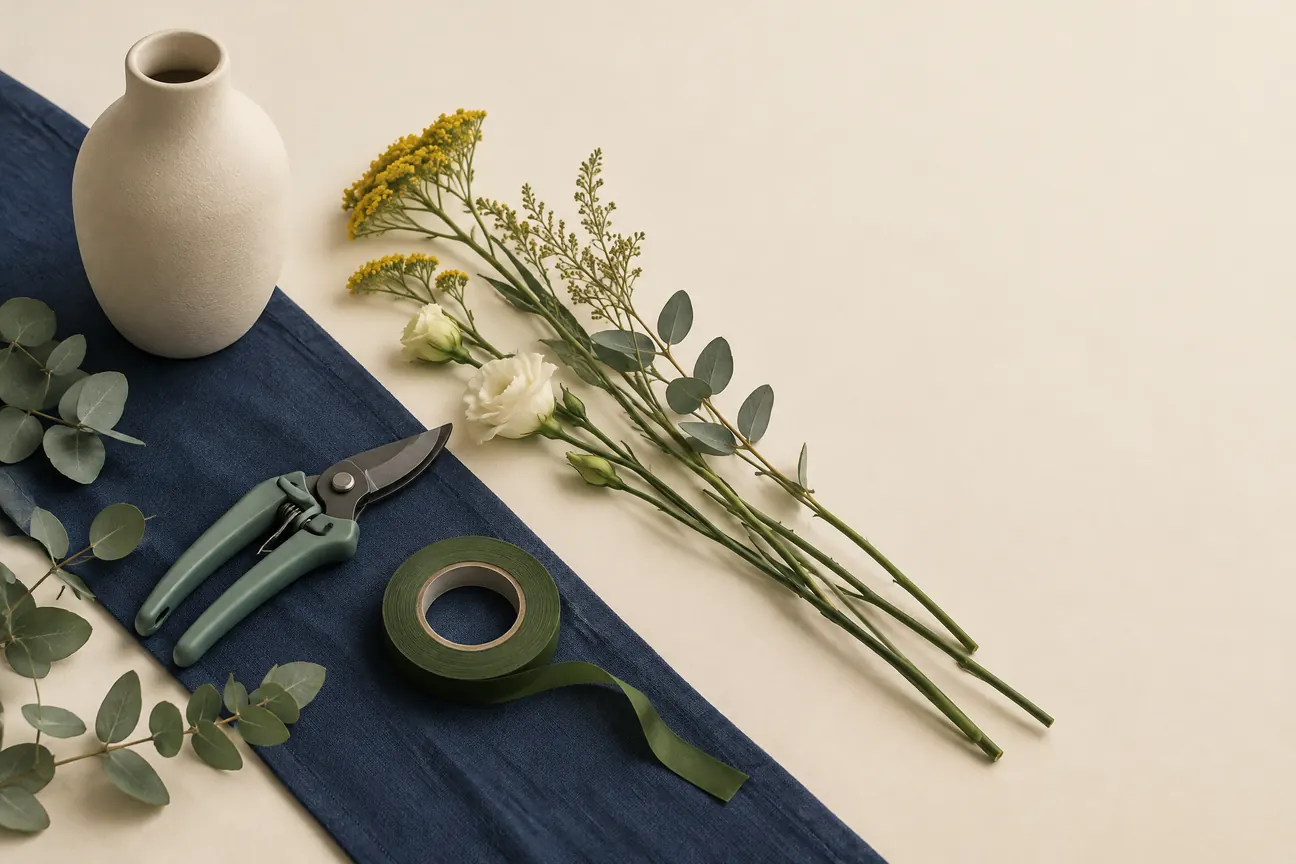
Agree what the bespoke quotation actually includes
A useful custom quotation defines the finished object, not just the word bespoke. It should distinguish the floral materials from the vessel, presentation wrapping and any requested enclosure. Ask whether the design is fixed in its container or intended to be removed, and whether the proposed size describes the flowers or the packaging. If you already own a vase, send its opening and interior dimensions rather than a photograph alone. A personal request becomes easier to assess when the physical constraints and essential design decisions are settled together.
Treat approval as a specific agreement. Find out whether you will receive a written description, a material photograph, a sketch or something else, and whether revisions or a physical sample are offered at all. None should be assumed to be included. An illustration communicates direction; it is not evidence of a completed arrangement or a promise of exact colour and stem placement. Establish which changes require a fresh quotation, especially if you later alter the container, add a cover or increase the floral size.
Choose a few priorities for substitution instead of declaring every detail essential. The focal material might be non-negotiable while supporting foliage can vary; alternatively, the palette may matter more than a named flower. Ask the supplier to identify substitutions that would change the character of the piece and to seek approval for those. Compare the full accepted quotation, including packing and handover arrangements, rather than importing a displayed price from another design. A clear stopping point for changes also helps prevent a modest keepsake request from expanding into a different commission.
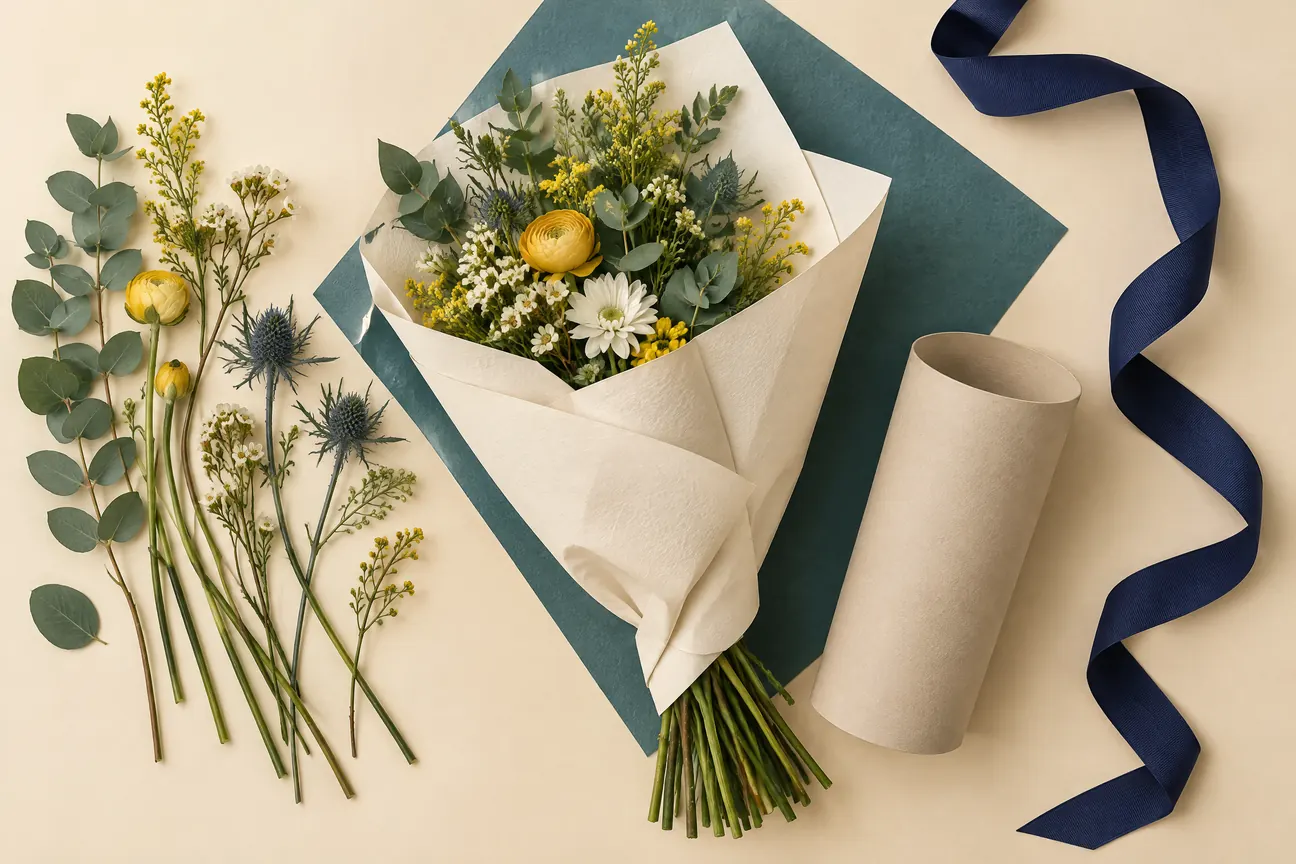
Make wrapping and transport work for a fragile keepsake
Presentation paper and protective packing do different jobs. Paper frames the gift; an outer carrier or box must accommodate its shape without forcing the flower heads against the sides. Ask how the proposed bouquet is supported and how it should be lifted. A narrow carrying sleeve may look tidy while being unsuitable for a design with wide projecting stems. When choosing the outline, account for the recipient's journey home as well as the buyer's route to collect it. A manageable piece can be more considerate than an impressive but awkward one.
If the handover is at a graduation or dinner, plan where the arrangement can wait without being repeatedly passed around. Someone who will travel by MTR with a bag and coat may prefer a compact carrier; someone leaving in a car may have different constraints. These are requests for an agreed packing solution, not guarantees against damage. Keep greeting-card placement separate from floral support so the recipient does not need to pull apart the arrangement to find your message or carry it comfortably.
Check the package together at collection, or give the receiver clear unpacking instructions for a delivered gift. Lift using the supported base or carrier as advised for that piece, and avoid squeezing the flower face to release tight wrapping. Horticultural guidance emphasises careful packing to prevent damage to preserved plant parts. [2] If the carrier has suffered an impact or the arrangement differs materially from the agreed brief, photograph the condition before rearranging it and ask the supplier what to do next. Do not assume a particular replacement or refund policy.
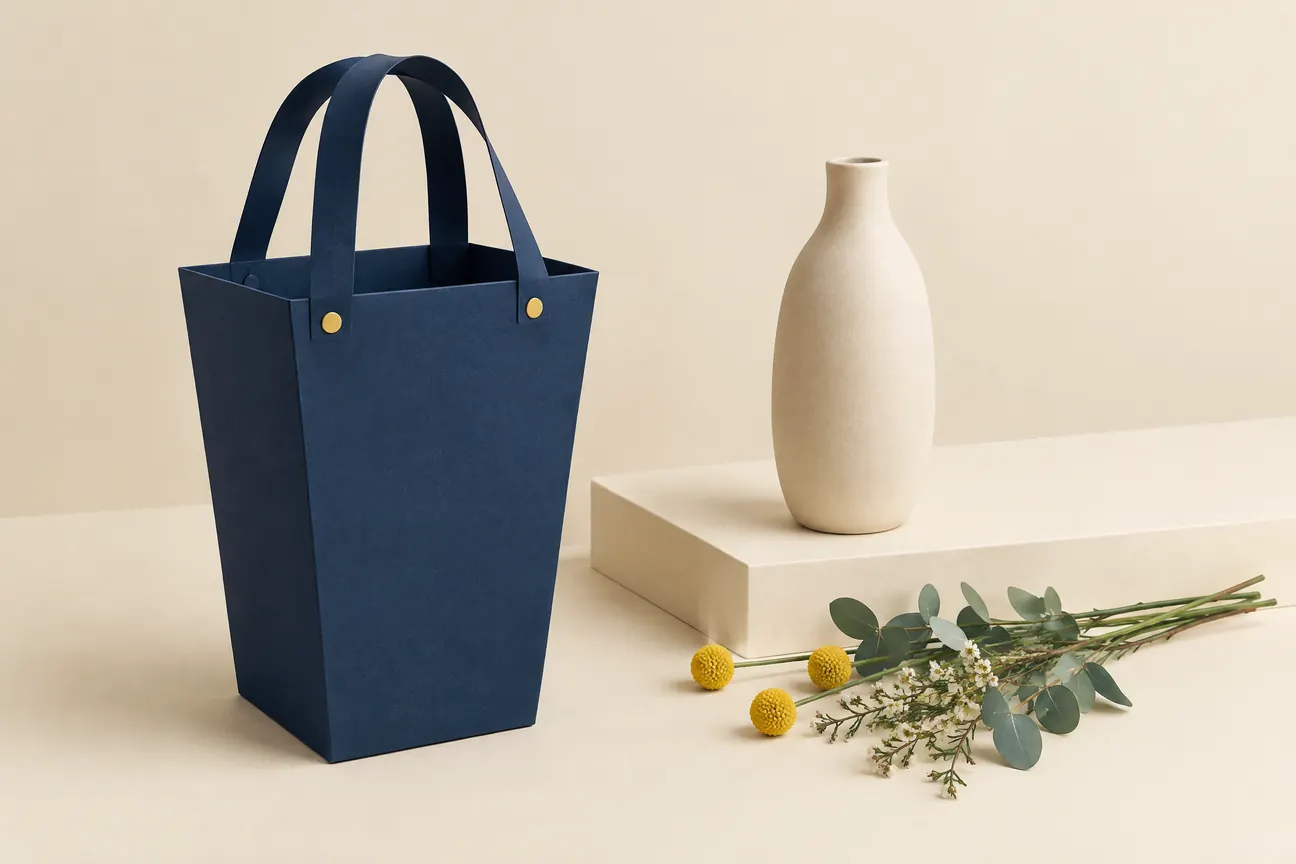
Give the recipient a realistic care and change plan
Low daily maintenance is not the same as no responsibility. Request care instructions for the actual materials and construction, particularly for a mixed piece. The recipient should know that a confirmed water-free arrangement is not a fresh bouquet to put in water or mist. Include the agreed display position and explain whether the wrapping stays or comes off. This is more useful than a vague promise that the gift will look the same forever, because treatment, handling and surroundings cannot be reduced to a universal lifespan.
For dust, the University of Florida's guidance suggests a careful soft-brush approach for dried and preserved materials. [2] Follow any more specific instructions supplied with the piece, and do not scrub delicate surfaces or experiment with liquid cleaners. If a component loosens, ask about repair before bending stems or adding glue yourself. For temporary storage, choose a box that leaves the flower heads uncompressed and a location away from moisture and direct light; avoid assuming a damp cupboard becomes suitable just because the bouquet is hidden inside it. [1] [2]
Decide what kind of change the recipient is comfortable with. Someone may enjoy a gradually changing decorative object, while someone else wants a precise colour match to remain the main feature. Ask what changes are expected for the proposed materials and whether individual components can be refreshed, without assuming that future maintenance is included. If permanence is central to the sentiment, keep a photograph and the written message independently of the bouquet. The gift can mark an occasion without carrying an impossible obligation to remain physically unchanged for a lifetime.
| Request | What matters most | Clarify before agreeing | Trade-off |
|---|---|---|---|
| New design with treated focal blooms | The intended bloom texture and the composition of the whole piece | Which blooms are treated and whether supporting material is dried, fresh or synthetic | The category name does not describe every component or its care |
| New design with dried materials | Papery texture, stem shapes and space between components | Actual varieties, added colour and the proposed outline | A striking silhouette may be harder to fit and carry |
| Mixed treated and dried design | A deliberate contrast rather than an unspecified mixture | Material-specific care and any fresh components | One uniform care assumption may not suit the entire arrangement |
| Custom design for an existing vessel | Display fit and the finished view after unwrapping | Vessel dimensions, support method and approval scope | A fit-specific brief limits changes to container and size later |
| Preservation of original occasion flowers | Retaining the actual sentimental material | Whether the service is offered, condition limits and consent for partial use | Usable stems and the achievable format may differ from the original bouquet |
On a small screen, scroll the table sideways to compare.
Take it into everyday life
A practical checklist
- State whether you want a newly made keepsake or preservation of your own original stems.
- List accepted focal material, supporting foliage and additions; say whether fresh or synthetic components are excluded.
- Describe texture, outline and palette separately, with a few essential priorities.
- Measure the display surface and any existing vessel; distinguish wrapped size from floral display size.
- Agree which substitutions need approval and what reference or approval material, if any, is supplied.
- Confirm the accepted quotation's container, enclosure, revision, packing and handover scope.
- Plan how the recipient will carry the gift and remove protective packaging.
- Request piece-specific care instructions and realistic appearance-change expectations, not a lifetime promise.
Questions & answers
Are dried bouquets always air-dried?
No. Horticultural sources describe air drying and drying with agents such as silica gel, alongside other techniques. Ask about the proposed materials rather than assuming that dried identifies one production method. A dried rose head and an air-dried grass can be part of different visual approaches. [1] [2]
Can I ask for a bouquet without any fresh or artificial components?
Yes, make that an explicit preference in the brief and ask the supplier to confirm whether it can be met. Request a description of the main blooms, foliage and decorative additions. A product-category label alone is not a complete material list, and a reference image may not reveal every component.
Does bespoke mean the florist will preserve the bouquet I already own?
No. Making a new custom arrangement and preserving customer-supplied original flowers are different services. Ask whether original stems are accepted before handing them over, then discuss their condition, possible partial use and approval for irreversible work. The assigned bespoke service page does not itself establish that original-stem preservation is offered. [5]
What should I measure if the gift will go in my recipient's vase?
Measure the vessel opening and interior depth, plus the width, depth and height available on the display surface. Share whether the bouquet will sit against a wall or be viewed all round. Ask for approximate unwrapped floral dimensions as well as presentation size, and confirm how the stems will be supported.
Can a dried keepsake sit on a bathroom shelf?
A moist room is a poor default location. The RHS advises keeping dried displays out of direct sunlight and away from moist rooms such as bathrooms, because mould can develop. Choose a more suitable display spot first, then size the gift to fit it. A cover does not guarantee protection from unsuitable room conditions. [1]
How do I ask for a natural-looking palette without banning colour by accident?
Explain whether you mean muted colours, no added dye or natural plant material rather than synthetic petals. These are different preferences. Dried materials can be dyed, bleached or finished, and drying itself can change colour. Ask for a current material reference if added colour matters to the recipient. [2]
Should I expect a sketch, sample or unlimited revisions with a custom order?
No. Ask what approval format is offered, which revisions are included and which changes require a new quotation. A concept illustration is not a photograph of a finished product. Agree the essential material, shape and colour priorities before approving the work so the scope does not depend on an unspoken expectation.
How long will a keepsake bouquet stay unchanged?
There is no responsible universal promise for all materials and display conditions. Request expectations for the actual piece, including possible colour or structural changes and any separately offered repair service. Keep a photograph and the greeting card if the memory matters more than the object's appearance; do not interpret keepsake as a lifetime warranty.
Sources & further context
Numbered references follow the source order below. Merchant pages provide context for their own products or services; independent sources support relevant general reading, not merchant quality or medical suitability.
- [1] Royal Horticultural Society — How to dry flowers and foliage
- [2] University of Florida IFAS Extension — Drying and Preserving Plant Materials for Decorative Uses
- [3] Y. Florist — Preserved bouquet enquiry information
- [4] Y. Florist — Dried bouquet enquiry information
- [5] Y. Florist — Bespoke floral design enquiry information