
Choose a participation model for group floral workshops
Start with a simple choice: does each person want to make something of their own, or does the group want to build something together? Individual arrangements allow different styles and working speeds, but require a separate base and material allocation for each maker. A paired project creates more occasions to discuss choices, while reducing the number of finished pieces. One shared arrangement needs an explicit way for everyone to contribute; standing around the same vase is not a participation plan.
Private describes who attends, not how much personal tuition each person receives. For a birthday gathering, you might want an exclusive session with plenty of conversation and a modest project. For a small hobby group, you might prefer fewer interruptions and more time practising one technique. When exploring a private floral workshop, use the page as an enquiry starting point and explain which of those experiences you want. Y. Florist asks readers to confirm current availability and conditions; exclusivity should not be read as a promise of one-to-one attention. [3]
Resolve ownership at the same time as the making format. If six colleagues contribute to one office display, there is no reason to assume six take-home arrangements are included. Conversely, a gathering where everyone expects a personal keepsake should not quietly become a shared build because the table is small. Write one plain sentence in the brief, such as ‘each participating maker creates and keeps a compact arrangement’. That sentence gives the provider a concrete proposal to accept, adjust or decline.
Make the shared task inviting, not a workplace test
For colleagues, distinguish a social craft activity from an assessed collaboration exercise. If the purpose is simply to spend time together, there is little need for a competition, a timed reveal or a presentation about each design. Tell participants what to expect before the event so that a casual invitation does not become an unexpected performance task. An optional conversation about colour choices is different from asking people to explain what their arrangement says about their professional strengths.
A team building floral workshop can be explored as a group activity, but its name does not establish improved communication or future team performance. Ask whether the provider can support a non-competitive format, accommodate the group’s language preferences and distinguish personal projects from shared work. The merchant page makes availability and inclusions request-specific. Judge the proposal by the opportunities it gives participants during that session, rather than by promises about what will happen back at work. [4]
For a shared piece, offer several meaningful decisions instead of assigning one person all the arranging and everyone else the tidying. A participant could suggest the focal position, compare two textures or place a section after a demonstration. Invite a change of task at a natural pause, with assistance where needed. Washington University’s teaching guidance recommends clear, adaptable roles and changing roles rather than relying on fixed strengths. Applied here, that is a useful design principle, not evidence that a floral activity improves a workplace. [1]
Separate floral instruction from group facilitation
An instructor demonstrating a technique and a facilitator helping a group participate have related but different jobs. The first might explain a support method, show how to position a stem and help a maker adjust the shape. The second might notice that one pair has not started, invite an overlooked suggestion or stop one person repeatedly taking over. A quotation that says ‘guided session’ leaves those responsibilities unclear. Ask what guidance will be delivered to everyone and what help is available at the tables.
Useful questions are practical rather than credential-seeking: will the demonstration be broken into stages, can someone see a step again, and how will assistance reach the far end of the room? There is no universal instructor-to-participant ratio that can be assumed from a workshop label. A detailed project with unfamiliar tools may call for a different support arrangement from a simple placement activity. If extra assistants are proposed, clarify whether they teach, distribute materials or manage the venue; those roles are not interchangeable.
Agree on how the facilitator will respond when participation becomes uneven. The university guide recommends circulating early, checking that responsibilities are understood and gently reinforcing roles when someone takes over. [1] A floral adaptation could be to ask the current arranger to pause while another person makes the next design choice. It should not require publicly labelling someone ‘the beginner’ or turning a manager into the group’s judge. Keep feedback about the making task, and let the organiser handle event administration rather than supervise colleagues’ artistic ability.
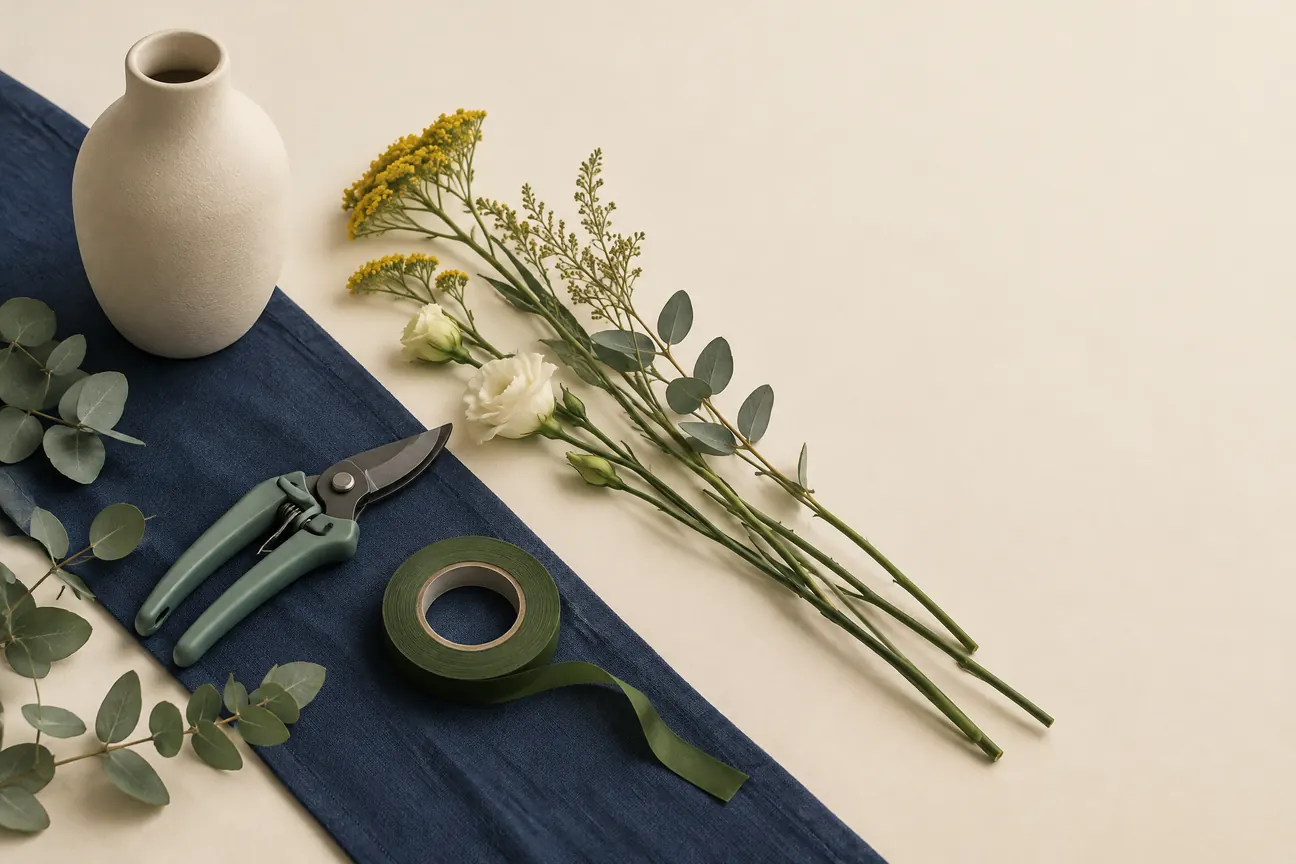
Ask what preserved materials mean for the actual activity
Flower medium is a separate decision from participation format. A group can make individual or shared work using fresh, dried or commercially preserved materials. Those descriptions should not be treated as interchangeable. The Royal Horticultural Society describes air drying, silica-gel drying and glycerine treatment as different methods, with glycerine discussed for suitable foliage. [2] That distinction is enough to prompt a better question: are participants learning a preservation process, or arranging flowers that have already been prepared? The answer changes what the session involves.
When comparing preserved flower workshops, request a description of the supplied material and the hands-on steps. Ask whether the activity includes attaching prepared flower heads, using wire or tape, or assembling a piece in a supplied vessel, rather than assuming any particular technique is taught. Y. Florist’s page is an enquiry destination and asks readers to check current availability and conditions. [5] A picture of an elaborate finished arrangement does not settle which steps each participant will practise or whether some parts arrive preassembled.
Choose the medium partly by the group’s interest in the making process. Someone wanting to practise arranging fresh stems may not regard a prepared-material assembly as a substitute, even if both create attractive displays. Someone who prefers detailed placement may enjoy a compact project without wanting to learn preservation chemistry. Request care instructions for the actual supplied materials instead of a universal lifespan promise. The RHS advises keeping dried displays away from direct sunlight and moist rooms; this is guidance for dried material, not a guarantee for every commercially treated flower. [2]
Arrange the room around seeing, reaching and practising
A room can seat the group for a meeting and still be awkward for making. Consider where the demonstration will happen, whether seated participants can see it, and how materials will reach each place without passing across unfinished work. A long boardroom table may suit individual stations but leave someone far from the demonstration. Smaller tables may suit shared pieces yet need repeated instruction. Ask the provider to review the proposed layout for the chosen project rather than treating the venue’s seated capacity as workshop capacity.
Use the project’s footprint to test the room. Include room for the vessel, loose materials and tools, not only the final arrangement. Discuss surface protection and water access if the chosen activity needs them. Identify a separate place for bags and coats so participants do not lose their making space on arrival. For an office booking in Hong Kong, the organiser should check the actual building’s access and loading rules; a proposed off-site session is not evidence that a provider has accepted those arrangements.
Ask participants privately about practical adjustments they would find useful, such as seated working, a clearer view of demonstrations or assistance with a tool. Describe those needs to the provider without promising that every request can be accommodated. An observer should know whether they have a seat and whether there is an optional hands-on task, while a person who wants to make should not be relegated to watching by default. Agree on the demonstration language and whether music or announcements will compete with spoken instructions.

Check material allocation and ownership before accepting a quote
Compare proposals using the same participation plan. A total for twelve attendees is ambiguous if two intend to observe, ten expect to make and the provider has allowed for six paired projects. Separate the attendee count from the maker count, then identify the number of bases and finished pieces. This is not about demanding identical flower counts in every design. It is about knowing whether each maker has the resources for the agreed task and whether a shared supply must cover several groups.
Distinguish consumables, loaned tools and items people keep. A vessel, support material, tape and wrapping may be part of the finished piece, while cutters or other tools may need to be returned. Ask how replacements are handled if a supplied component cannot be used, and who approves a change of colour or form. A substitute that suits the visual theme could still change the work participants need to do. Have any revised proposal describe that practical change, not merely show a different reference image.
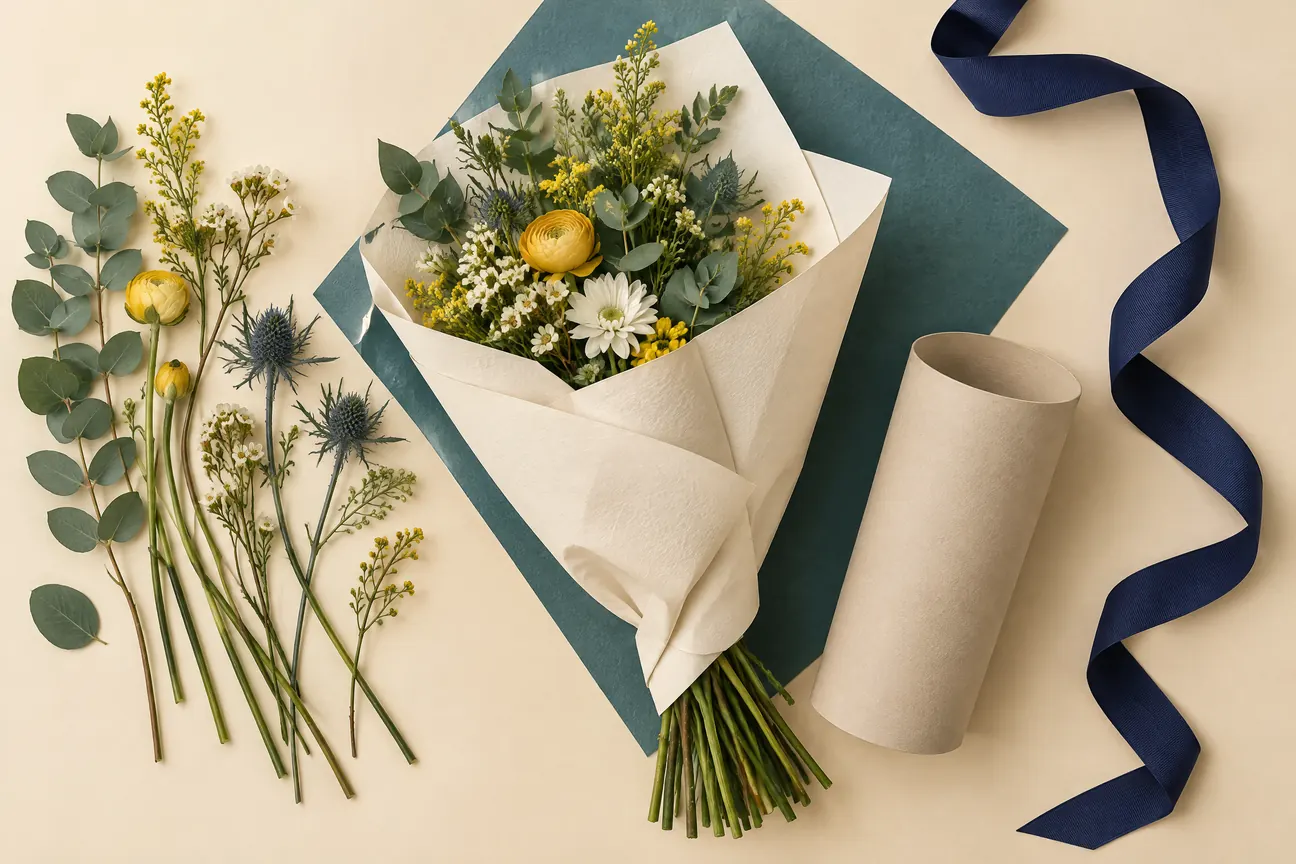
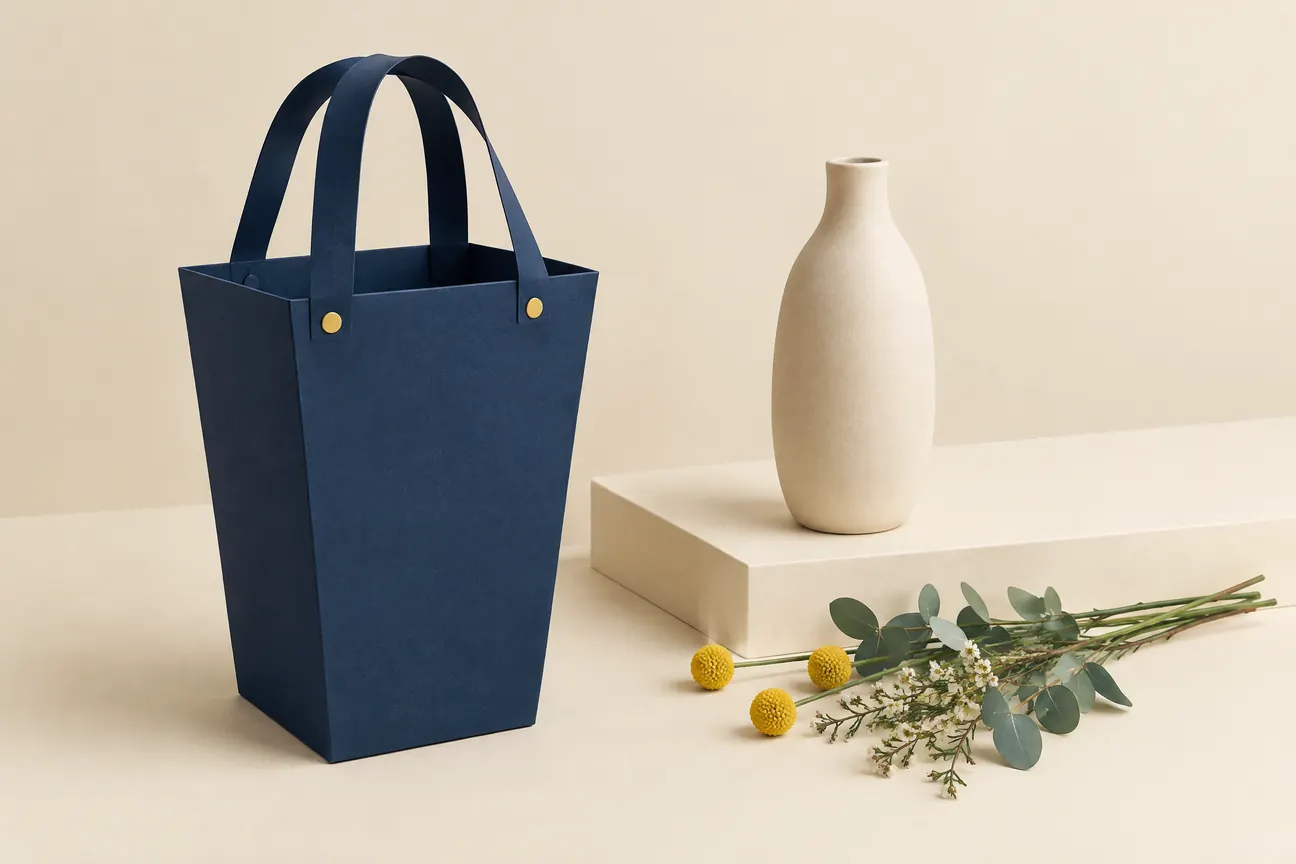
Packing is part of the project, not a small extra to discover at the end. Check whether every take-home piece has suitable carrying packaging, whether participants will learn a wrapping step and whether that step fits inside the session. For a group display, agree who keeps the container and what happens to unused materials. Compare the complete quoted scope, including any venue, transport or additional support charges the provider specifies, without relying on a headline price or assuming an unlisted service is included.
Give the session a workable ending and handover
Work backwards from departure, not just from the start of the demonstration. Participants need an opportunity to finish, receive any final guidance, pack their work and return loaned tools. If the event is followed immediately by a meeting elsewhere, choose a format that fits that transition or arrange a place for the finished pieces to wait. A project that uses all the available time for arranging leaves the organiser to solve packing and ownership while people are trying to leave.
For a shared display, name its destination and the person responsible for moving it. Confirm its intended size against the receiving surface, and ask for handling and care guidance specific to the piece. Do not assume the provider will transport finished work merely because it brought materials to the venue. For personal pieces, let participants know what they will need to carry so they can plan their journey. A compact form may be preferable to a taller design for someone travelling onwards by public transport.
Keep the final run sheet short enough to use: venue access, welcome and demonstration, making stages, help points, packing and handover. Add an agreed response if the start is delayed, such as simplifying an optional decorative stage rather than silently cutting everyone’s practice time. End with an optional invitation to share a design choice, not a compulsory appraisal of team behaviour. A useful outcome to check is whether the agreed participation opportunities and finished-piece arrangements happened; a pleasant afternoon does not need to be presented as therapy, a qualification or proof of stronger teamwork.
| Format | Hands-on opportunity | Trade-off | Clarify in the proposal |
|---|---|---|---|
| Individual projects | Each maker chooses and assembles their own piece. | More freedom, but separate materials and bases are needed. | A material allocation and finished piece for each maker. |
| Paired projects | Two people share choices and alternate making steps. | Less solo practice; ownership needs agreement. | How turns work and who takes the shared piece. |
| Small-group arrangement | Participants contribute defined decisions or sections. | One person can dominate unless participation is supported. | Facilitator interventions and meaningful tasks for everyone. |
| Demonstration with optional making | People can watch, with an agreed opportunity to try a step. | Not equivalent to completing a personal arrangement. | Observer places, practice materials and expected finished work. |
| Shared display plus personal mini-pieces | A common build is followed by a small personal project. | Extra stages need additional time and materials. | Both project scopes, packing totals and display handover. |
On a small screen, scroll the table sideways to compare.
Take it into everyday life
A practical checklist
- Choose individual, paired or shared making and state who owns each finished piece.
- List attendees, hands-on makers and observers separately, with any agreed alternatives.
- Describe the session tone, including whether competition and presentations are unwanted.
- Ask which demonstrations, table-side help and participation support the facilitator will provide.
- Identify the actual flower medium and distinguish preservation teaching from arranging prepared materials.
- Check the proposed table layout, demonstration view, language and practical adjustments with the provider.
- Reconcile bases, consumables, shared tools, packing and any additional charges in the written quote.
- Allow for finishing and tool return, and assign responsibility for moving or receiving completed work.
Questions & answers
Does booking privately mean everyone gets individual tuition?
No. A private booking describes the attendance arrangement. Ask how the instructor divides attention, whether demonstrations are repeated and what table-side help is included. If personal practice is the priority, state that before agreeing to a larger exclusive group.
Which format works when colleagues have different experience levels?
Individual pieces let people work at different speeds, while paired or shared work needs clear opportunities for each person to make decisions and try appropriate steps. Ask for optional extensions for experienced makers without handing them control of everyone else’s project.
Can someone join without making an arrangement?
Ask the organiser and provider to agree an observer option before booking. Clarify seating, any participation fee and whether the person can try a small task if they choose. Do not count an observer as a full maker for materials, or assume someone needs to observe simply because they requested assistance.
Will a preserved-flower session teach us how to preserve flowers?
Not necessarily. It may involve arranging already prepared materials. Request the actual steps and ask whether preservation is explained, demonstrated or practised. A class name alone does not establish the syllabus, treatment method or time needed to prepare the materials.
Can we request a team activity without competition?
Yes, you can request it, but the provider needs to accept the format. Specify no rankings, prizes or compulsory presentations, and ask for shared decisions or individual making with optional conversation instead. Agree how the facilitator will invite contributions without putting people on the spot.
How should we compare two quotes with different finished-piece counts?
Bring both back to the same maker count and ownership plan. Compare bases, material allocation, support, packing and any extra charges for that plan. Six paired pieces and twelve personal pieces are different proposals, even if both quotes describe a twelve-person session.
What if our event runs late?
Agree a contingency with the provider before the day. Protect core practice and packing time where possible, and identify an optional stage that could be simplified. Do not assume the facilitator can stay longer or that the building permits an extension; get any revised timing accepted.
Do we need to arrange transport for a shared office display?
Unless finished-work transport is expressly included, assign a person to move the display and check the receiving surface. Ask for handling guidance and suitable packing for the actual design. Delivery of workshop materials and transport of completed arrangements are separate responsibilities.
Sources & further context
Numbered references follow the source order below. Merchant pages provide context for their own products or services; independent sources support relevant general reading, not merchant quality or medical suitability.
- [1] Washington University Center for Teaching and Learning — Using Roles in Group Work
- [2] Royal Horticultural Society — How to dry flowers and foliage
- [3] Y. Florist — Private floral workshop enquiry information
- [4] Y. Florist — Team building floral workshop enquiry information
- [5] Y. Florist — Preserved flower workshop enquiry information