
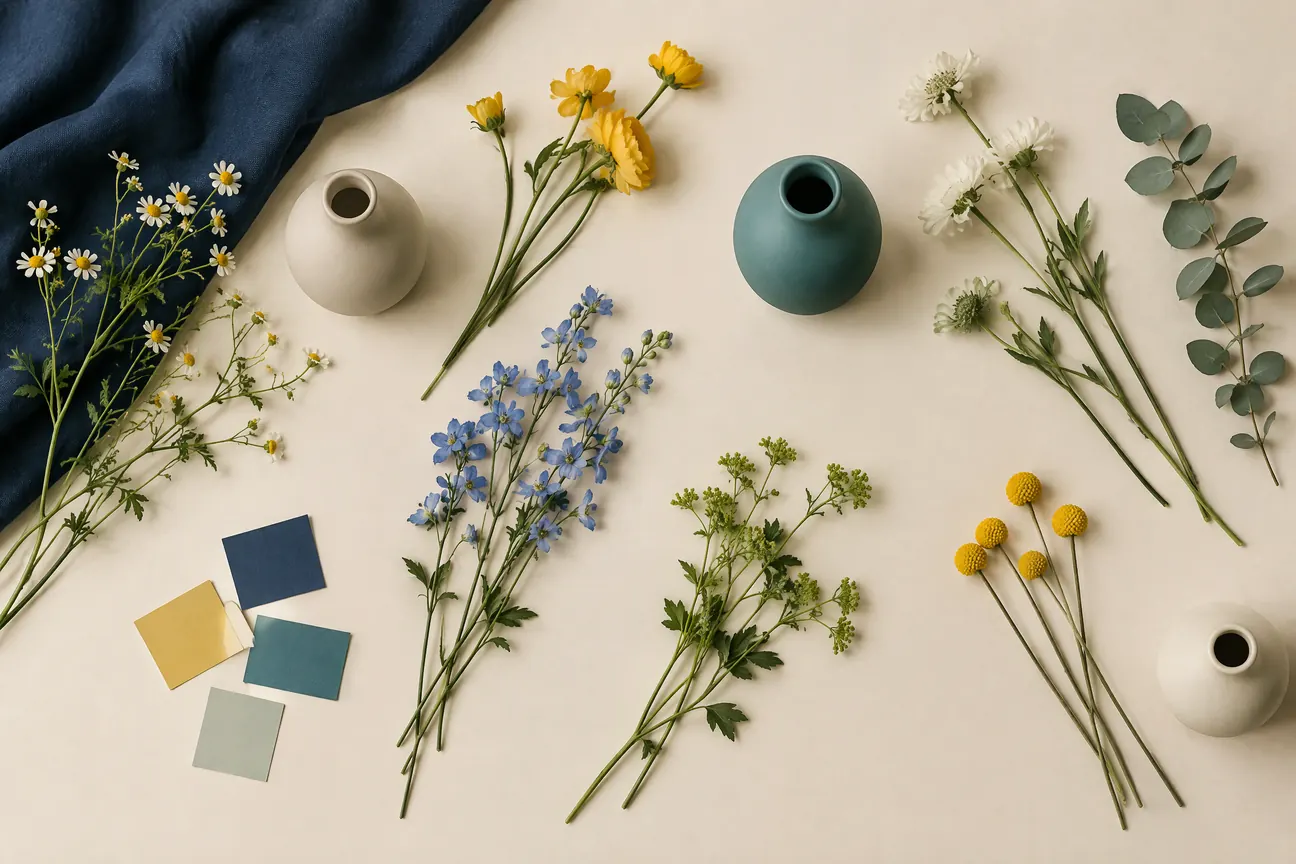
Choose one useful goal for your first flower class
Before choosing a district, finish this sentence: I want to leave able to do something with flowers that I cannot do now. Perhaps you want to arrange bought stems in your own vase, hold a small bouquet together or make a low piece for the dining table. Those are different starting points. Pick one you would genuinely use again rather than the most elaborate sample. A modest finished piece can still offer worthwhile practice if you understand why each stem belongs where it is.
If you have not settled on a project, the YumYum Flower class enquiry page is a place to ask which floral activities are currently offered. Explain whether your priority is a shared afternoon with a friend or learning a repeatable technique. For a social outing, agreeing on one approachable project may matter more than individual design freedom. For a skills-focused visit, ask whether you will make choices yourself and receive feedback rather than only follow a display sample.
For someone mainly interested in arranging flowers at home, the Flower arranging class destination gives a more focused enquiry starting point. Ask about container choice and stem support, not just the colour of the finished flowers. Iowa State's guide explains that proportion, balance and open space all influence a design, while containers and supporting aids affect how stems sit. [1] These are useful subjects to request; the page title alone does not establish that a particular lesson teaches them.
Compare confirmed addresses, not district names
Compare the journey you will really make, including where you start before class and where you go afterwards. MTR's official map page lists Causeway Bay on the Island Line and Kwun Tong on the Kwun Tong Line, with location maps and station layouts for both. [3] Once a provider gives you the teaching address, use those resources to choose an exit and inspect the surrounding route. A station name cannot tell you the distance to an unnamed classroom, or whether the building entrance has steps.
When enquiring through Flower class Causeway Bay, request the building name, street address, floor and room for the date you want. Do not infer a permanent branch from a district heading or a generic city illustration. If you are coming after work, check whether you can enter the building before the session starts and where to wait. If step-free access matters, ask about the complete route from street to teaching table, not merely whether the building has a lift.
Use Flower class Kwun Tong in the same practical way: ask for the actual venue before judging convenience. Compare it against your Causeway Bay option using the same project and similar teaching scope. Include the walk back while holding the packed work; an easy arrival with an empty bag may become awkward with a broad arrangement. Neither district is automatically the better choice. A longer journey can be worthwhile for the project you want, but only once both the venue and session are confirmed.
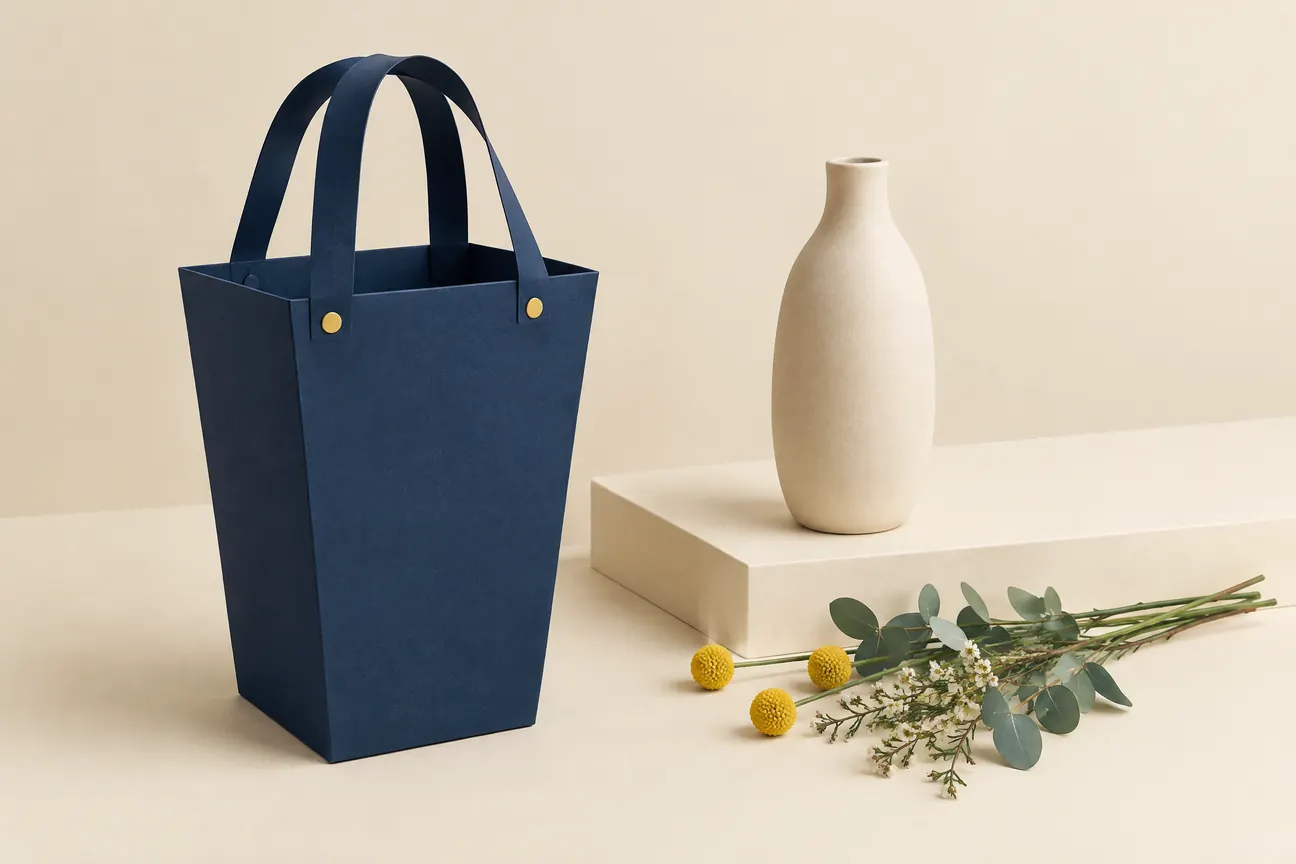
Let the space at home help choose the project
Decide where the work will stand before selecting its form. A low arrangement may suit a small dining table, while a taller vase study needs clear space above it and around projecting stems. Iowa State distinguishes proportion within an arrangement from scale relative to its surroundings, and discusses low containers for broad centrepieces and taller vessels for upright work. [1] You do not need to apply a fixed height formula. Give the provider your available tabletop width and height clearance so the project can be discussed realistically.
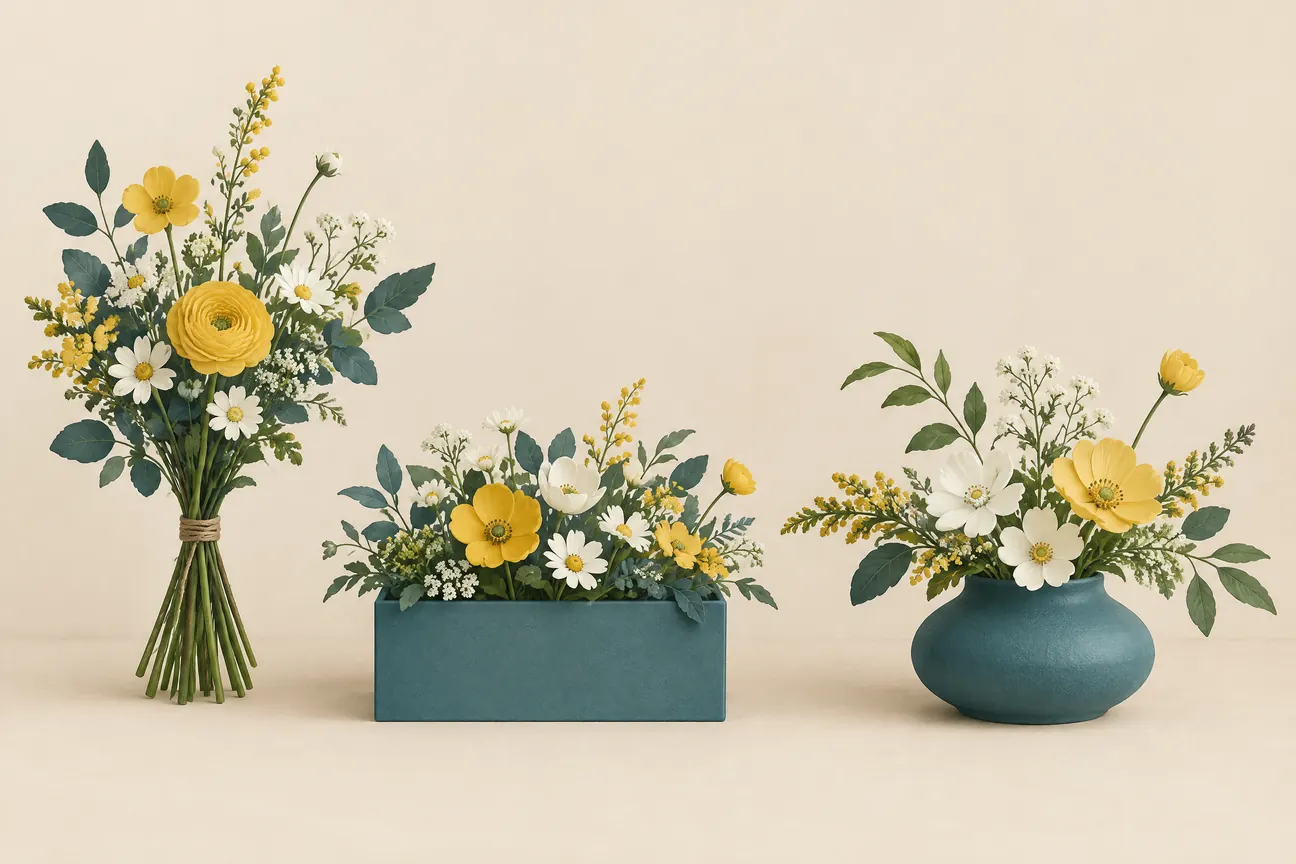
A hand-held bouquet and a piece assembled in a container solve different problems. Bouquet practice may involve managing stems in your hand and tying the bundle; a vase project may use crossed stems or a supporting grid. Iowa State describes both approaches. [1] If hand fatigue concerns you, ask whether resting the work on the table is possible and which operations require a sustained grip. Do not assume that a smaller bouquet is automatically easier, or that a container project avoids all cutting and detailed handling.
For a flower box, ask what actually sits inside the outer box and how water reaches fresh stems. For a vase project, find out whether the vessel is included, borrowed or supplied by you. A finished arrangement that fits the class table may not fit your shelf or carrier. If the proposed shape is too wide, request a smaller learning project rather than planning to bend stems into a narrow shopping bag. Treat sample designs as a direction to discuss, not a promise of an identical finished result.
Find out what a beginner actually gets to practise
Tell the provider what beginner means for you: perhaps you have never used floral snips, or you have arranged supermarket flowers but never tied a bouquet. The Beginner flower class page can frame that conversation, but it does not replace a description of the booked session. Ask what arrives already prepared and what you will do yourself. Choosing stem positions teaches something different from placing pre-cut flowers into marked spaces, even when both activities produce an attractive piece.
Ask for an ordinary example of the teaching sequence. Will you watch a demonstration, prepare your own stems, build the piece and then adjust it after feedback? Or is most of the preparation done before you arrive? Neither format is inherently wrong: prepared materials may suit someone seeking a gentle introduction. If your goal is home arranging, however, removing leaves below the waterline and making clean stem cuts are useful preparation skills. RHS describes those steps as part of conditioning fresh cut flowers. [2] Ask whether they are included rather than assuming them.
Feedback should help you make a decision, not simply finish faster. You might ask the tutor to explain why a cluster feels crowded or whether the vase visually overwhelms the flowers. Check the teaching language and whether individual questions fit within the session. If attending with a friend, establish whether each person makes a separate piece and handles their own materials. One shared arrangement can be enjoyable, but it offers a different amount of practice. A first session is an introduction, not evidence of a professional qualification.
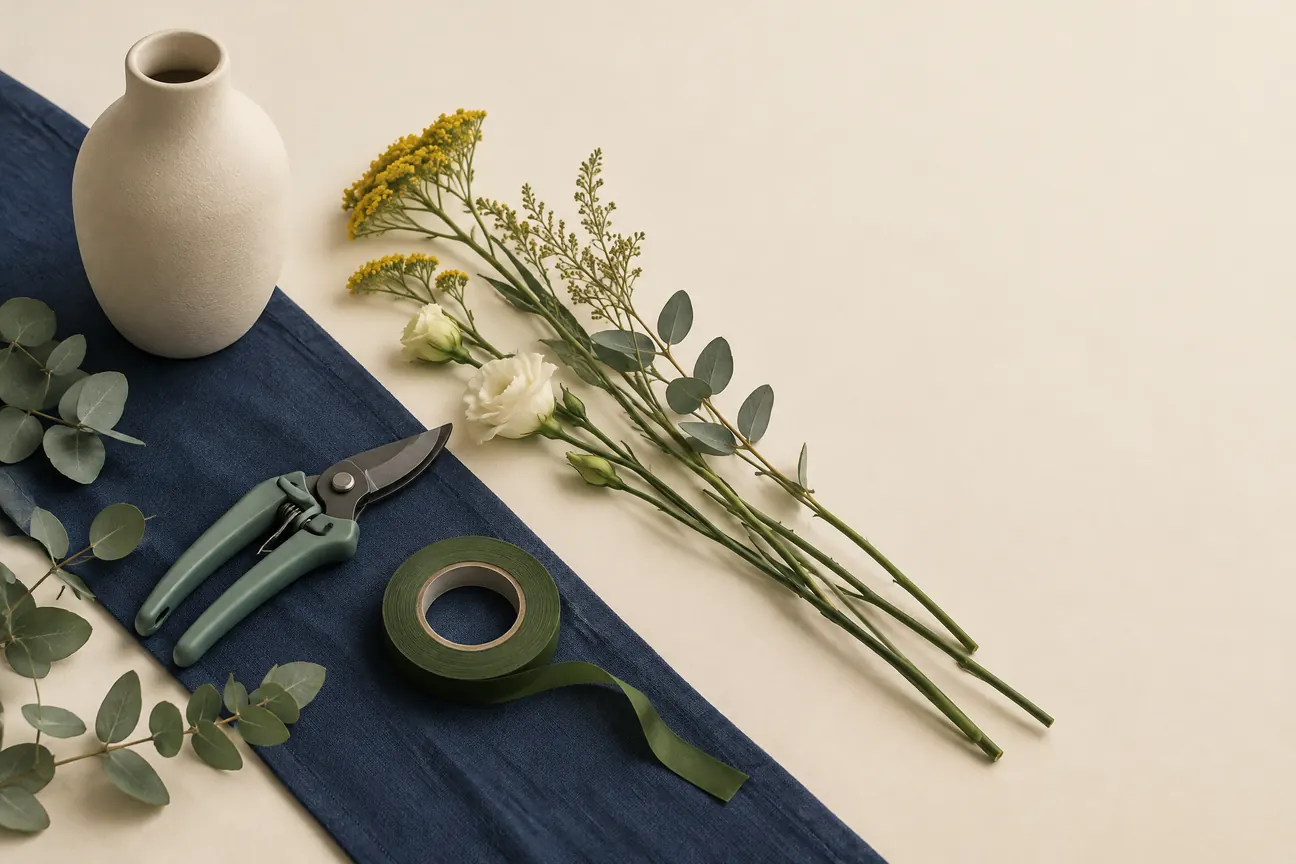
Separate flower materials from tools and take-home inclusions
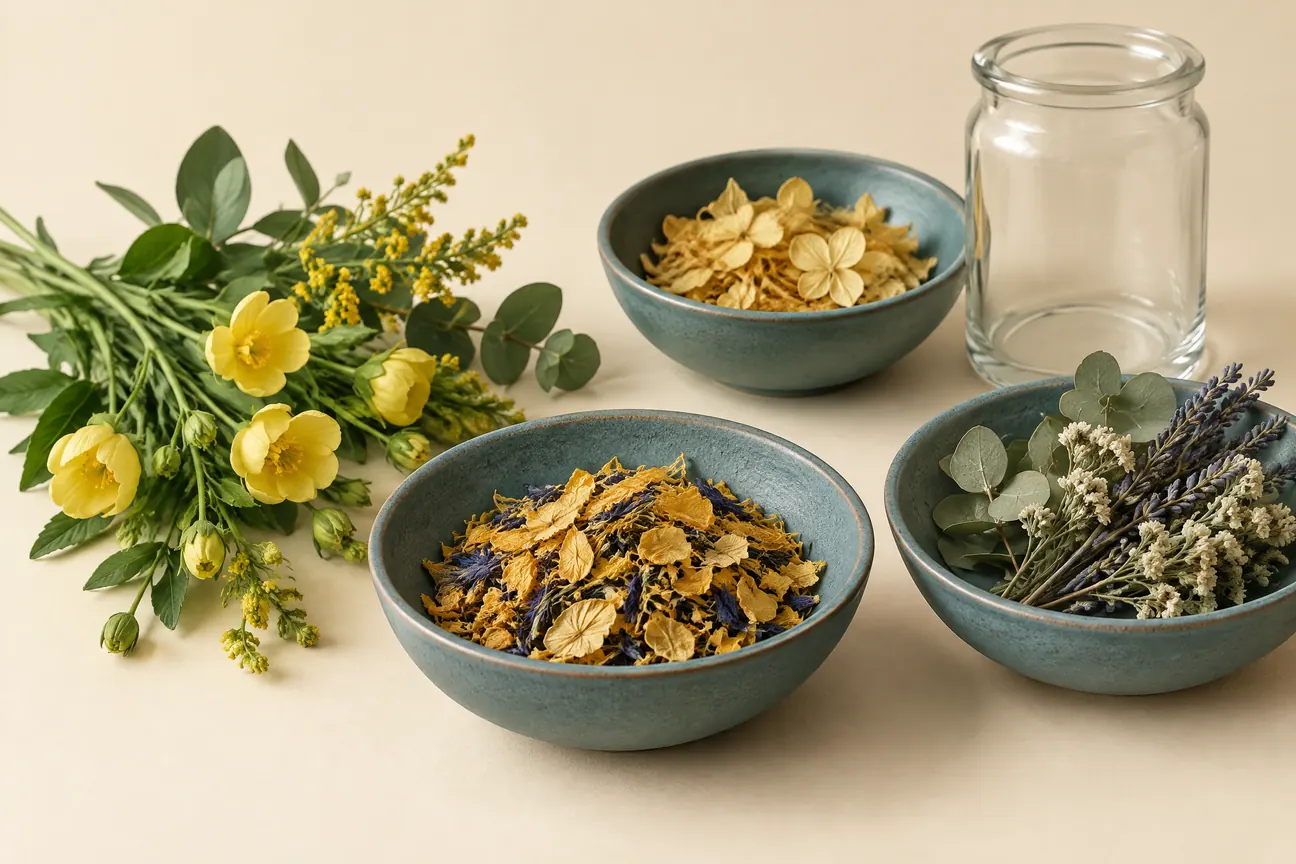
Request a materials description that distinguishes fresh flowers from dried or preserved material. The handling and care instructions should match what you actually use; do not apply a fresh-flower watering routine to a dry decorative piece. Ask which flower types and foliage are planned, whether colours can change and how substitutions are handled. If your goal involves a particular shape or texture, explain that reason. An alternative colour may be acceptable, while a very different stem structure may change the skill you hoped to practise.
For fresh flowers, find out how stems will be supported. Iowa State describes vase grids, floral frogs and floral foam as different mechanics, meaning the aids that hold a design together. It notes that floral foam is single-use and cannot be composted. [1] That makes the support method a useful inclusion question, especially if you want to reuse your container later. Ask which aids stay in the finished piece, how to maintain access to water and what can be separated when you eventually dismantle it.
Read a materials-inclusive quote carefully. It may still leave the container, carrying box, ribbon or optional decoration unresolved. Separate tools available during class from items you own afterwards; using the provider's shears does not mean taking them home. Ask about any personal equipment before buying it. If you have difficulty with a particular grip or have reacted to plant material before, describe that concern in advance and discuss suitable handling arrangements. Do not treat a beginner label or an illustration of tools as proof of personalised accommodation.
Allow for packing, then compare the complete booking
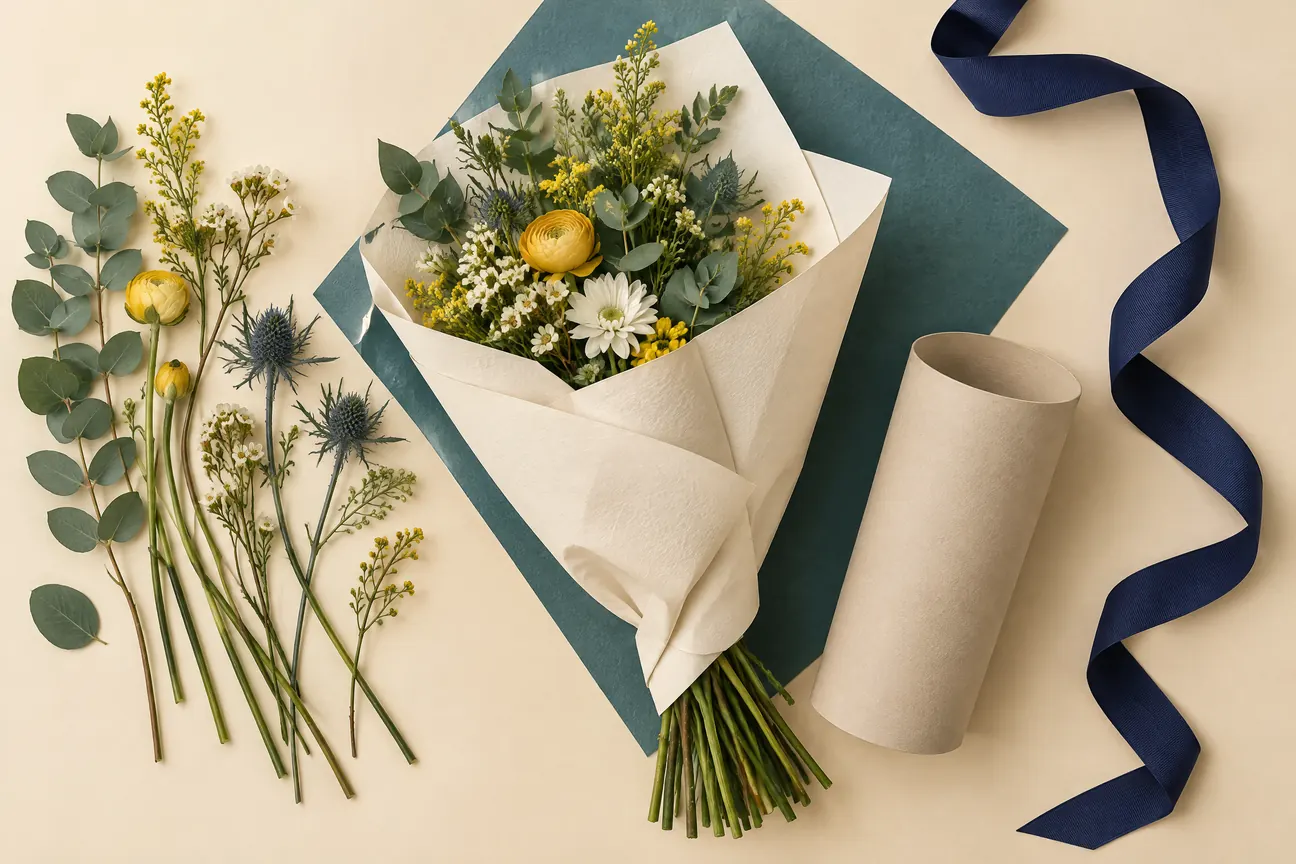
Packing belongs in the session plan, particularly if you are leaving for another appointment. Ask whether wrapping is something you learn, something the provider does or an optional extra. Establish the approximate packed dimensions and whether the finished piece must remain upright. A broad low design and a narrow bouquet need different carriers. If the provider expects you to bring a bag, request its required size and support needs before arrival. Paper around flower heads is not the same thing as a carrier that supports a heavy vessel.
Compare complete charges only after the project and inclusions are clear. Put tuition, flowers, container and packing on separate lines, including any additions you actually want. Add your own travel cost when deciding between venues, but do not confuse it with the provider's fee. A lower headline amount may suit you if you already own a suitable container; it is less helpful if you must buy one you do not need. Obtain the current quote directly rather than relying on general gift prices or promotional delivery wording on a class page.
Before paying, keep one written confirmation covering the date, teaching address, project, participant count, language and agreed inclusions. Read the arrangements for changing your date, a provider cancellation and any venue change; do not assume a particular refund entitlement from a friendly enquiry response. Know whether packing fits inside the stated finishing time. For a weekday class, this helps you judge whether a connection home is realistic without rushing the last practice step. A clearly defined booking is more useful than a long list of attractive but unconfirmed options.
Bring home a care routine and a skill you can repeat
Before leaving, ask for care instructions suited to the exact construction: where to add water, which wrapping to remove and whether you can lift the stems out. For a loose fresh-flower vase arrangement, RHS advises clean vases, monitoring and refreshing water, removing fading flowers and choosing a cooler position away from heat. It also advises keeping flowers away from ripe fruit. [2] These are general care principles, not a promised display life. Ask about the selected flowers rather than expecting every stem to last equally long.
Once home, give the work a clear place to stand rather than leaving it compressed in its travel packaging. Inspect it before making adjustments. Iowa State advises against repeatedly pulling and reinserting stems in floral foam because this loosens the support, and notes that removing faded flowers may eventually lead to a smaller arrangement. [1] If you want to redesign the piece, ask which components are reusable and whether its current support allows that. A photograph can help you remember the original spacing without requiring the work to remain unchanged indefinitely.
Keep one short learning note about a choice you made: how you established the outline, supported a stem or changed the balance after feedback. For the next attempt, use a manageable container and a modest selection of flowers rather than buying every tool you saw. Practise the technique you understood, then decide what you want to learn next. Your first class has served its purpose if you can explain one decision and make it again. Choosing the right project and a workable journey gives that small, practical achievement room to happen.
| Project direction | Practice to ask about | Home-space question | Take-home detail |
|---|---|---|---|
| Loose vase arrangement | Stem preparation, spacing and support in water | Does the finished height and width fit your chosen surface? | Is the vase included, and how will it be supported upright? |
| Small hand-held bouquet | Holding stems, turning the bundle and tying | Which suitable vase will you use after removing wrapping? | Are wrapping and temporary hydration arrangements explained? |
| Low tabletop arrangement | Outline, visual balance and container mechanics | Will projecting stems leave usable space on the table? | What carrier accommodates the full width and supports the base? |
| Flower-box project | Placement and the support inside the outer box | Can you reach the water reservoir if fresh stems are used? | Is the outer box included, and what orientation is required? |
| Dried or preserved study | Placement and fastening for the specified material | What display conditions does the provider advise for this piece? | How are projecting or delicate parts protected in the carrier? |
On a small screen, scroll the table sideways to compare.
Take it into everyday life
A practical checklist
- Name one repeatable goal and the project you want to make.
- Obtain the actual teaching address, floor and room for your chosen date.
- Compare both the arrival route and the return journey with the packed work.
- Ask which preparation, arranging and finishing steps you do yourself.
- Confirm teaching language, feedback opportunities and separate or shared projects.
- List flower material, support aids, container and tools, distinguishing borrowed from retained items.
- Confirm who packs the piece, packed dimensions and any carrier you must bring.
- Keep the complete charge, inclusions and change or cancellation arrangements in writing.
- Leave with care instructions for the actual flowers and support method.
Questions & answers
Does a Causeway Bay or Kwun Tong class page prove there is a classroom there?
No. Treat the district as the subject of your enquiry until you receive a specific teaching address for the date you want. Ask for the building, floor and room, and clarify whether the venue could change. Do not travel on the strength of a district title or a conceptual image alone.
Should I choose the nearest station or the class with the project I prefer?
Compare the full journey once both teaching addresses are known, then weigh it against your learning goal. The closer option may be sensible for a social introduction. A longer journey may be worthwhile for a technique you expect to use again, provided the packed work is manageable and the session details are confirmed.
What if I have never cut a flower stem before?
Say so when enquiring and ask whether the tutor demonstrates the tools and lets you practise preparation. Some introductory activities use pre-prepared materials. That may be suitable for an initial experience, but it will not give the same preparation practice as working with your own untrimmed stems.
Can I bring my own vase to avoid buying another one?
Only if the provider agrees it suits the project. Send its height, opening width and shape, then ask whether the planned support method works with it. Confirm whether bringing it changes the quote and how you will carry it home. A vase you like at home is not automatically compatible with every class design.
Will my friend and I each take home an arrangement?
Ask before booking. A shared activity might produce one piece, while an individual format might give each participant their own flowers and container. Also clarify whether both of you practise the main technique or divide tasks. The best choice depends on whether you want shared time or separate hands-on learning.
How can I compare fees when one quote says materials included?
Get a breakdown of tuition, flower materials, support aids, container and packing. Identify optional decoration and borrowed tools separately. Compare the total for the same participant count and a comparable project, rather than importing a general gift price into a class budget.
Can I go shopping after a fresh-flower class?
Consider the packed size, how long you will carry it and whether it must stay upright. Ask how the flowers are hydrated during travel and whether the carrier is suitable for your planned journey. If handling it around shops would be awkward, arrange a direct trip home or choose a more compact project rather than assuming delivery is included.
How long will the fresh arrangement last?
There is no fixed duration established here. Flower type, condition, construction and care all matter. Request instructions for your actual work. RHS recommends a clean vase, water maintenance, removing fading flowers and a cooler position away from heat and ripe fruit. [2] Do not apply these watering instructions to dried or preserved pieces.
Sources & further context
Numbered references follow the source order below. Merchant pages provide context for their own products or services; independent sources support relevant general reading, not merchant quality or medical suitability.