
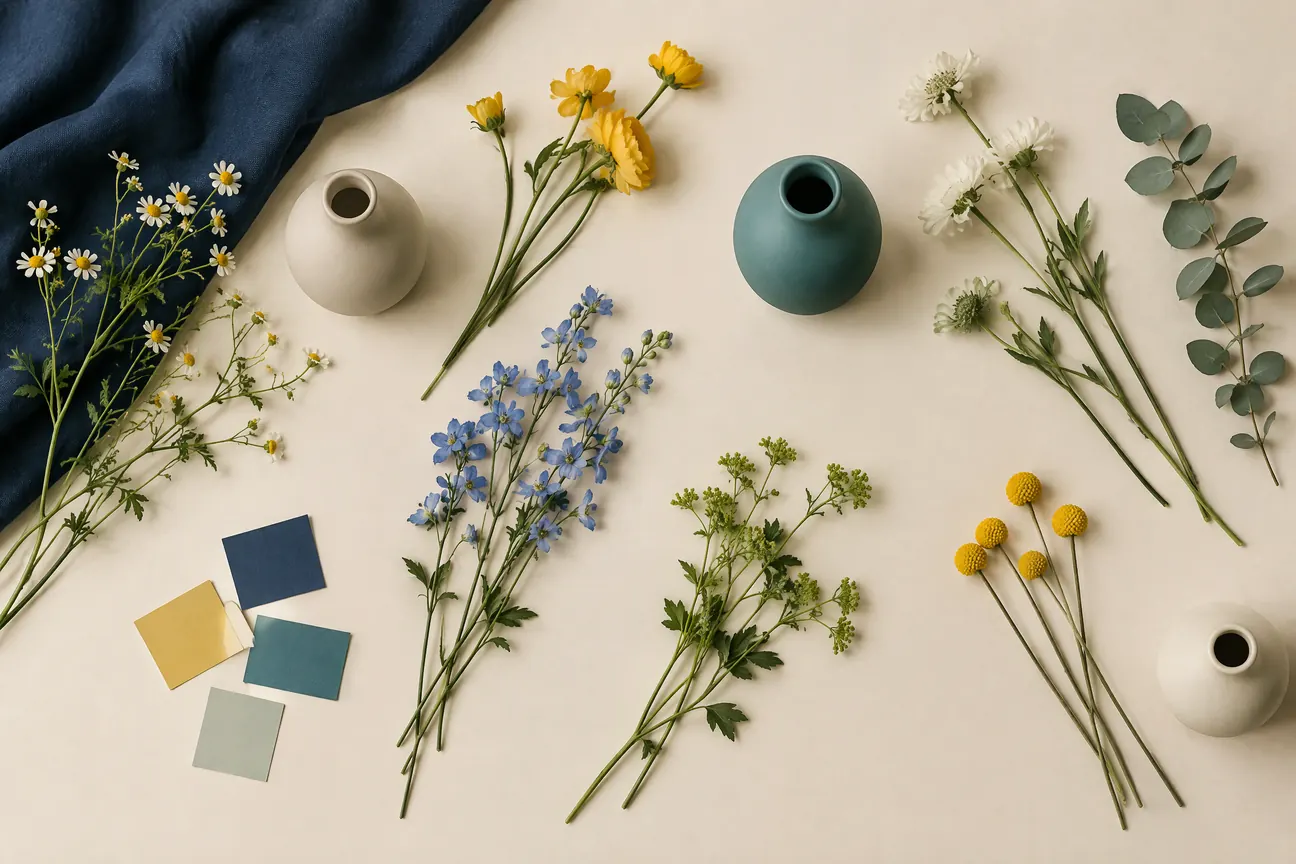
Corporate flower sessions need an activity goal, not a career promise
Start by deciding what would make the session worthwhile for the people attending. For an office gathering, that might be everyone contributing to a small shared arrangement, or each person leaving with a piece they helped make. These are practical event aims. They do not require participants to master professional floristry, and they should not be described as proof of improved teamwork or reduced stress. A learning brief that demands a polished bouquet, a business introduction and a group bonding exercise at once can leave too little room for any of them.
For an enquiry about a Corporate flower class, describe the group rather than simply naming the occasion. Say whether colleagues know one another, whether beginners will attend and whether making together or working individually matters more. Ask the provider to propose a project and explain how instruction will reach each table. The linked page is a merchant enquiry starting point, not confirmation of a particular facilitation format or teaching plan. [3] A shared project can suit a conversational event; individual pieces may suit a group whose members want more hands-on responsibility.
Keep the invitation consistent with that choice. Calling an informal activity professional training creates expectations that a short group booking may not meet. If a few colleagues want deeper skills, offer them a separate route rather than turning the whole staff event into an assessment. Let people know whether there will be a demonstration, shared decisions or independent making so they can choose how to participate.

Choose bouquet practice for a technique you want to repeat
A bouquet-focused learner has a different question: what can I do again after the tutor is no longer beside me? Choose one priority, such as arranging stems into a balanced hand-held form or folding a wrapper without concealing the flowers. The desired look can guide the choice, but colour and attractive paper are not enough to describe the skill. Ask which part of the design you will construct yourself and which parts will already be prepared. A carefully staged project may produce a lovely first result while offering little practice in choosing or correcting a composition.
Someone drawn to the appearance of a Korean bouquet class can use that destination to frame a style enquiry, then request a clear explanation of the actual making steps. [4] Rather than treating the style name as a standard syllabus, ask whether the lesson prioritises stem placement, the bouquet outline or wrapping. Bring a reference image you are entitled to share and point out the feature you want to understand. If wrapping is the main interest, repeated folds and feedback may be more useful than an elaborate flower selection.
Decide how you will repeat the work afterwards. A learner who can only obtain different stems or paper needs to understand what can change without losing the intended shape. Ask the tutor to explain a substitution, not merely supply a list of the original materials. That discussion makes the lesson more useful than copying one fixed arrangement. It also keeps expectations modest: one technique practised with guidance is progress, not mastery of every bouquet format.

Look at who does the work and who receives feedback
A photograph of the finished work does not tell you how much the learner made. In a group project, one confident participant may place most of the stems while others watch. In an individual project, extensive tutor intervention can hide the same gap. Ask how the provider separates demonstration from participant work, and whether there is room to undo a step and try it again. A less elaborate project with a real opportunity to revise can be the better skills lesson, even if its final display looks simpler.
Feedback should relate to the learner's goal. If the goal is bouquet shape, ask whether the tutor will discuss the outline and distribution of flowers before wrapping begins. If the goal is independent working, ask whether participants can make some choices rather than follow every placement exactly. A group organiser need not request formal marking; a short explanation of one successful choice and one adjustment can still help participants understand what they have done. These are questions to negotiate, not assumptions about any listed class.
For career exploration, look beyond a single session. The U.S. Bureau of Labor Statistics describes floral designers working with live, dried and silk flowers and greenery, and identifies workplace learning as a common route into the occupation. [1] This is an overseas occupational description, not a Hong Kong entry requirement. It is useful here because it places learning in a wider working context: repeating tasks with guidance is different from attending one recreational event.
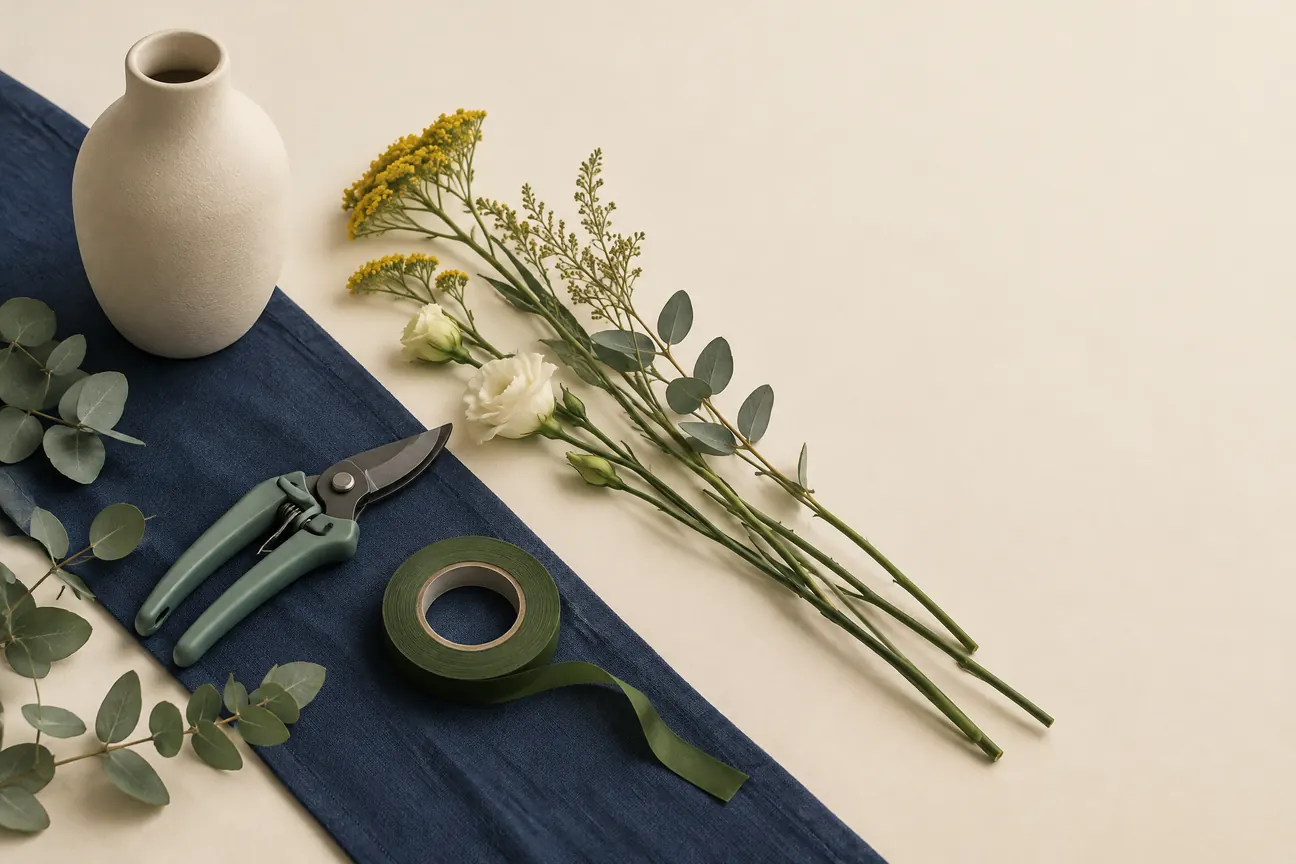
Business learning should go beyond making one attractive bouquet
An aspiring flower-business owner needs to explore whether they enjoy the decisions around a piece as well as making it. A useful course enquiry can ask about interpreting a customer's brief, selecting materials within a budget and estimating the work involved. Those topics require discussion and exercises; they are not demonstrated by a display photograph. Decide whether you want an introduction to the business or a deeper course for someone who already makes floral work confidently. A beginner may benefit from separating those stages instead of attempting both simultaneously.
When considering a Florist startup class, request a topic-by-topic outline and identify what is actually practised. The destination does not establish an accredited business curriculum. [5] Ask whether learners work through a sample customer request, prepare a materials estimate or consider what happens when the requested stems are unavailable. These are useful proposed exercises, not verified inclusions. If most of the session is spent making one bouquet, judge it primarily as practical flower learning rather than assuming the startup label supplies everything needed to trade.
Professional study can span much more than making: City & Guilds' UK floristry diploma description includes botanical knowledge, design, event management, marketing and business practices. Its advanced qualifications also specify prior experience and assessment. [2] That provides an example of the breadth to look for, not a recommendation of a currently open course or proof that a local provider delivers it. A short introduction can help someone identify gaps and decide whether to study further. It cannot promise a viable shop, customers, employment or income.
Materials change both the lesson and the opportunity to practise
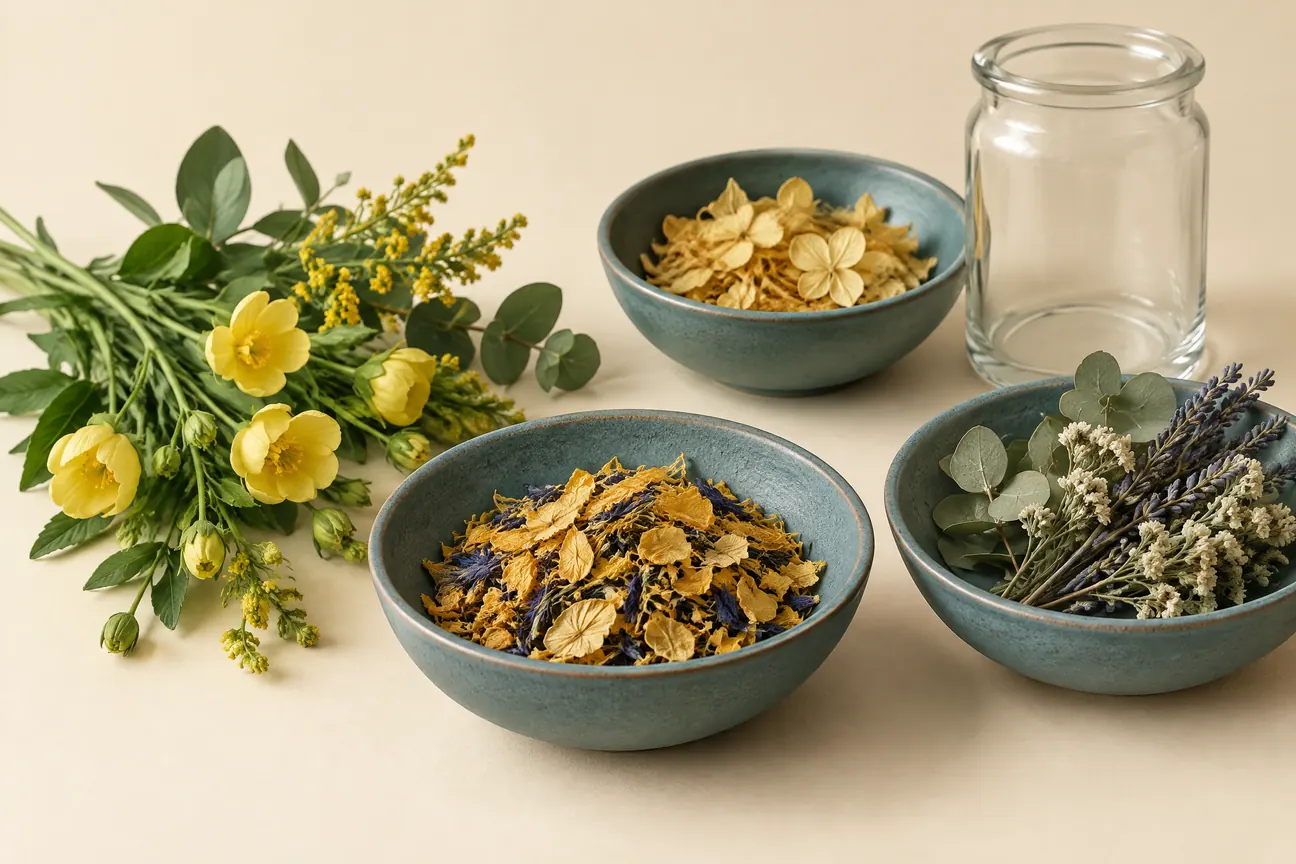
Choose materials according to the intended learning task, not just the appeal of the finished piece. For a fresh-stem bouquet, ask what preparation participants will undertake and which steps the tutor will demonstrate. For dried or preserved-looking decorative material, ask what handling and fixing methods will be taught. Do not assume experience with one medium transfers unchanged to another. If a corporate group mainly wants a simple assembled display, that may be a reasonable project; a learner seeking fresh-flower practice needs a more specific answer about the stems and techniques involved.
Pre-prepared materials are a genuine trade-off. They can leave more of an office activity for arranging and conversation, but remove part of the preparation experience a skills learner may want. Separate these needs in the brief. Ask which tools are supplied, which are shared and how their use will be explained. If a participant needs an adapted grip, a seated working position or help with a particular tool, raise that privately before booking rather than relying on the apparent simplicity of the project.
Compare the materials included with the opportunity to use them. Extra decorative pieces are not automatically better value if they consume the time intended for practice. Conversely, materials sufficient for a second attempt may matter greatly to someone learning wrapping or composition. Ask what participants can take away, including unfinished practice materials, and whether a materials guide is provided. Avoid assuming a fixed life for the finished work; obtain care advice appropriate to the actual materials rather than transferring a promise from another flower product.
Fit the activity to the working day and the journey home
An office venue needs a workable activity layout, not only enough seats. Check where participants can see the demonstration, where materials will wait and whether tables allow space for both the project and tools. Arrange a clear responsibility for setup and clearing away so a flower session does not overlap awkwardly with the next meeting. A session at another venue has different demands: confirm the actual address and travel expectations before circulating an invitation. The course name or a district preference does not establish a teaching location.
Give participation arrangements as much attention as the flowers. In a mixed-language group, ask how instructions and individual questions will be handled. For a shared arrangement, propose rotating making tasks if the aim is broad participation. For separate pieces, ask how the tutor will help someone who falls behind without taking over the whole project. Colleagues who prefer not to handle stems should know whether there is a meaningful alternative role or whether they can simply observe; do not use forced participation as a measure of engagement.
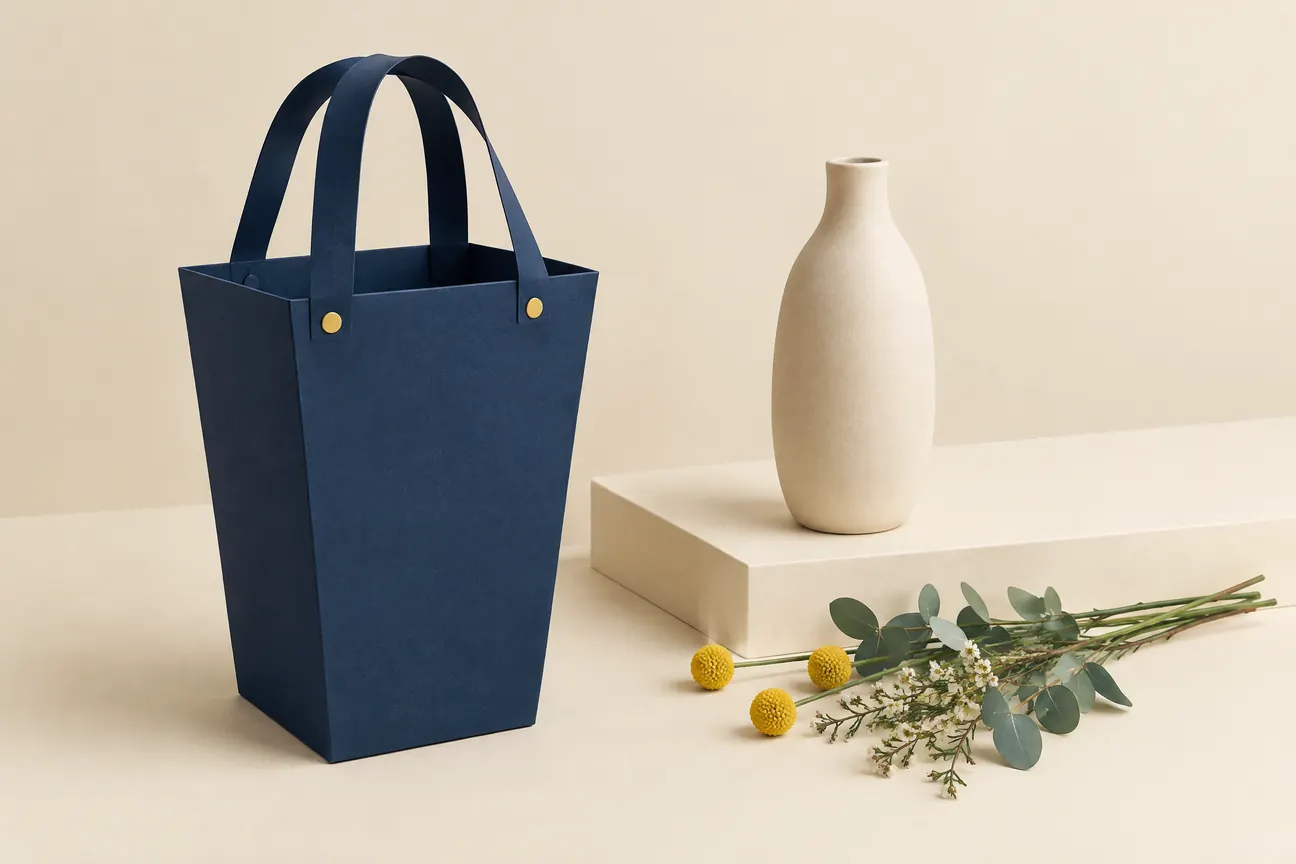
The project also has to fit the journey home. A low vase piece, a wrapped bouquet and a wider box arrangement need different carrying space. Ask whether a vessel or carrier is included and where completed work can wait until departure. A participant returning to a desk before taking public transport may prefer a compact piece to an ambitious display. Allow time for packing and the provider's material-specific care explanation. These practical details can determine whether the event format works, even when the teaching goal is already clear.
Judge the next step by learning evidence, not the course name
Choose an appropriate way to evaluate the experience before it begins. For a corporate activity, a useful closing question is whether participants had the chance to contribute in the way promised. For bouquet learning, ask whether they can explain a design choice or repeat a step with less help. For business exploration, ask which unanswered operational questions remain. These measures stay close to the actual purpose. They avoid confusing a pleasant event with professional readiness, or judging an introductory business discussion only by the flowers produced.
If a certificate matters, ask what it records. Attendance, completion of a particular project and an assessed qualification are different claims. City & Guilds describes assignments and practical and written examinations within its professional diploma structure. [2] That is an example of explicit assessment, not evidence that the linked merchant has that status. Obtain the exact award name and awarding organisation for any qualification claim, and check them directly before making a study or career decision. A course title containing florist, professional or startup is not enough.
Take photographs of your own work, if venue rules permit, and note what you made independently and what needed assistance. That creates a more useful personal record than a finished image alone. After a corporate session, an interested colleague might choose a focused technique lesson; after bouquet practice, a learner might seek broader supervised work before exploring business planning. There is no need to force every participant along the same route. Choose the next step to address a specific gap, and leave employment or business outcomes to evidence beyond the class.

| Decision | Corporate experience | Bouquet skills lesson | Startup-oriented learning |
|---|---|---|---|
| Main aim | A manageable shared making activity | A technique the learner wants to repeat | Exploring floral work alongside order and business decisions |
| Useful participation | A clear contribution for each interested participant | Individual making with a chance to correct a step | Practical work plus relevant discussion or business exercises |
| Evidence to request | Project format and how instruction reaches the group | Steps practised, starting level and feedback method | Topic outline, exercises and prerequisite skills |
| Reasonable evaluation | Participants could contribute as described | The learner understands a choice or can repeat a step | The learner can identify further skills and planning gaps |
| Do not infer | Improved team performance or therapeutic benefit | Mastery from one attractive finished bouquet | Accreditation, employment, customers or a viable business |
On a small screen, scroll the table sideways to compare.
Take it into everyday life
A practical checklist
- Choose one main purpose: shared activity, repeatable bouquet skill or flower-business exploration.
- Describe participants' experience, preferred teaching language and any access needs privately.
- Ask for a project outline separating demonstration, individual making and discussion.
- Identify the step each participant will practise and whether a second attempt is possible.
- Check materials, tool sharing, take-home vessels and carriers against the actual project.
- For business learning, request concrete exercises rather than relying on a startup title.
- Confirm the venue, setup and clearing responsibilities, departure arrangements and current booking terms.
- If an award is claimed, verify its exact name, awarding organisation and assessment requirements.
Questions & answers
Can one session serve both a staff event and serious bouquet learners?
It can introduce a skill to a group, but the two aims may compete for time and feedback. Keep the shared event manageable and ask whether extra practice can be offered separately. Do not promise the whole group professional training when the booking is designed around participation.
Should beginners choose a Korean-style bouquet lesson immediately?
Ask about prerequisites and which making steps participants undertake. The style name alone does not establish difficulty. A beginner can enquire about a smaller project focused on one technique, while someone already confident with stems may want more independent composition or wrapping practice.
Is a beautiful take-home piece evidence that I learned the skill?
It is evidence of a finished project, but not necessarily independent making. Consider which steps you completed, which the tutor corrected and whether you can explain or repeat them. A chance to revise your own work is often more informative than the final photograph.
What should I ask a startup course provider that I would not ask an event organiser?
Ask which business topics are covered through exercises and which are only discussed. A sample customer brief, materials estimate or substitution scenario can help clarify the scope. Also ask what practical experience is expected before joining. These questions do not assume that any particular provider includes those topics.
Does a course completion certificate make me a qualified florist?
Not by itself. Ask whether it records attendance, project completion or an assessed award. Obtain the exact qualification and awarding organisation if formal recognition is claimed. The City & Guilds example uses explicit assignments and examinations, but it does not establish the status of a local merchant course. [2]
How do I include colleagues who do not want to make flowers?
Explain the activity before they commit and ask the provider whether observation or a different contribution is possible. Colour selection or planning a shared piece may suit some participants, but do not assume these options are available or pressure people into handling tools. Set participation expectations without promising team-performance benefits.
Which finished format is easiest to take back to the office?
Compare its actual footprint, vessel and carrier with the route back, rather than choosing by appearance alone. A compact project may be more manageable for someone returning to a desk and later travelling on public transport. Ask where finished work can wait and what packing is included; no format guarantees damage-free transport.
Can a startup class tell me whether opening a flower business will succeed?
It may help you understand the work and identify gaps, depending on its confirmed scope. It cannot establish demand, secure customers or guarantee income. Treat the class as one learning input and make any business decision separately, with further practical experience and planning.
Sources & further context
Numbered references follow the source order below. Merchant pages provide context for their own products or services; independent sources support relevant general reading, not merchant quality or medical suitability.