

A Kowloon baking class location needs more than a district name
Start with two separate questions: where can you reasonably travel, and what do you want to learn there? Someone leaving work in Kwun Tong might prefer a nearby lesson, but a convenient address is not enough if the session mainly decorates a prepared cake and the goal is to learn mixing and baking. Equally, an attractive decorating lesson elsewhere in Kowloon might be worth a longer journey if it concentrates on the skill you actually want. Decide which requirement is flexible before comparing pages, rather than letting the place name make the decision for you.
The Baking Class in Kwun Tong page is a commercial starting point for a district-based enquiry. It presents several baking themes, but those themes should become questions about one chosen session, not an assumption that everything appears in one lesson. [1] Ask which activity is being offered on your proposed date and request the full teaching address, including building, floor and unit. Keep that reply with the booking details. Do not use a general location description as your final travel instruction.
An address also needs a purpose. Check that the location supplied is where you attend the lesson, rather than an office, collection point or meeting place. If a building has more than one entrance, ask which one participants use and how they reach the teaching room. For a pair booking together, agree whether staying in the same district matters more than attending the same lesson. That conversation prevents one person accepting a convenient venue while the other expects a completely different activity.
Choose between making the cake and decorating the surface
Describe your goal with an action, not a broad course label. You might want to measure ingredients, recognise a mixing stage or understand when a cake is ready to leave the oven. Alternatively, the useful skill might be coating a cake evenly or controlling a piping bag. The Institute of Culinary Education’s decorating outline separates icing and piping exercises from later splitting, filling and finishing work. [2] That is an example of how activities can be divided, not a syllabus that any Hong Kong provider must follow.
For someone interested in finishes rather than oven work, Cake Decorating Class in Kowloon offers a relevant enquiry route. Its decorating references give you a reason to ask about the selected medium and practical stages; they do not confirm what you will personally complete. [3] Ask whether the cake base and icing arrive prepared, whether you make any components, and which finishing technique receives the most practice. Prepared components can suit a focused decorating goal, but they will not answer every question about baking from ingredients.
A mixed lesson needs a clear balance. If baking and decorating are both included, find out whether you practise each stage or watch some parts while concentrating on others. Oven and cooling periods may be used for demonstrations or separate exercises; ask how the session is organised instead of treating its total length as continuous hands-on time. For a first visit, one modest technique with time to repeat it may be more useful than a long list of finishes touched only briefly. Choose that trade-off deliberately.

Compare the practice sequence, not just the finished design
A display image helps communicate a style, but it cannot tell you how much correction or repetition a lesson offers. Ask what happens before the finished cake is assembled. Is there a practice surface for trying a border, a chance to adjust an uneven coat, or feedback before applying the final decoration? ICE’s outline lists pressure-control piping and specific piping exercises, illustrating the difference between naming a technique and planning its practice. [2] You can use that distinction without expecting another provider to reproduce the same exercises.
The general Cake Decorating Class destination is useful when your question is about frosting or piping rather than a particular district. Its class references are a starting point for discussing skills, not a detailed promise about an individual lesson. [4] Give the provider a short brief such as wanting to make a consistent border and understand how to correct it. Then ask which materials and tools you will use, what is demonstrated, and what you can repeat yourself. This makes a vague enquiry easier to answer meaningfully.
Also check what the take-home notes contain. A photograph of the finished surface may remind you of the design but not the method. Useful notes could identify the medium, tool type and sequence taught, where those are available. If your home equipment differs, ask whether the technique can be practised with it or needs a different setup. Avoid buying a large set of tools before the lesson requirements are clear; a targeted list is easier to compare with what you already own.

Make sure the teaching arrangement fits how you learn
For an English-speaking participant, an English webpage is not the same as confirmation that the selected session is taught in English. Ask about the language of demonstrations, individual feedback and written notes. A bilingual session may work well for you, but it helps to know whether explanations are repeated or whether you need to ask for clarification during practice. If you are nervous about terminology, describe your experience plainly: perhaps you bake at home but have never held a piping bag. That gives the provider more useful information than simply calling yourself a beginner.
Find out how work is allocated. If two friends share a bench, will they alternate one mixer, prepare one cake together or each decorate a separate base? Shared work can make a sociable session, while individual work may better suit someone who wants to experience every step. Neither arrangement is automatically better. Ask how many people use the same tools and whether both partners can practise the technique that matters to them. Having a finished item to take home does not establish that each participant performed every stage.
Access and comfort belong in this conversation too. Ask whether the selected activities are mainly standing or seated and explain any access requirement before paying. Request details about the route from the building entrance to the room, rather than assuming a lift reaches every relevant area. For a group with mixed experience, ask how the lesson handles different working speeds. A simple arrangement for getting help or an agreed shared goal can matter more than the number of techniques in the advertisement.
Plan the last part of the journey after the address is confirmed
Once you have the exact teaching address, compare the rail journey with the street-level approach. MTR provides station location maps and station layouts as separate resources, including entries for Kwun Tong. Its location maps show major buildings and their nearest exits. [5] Use the appropriate resource to check the area around the confirmed building, then compare it with the provider’s entrance instructions. Do not select a station exit solely because it appears in an old screenshot or a generic class-page description.
Be precise about station names as well as districts. MTR lists Kwun Tong under the Kwun Tong Line and also lists a station named Kowloon under the Tung Chung Line and Airport Express. [5] A class described as being in Kowloon does not therefore mean that Kowloon Station is its nearest stop. Enter the full address when checking your route. If the building is unfamiliar, keep its English and Chinese names together so you can compare booking details with the signs at the entrance.
For an after-work lesson, work backwards from the time participants must be ready to start, not merely the advertised start time. Include leaving your workplace, the journey, finding the entrance and reaching the room. Ask how late arrivals are handled if the opening demonstration is important to later practice. Where a route involves steps or a longer outdoor walk, consider the return journey with your finished box too. A route that feels convenient when empty-handed may be awkward once the lesson is over.
Work backwards from the box you will carry home
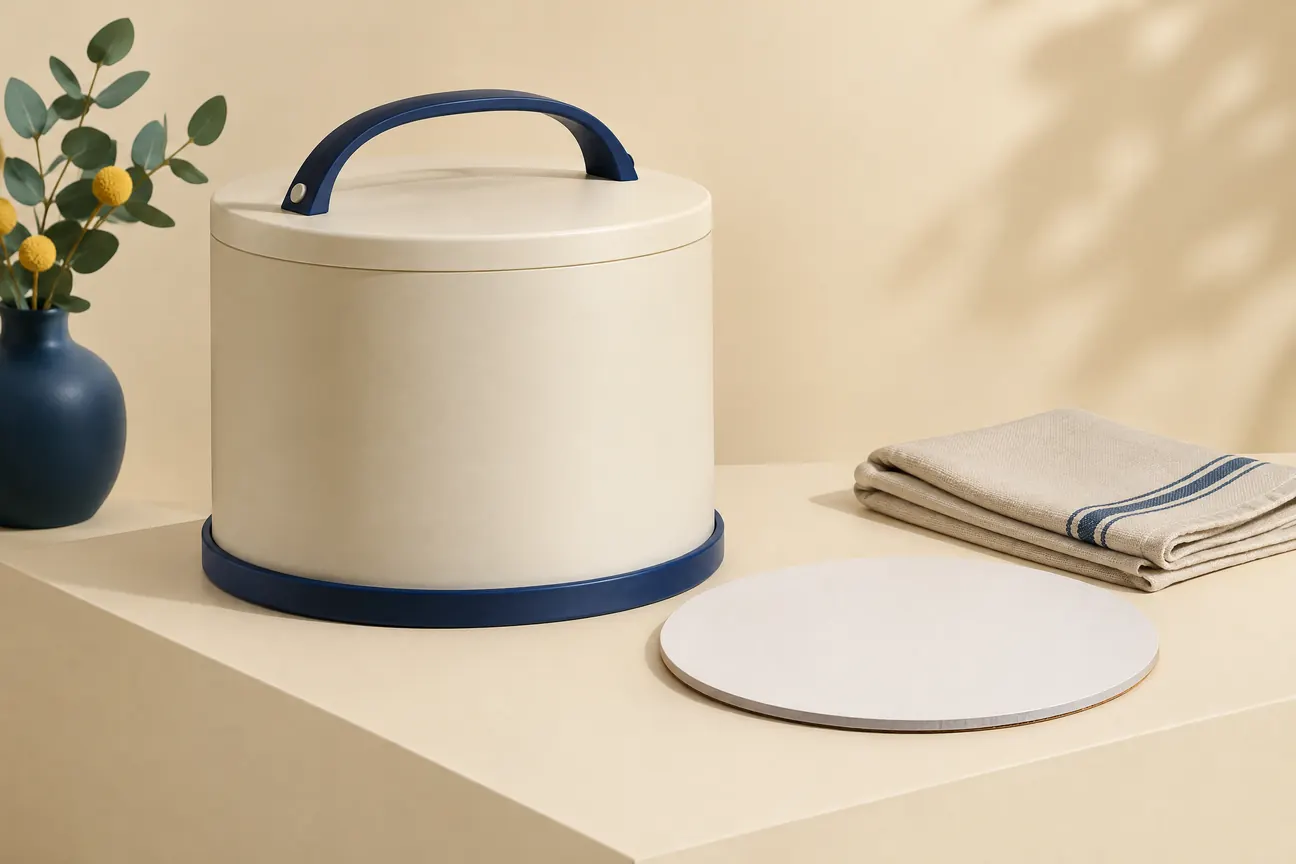
Ask what your own take-home share will be before arranging dinner or another stop afterwards. A whole decorated cake, several small pieces and a shared group result create different carrying needs. Request the approximate packed dimensions and whether the container, base and any necessary inserts are included in the quoted lesson. If friends plan to separate after class, check whether each person receives a separate package. A single shared box can complicate a journey even when the amount of finished work suits the group.
Distinguish presentation from storage requirements. Ask the provider for handling and storage instructions appropriate to the actual cake, filling and finish used in your session. A paper box alone does not answer those questions. If your onward plan cannot accommodate the instructions, change the plan rather than assuming the cake can remain with you throughout the evening. Where you intend to give the work to someone else, pass on those instructions and agree the handover before promising that it will arrive ready for an event.
Packing also affects your departure time. Ask whether the stated finish includes boxing and collecting work, and whether any stage may leave you waiting before you can leave. Build your next appointment around the provider’s answer, not around an optimistic guess. Consider where you can place the box on the journey and how many other bags you will carry. The most attractive finished design may not be the most practical choice for a route with several changes or a long walk home.

Agree what happens if the date, venue or lesson changes
Compare the complete confirmed offer rather than a headline fee. It should identify the selected session, teaching location, practical activities, participant arrangement and included materials or packing. Request the total payable amount and any separate charges before accepting it. Keep the written terms for cancellation, rescheduling and provider changes. Do not assume that a displayed class theme means a place is available on your preferred evening, or that an enquiry reserves it while you discuss the journey with a friend.
If the venue changes, reassess more than the commute. A different address may affect whether you can arrive for the opening explanation, meet your companion or carry the finished work home as planned. Ask whether the lesson content, language and participant arrangement remain the same. Likewise, a change from making components to decorating prepared ones may alter the value of the session even if the venue stays nearby. Make clear which details are essential to your acceptance so any proposed change can be considered against them.
A concise booking message can bring the decisions together: explain your travel starting point, your preferred dates and the one skill you want to practise. Request the exact room address, personal tasks, teaching language, ready-to-leave arrangements and written booking terms. When the reply answers those points, choose the session that fits both your learning goal and your journey. The purpose is not to find the shortest list of questions, but to avoid spending an evening at the right district for the wrong lesson.

| Enquiry priority | Useful detail to obtain | Trade-off to consider | What the label does not confirm |
|---|---|---|---|
| Convenient district | Full teaching address for the selected session | Shorter travel may mean fewer suitable lesson options | A nearby classroom or a reserved date |
| Baking from ingredients | Mixing, oven and cooling stages you personally perform | Preparation and waiting may reduce time for finishing practice | That every stage is completed by every participant |
| Focused decorating | Prepared components, medium and repeated practice opportunities | More finishing time may mean little or no oven work | A particular design or a detailed syllabus |
| Shared experience | Tool sharing, partner roles and separate take-home shares | Sociable teamwork may limit individual repetition | One complete cake made independently by each person |
| Straightforward return journey | Packed size, ready-to-leave arrangements and handling instructions | A simpler take-home format may better fit the route | That a supplied box suits every onward plan |
On a small screen, scroll the table sideways to compare.
Take it into everyday life
A practical checklist
- Choose the main skill you want to practise and whether the district or the lesson is more flexible.
- Obtain the teaching building, floor, unit and participant entrance for your selected date.
- Ask which components are prepared and which stages you personally perform.
- Confirm demonstration, feedback and notes languages for the actual session.
- Clarify shared tools, individual practice and each participant’s finished share.
- Check the confirmed address against MTR’s station location and layout resources.
- Request packed dimensions, included containers and product-specific handling instructions.
- Keep the total quote and written terms covering changes, cancellation and rescheduling.
Questions & answers
Does a Kwun Tong class page confirm where my lesson takes place?
No. Use it to start an enquiry, then obtain the full teaching address for the session you intend to book. Ask for the floor, unit and entrance, and check whether that address is the classroom rather than a collection or meeting point.
Should I travel to Kowloon Station for a class described as being in Kowloon?
Not without checking the address. Kowloon is also a specific MTR station name; it is not a default stop for every venue in the wider area. Match the confirmed building to the relevant station location map before selecting your route. [5]
Can a cake-decorating lesson be useful if the cake is already baked?
Yes, if your goal is finishing practice and the lesson gives you suitable time to work on it. Ask what arrives prepared and what you do yourself. If you want to learn mixing or oven stages, choose a session that explicitly includes those tasks instead.
How can I check whether an English-language lesson is suitable for me?
Ask about the language used for demonstrations, personal corrections and written notes in your selected session. Explain your starting experience and whether you need explanations in English throughout. An English webpage alone does not establish those arrangements.
What should two friends ask before booking together?
Clarify whether you share a bench, tools, components or a finished cake, and whether both people can practise their preferred skill. Ask about separate packages if you will travel home in different directions. Decide together whether proximity or lesson content is the stronger priority.
Can I make a dinner booking immediately after the advertised finish?
Check whether the finish includes packing and when your work is ready to leave. Obtain handling instructions for the actual item and confirm that the onward venue can accommodate them and accepts outside food if relevant. Change the plan if those arrangements do not fit.
What if the provider offers a different venue after I have booked?
Review the revised journey and entrance arrangements, then ask whether content, language and practical participation stay the same. Check the written terms for provider changes and your available options. Do not assume that another venue in the same district is equally workable.
Is a short decorating class a professional qualification?
Do not treat a recreational session as a qualification or employment promise. If you need assessed training, ask separately about the named award, assessment and recognition. For a leisure lesson, compare the specific practice and feedback offered instead.
Sources & further context
Numbered references follow the source order below. Merchant pages provide context for their own products or services; independent sources support relevant general reading, not merchant quality or medical suitability.