

Choose adult cooking and baking lessons around a task
Begin with a sentence about what you would like to do without help at home. ‘Make a weekday dinner with the components ready together’ points towards cooking. ‘Understand why my cake batter looks different each time’ points towards baking. ‘Pipe an even border on a cake I can already bake’ points towards decoration. These are different learning needs, even when a course photograph shows an equally impressive finished item. Your own task is a more useful starting point than the number of dishes advertised.
Separate a pleasant experience from skill development. For a social afternoon, sharing preparation and spending time on presentation may suit you perfectly. For independent practice, you may prefer fewer techniques with time to repeat the difficult one. Neither goal is inferior, but disappointment follows when you book one and expect the other. Decide whether you most value a finished object, a technique you can repeat, or help understanding a recurring mistake. Then read the session outline with that priority in mind.
Ask for the steps behind the advertised result rather than assuming the course name explains them. A lesson ending with a decorated cake might involve baking from raw ingredients, finishing a prepared sponge, or contributing to a shared batch. Those arrangements offer different practice. Compare the proposed tasks with your starting sentence and mark any missing stage. The useful question is not simply whether beginners can attend, but whether a beginner gets to attempt the particular decision or movement they want to learn.

Cooking: practise decisions while food is on the heat
If your aim is everyday meals, look for preparation and timing rather than a long menu. You might want to learn how to cut vegetables for a dish, organise ingredients before heating the pan, or coordinate a main dish with a side. Choose a task close to how you cook at home. An elaborate dish may be enjoyable, but it will not necessarily address the difficulty of managing two components after work. Ask whether you will control the heat yourself or watch that stage demonstrated.
Use the Cooking Class page as a starting point for a specific enquiry: describe your usual meal and the stage where you lose confidence. For example, ask whether the proposed session gives you a chance to prepare ingredients and adjust cooking under supervision, rather than receiving everything ready to assemble. Request the actual dish, equipment and participation format for the session being offered. The page label alone does not establish those details or tell you how much individual practice you will receive.
Handling routines belong in the lesson as well as the recipe. Hong Kong's Centre for Food Safety identifies clean hands and utensils, separation of raw and cooked food, thorough cooking and safe temperatures among its Five Keys. [1] Look for an explanation of how those principles apply at each stage, not merely a tidy-looking bench. You should be able to ask what happens to a utensil after contact with raw food and how finished food is held. That knowledge is useful beyond the single dish you make.
Baking: learn to recognise the right stage
For baking, identify which part of a recipe feels uncertain: weighing, mixing, shaping or deciding when the item is ready. Do not treat all of these as one beginner skill. A session centred on decorating prepared items may leave a mixing problem untouched. Conversely, spending most of a lesson making dough may be exactly right if that is your difficulty. A useful outline names the method and explains what you do, so you can distinguish making the base from filling or finishing it.
When exploring a Baking Class, ask how the instructor shows the intermediate stages, not only the final product. If you want to practise folding batter, will you see the mixture before and after, make the movement yourself and receive a correction? If ingredients are pre-weighed, will the measuring method still be explained? Prepared materials can make a short session workable, but the omitted work matters when your goal is to recreate the recipe independently. Choose according to the stage you need, rather than rejecting all preparation in advance.
Measurement gives you a useful way to compare attempts. King Arthur Baking's guide explains that cup measurements vary with the filling method and recommends weighing ingredients for more consistent results; it also describes weighing batter or dough for even portions. [2] In a lesson, learn how to use the scale and follow the recipe's own units. At home, keep the formula steady while practising the method. If you change ingredients, quantities and technique together, it becomes much harder to identify what caused a different result.
Cake decoration: separate the cake from the finish
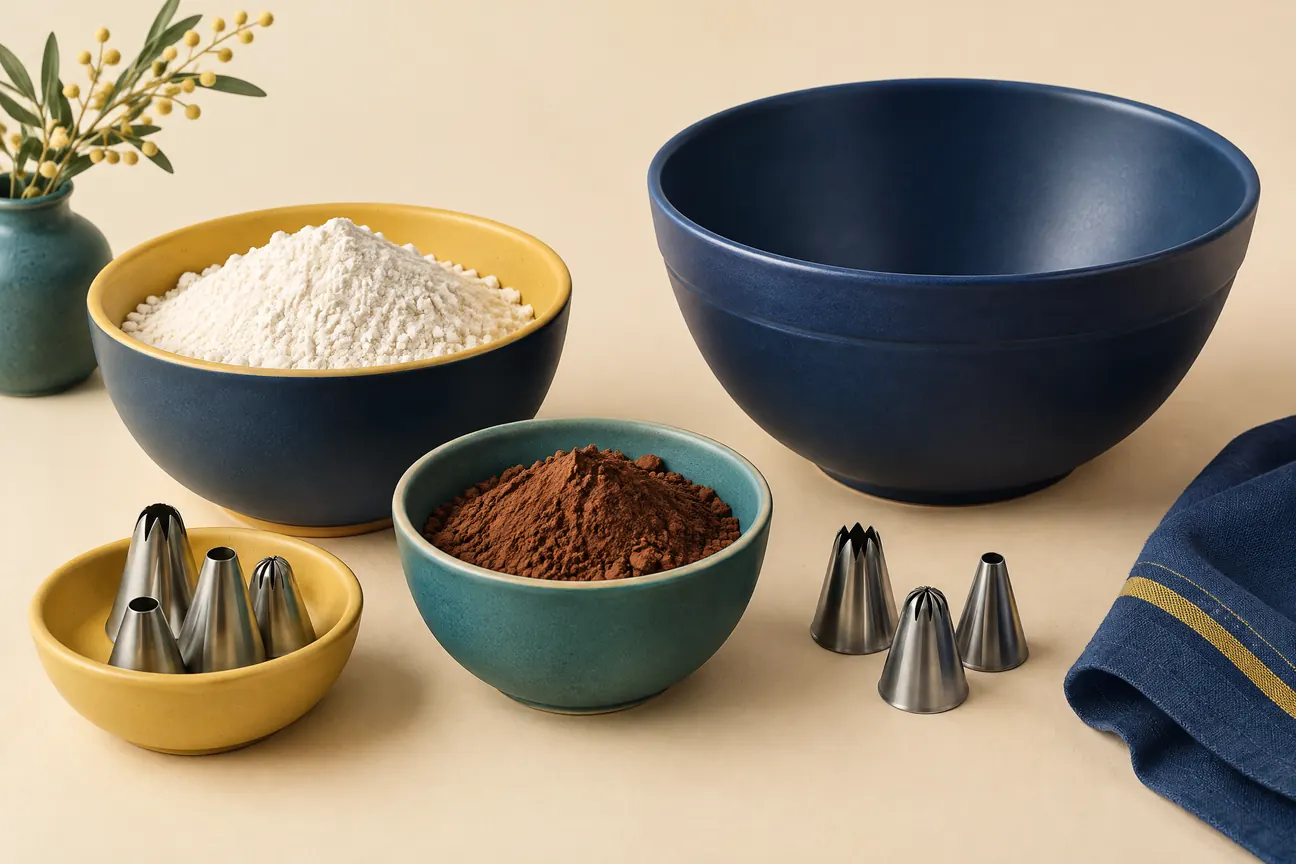
Decoration is a reasonable first choice if you are interested in the surface rather than the bake. You may want to smooth icing, make consistent dots or finish a simple border. A prepared cake can give you more time for those tasks, provided you understand that baking the sponge is outside that session's scope. Start with a modest design whose quality you can inspect closely. Several colours and elaborate accessories can distract from whether you have learnt to control one basic movement.
For a Cake Decorating Class, describe the finish you want to practise and ask which tools and medium the session uses. Buttercream piping, smoothing and modelling are not interchangeable tasks. Ask whether you have a practice surface before working on the cake, and whether the instructor will help you assess your own attempts. A completed cake is a useful keepsake, but the learning opportunity is stronger when you know how your work changed after a correction, not just that it looked presentable at the end.
Utah State University Extension's beginner decorating manual treats icing consistency, bag position and pressure control as connected essentials, then provides repeated practice with basic tips. [3] These mechanics are useful questions for an adult lesson too, although the manual is a youth-group curriculum, not a prescribed adult timetable. Ask what to look for when a line varies in width or a shape does not hold. You want an explanation you can apply on the next attempt, rather than an instructor quietly repairing the finish for you.

Look for feedback before your work is finished
The most revealing participation question is ‘What will I personally do?’ A shared bowl is not automatically a problem: it may let you compare attempts and discuss the method. But if one participant mixes and another only packs the result, their learning differs. Ask how important steps are allocated and whether you can try your priority task. A small-sounding group is not enough information on its own. The arrangement of tools, shared work and instructor attention matters to your actual opportunity to practise.
An Adult Baking Class enquiry should therefore include your experience and a concrete feedback request. You could say that you have baked from recipes but cannot judge dough handling, and ask how the session addresses that uncertainty. Find out whether explanations are given in a language you comfortably follow and whether there is time to try again after guidance. ‘Adult’ describes the audience; it does not by itself tell you the difficulty, teaching approach, individual attention or recognised status of the course.
Useful feedback arrives while a change is still possible. For mixing, that might mean pausing to compare the mixture with the intended stage. For piping, it might mean checking your grip and pressure before completing the whole border. Ask whether the instructor observes the process or mainly comments on finished work. Make notes in plain language: what you noticed, what was changed and what improved. A photograph can remind you of the appearance, but it cannot reliably preserve the explanation behind the correction.
Match the lesson to the kitchen you actually have
Before paying for a technique-heavy session, compare its equipment with your home setup. In a compact Hong Kong kitchen, counter space and storage may matter as much as the headline tool. Check whether the recipe uses a mixer you do not own, a pan that fits your oven, or space for several trays. Do not assume hand mixing can replace every machine-based method. Ask which stages have an appropriate home alternative and which depend on the equipment used in the lesson.
Choose one manageable repeat rather than buying a full set of tools immediately. For baking, request a recipe in usable units with the relevant pan and equipment details. For decoration, note the particular tip and icing medium you practised, not merely the finished design. Include the less glamorous finishing steps: how the work is divided, placed on a base and packed. Being able to arrange your output in the box you have is more useful than discovering afterwards that your project needs packaging or storage space you did not plan for.
Judge the total commitment by what you will realistically use. Obtain a current quotation and ask about ingredients, borrowed tools, take-home materials and any additional purchases, without assuming standard inclusions. A cheaper session that skips your difficult step may offer less value to you than a focused one you can repeat. Equally, specialised equipment may be worthwhile for an enjoyable one-off experience even if you never buy it. Be honest about that choice: recreation and long-term practice have different budgets and practical demands.

Plan the take-home journey and your next attempt
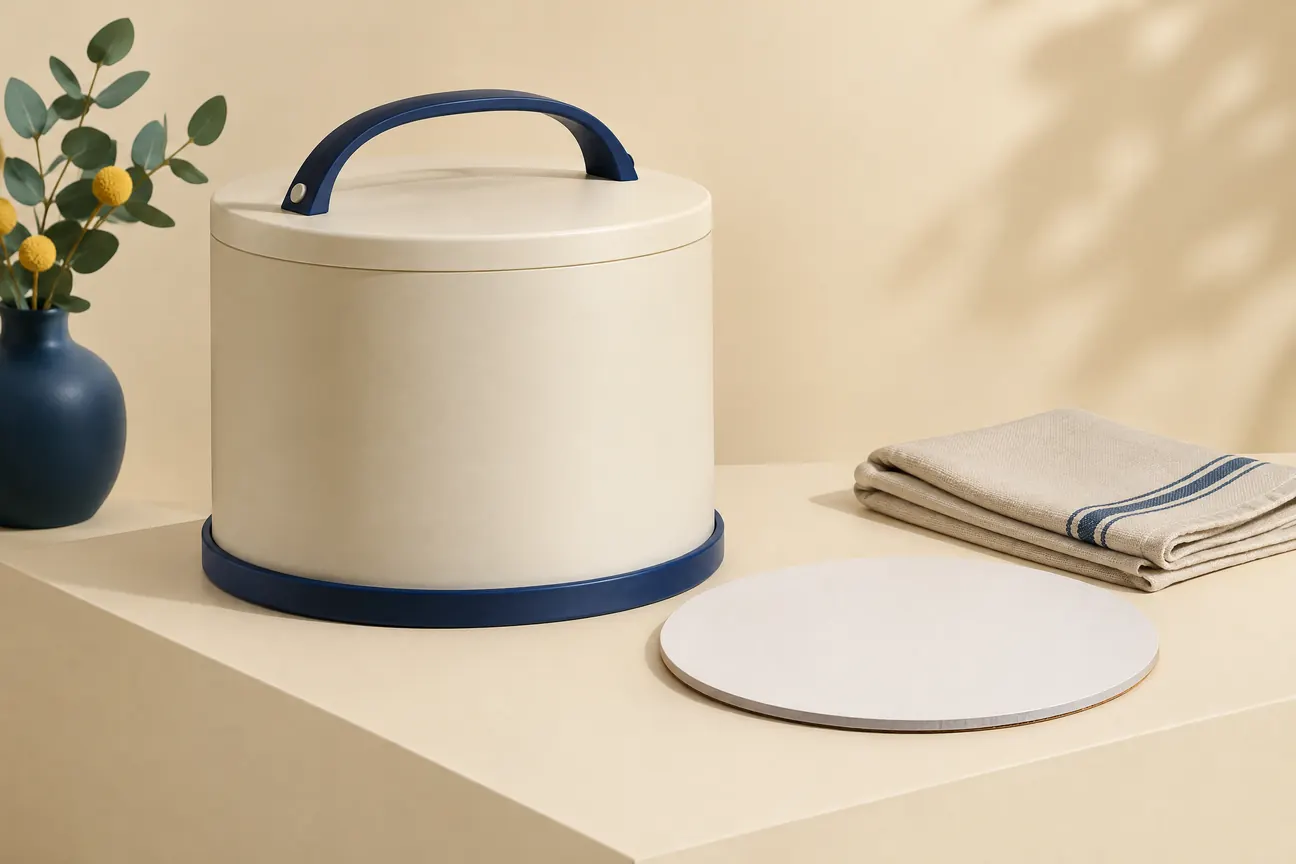
The lesson may end before the finished food is ready to carry. Ask how cooling, setting and packing fit the actual departure time, and what quantity belongs to you when preparation is shared. Confirm the box dimensions and whether a board or carrier is included. If you have dinner plans afterwards, ask for the finished item's handling requirements before committing to the extra stop. A paper box can contain a dessert without providing temperature control; packaging and food handling are separate planning questions.
Follow the storage and transport instructions for the specific food you make rather than applying one rule to every cake or cooked dish. The Centre for Food Safety's Five Keys include keeping food at safe temperatures. [1] Ask the provider how that applies to the chosen filling, topping or meal during your journey. If you cannot meet the stated conditions, change the route or select another session output. Also ask whether your practice materials are intended to be eaten; a display or practice component should not be assumed to be take-home food.
Set a small follow-up task while the lesson is fresh. Repeat the dish under comparable conditions, make another batch with the same method, or practise the same border before attempting a more complicated finish. Keep your notes beside the recipe and record one difficulty to raise if you take another lesson. Do not use attendance or a polished take-home item as proof of professional competence. If formal study matters to you, ask separately about the awarding body, assessment and recognition; recreational lesson titles are not evidence of a qualification or an employment outcome.
| Learning priority | Practice to look for | Feedback worth asking for | Home-transfer question |
|---|---|---|---|
| Everyday cooking | Ingredient preparation, heat control and coordinating components | Comments while you prepare and cook | Can I use my usual hob, pans and meal quantities? |
| General baking | Measuring, the named mixing method and recognising stages | Comparison of your mixture or dough with the intended stage | What equipment and pan does this recipe require? |
| Cake decoration | Working with the stated icing medium and practising a finish | Guidance on consistency, bag position or pressure | Which tip, medium and practice surface do I need? |
| Social making experience | A clear personal role within shared work | Help when needed without expecting extensive repetition | Am I content if the activity is mainly a one-off experience? |
| Focused skill development | A narrow task with a chance to repeat it | A correction followed by another attempt | What manageable repeat can I do after the lesson? |
On a small screen, scroll the table sideways to compare.
Take it into everyday life
A practical checklist
- Write one task you want to complete independently after the lesson, such as judging a mixing stage or piping an even border.
- Ask for the actual dish or design and identify any ingredients, cakes or fillings prepared before you arrive.
- Confirm which steps you personally perform and how shared tools or batches are allocated.
- Ask when the instructor observes your work and whether you can try again after a correction.
- Check the teaching language, expected starting level and equipment against your own experience and kitchen.
- Obtain the current total quotation and clarify borrowed tools, materials, recipe information and packing inclusions.
- Confirm your own take-home share, packing readiness, box size and food-specific transport and storage instructions.
- Choose a realistic home repeat and list only the additional tools necessary for that attempt.
Questions & answers
Should I learn cooking before trying baking?
Choose by your immediate goal rather than treating cooking as a universal prerequisite. Basic handling routines matter in both, but organising a stovetop meal and learning a baking method are different tasks. Ask the baking provider what starting skills are expected and whether measuring and equipment use are explained.
Can I take a decorating lesson if I cannot bake a cake?
Potentially, if the offered session uses a prepared base and accepts your starting level. Confirm this before booking. It can let you focus on icing control, but it will not teach you to bake that base unless making it is explicitly part of your own tasks.
Does hands-on mean everyone makes a complete item from scratch?
Do not assume so. Ask for your personal sequence of tasks, what is prepared beforehand and whether batches or stations are shared. Hands-on participation in shaping or finishing is different from performing every stage, even when each person leaves with a finished item.
What should I ask if I already bake but keep getting inconsistent results?
Describe one recurring problem and the method you currently use. Ask whether the instructor can observe that stage and explain the correction. Weight-based measurement can make comparisons more consistent, but it is only one part of the process; avoid changing several recipe variables at once. [2]
How can I judge teaching value without relying on class size?
Find out how shared steps are allocated, when the instructor watches your attempt and whether feedback is followed by another try. Also check that explanations are in a language you understand comfortably. A headcount alone does not tell you how much attention reaches your priority task.
Do I need to buy a stand mixer or a large decorating kit first?
Wait until you know the actual method and suitable home alternatives. Some recipes depend on particular equipment. Ask for a minimal list for your first repeat, including the specific decorating tip or baking pan where relevant, instead of buying tools just because they appear in the classroom.
Can I bring the finished food to dinner after class?
Only plan that stop after confirming packing readiness and the item's handling requirements, then checking whether the restaurant accepts outside food and can accommodate the box appropriately. A supplied box does not establish temperature control. Change your plans if you cannot follow the instructions for the food you make. [1]
Will an adult lesson provide a recognised qualification?
The title is not evidence of recognition. If that is your aim, request the named qualification, awarding body, entry requirements and assessment details and verify them separately. Do not treat recreational participation, a completion document or a finished cake as a guarantee of professional readiness or employment.
Sources & further context
Numbered references follow the source order below. Merchant pages provide context for their own products or services; independent sources support relevant general reading, not merchant quality or medical suitability.