

Give your wedding dessert table three separate jobs
Start with the reception programme rather than a picture of a fully dressed table. A cake can be the centre of the cutting photograph, a dessert served after dinner, or both. Loose macarons might accompany welcome drinks or appear later with coffee. Boxed favours have a different destination: the guest's journey home. Write those intentions beside the guest list so that a beautiful display does not conceal an unplanned second dessert or gifts allocated to the wrong recipients.
For the cake itself, decide whether all diners should receive a slice or whether it is intended for a smaller group after the ceremony. The Wedding Cake page is a relevant place to begin a wedding-specific design enquiry, but ask the bakery to confirm usable servings for your proposed portion style. Height and tier count alone are not a serving plan. Specify whether slices will be plated by venue staff or offered from a separate station, because the cutting moment and guest service need not happen together.
At a Hong Kong banquet, check how this fits the venue's existing dessert course before adding another full serving for everyone. At a standing reception, consider whether guests will have a plate and somewhere to put it down. Neither format needs an arbitrary dessert-per-person rule. Choose an intended offer for each service window, allowing for late arrivals, then keep cake servings, loose sweets and take-home boxes on separate lines. Combining those lines into one guest total makes later changes harder to understand.

Connect the designs without making everything identical
Choose a small number of visual details that can travel between the cake and the favours. An ivory cake might share a muted accent colour with a box ribbon, while the macarons contribute a second tone. The cake does not need to reproduce every flower, invitation motif and place-card detail. When the table already has several desserts, a quieter cake can preserve a clear focal point; a highly decorated cake may work better with restrained trays and packaging.
A Custom Cake enquiry is useful when the cake's shape, finish or proportions need to respond to your particular brief rather than a standard wedding silhouette. Supply one reference for shape and another for colour, with a sentence explaining what you like in each. Ask which details can be adapted and what changes the construction or handling requirements. A reference image is a conversation starter, not confirmation that its exact finish, scale or decoration can be reproduced.
Give the dessert supplier and venue the same approved design summary, but leave room for differences between frosting, macaron shells and printed paper. Those materials do not have to look identical to feel coordinated. Keep flavour names separate from colour descriptions so that a pale shell is not mistaken for a particular filling. Before approving extras, compare the entire tabletop footprint, including the cake board, stands and serving plates. A cake that looks balanced in a close-up may crowd a narrow station once the other items arrive.
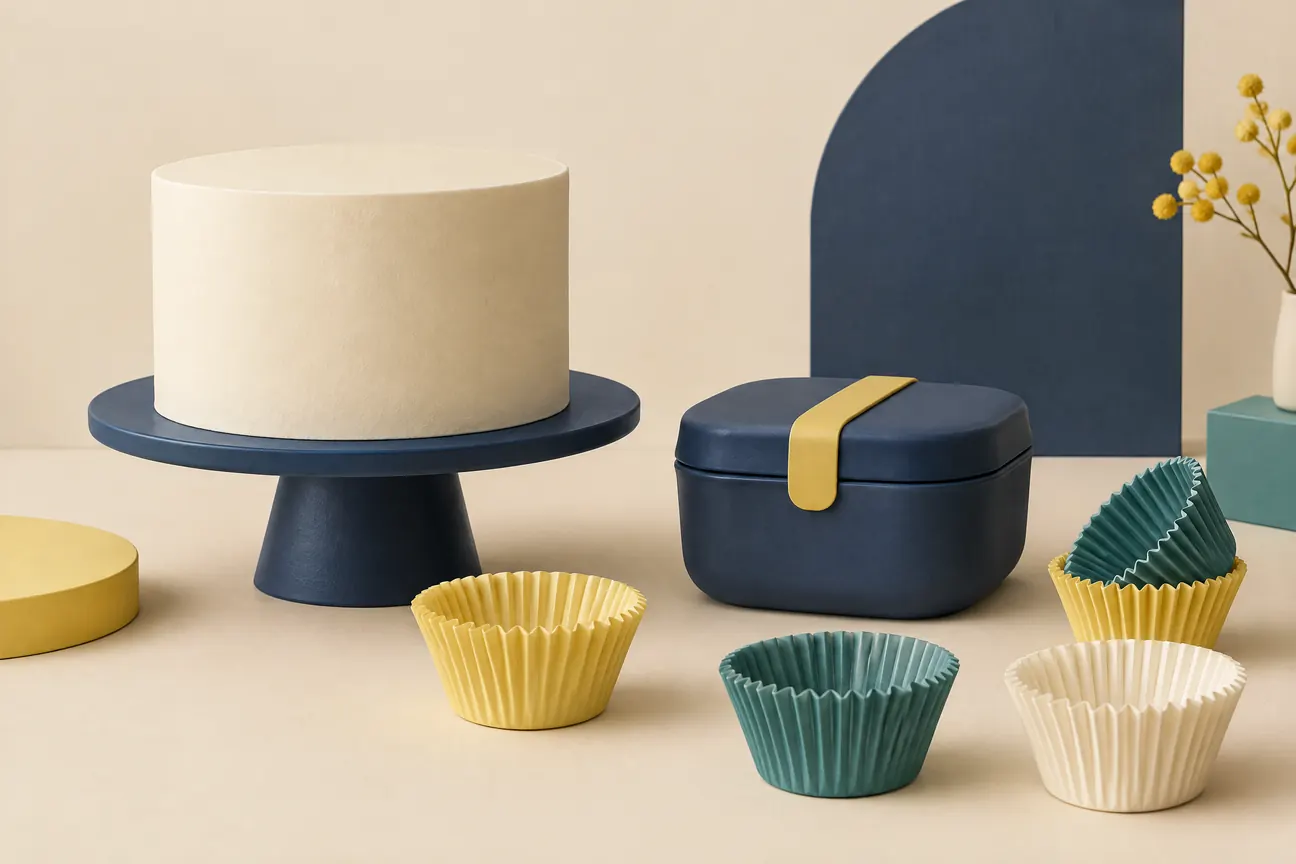
Size the loose macaron display around service
Plan the macaron station as something guests will actually use. A tower creates height, while low trays make individual flavours easier to separate and replenish. Ask how guests are meant to take a piece and where the serving utensil or plate will sit. Leave space beside the cake for the couple and the photographer without placing the active dessert queue through that area. If the cake moves after the photograph, agree who moves it and where the trays remain.
When exploring a Macaron Dessert Table, describe the service window and the food you already have, not just the number of guests. Request an itemised proposal that distinguishes the loose macarons from any other sweets, the display hardware and the work done on site. Ask whether your separately designed cake occupies the station or belongs elsewhere. This prevents a display enquiry from becoming an assumed booking for a cake, decorations, attendants and equipment that nobody has explicitly approved.
Divide loose stock into an opening display and replenishment stock rather than putting every piece out for the initial photograph. The right opening quantity depends on the agreed layout and how the food must be held. Refill trays can keep the station usable without forcing guests to reach over nearly empty stands. Mark the purpose of reserve stock: it may cover the next service window or an agreed contingency, but should not quietly become favours. The refill method must also preserve the ingredient information attached to each flavour.
Count boxed favours by recipient, not by table space
Choose the favour unit before choosing the box. One per guest, one per couple and one per household produce different totals, even at the same reception. If some relatives will receive gifts later, put them on a separate recipient list instead of increasing the display stock. For a per-household arrangement, identify who collects the box so that two people from the same home do not each take one while another household leaves without its gift.
Use a Macaron Gift Box enquiry to discuss the intended contents and packaging separately from loose-table service. Ask what fits the proposed box, whether the pieces are packed before delivery, and what ingredient and storage information can accompany each gift. Check the assembled box dimensions if it must sit at a place setting or fit a guest's bag. A compact favour can be easier to distribute than a larger assortment; neither format should be assumed to be included in the dessert-display booking.
Count each physical piece once. To illustrate the arithmetic, suppose you choose 80 loose macarons and 40 boxes containing two pieces each: the order needs 160 pieces before any separately agreed reserve. If those same 40 filled boxes form part of the visual display, their 80 contents are not added again as loose stock. These are planning figures, not a supplier package or a recommended allowance. Decide whether guests collect gifts on arrival or departure, and hold uncollected boxes under the agreed storage conditions rather than leaving them as table decoration indefinitely.

Make ingredient information usable for guests
Gather dietary requirements while you can still change the selection, and pass each requirement to the bakery and venue in clear terms. Hong Kong's Centre for Food Safety lists gluten-containing cereals, eggs, milk and tree nuts among common allergens, with cakes and desserts among relevant examples. It also advises preventing unintended allergen cross-contamination and checking concerned ingredients with cooks. [1] Ask about the actual cake, filling and decoration, as well as every macaron variety; the product's appearance does not establish its ingredients.
Give each variety its own readable identifier, and keep that identifier beside the correct tray during refills. The UK's Food Standards Agency advises providing allergen information for individual buffet items rather than one statement for the whole buffet. [2] That is a useful practical approach here, not a statement of Hong Kong law. Have written details available to support a conversation with the responsible server. A palette of similar-looking macarons makes accurate flavour labels especially important when guests cannot distinguish them by sight.
Discuss shared utensils and preparation arrangements rather than treating a label as the only control. A vegan name does not itself prove absence of animal-allergen cross-contact, as the Food Standards Agency explains. [2] If a supplier cannot confirm suitability for a guest's requirement, agree an alternative with that guest rather than promising that a particular sweet is safe. Keep any individually allocated alternative identifiable through receipt and service. If flavours or decorations change after approval, refresh the information and the recipient allocation together instead of leaving the venue with an outdated list.
Arrange receipt and storage before choosing display times
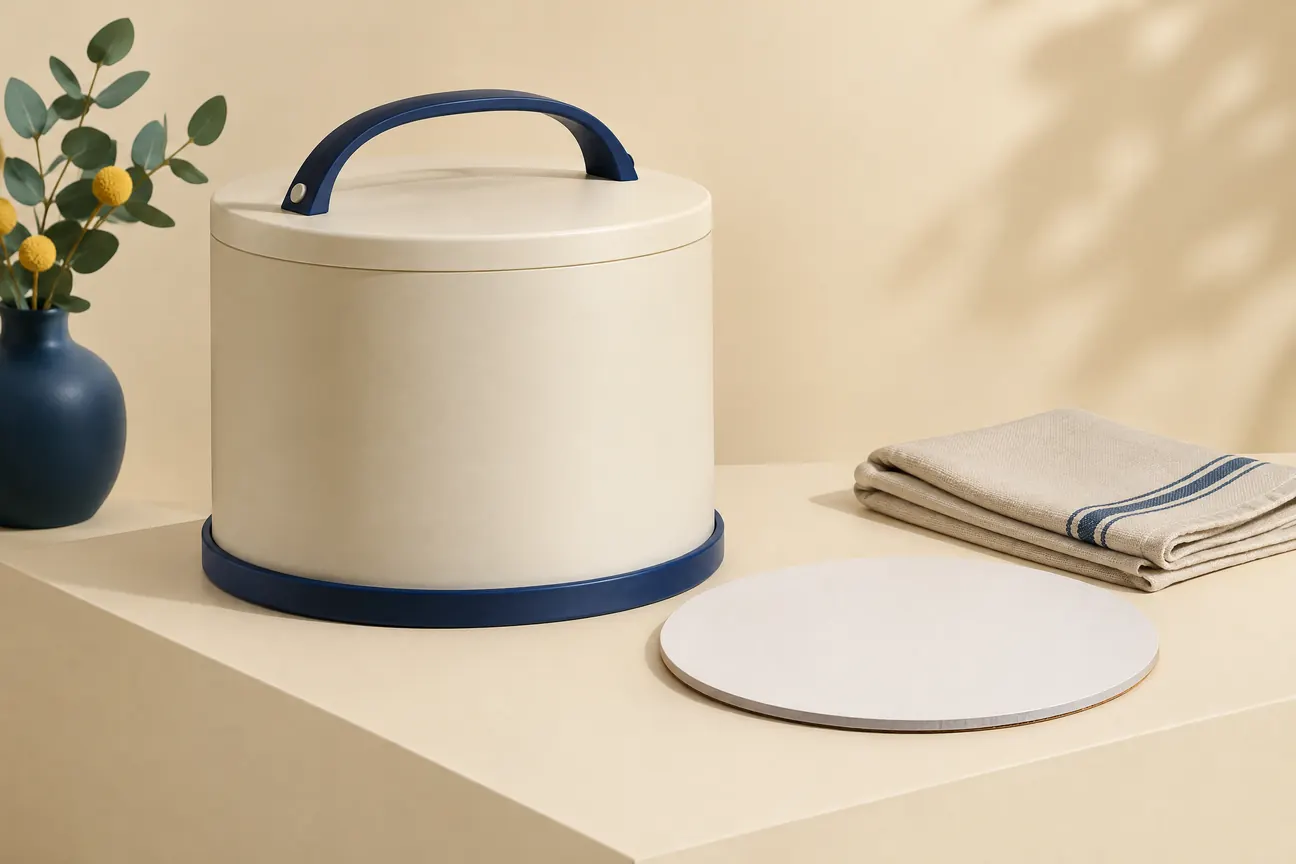
Ask the venue who will receive the order and where each component goes immediately afterwards. A loading-bay arrival is not the same as a staffed reception handover. Check the route from delivery point to storage, including lifts and doorways, and give the receiver the package dimensions. Confirm storage space for the actual cake carrier and favour cartons rather than assuming that a refrigerator can accommodate them. Suppliers may need different arrival windows; convenience alone should not determine when perishable desserts leave controlled storage.
Request handling instructions for the chosen fillings and finishes before setting a long photo-display period. The Centre for Food Safety advises keeping cold delivered food at or below 4°C and explains that time outside temperature control accumulates across handling, transport and storage. [3] For desserts that require chilling, the reception display is therefore not the start of a fresh clock. Ask the supplier and venue to coordinate suitable transport and holding arrangements, and keep the relevant handover record with the order rather than assigning a universal room-temperature allowance to every macaron or cake.
On arrival, the responsible receiver should check the delivery against the component list and inspect the packaging condition and relevant temperature information. These checks follow the Centre for Food Safety's general delivered-food advice. [3] Raise discrepancies before the courier leaves where practical, and have an agreed contact for resolving them. If the programme runs late, use the planned holding arrangement and postpone the release of appropriate food. An early delivery should not automatically mean an early display, and a refrigeration break should not erase the food's previous exposure history.
Give the venue a service plan that survives changes
Allocate tasks to named roles, not to an imaginary all-inclusive dessert team. The venue may receive and chill the food while a separate supplier arranges the stands; cutting and plating may sit with banquet staff. Decide who releases the cake for photographs, who replenishes macarons and who hands out favours. Keep the couples' own responsibilities small during the reception. If a display is delivered without an attendant, agree which actual staff member takes over instead of expecting whoever is nearby to recognise the refill and gift allocations.
Compare quotations by separating food from work and equipment. Cake design, loose dessert pieces and filled boxes are different purchase units. Delivery, assembly, cutting, tableware, stand hire and later collection should each be shown as included, excluded or awaiting confirmation. Check the venue's own rules and any outside-food or service charges directly. If the total is too high, consider simplifying the cake decoration or offering fewer dessert varieties before removing the receiving and holding arrangements that make the plan workable. No website headline can settle those order-specific terms.
Use one agreed version of the plan for changes, with quantities and service times written clearly beside each component. A rise in household count changes favours but may not change cake servings; moving the cutting ceremony changes handling timing but does not necessarily change loose stock. Ask affected parties to acknowledge the revised details. Finally, specify what happens to unused food and hired equipment after the event. Gift boxes need their intended recipients and handling information; stands need a collection arrangement. These are different handovers, even when everything began on the same table.
| Component | Quantity to confirm | Best use | Separate arrangement to check |
|---|---|---|---|
| Cutting cake | Usable slices for the intended recipients | Ceremony photograph, with agreed later service | Cake board, holding, cutting and plating |
| Loose macarons | Pieces for opening display and refills | Guest dessert station during stated service windows | Trays, utensils, labels and replenishment role |
| Filled favour boxes | Boxes by recipient unit and pieces in each | Allocated take-home gift | Packing, recipient handover and storage information |
| Individually allocated alternative | Portions for the guests who need that option | Agreed substitute for a specific requirement | Confirmed ingredients, identification and handling |
| Display equipment | Stands or trays for the approved layout | Presentation rather than extra edible stock | Delivery, assembly, hire terms and collection |
On a small screen, scroll the table sideways to compare.
Take it into everyday life
A practical checklist
- Mark whether the cake is for photographs, guest dessert service or both, and confirm the intended usable servings.
- Allocate loose macarons by service window, separating opening display from refill stock.
- Choose a favour unit: guest, couple or household; include later recipients on their own list.
- Check the arithmetic in pieces and boxes, counting filled boxes displayed on the table only once.
- Approve one shared colour reference and the actual footprint of cake board, stands, trays and boxes.
- Obtain up-to-date ingredient information for each variety and allocate any agreed alternatives clearly.
- Confirm the receiving person, storage space, handling instructions and display-release times with the venue.
- Itemise food, packaging, delivery, setup, cutting, equipment hire and collection before approving the order.
Questions & answers
Does booking a wedding cake include a macaron table and favours?
Do not assume so. Ask for an itemised confirmation naming the cake, loose dessert stock, filled boxes, equipment and on-site work. Even if a proposal groups them together, the cake serving count and the favour recipient count should remain visible as separate quantities.
How many macarons should we order if there is also a banquet dessert?
Decide whether macarons are an additional tasting choice, an earlier reception snack or a replacement for another course. Set the intended offer for that window and discuss the resulting quantity with the supplier. There is no single allowance in this guide that suits every menu, guest list and service format.
Can favour boxes double as the dessert display?
Yes, if the approved layout and product handling permit it, but count their contents only once. Tell the server whether those boxes are reserved gifts or available for immediate eating. Mixing both uses without an allocation can leave departing guests without the favours intended for them.
Should the cake and macarons have exactly matching colours?
A shared palette is usually a clearer brief than a promise of identical shades across frosting, shells and packaging. Approve the relationship between the colours and identify the cake's focal detail. Keep flavour descriptions separate so that a colour choice is not mistaken for an ingredient specification.
Can all flavours share one allergen sign?
Keep information specific to each variety and beside the right tray. The Food Standards Agency's UK guidance recommends item-by-item buffet information rather than one statement for the whole spread. [2] Written details and a responsible server help guests ask about ingredients, but do not establish that an item is suitable for every allergy.
Can the whole table be set out when the delivery arrives?
Only if that fits the handling plan agreed for the actual products. Perishable food exposure accumulates during transport, storage and display; arrival does not restart that history. [3] Confirm suitable holding facilities and release times, especially when the photography and dessert-service windows are far apart.
What if some households leave before cake cutting?
Keep favour collection separate from the cake schedule. Allocate an early-departure handover to the responsible staff member and update the collected-box count. Whether an early guest needs a cake portion is a separate menu decision; avoid transferring unplanned slices into the favour allocation.
Who should deal with changes on the wedding day?
Choose one organiser or venue contact who has the latest component list and supplier confirmations. They should distinguish a timing change from a quantity change and consult the affected party. Their role does not replace the person responsible for food handling, replenishment or equipment collection.
Sources & further context
Numbered references follow the source order below. Merchant pages provide context for their own products or services; independent sources support relevant general reading, not merchant quality or medical suitability.