
Start tea-break box planning with the return time
Start with the time participants need to be back in their seats, not the time refreshments arrive. A short meeting break may also have to accommodate a bathroom visit, a phone call and a move between rooms. Write the restart time into the agenda, then decide which refreshment tasks can happen outside that interval. W3C's accessible-events guidance advises organisers to consider accessibility when scheduling, keep to the schedule where possible and tell participants about changes in advance. That makes the announced break a commitment, not spare time to borrow from the next session. [1]
For an illustrative fifteen-minute break, walk through the route from the meeting chair to the refreshments and back. Do not assume all fifteen minutes are available for eating. If guests must retrieve coats, cross a lobby or wait for a drink, a box with several components may be awkward even when its contents look appealing. A tabletop box can work well when people stay nearby with a surface available. A simpler handheld selection may suit a room change better, provided guests can still put their drink down.
Agree a release cue with the chair: finish the topic, state the return time and point out the food and drink locations. Avoid adding a sponsor announcement or a new discussion task once the break starts. If conversation during the break is genuinely optional, say so. Participants should be able to step away without missing a decision. This also gives the person managing refreshments a clear moment to open access, rather than guessing whether the presentation has ended.
Keep delivery handover out of the break itself
Separate three moments in your arrangements: the supplier hands over the order, the venue prepares the serving area, and guests collect refreshments. They need not share one deadline. In a Hong Kong office building, reception access and the route to the booked room can add practical steps after a delivery reaches the entrance. Give the receiver the room location, agreed access arrangements and order quantities. Make that receiver someone who is available while the meeting continues, rather than the chair who is speaking or the administrator taking minutes.
Earlier arrival is only useful if the venue can handle the actual contents appropriately. FEHD's delivery guidance describes suitable covered or sealed containers and temperature arrangements before packing and during transportation. It does not make an unopened tea box suitable for an arbitrary wait on a conference table. Ask the supplier how the confirmed foods should be handled on receipt, and check whether the venue can provide the required facilities. Keep food handling distinct from presentation decisions: setting out empty cups beforehand is not the same as opening every food container. [2]
At handover, reconcile the outer packages with the confirmed order and identify which package belongs to which serving point. Keep the supplier's handling information with the receiver, not buried in an email only the organiser can access. If packaging is damaged or the delivery condition raises a concern, set the affected package aside and seek advice before distribution. The guest-facing break should not become the place where staff discover that a carton is missing, or debate where the unopened order was supposed to go.
Give each box enough room to open
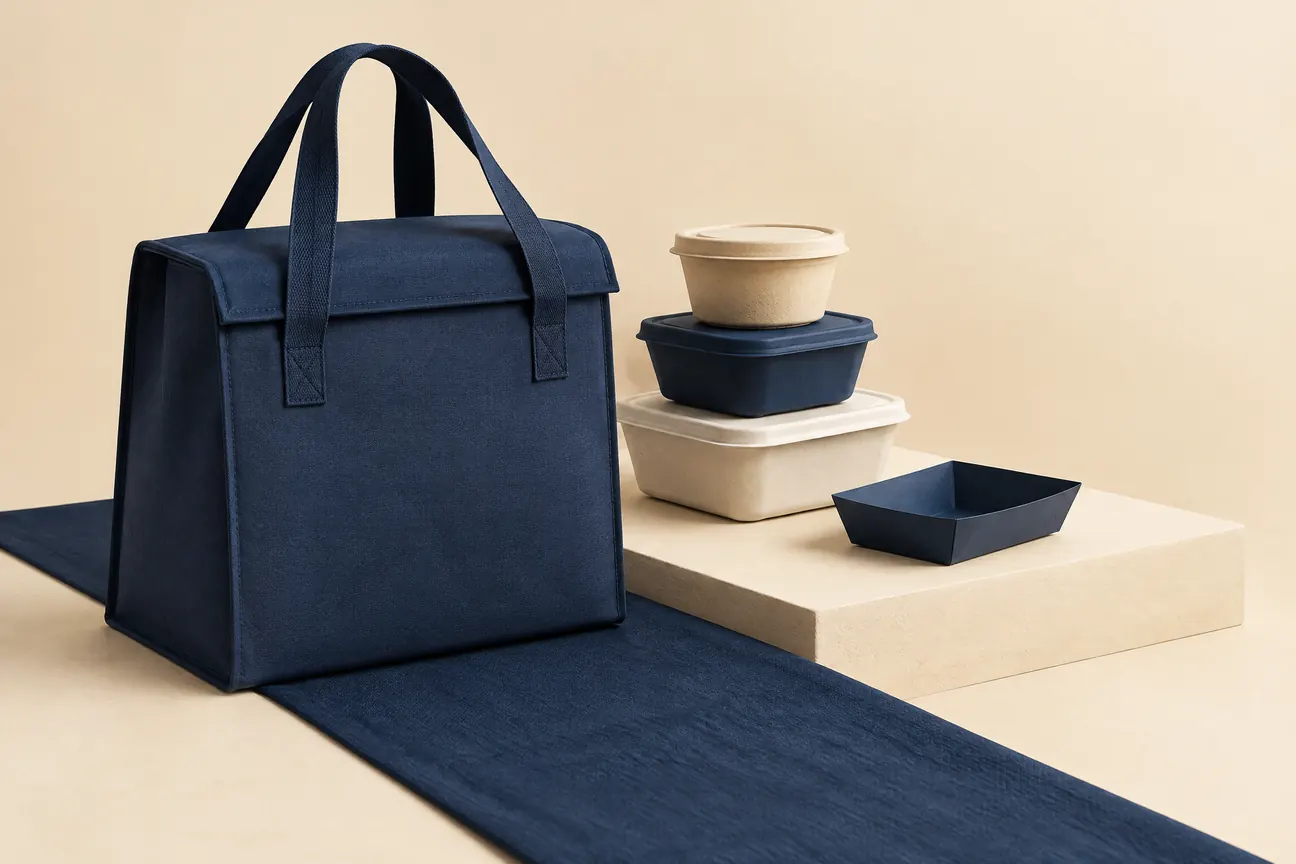
A box occupies more space open than closed. Before choosing it, ask for its dimensions and how the lid rests when opened. Try a similarly sized empty container on the intended desk alongside a cup, notebook and laptop. If opening the lid covers someone's notes or pushes the drink towards the edge, change the serving surface or format. A chair without a table is not automatically a suitable eating place. Nor should a guest have to balance an open container while searching inside a separate bag for utensils.
When exploring Afternoon Tea Box Catering, use the individual-box format as a starting point for practical questions, not a guarantee that every version fits your meeting. Ask about the current savoury and sweet balance, separate inner containers, utensils and drink components. A tea bag, for example, still needs a workable hot-water arrangement if it is part of the confirmed selection. The merchant page provides box-selection context; agree the actual contents and inclusions for your order rather than building the agenda around an assumed menu. [3]
If participants have usable tables, distribute closed, clearly identified boxes to an agreed collection point or seating area when the handling arrangements permit. Guests can then open their own containers after the break cue. Avoid opening all boxes simply to create a display: it adds handling and may remove information guests need. Put napkins within reach and decide where detached lids or sleeves will go. A small area for packaging keeps the eating surface useful without turning the whole break into repeated trips to the waste point.
Choose finger food for the way people will eat
Judge a proposed item by the actions needed to eat it. A small portion may still require a fork, a place for a sauce pot or somewhere to discard a skewer. Ask whether a guest can pick it up, move to a nearby surface and eat without returning for missing equipment. For a short break, a selection that needs cutting or assembly can compete with the reason people stepped out. Choose variety within the physical limits of the room rather than adding dishes that need another serving station.
The individual and shared formats shown under Party Finger Food Catering are useful enquiry options when not everyone will sit at a desk. Ask which current items are genuinely handheld, which need utensils, and how they are packed for distribution. Do not infer one-handed eating from the phrase 'finger food'. An item that needs two hands can still be perfectly workable if guests have a surface for their drinks. The important comparison is the complete eating arrangement, not whether a menu calls the food bite-sized. [4]
For shared trays, keep the serving utensil beside its own dish and leave room for a guest to put down a plate while selecting. Avoid a layout that requires reaching over another tray to find napkins. Offer the same selection at separate access points only if you have the space, utensils and agreed quantities to do it properly. Where those resources are limited, one clearly arranged collection point may be better than two confusing ones. Keep the route away from the doorway people need to use to leave the room.
Let drinks move on a separate route
Food and drink rarely take the same amount of time to collect. Picking up a closed box is a different task from choosing tea, pouring water and adding milk. If both tasks sit in one line, a quick food collection can be held up by the slowest drink choice. Put the drink point where guests can approach it independently without crossing the food queue. Leave a stable surface at each point so a participant can set something down instead of carrying a plate, box and open cup together.
When considering Drinks Catering, compare individually bottled refreshments with a bulk-dispensed option on service effort as well as selection. Ask what equipment accompanies the actual order, who sets it up, and who replenishes cups or clears drips. The merchant page presents different beverage formats, but a drinks order should not be assumed to include a staffed station. If the venue already provides coffee, identify exactly what remains necessary, such as water or tea, before asking whether the proposed package can be changed. [5]
A smaller choice can be easier to navigate during a brief interval, while a longer networking break may accommodate a more elaborate drink point. Keep names and any supplied ingredient information readable at collection, rather than requiring every guest to ask the same question. Put extras such as stirrers where they do not block the main pickup. If hot drinks are offered, use the venue's suitable equipment and a stable serving area; do not improvise a pouring station on a narrow ledge beside people entering the room.
Make the break usable without making everyone queue
Ask participants before the meeting whether they need a particular collection arrangement or help accessing refreshments. W3C recommends asking about accessibility requirements and checking accessible venue routes, including movement between rooms. Apply that approach to the break as well as the presentation. A refreshments table can obstruct an otherwise clear route once a queue forms. Walk through the setup from different seating positions and leave room to approach, turn and move away without carrying food through a cluster of standing guests. [1]
Offer assistance discreetly and by agreement. Some participants may prefer a box brought to a usable table; others may want to choose for themselves. Do not make an assumption based on someone's appearance, or place every reserved selection at a separate public 'special needs' station. Use a clear identification method agreed with the recipient and supplier. Keep the supplied contents information available so someone can make their own choice without searching the whole event order. If a requested alternative has not been confirmed, tell the participant rather than substituting silently.
Keep a few seats with practical eating surfaces available even when the break is intended for standing conversation. Guests may also need quiet time rather than a compulsory networking activity. Announce the same restart information in a visible message and aloud so people do not have to rely on overhearing it in a busy area. For a hybrid meeting, tell remote participants that the session is paused and when it resumes. Avoid continuing substantive discussion at the refreshments table while others are away or cannot join it.
Have a recovery plan that protects the next session
Agree what happens if refreshments are not ready at the planned cue. The chair can still release participants for the scheduled break while the receiver resolves the delivery issue elsewhere. Do not promise that food will arrive before the break ends unless that has actually been established. If the serving window must move, update the agenda and explain the new arrangement to everyone, including remote participants. W3C advises keeping participants informed of schedule changes and avoiding catering setup during a meeting or presentation. [1]
If the presentation overruns, do not quietly turn a proper break into a hurried collection exercise. Decide whether to shorten the next agenda item, move refreshments to another agreed window or retain the break and adjust the finish. The food decision must also account for its handling instructions and the venue's facilities. A closed lid is not a reason to leave an order unattended until the next convenient pause. Give the receiver authority to raise a handling concern without waiting for the speaker to finish. [2]
Finally, assign the reset: someone clears packaging, checks the drink area and moves remaining items according to the agreed handling plan. Do not leave that job to whichever participant happens to stay behind. Tell guests whether food and drinks may return to the meeting room under the venue's rules, and provide a clear alternative if not. After the event, note the actual bottleneck: opening space, a drink queue or a slow room transition. Change that part of the next plan rather than simply ordering fewer snacks.
| Format | Most useful setting | Work guests still need to do | Organiser's key check |
|---|---|---|---|
| Individual tea box | Nearby tables and a short, clearly announced break | Open the lid, manage inner containers and find utensils | Open footprint, confirmed contents and handling arrangements |
| Individually wrapped handheld items | A room change with places to put drinks down | Unwrap each item and dispose of wrapping | Actual eating actions and accessible collection |
| Shared finger-food trays | A break area with clear serving space | Choose items and use shared serving utensils | Tray access, quantity allocation and a place for plates |
| Individually bottled drinks | Independent drink pickup beside a food collection area | Choose a bottle and open it | Current selection, packaging and agreed distribution |
| Bulk drink station | A break with space and someone assigned to manage it | Queue, pour and collect any extras | Suitable equipment, setup, replenishment and clearing duties |
On a small screen, scroll the table sideways to compare.
Take it into everyday life
A practical checklist
- Put the break's restart time in the agenda and agree the chair's release cue.
- Walk the chair-to-refreshments-to-room route, including bathroom and room-change access.
- Name a delivery receiver who is available while the presentation continues.
- Obtain handling instructions for the confirmed contents and check the venue's facilities.
- Test the open-box footprint beside a drink and the materials guests will use.
- Check which finger foods need utensils, sauce pots or a waste point.
- Separate drink collection from food collection and allocate equipment setup duties.
- Agree discreet collection assistance, a delay decision and a person responsible for clearing.
Questions & answers
Should boxes be placed on every desk before the meeting starts?
Only if the venue layout and the handling arrangements for the actual contents make that appropriate. Check the open-box footprint as well as the closed size. You can prepare empty cups or napkins separately without committing to early food placement. Keep laptops, meeting papers and drinks from competing for the same small surface.
What is the simplest arrangement for a very short break?
Remove avoidable collection tasks. Keep food pickup independent of drinks, provide utensils and napkins where needed, and make the return time clear. A simple format that fits the available surfaces can be more practical than a larger assortment. Test the route and opening steps rather than selecting a menu by item count alone.
Does an afternoon-tea box automatically include a ready-to-drink beverage?
Do not assume so. Ask what the confirmed version includes and whether a drink component needs water, equipment or preparation. Check any existing venue coffee service separately. Avoid paying for duplicated supplies without also checking that tea, water and collection access remain covered.
Can shared finger food work when participants have no desks?
Yes, if there is a usable serving area and places to put plates or drinks down. Ask about the eating actions for the actual items: small food may still need a fork or a sauce pot. Provide some seating with surfaces and keep serving queues away from the route back to the meeting.
What should the organiser do when the delivery is delayed?
Keep a receiver working on the issue outside the presentation. Let the chair decide whether the scheduled break proceeds without refreshments or the agenda needs a clearly announced change. Do not compress everyone's break without notice or promise an arrival time that has not been confirmed. Recheck handling arrangements before moving the serving window.
How do we provide collection assistance without making it awkward?
Ask privately about the person's preferred arrangement before the meeting. Offer a reachable collection point or agreed delivery to a suitable table, without assuming help is wanted. Identify reserved selections clearly using an agreed method rather than announcing personal requirements to the room.
Who should clear the area when the break ends?
Assign that role before the event and make sure it does not prevent the chair or note-taker from restarting the meeting. The person should know where packaging goes, how the drink station is reset and what the agreed plan is for remaining food. Venue rules determine whether guests may bring refreshments back into the room.
Sources & further context
Numbered references follow the source order below. Merchant pages provide context for their own products or services; independent sources support relevant general reading, not merchant quality or medical suitability.
- [1] W3C WAI — Making Events Accessible: Checklist for meetings, conferences, training and presentations
- [2] FEHD — Practical Guide on Take-away Meal and Meal Delivery Services release
- [3] YumYum — Afternoon Tea Box Catering service information
- [4] YumYum — Party Finger Food Catering service information
- [5] YumYum — Drinks Catering service information